



Introduction
The global autonomous vehicle (AV) and electric transportation sectors are undergoing a profound structural shift. Companies are transitioning from a reliance on off-the-shelf software and hardware integrations to highly verticalized, proprietary tech stacks. This evolution is driven by the urgent need to achieve profitability, optimize processing efficiency, and navigate a highly complex regulatory and geopolitical landscape.
This comprehensive report analyzes the most critical developments shaping the future of mobility, including Waymo’s landmark shift to custom silicon, a federal investigation into the national security risks of Chinese-made lidar, multi-million-dollar regulatory penalties, and significant consolidation across the delivery, maritime, and autonomous trucking landscapes.
Main Facts: The Core Developments
Waymo Unveils Custom 5nm Silicon for Sixth-Generation Ojai Robotaxi
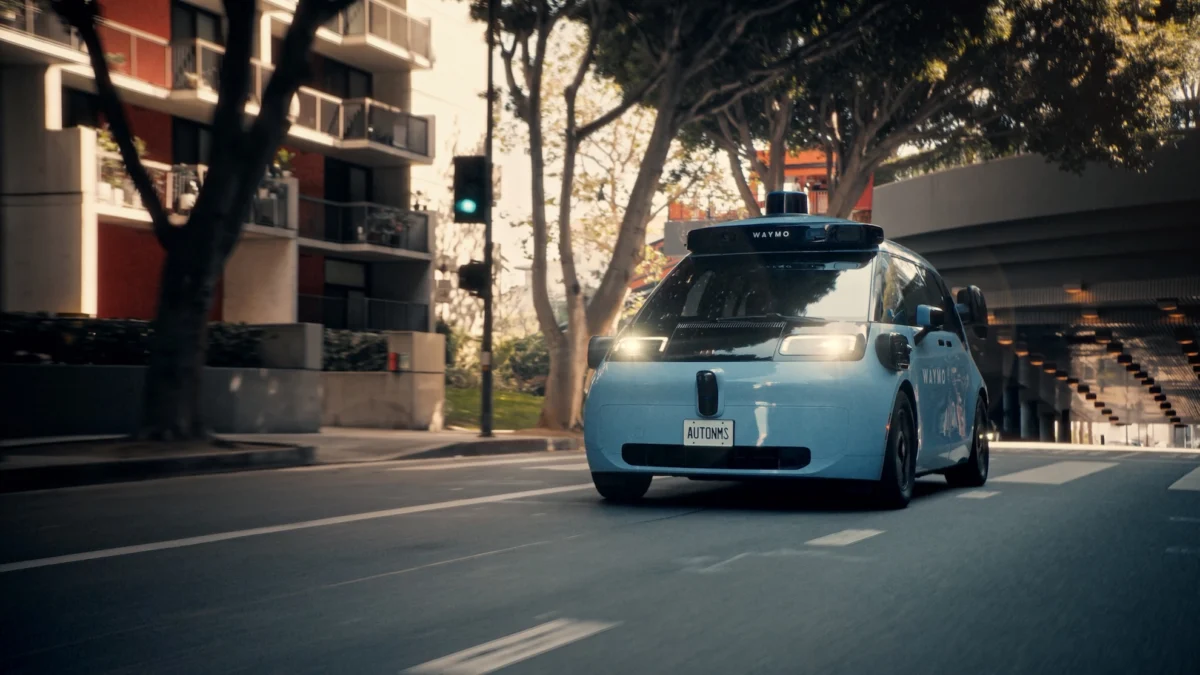
Waymo has transitioned from using generic hardware to utilizing highly customized, vertically integrated components for its sixth-generation autonomous driving system. The system made its commercial debut on the newly unveiled "Ojai" robotaxi platform, which recently opened to all riders in Los Angeles, Phoenix, and San Francisco.
To support the massive computational demands of this platform—which processes continuous data feeds from 13 high-fidelity cameras—Waymo developed a custom 5nm Application-Specific Integrated Circuit (ASIC). The chip is engineered to handle massive raw data ingestion before routing processed information to the vehicle’s central autonomous "brain."
According to Waymo, this custom chip delivers over 1,000 trillions of operations per second (TOPS) of computing performance, positioning it on par with Nvidia’s upcoming flagship DRIVE AGX Thor automotive processor. To manufacture and scale this hardware architecture, Waymo is collaborating with a network of prominent semiconductor and memory partners, including TSMC, Samsung, AMD, Micron, Nvidia, Sandisk, and Socionext.
Idaho National Laboratory Investigates Chinese Lidar Security Vulnerabilities
A covert, privately funded investigation is underway at the Idaho National Laboratory (INL) to evaluate the cybersecurity and national security risks associated with Chinese-manufactured light detection and ranging (lidar) sensors. Lidar is a foundational sensor technology utilized by the vast majority of autonomous vehicle developers to map environments in three dimensions.
The research is funded by an undisclosed group of companies operating within the U.S. electric vehicle (EV) and autonomous vehicle industries. The probe reflects growing anxieties within the private sector and federal intelligence agencies regarding the potential for Chinese-made sensors to transmit sensitive geographic data, vehicle telemetry, or critical infrastructure mapping back to foreign entities.

Uber Penalized €825 Million by Dutch Regulators Amid Global AV Expansion
In one of the largest regulatory fines levied against a ride-hailing platform, the Dutch Data Protection Authority (DPA) fined Uber €825 million ($966 million). The regulator ruled that Uber violated European Union General Data Protection Regulation (GDPR) standards by utilizing fully automated algorithmic systems to suspend and deactivate driver accounts without adequate human oversight or transparent recourse mechanisms.
Concurrently, Uber has accelerated its global autonomous vehicle strategy. The company announced a series of international partnerships:
- London: Partnering with Wayve for early-stage driverless passenger testing.
- Zagreb, Croatia: Launching a commercial robotaxi service with Pony.ai and Verne.
- Dubai: Introducing driverless rides in collaboration with Baidu’s Apollo Go platform.
Chronology of Recent Events
The following timeline outlines the key operational, regulatory, and financial milestones occurring in August 2026:
- August 11, 2026: Uber divests its entire equity stake in sidewalk delivery robot firm Serve Robotics, signaling a strategic retreat from its exclusive partnership model with the company.
- August 17, 2026: Uber announces a strategic investment in and partnership with drone logistics startup Zipline, establishing a joint target of 1 million daily drone deliveries by the end of 2029.
- August 18, 2026: Swedish autonomous freight developer Einride signs a major procurement agreement with Tesla to acquire 500 Tesla Semis over the next 24 months. Simultaneously, Detroit-based modular EV startup Grounded secures a $5 million seed funding round.
- August 19, 2026: Waymo officially expands access to its sixth-generation Ojai-equipped robotaxis to all registered app users in Phoenix, Los Angeles, and San Francisco. On the same day, Rivian spinout "Also" raises a $150 million Series D round, and Hyundai’s luxury division, Genesis, unveils its flagship GV90 seven-seater electric SUV.
- August 20, 2026: Nevada regulators grant commercial robotaxi deployment permits to Tesla, Uber, and Waymo in Clark County (Las Vegas), authorizing up to 8,000 autonomous vehicles over the next year.
- August 21, 2026: The Dutch Data Protection Authority announces its €825 million fine against Uber. Concurrently, the State Administration for Market Regulation in China announces a multi-million-vehicle safety recall involving Tesla, Xiaomi, Xpeng, and Geely brands over hidden emergency door handle safety failures. Waymo also submits redacted response documents to the National Highway Traffic Safety Administration (NHTSA) regarding an ongoing investigation into a low-speed collision with a child.
Supporting Data and Technical Specifications
Compute and Hardware Architecture
Waymo’s sixth-generation computing architecture relies on highly specific hardware profiles designed to lower production and operational costs while maximizing safety margins.
| Specification | Waymo Custom 5nm ASIC | Nvidia DRIVE AGX Thor (Comparison) |
|---|---|---|
| Process Node | 5 nanometer (nm) | 4 nanometer (nm) / Custom TSMC |
| Compute Performance | >1,000 TOPS | ~1,000 to 2,000 TOPS |
| Primary Workload | Raw sensor data pre-processing | End-to-end AV pipeline processing |
| Sensor Integration | Optimized for 13 high-fidelity cameras | Multi-sensor modal integration |
Capital Allocations and Venture Financing
Despite a tighter macroeconomic climate for late-stage venture capital, several major mobility startups closed significant financing rounds in late August 2026:
- Also (Rivian Spinout): Raised $150 million in a Series D round led by Prysm Capital, with participation from Eclipse, Greenoaks, and MVP Ventures. This brings Also’s total funding to $455 million since its spinout in March 2025, marking an exceptionally rapid capital-raising cycle for its transition from e-bikes to autonomous delivery vehicles.
- Vessev: The New Zealand-based electric hydrofoil marine startup secured $19 million in a Series A round led by Blackbird Ventures, alongside GD1, Rypples, K1W1, Icehouse Ventures, and Shasta Ventures, to fund its entry into the U.S. commercial maritime market.
- Grounded: The modular electric and gas van customization startup closed a $5 million seed round backed by Also Capital, The 81 Collection, Animal Capital, the Michigan Outdoor Innovation Fund, and select SpaceX alumni.
Fleet Deployments and Projections
- Clark County, Nevada Permits: The regulatory approval allows for a maximum cumulative deployment of 8,000 robotaxis across Las Vegas and surrounding municipalities over the next 12 months.
- Amazon Prime Air: Announced plans to scale its drone delivery footprint to nearly 500 U.S. cities by the end of 2026, representing a 600% expansion over its current operating footprint.
- Tesla Recall in China: Approximately 3 million vehicles across 11 manufacturers, including Tesla, Xiaomi, and Xpeng, are affected by safety recalls targeting electronic, flush-fitting door handles that fail to release during collisions or thermal events.
Official Responses and Regulatory Footprints
Geopolitical Lidar Security Review
The ongoing investigation by the Idaho National Laboratory into Chinese-made lidar has elicited a cautious response from the automotive industry. When contacted regarding the review, representatives from Rivian, General Motors, Ford, Kodiak, Lucid Motors, Nuro, and Uber all officially stated they had no prior knowledge of or involvement in the federal laboratory’s review.
Prominent autonomous hardware and software providers, including Aurora, Nvidia, and Zoox, declined to comment on the ongoing security probe.

Waymo’s Regulatory Compliance and NHTSA Probe
In response to an active investigation by the National Highway Traffic Safety Administration (NHTSA) regarding a low-speed collision between a Waymo robotaxi and a child, Waymo officially submitted its compliance and technical documentation to federal regulators.
However, the public registry of these documents remains heavily redacted, with Waymo citing proprietary trade secrets and active litigation concerns regarding its sensor-fusion data and decision-making algorithms during the incident.
Uber’s Legal Positioning on Automated Suspensions
Following the Dutch DPA’s decision to levy an €825 million fine, Uber indicated it plans to contest the ruling. The company maintains that its automated account review processes are designed to protect platform safety and that they comply with the necessary provisions of EU data protection law.
Legal experts suggest this case will set a critical precedent for how gig-economy platforms utilize machine learning models for workforce management under GDPR Article 22, which governs automated individual decision-making.
Strategic Implications for the Future of Transportation
The Paradigm Shift of Custom Silicon in AVs
Waymo’s development of a custom 5nm ASIC highlights a broader industry realization: general-purpose automotive chips are no longer sufficient to meet the efficiency, thermal, and cost requirements of commercial robotaxi fleets operating at scale.
By designing proprietary silicon, Waymo can bypass costly licensing structures from chip designers, optimize power consumption—which is vital for preserving the battery range of electric robotaxis—and tightly couple its machine learning algorithms with custom hardware. This vertical integration mirrors strategies employed by Apple and Tesla, signaling that the future of autonomous systems lies in proprietary co-designed hardware and software.
Geopolitical Decoupling of the Sensor Supply Chain
The Idaho National Laboratory’s probe into Chinese lidar sensors represents the next front in the technological decoupling between the United States and China. If the investigation concludes that Chinese-manufactured lidar components pose a credible threat to national security, it could pave the way for federal bans similar to those imposed on Huawei telecommunications equipment.

Such a development would disrupt the supply chains of many AV developers who rely on cost-effective Chinese lidar suppliers like Hesai and RoboSense, forcing a rapid pivot to more expensive Western alternatives.
Consolidation and Platform Diversification
The shifting alliances between Uber, Serve Robotics, DoorDash, and Grubhub illustrate the highly fluid nature of the autonomous delivery landscape. Uber’s decision to sell its stake in Serve Robotics highlights the risk of relying on a single platform partner.
Serve’s rapid diversification—establishing new commercial agreements with Grubhub in Los Angeles, Chicago, and Alexandria, alongside expanding its DoorDash operations—demonstrates that survival in the micro-utility robotics sector requires multi-tenant platform integration.
Furthermore, the rapid pivot of Rivian-spinout "Also" from simple micromobility to complex, autonomous utility vehicles shows that investors are increasingly prioritizing high-margin autonomous technology over commoditized hardware platforms.
