

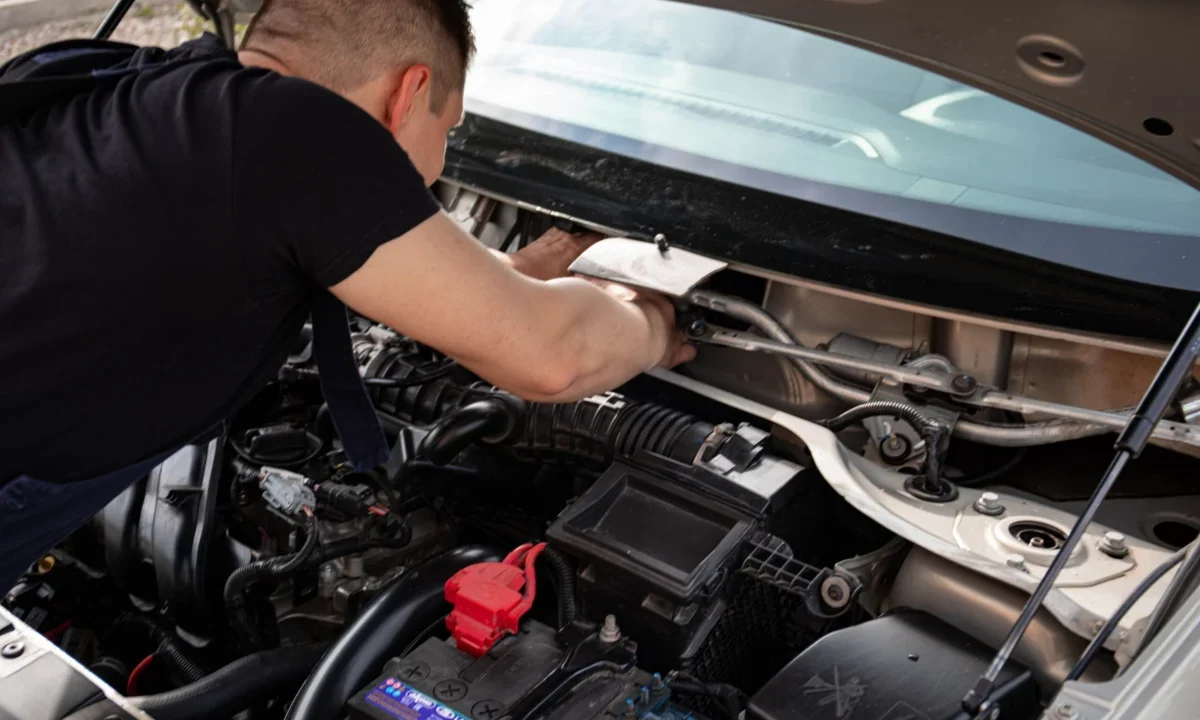



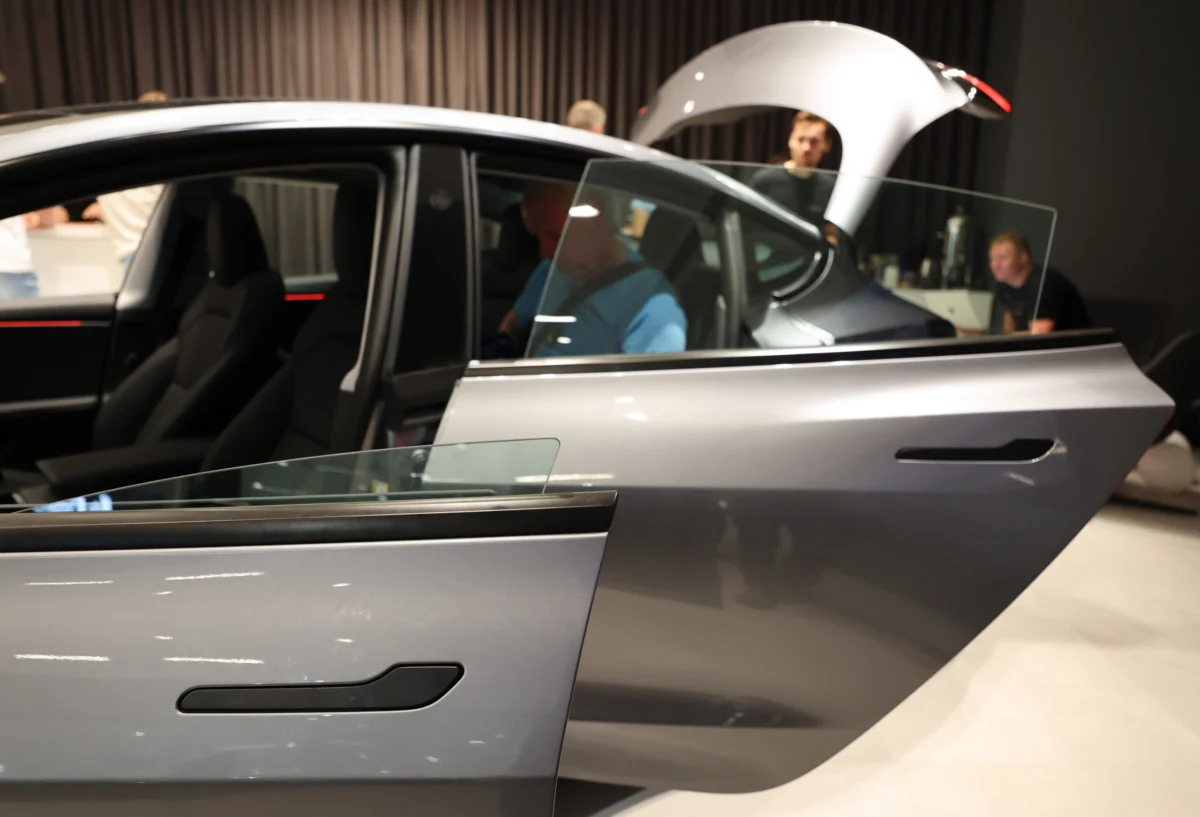
In what is being described as one of the most significant regulatory interventions in the history of the automotive industry, Chinese authorities have forced a massive recall affecting over 4.27 million vehicles. Led by Tesla Inc. and joined by at least eight other major manufacturers, the recall targets a design feature that was once the hallmark of sleek, modern electric vehicle (EV) engineering: the flush, electronically controlled door handle.
This sweeping crackdown by China’s State Administration for Market Regulation (SAMR) marks a definitive turning point in the global debate over vehicle safety versus aesthetics. As the world’s largest auto market, China’s decision to prioritize passenger egress over futuristic design is expected to send shockwaves through the global automotive sector, potentially forcing a permanent change in how electric vehicles are designed and manufactured worldwide.
The Core Issue: Entrapment and the Price of Design
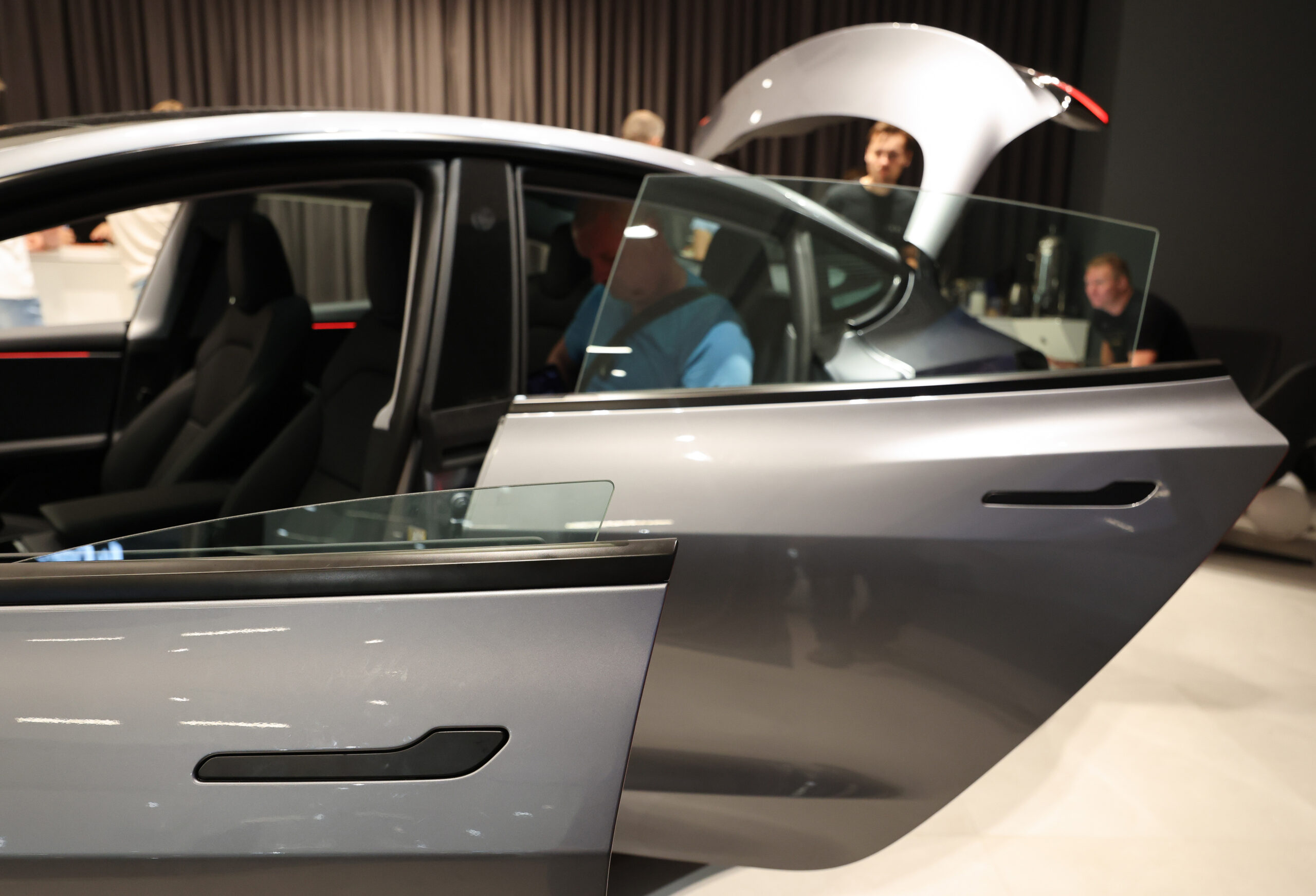
At the heart of the crisis are electrically controlled door handles, which remain flush against the vehicle’s body until triggered by a proximity key or a touch sensor. While these handles improve aerodynamic efficiency—thereby slightly extending range—they have introduced a critical vulnerability. In the event of a high-speed collision where the vehicle’s electrical system is compromised or rendered unresponsive, these doors often fail to open.
The consequences have been lethal. For many, the ability to exit a vehicle within seconds of an impact is the difference between life and death. In several documented instances, occupants of Tesla vehicles survived the initial kinetic impact of a crash, only to perish in subsequent post-crash fires because they—or the first responders attempting to reach them—could not gain entry to the cabin.
Investigations by Bloomberg News have previously highlighted at least 15 deaths across a dozen separate incidents, all involving the inability to bypass the electric locking mechanisms after a catastrophic power loss. These reports also noted that internal concerns regarding these door systems were raised during the development phase at Tesla, though Chief Executive Officer Elon Musk reportedly insisted on retaining the electric-only configuration for its aesthetic appeal.
Chronology: A Escalating Regulatory Battle
The path to this massive recall was not sudden; it was the result of a years-long accumulation of safety data and increasing public outcry.
- 2023–2024: Mounting reports of vehicle entrapment in China and the U.S. began to garner attention from safety advocates. The trend of "flush handles" became a point of contention during safety evaluations.
- Early 2026: China takes a global lead by officially banning the design of concealed door handles on new electric vehicles. This regulatory move followed a series of high-profile, fiery crashes involving Xiaomi Corp. vehicles.
- August 2026: The SAMR initiates a sweeping recall. The announcement, released on a Friday, mandates that affected carmakers—including Tesla, Xiaomi, and Zhejiang Leapmotor—take immediate corrective action.
- Present Day: Manufacturers are now tasked with the logistics of updating software and hardware for over 4 million vehicles, marking one of the largest coordinated safety campaigns in automotive history.
Supporting Data: The Scale of the Recall
The scope of the recall is staggering, involving nine distinct manufacturers and a combined total of roughly 4.27 million vehicles. Tesla, the most prominent player in the EV space, bears the brunt of the action.
Breakdown of the Recall
| Manufacturer | Number of Vehicles Affected |
|---|---|
| Tesla Inc. | ~2.95 Million |
| Xiaomi Corp. | 390,435 |
| Zhejiang Leapmotor | 371,200 |
| Other Manufacturers | ~558,365 |
| Total | 4,270,000+ |
For Tesla, this is a double blow. On the same day the door-handle recall was announced, the company was also forced to initiate a separate recall of approximately 2.7 million vehicles to address issues with its driver-assistance technology. This second recall focuses on ensuring that the software effectively monitors driver attentiveness, a prerequisite for the safe operation of semi-autonomous driving features.
Official Responses and Remediation
The SAMR has been explicit in its reasoning for the recall, stating that the current door systems "could hinder occupants from quickly opening the doors to escape and impede rescue efforts by those outside the vehicle, posing a safety hazard."
Tesla’s Corrective Measures
Tesla has committed to a two-pronged approach to rectify the safety risk:
- Software Overhaul: The company will deploy an over-the-air (OTA) update that automatically lowers the windows in the event of a detected accident, providing an alternative egress point or a way for rescuers to reach the interior door release.
- Physical Labeling: In a more manual approach, Tesla will affix visible warning labels to the vehicle interiors, clearly indicating the location of the emergency manual door releases. This addresses the common issue where passengers—and even first responders—are unaware that a manual override exists.
While these measures are seen as a necessary stopgap, critics argue that they are a "patch" rather than a fundamental solution. The debate continues to rage regarding whether a mechanical, always-accessible handle should be a mandatory requirement for all vehicle types.
Global Implications: Is the Era of Flush Handles Over?
The influence of the Chinese market on global automotive design cannot be overstated. As the world’s largest producer and consumer of EVs, China’s regulatory environment often sets the de facto standard for the industry.
The U.S. Response
The pressure is also mounting in the United States. Last month, U.S. auto safety regulators announced that they would begin the formal process of establishing new federal rules to address the dangers of "unsafe door handles." The National Highway Traffic Safety Administration (NHTSA) is currently investigating specific Tesla Model Y vehicles following complaints of entrapment. Furthermore, U.S. lawmakers have introduced legislation that would mandate mechanical door releases in all new vehicles, ensuring that first responders can always gain entry, regardless of the vehicle’s power status.
The Future of Automotive Design
For car manufacturers, this recall serves as a cautionary tale about the perils of prioritizing "minimalist" design at the expense of fundamental safety. The industry is currently in a race to develop vehicles in roughly half the time it took legacy automakers, a trend driven by fierce competition from Chinese startups. However, this speed-to-market strategy is now under intense scrutiny.
"This is one of the largest vehicle recalls for the same kind of quality issue in China," noted Li Yanwei, an adviser to the China Automobile Dealers Association. His sentiment reflects a broader industry concern: when safety features are treated as an afterthought to design, the resulting recalls can be both financially and reputationally devastating.
Conclusion
The massive recall in China is more than just a logistical headache for Tesla and its peers; it is a profound indictment of a design trend that has arguably prioritized form over function. As global regulators move to harmonize safety standards, the automotive industry must confront a difficult truth: in the high-stakes environment of a modern car crash, the most sophisticated software in the world is no substitute for a simple, reliable, and accessible mechanical door handle.
For the millions of drivers affected by these recalls, the coming months will involve software updates and trips to service centers. For the manufacturers, the challenge will be to rebuild trust in a climate where safety, not innovation, is the primary metric by which they will be judged.
