





By Alejandra Carranza | August 25, 2026
In a strategic move designed to capitalize on the surging demand for nearshoring and robust trade corridors, global logistics leader Crowley has officially launched a new, direct ocean service connecting Guatemala and Honduras to the Port of Houston. This weekly maritime route is specifically engineered to cater to the time-sensitive nature of fresh produce and consumer goods, marking a significant milestone in the company’s ongoing efforts to streamline supply chains between Central America and the United States.
The service, which features Thursday departures, is poised to arrive at Port Houston on September 10, signaling the start of a regular cadence that Crowley executives believe will provide shippers with the reliability and speed necessary in today’s volatile global market.
Main Facts: Strengthening the North-South Trade Corridor
The new service is not merely an addition to Crowley’s existing portfolio; it is a calculated response to evolving trade patterns. By establishing a direct link between the bustling terminals of Central America and the logistical powerhouse of Houston, Crowley aims to mitigate the transit delays that have plagued regional supply chains in recent years.
Key features of the service include:
- Operational Frequency: A dedicated weekly schedule ensuring predictable transit times.
- Cargo Versatility: The vessels are equipped to handle both dry and refrigerated (reefer) containers, essential for the high-volume movement of perishable fruits, vegetables, and temperature-sensitive food products.
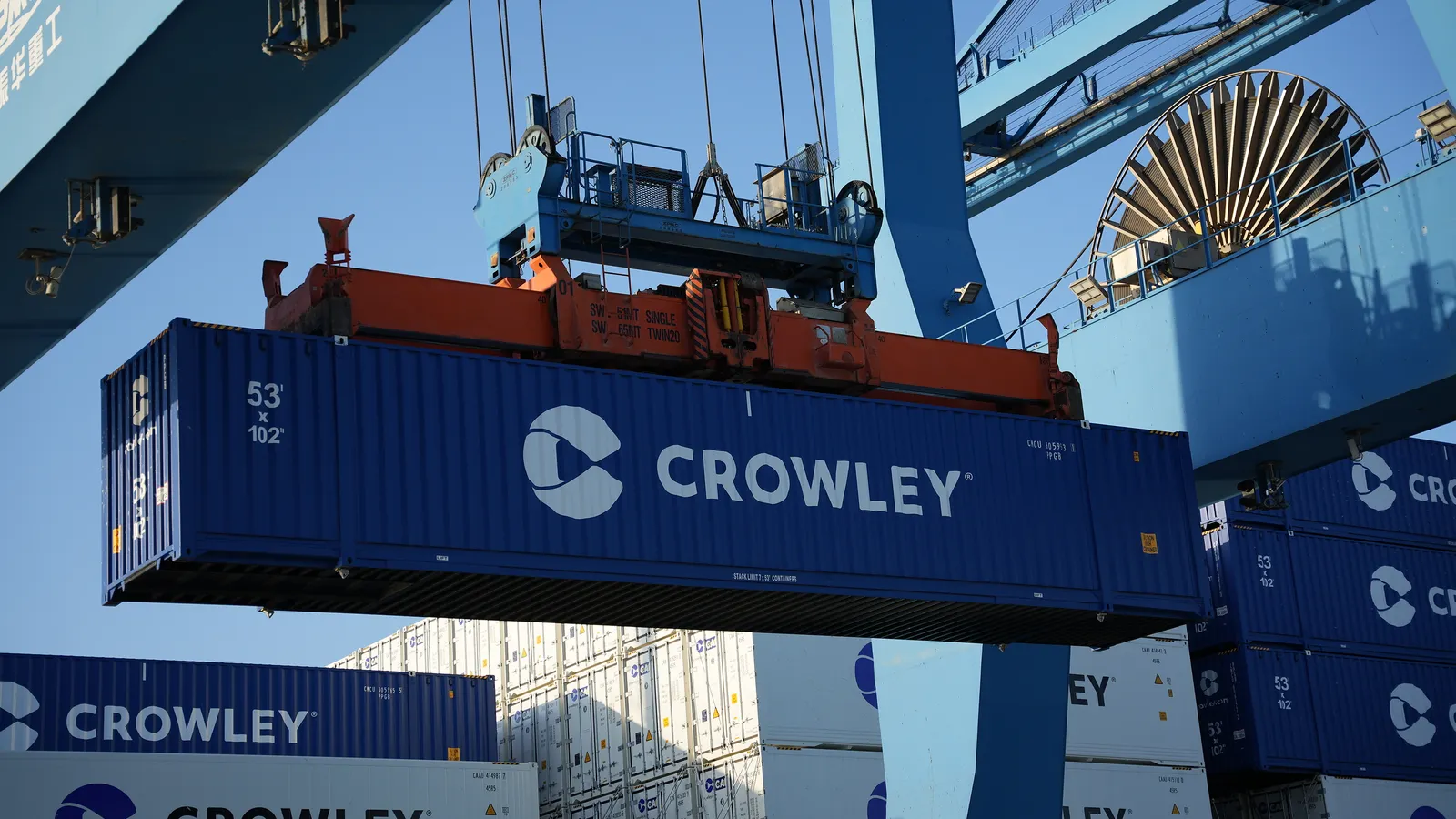
- Intermodal Integration: A core component of the offering is the utilization of 53-foot containers. These larger units are specifically designed to optimize intermodal efficiency, allowing for a seamless transition from sea-to-land transport and providing shippers with increased capacity per shipment.
- Strategic Gateway: By anchoring the route at Port Houston, Crowley leverages one of the most efficient maritime gateways in the U.S., which offers superior connectivity to the American heartland and the broader North American distribution network.
A Chronology of Strategic Growth
Crowley’s expansion into this specific corridor did not happen in a vacuum. It follows a multi-year strategy of deepening its presence in the Caribbean Basin and Central America.
- Pre-2025 Foundation: For several years, Crowley has been incrementally increasing its investments in terminal operations in Guatemala and Honduras. These investments focused on port infrastructure, digital tracking capabilities, and workforce training to ensure that the terminals could handle increased container throughput.
- Early 2026 Planning: Recognizing the uptick in export volumes, Crowley’s logistics division conducted a comprehensive market analysis, identifying a "logistical gap" for refrigerated cargo heading into the U.S. Gulf Coast.
- Mid-2026 Finalization: Throughout the second and third quarters of 2026, the company finalized vessel deployments and secured the necessary terminal slots at Port Houston to ensure that the new service could maintain its promised Thursday-to-arrival cadence.
- August 25, 2026: Formal announcement of the service, with the inaugural voyage scheduled to land in Houston on September 10.
Supporting Data: The Surge in Central American Exports
The necessity of this new route is supported by compelling economic data. According to the Inter-American Development Bank (IDB), Central American exports to the United States grew by 5.1% in value during the first quarter of 2026 compared to the same period in 2025.
This growth is driven primarily by a shift in U.S. sourcing strategies. As companies look to diversify their supply chains away from over-reliance on Asian manufacturing, the "nearshoring" trend has gained significant traction. Central America, with its geographic proximity to the U.S., has become a preferred hub for agriculture and light manufacturing.
Furthermore, the rise in fresh produce consumption—a segment that requires "cold chain" integrity—has created a specific demand for the refrigerated container technology Crowley is deploying. When shippers choose the new Houston-bound service, they are opting for a route that minimizes the time produce spends in transit, thereby reducing spoilage and increasing shelf life, which directly impacts the bottom line for U.S. retailers and distributors.
Official Responses and Strategic Outlook
The launch of this service represents a pivot toward customer-centric logistics. In a statement regarding the service, Crowley leadership emphasized the importance of adaptability.

"We designed this route to support current market demand while creating room for future growth," noted a company spokesperson. "As with any new service, we will continue to evaluate customer demand and market conditions and make decisions based on what delivers the greatest value for our customers."
For Crowley, Port Houston is more than just a destination; it is a critical node in their broader ocean network strategy. By consolidating cargo into a high-capacity, high-frequency route, the company is attempting to achieve economies of scale that can stabilize shipping costs for their clients. The focus on 53-foot containers is particularly noteworthy, as it reflects a desire to align maritime shipping with the standard trailer sizes used in U.S. trucking, thereby reducing the "re-handling" of cargo at the port, which is a major source of cost and delay.
Implications: What This Means for the Supply Chain
The introduction of this route has several profound implications for the logistics industry:
1. Competitive Pressure on Regional Logistics
The entrance of a major player like Crowley with a high-efficiency, dedicated service will likely force competitors to re-evaluate their own service offerings. Shippers can expect a more competitive pricing environment and potentially faster transit times as carriers vie for the growing Central American export market.
2. Boost to Nearshoring Initiatives
Reliable, fast, and high-capacity shipping is the backbone of any successful nearshoring strategy. By providing a dependable "umbilical cord" between Central American production facilities and the U.S. market, Crowley is lowering the barrier to entry for companies considering shifting their operations to the region.

3. Impact on Fresh Produce Availability
Consumers in the U.S. may see a more consistent supply of seasonal fruits and vegetables. The reduction in transit time provided by this direct route means that produce can reach grocery store shelves with higher quality and longer remaining shelf life, potentially reducing food waste at the retail level.
4. Port Houston’s Continued Ascendancy
This move reinforces Port Houston’s status as a critical maritime gateway. As the port continues to invest in its own infrastructure—including crane capacity and terminal space—the addition of regular, high-volume services from Central America solidifies its importance in the global logistics hierarchy.
5. Long-term Sustainability
As the logistics sector faces increasing pressure to decarbonize, the optimization of shipping routes becomes paramount. By utilizing larger containers and more direct routing, Crowley is effectively reducing the carbon footprint per ton of cargo transported. This is a critical factor for multinational corporations that have set ambitious Scope 3 emissions reduction targets.
Conclusion
As the global economy continues to navigate the complexities of post-pandemic recovery and the shift toward more regionalized supply chains, Crowley’s new Houston-Central America service stands as a testament to the importance of infrastructure investment. By listening to the demands of the market and aligning its operational assets with the needs of the agricultural and consumer goods sectors, the company has positioned itself as a pivotal facilitator of trade.
Whether this service will expand to include additional ports or increased frequency remains to be seen. However, given the current growth trajectories for Central American exports, it is highly likely that the Port of Houston will become an even busier hub for international commerce in the years to come. For now, shippers have a new, robust option that promises to bridge the gap between Central American output and U.S. consumer demand, setting a new standard for efficiency in the Gulf Coast region.
