


In the high-stakes, hyper-caffeinated world of Silicon Valley "biohacking," the pursuit of immortality has long shifted from the realm of science fiction to the clinical boardroom. The latest development, a mysterious injectable treatment dubbed "1 Generation," has sent shockwaves through the longevity community, promising to reawaken the body’s innate repair mechanisms and arrest the systemic spread of aging. Yet, as the hype cycle accelerates, questions regarding transparency, safety, and the true efficacy of this proprietary cocktail remain as clouded as the secret formula itself.
The Pitch: A Secret Cohort for the Elite
The marketing campaign for Generation Lab’s new therapeutic is nothing if not exclusive. Rather than a standard pharmaceutical rollout, the company has opted for a "private cohort" model, extending invitations to a hand-picked group of high-profile individuals—celebrities, venture capitalists, and influencers—whose endorsement carries significant weight.
According to Generation Lab CEO Alina Su, the waiting list is extensive, populated by names familiar to the public and the tech-elite alike. "We’re super excited to let you know that this first longevity therapeutic in the human body is here, and it’s actually working," Su stated during a recent conference call.
The treatment—a combination of two existing, generic drugs—is being administered under the supervision of physicians known for practicing alternative and regenerative medicine. However, the company’s refusal to disclose the identity of the two drugs has triggered a wave of skepticism. In an industry already rife with "too good to be true" claims, the lack of transparency is a glaring red flag for the broader scientific community, even if it has done little to dampen the enthusiasm of the tech-savvy "happening" crowd.
A Chronology of Science: From Mice to Men
To understand why such a controversial pitch gained traction, one must look at the pedigree of Generation Lab’s founder, Irina Conboy. A veteran researcher formerly of the University of California, Berkeley, Conboy earned her reputation through groundbreaking, if macabre, experiments in parabiosis—the surgical joining of circulatory systems between old and young mice.
The Parabiosis Era (2005–2015)
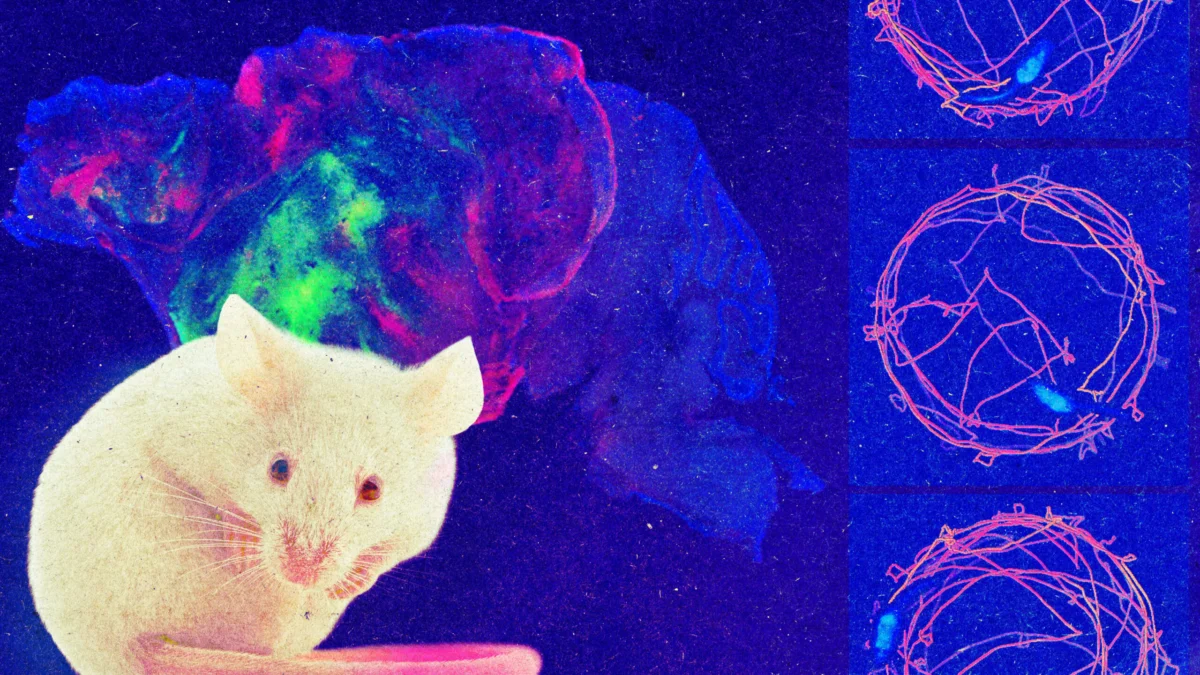
Conboy’s 2005 study in Nature provided the first concrete evidence that the biological environment of a young organism could rejuvenate the tissues of an older one. The experiment showed that when aged mice were joined to their younger counterparts, their capacity to heal from injury increased dramatically. This discovery sparked a gold rush in the biotech sector, with companies like Elevian and Alkahest raising millions to isolate the "youth factors" in blood that could treat Alzheimer’s and stroke.
The Pivot to Plasma Exchange (2020–2025)
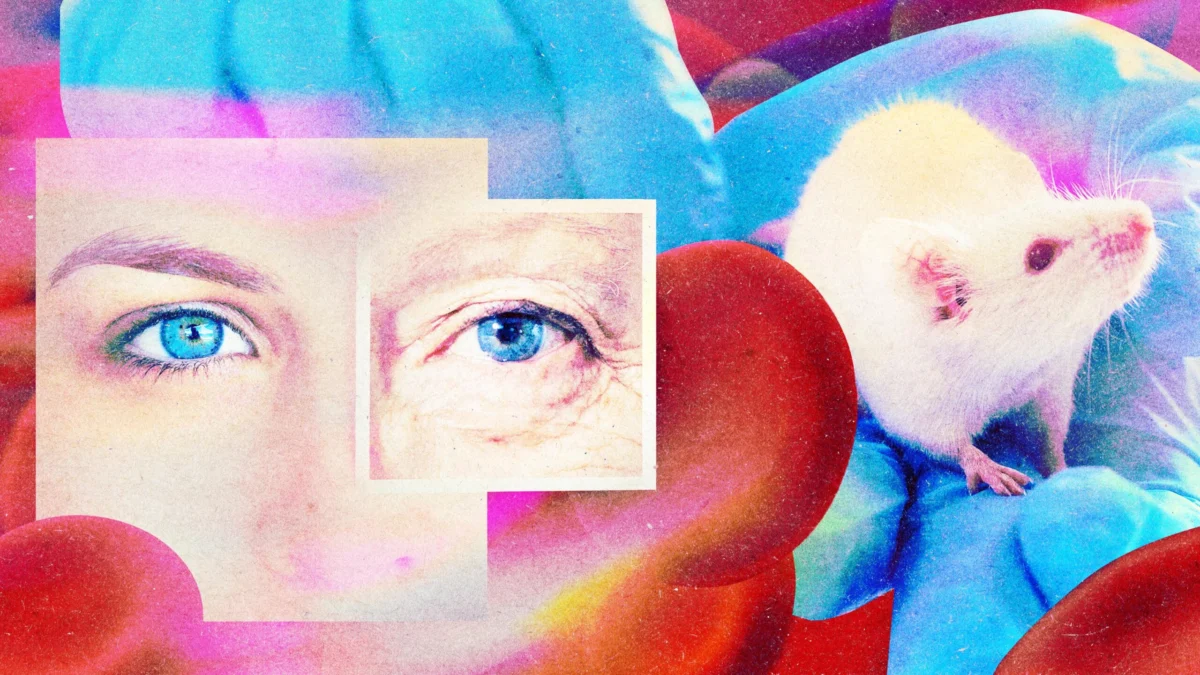
Conboy eventually realized that parabiosis had a fatal flaw: "Old blood dominates." Even a small amount of plasma from an aged animal can induce rapid decline in a younger one. Consequently, she shifted her focus. In 2020, she pioneered an approach involving the removal of old plasma and its replacement with a neutral mixture of albumin and saline—effectively hitting a "Delete" key on the inflammatory, age-related debris circulating in the blood.
The results were profound. Within two years, human volunteers were undergoing these therapeutic plasma exchanges, a procedure now offered by high-end longevity clinics for fees reaching $10,000 per session.
The Birth of 1 Generation (2025–Present)
Following her retirement from Berkeley in 2025, Conboy joined Generation Lab full-time with a singular goal: to create a drug that mimics the benefits of plasma exchange without the logistical burden of surgery. Utilizing a sophisticated microfluidic device that mimics the human circulatory system, Conboy screened various molecules to find a combination that could prevent tissue aging even in the presence of "old" blood. The result is "1 Generation," a treatment she claims neutralizes pro-aging factors while simultaneously stimulating cellular regeneration.
Supporting Data: Anecdotes vs. Evidence
The evidence currently supporting "1 Generation" is, at best, preliminary and, at worst, anecdotal. The company’s public relations team has provided a spreadsheet of "benefits" reported by early participants. These range from the mundane to the extraordinary: improved vision in a 64-year-old, increased endurance during landscaping and badminton, improved hand grip strength, and reports of "better erections than with Viagra."
Dr. Matt Cook, founder of BioReset Medical and a physician involved in the administration of the treatment, admits his initial skepticism. "My confidence this was going to work was zero," Cook says. "These are two safe, generic drugs that are not even classified as longevity drugs."
Yet, after self-administering the injections, Cook reported a surprising sense of mental clarity that persisted for days, alongside the resolution of chronic aches and pains. "There was a fairly significant, broad set of symptoms that doesn’t really match what either of the drugs do," he noted. "I still feel like I don’t understand exactly what the mechanism is."
Official Responses and Ethical Friction
The operational strategy of Generation Lab is unconventional. While they plan to launch a larger, free-to-the-public clinical trial, they are simultaneously allowing physicians to prescribe the drug off-label to private patients. This has invited significant scrutiny from mainstream medical practitioners who fear that the "biohacker" culture is bypassing the essential safety checks of the FDA.
When pressed on the secrecy surrounding the ingredients, CEO Alina Su maintains that the company is protecting itself from imitators. Because the drugs are already on the market, Generation Lab cannot patent the molecules themselves. Instead, they are relying on an FDA pathway that grants a short period of exclusivity (roughly three years) if a company can prove that an existing drug has a "new use."
Dr. Jeffrey Gladden, a longevity specialist whose Texas clinic is participating in the upcoming study, captures the current sentiment among those in the room: "I will say right now, candidly, it’s an unknown how it will play out. But there’s certainly a lot of enthusiasm based on the quality of her [Conboy’s] work in the past. I am skeptical and optimistic at the same time."
Implications for the Future of Longevity
The implications of "1 Generation" go far beyond the potential for personal rejuvenation. If Conboy’s hypothesis holds, the pharmaceutical industry could be on the verge of a paradigm shift where aging is treated as a metabolic condition rather than an inevitability.
However, the intersection of this science with the "influencer" culture of Silicon Valley poses a unique danger. The event scheduled for August 28, featuring luminaries like Harvard’s George Church and leaders from AI firm Anthropic, highlights the blurring lines between scientific rigor and marketing-driven hype. When the promise of "curing" aging is tied to private cohorts and secret formulas, the public’s ability to distinguish between a genuine medical breakthrough and an expensive placebo is significantly compromised.
For now, the scientific community remains in a state of watchful waiting. While the pedigree of the researchers involved commands respect, the reliance on self-reported "well-being" scores and the lack of peer-reviewed data regarding the drug’s mechanism of action means that "1 Generation" remains a gamble. As one observer put it, the history of longevity medicine is littered with "miracle" cures that eventually evaporated under the weight of rigorous, double-blind trials.
Until the ingredients are disclosed and the results of the larger, peer-reviewed study are published, the wisest approach remains that of the cautious skeptic. The dream of reversing the biological clock is an ancient one, but in the modern era, it is often best to keep one’s eyes wide open before taking the plunge.
