





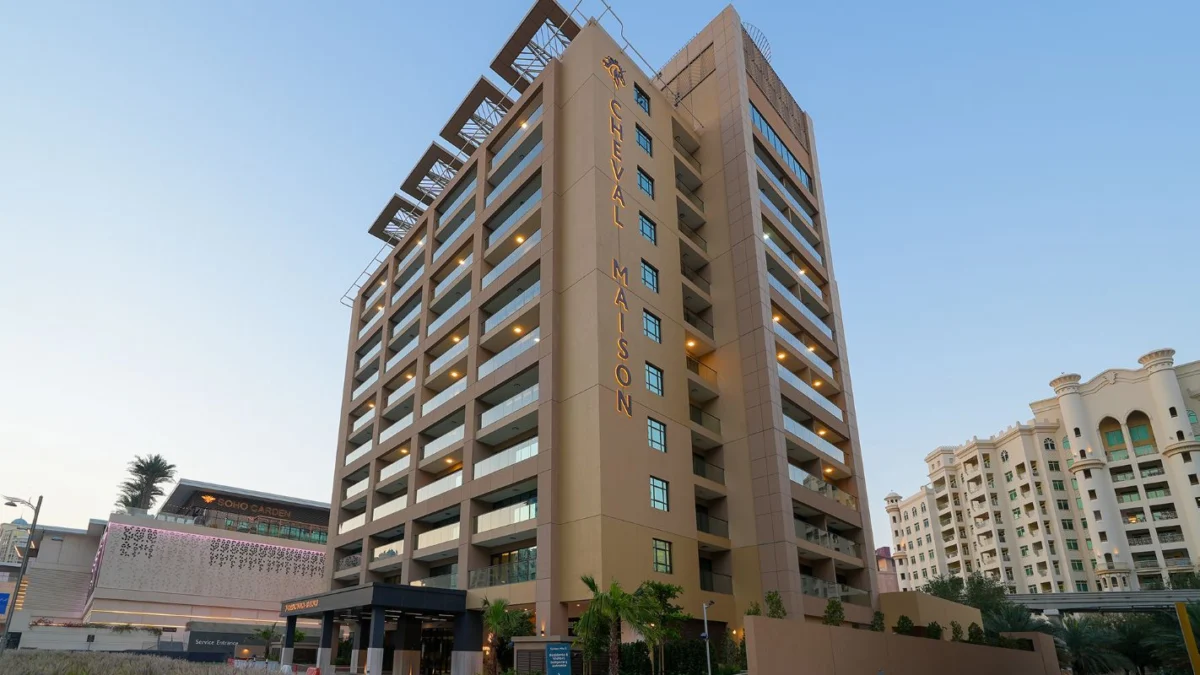
In an ambitious move to solidify its standing in the global luxury hospitality market, UK-based Cheval Collection has unveiled a sweeping growth strategy aimed at doubling its current portfolio within the next few years. The operator, long synonymous with high-end serviced apartments in the United Kingdom, is rapidly shifting its center of gravity toward the Middle East. According to Daniel Johansson, the company’s director of development and acquisitions, this geographical pivot is not merely opportunistic but a fundamental pillar of their long-term expansion roadmap.
As the hospitality sector recovers from global fluctuations and pivots toward experiential, high-utility luxury, Cheval Collection’s dual-model approach—balancing traditional serviced apartments with the burgeoning branded residences sector—positions the firm to capture a diverse cross-section of the ultra-high-net-worth (UHNW) and corporate travel markets.
The Strategic Expansion: Doubling Down on Growth
Cheval Collection currently manages a portfolio of 16 projects, a footprint that has historically been dominated by its domestic UK operations. However, the company’s strategic blueprint involves an aggressive scaling operation that aims to replicate its successful model across high-growth international markets.
The rationale behind this growth is rooted in the evolving demands of the modern traveler. Today’s luxury guest, whether on a business assignment or an extended leisure retreat, increasingly demands the autonomy of residential living coupled with the operational rigor of a five-star hotel. By expanding its global footprint, Cheval is positioning itself to be a ubiquitous presence for guests who prioritize consistency, security, and refined aesthetics.
A Chronology of Entry: From London to Dubai
The narrative of Cheval’s international expansion is intrinsically linked to its successful entry into the United Arab Emirates. The company’s trajectory in the Middle East provides a clear case study in how a legacy hospitality brand adapts to a fast-paced, modern market.
Phase 1: Establishing the Serviced Apartment Foothold
Cheval’s initial foray into the Middle East was marked by the launch of Cheval Maison – The Palm Dubai. This property served as a proof-of-concept, demonstrating that the company’s signature blend of "home-away-from-home" comfort and hotel-grade service could thrive in the competitive Dubai landscape.
The success of The Palm location paved the way for Cheval Maison – Expo City Dubai. These projects operate on a serviced apartment model, catering to medium- to long-stay guests who require self-contained kitchens, dedicated living spaces, and the operational support of housekeeping and front-desk concierge teams. This model has proven resilient, as it appeals to both the corporate "bleisure" traveler and families seeking a premium residential experience.
Phase 2: The Shift to Branded Residences
In April of this year, Cheval Collection signaled a maturation in its business strategy with the announcement of Cheval Residences Dubai Islands. This project represents a departure from the traditional serviced apartment model toward the highly lucrative branded residences sector.
Unlike the rental-only model of the Cheval Maison properties, the Dubai Islands project involves the sale of units to individual owners. This model allows Cheval to tap into the real estate investment market, where owners can opt into a rental program, effectively turning their luxury assets into income-generating properties managed by the Cheval brand. This evolution is slated for completion in 2029, marking a significant long-term commitment to the region.
Supporting Data: The Market Dynamics of Luxury Living
The decision to target the Middle East is backed by robust data regarding regional tourism and real estate trends.
- The "Long-Stay" Premium: Data indicates a growing preference for extended-stay luxury. Unlike traditional hotel guests who stay for 3–5 days, Cheval’s target demographic is trending toward stays of 14 to 90 days. This segment offers higher revenue stability and lower operational turnover costs.
- The Rise of Branded Residences: The branded residence market has seen a 160% growth globally over the last decade. By pivoting to this model in Dubai, Cheval is capitalizing on a market where UHNW individuals increasingly seek "turn-key" luxury properties that carry the brand equity of an established hospitality firm.
- Portfolio Diversification: With 16 projects currently in operation or development, Cheval is balancing its risk profile. By splitting its portfolio between the mature UK market and the high-growth Middle Eastern market, the company hedges against localized economic downturns while leveraging the high-velocity capital flow of the Gulf Cooperation Council (GCC) states.
Official Perspectives: The Visionary Outlook
Daniel Johansson, the architect of Cheval’s development strategy, has been vocal about the importance of alignment between local market needs and the brand’s core identity.
"Our goal is not simply to add properties to a map," Johansson noted in recent discussions. "It is to ensure that every Cheval location—whether in London or Dubai—maintains the intimacy and operational excellence that our guests expect. The Middle East offers a unique regulatory and economic environment that welcomes the branded residence model, allowing us to serve not just the guest, but the investor."
The company’s executive leadership has emphasized that the transition to branded residences does not imply a abandonment of their serviced apartment roots. Instead, they view the two models as complementary. Serviced apartments provide the steady, recurring revenue of hospitality, while branded residences offer capital appreciation and brand presence in premier luxury developments.
Implications: The Future of Hospitality
The aggressive expansion of Cheval Collection carries significant implications for the wider hospitality industry, particularly for European operators looking to scale in the Middle East.
1. Competitive Pressure on Local Operators
As international brands like Cheval enter the Middle Eastern market with a refined, specialized model, local operators may face increased pressure to differentiate their service offerings. The "hotel-style service in a residential setting" is no longer a luxury; it is becoming a standard expectation.
2. The Blurring of Asset Classes
Cheval’s strategy highlights a global trend where the lines between residential real estate and commercial hospitality are blurring. This is not merely an operational shift but a financial one. Investors are now looking for hospitality-backed residential assets that provide both personal usage and professional management, and firms like Cheval are perfectly positioned to act as the intermediary.
3. Sustainability and Design Standards
As Cheval expands, it must grapple with the evolving sustainability mandates in the UAE. Future developments, such as the Dubai Islands project, will likely serve as a testing ground for how luxury brands integrate energy efficiency and sustainable architecture into high-density residential developments—a challenge that will define the next generation of hospitality design.
Conclusion: A Measured Yet Bold Trajectory
Cheval Collection’s ambition to double its portfolio is a testament to the resilience of the luxury hospitality sector. By successfully navigating the transition from a UK-centric serviced apartment provider to a global player with a stake in the branded residences market, the company is demonstrating a rare ability to adapt.
As the company looks toward its 2029 milestone with the completion of its Dubai Islands project, the industry will be watching closely. If the Middle East continues to serve as a reliable growth engine, Cheval may well set the gold standard for how legacy hospitality brands survive and thrive in an increasingly fragmented global market. The strategy is clear: focus on the "stay," provide the service, and leverage the brand—a trifecta that Cheval Collection seems poised to master.
