






In the quiet suburbs of Dallas, Texas, the routine collection of household waste has taken a sinister, high-tech turn. Residents accustomed to the rumble of municipal trucks on trash day are now finding their homes under the scrutiny of an automated eye—a development that is sparking a fierce debate over privacy, municipal overreach, and the socioeconomic impacts of automated code enforcement.
Earlier this year, the city of Dallas integrated AI-powered camera systems onto its fleet of waste collection vehicles. Marketed as a tool for urban management, the technology is designed to scan residential properties as trucks pass by, identifying potential code violations ranging from overgrown lawns and sidewalk obstructions to improper debris disposal. While the city characterizes this as an efficiency measure, critics and local residents are calling it a "digital HOA," arguing that the technology disproportionately targets lower-income neighborhoods and creates a new, automated tax on the city’s most vulnerable residents.
The Mechanics of Surveillance: How "City Detect" Works
The technology driving this surveillance is provided by a company called City Detect. By mounting specialized cameras onto the exterior of standard trash trucks, the system captures high-resolution imagery of residential frontages in real-time. This footage is processed by proprietary artificial intelligence models that have been trained to recognize specific visual markers of "blight."
Once the AI identifies a potential violation—such as a patch of grass exceeding height ordinances or a minor aesthetic blemish like peeling paint on a chimney—it flags the property, assigns it a "blight score," and generates a report for municipal code enforcement officers. According to reports from NBC 5 Investigates, this system has already flagged over 21,000 properties in Dallas alone.
Chronology of Implementation and Pushback
The deployment of City Detect in Dallas was largely rolled out without significant public discourse, framed initially as a benign effort to keep neighborhoods clean. However, as residents began receiving "courtesy notices" for increasingly trivial issues, the reality of the system became clear.
- Early 2026: The City of Dallas begins equipping municipal trash trucks with AI camera arrays.
- Mid-2026: Residents start receiving automated warning letters. The scope of detections includes items like "Lawn, Grass Height, Sidewalk, Debris," and even minor exterior cosmetic issues.
- September 2026: NBC 5 Investigates breaks the story, highlighting the "blight scores" assigned to thousands of homes and the disproportionate impact on specific ZIP codes.
- Late September 2026: Following public outcry, City Council member Chad West proposes a budget amendment to strip funding for the City Detect program.
- Current Status: The motion to defund the cameras has been tabled. The City Manager has agreed to a public hearing on the matter, scheduled for December, to evaluate the efficacy and ethical implications of the program.
Data and Disparity: The Socioeconomic Divide
The most alarming aspect of the City Detect program is its geographic concentration. An analysis of the data reveals that the AI’s "complaints" are not distributed evenly across the city. Instead, they are heavily concentrated in Southern Dallas—an area characterized by a significantly lower median household income compared to the affluent, northern enclaves of the city.
In ZIP code 75216, for instance, the median household income hovers around $41,000. Contrast this with the wealthy northern suburbs where incomes frequently exceed $180,000. While the physical nature of the homes in these two areas differs, the sheer volume of "violations" detected by the AI in the south suggests that the system is functioning as a punitive mechanism against those least able to afford the costs of constant property maintenance.
Real estate broker Ty Williams, who received a notice for "chimney paint," described the situation bluntly: "It’s a money grab. That’s basically what this is all about." For many, the cost of hiring landscapers or contractors to address these AI-flagged "violations" is a financial burden that, if left unaddressed, could lead to fines that further strain household budgets.
Official Responses and Corporate Defenses
The company behind the technology, City Detect, has attempted to assuage fears regarding privacy and potential abuse. In a statement provided to the media, the company’s CEO emphasized the technical safeguards currently in place:
"Our system blurs faces and license plates, doesn’t connect to any law enforcement or federal database, and, by design, requires city staff to review a detection before any action is taken."
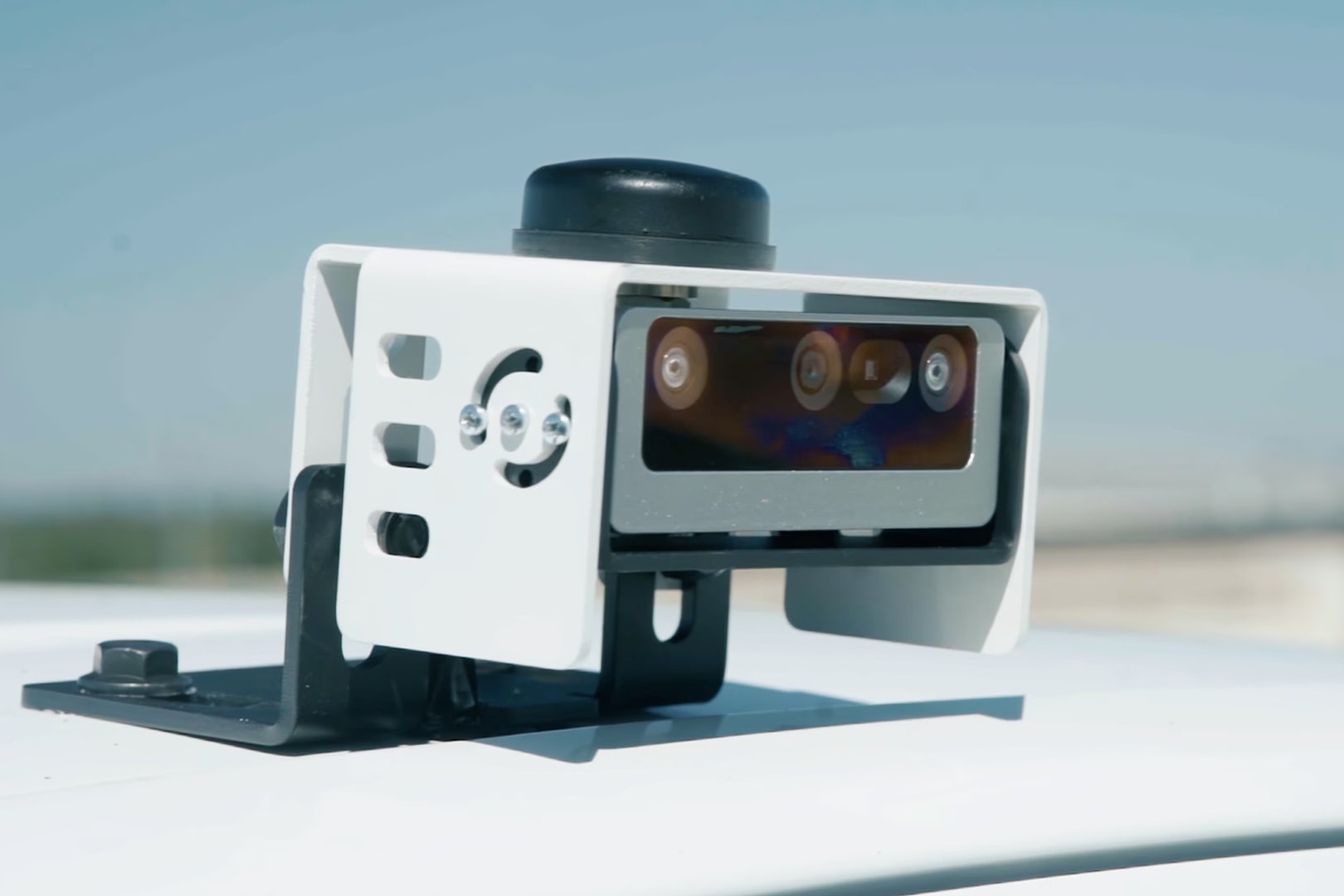
The city maintains that the human-in-the-loop requirement—whereby a code enforcement officer reviews the AI’s findings—provides a sufficient layer of protection against error. However, critics argue that this process is largely performative. Once an AI flags a home, the "social friction" of the accusation is already present. Moreover, municipal staff, already overworked, are likely to lean on the AI’s suggestions rather than conducting a truly independent or objective assessment of the property.
The Broader Implications: Turning Cities into HOAs
The implications of this technology extend far beyond the borders of Dallas. As similar systems are deployed in other cities across at least three states, the fundamental relationship between the citizen and the state is shifting.
1. The Erosion of Privacy and Due Process
The traditional expectation of privacy in one’s home is being undermined by the normalization of constant, automated observation. While the exterior of a home is technically in public view, the aggregation of this data into a "blight score" creates a permanent digital dossier on a citizen’s property. This transforms the municipal government from a service provider into a persistent, automated auditor of private life.
2. Algorithmic Bias and Social Inequality
AI models are not neutral; they are reflections of the data they are trained on. If a model is trained to identify "disorder," it may be inadvertently trained to identify "poverty." By focusing on the visual indicators of low-income housing, the AI effectively creates a feedback loop where lower-income families are subject to more frequent surveillance, more warning letters, and potentially more fines than their wealthier counterparts.
3. The "HOA-fication" of Public Spaces
Homeowners Associations (HOAs) are often criticized for their restrictive covenants and nitpicking enforcement. By adopting this technology, municipalities are effectively imposing HOA-style standards on citizens who chose to live in non-HOA neighborhoods. This represents a significant shift in the role of local government—from ensuring public safety and infrastructure maintenance to enforcing a narrow, aesthetic vision of a "tidy" neighborhood.
A Path Forward: Resistance and Oversight
The delay of the budget amendment in Dallas is a temporary setback for those seeking to curtail this technology. However, it provides a window of opportunity for public engagement. The December hearing will be a critical litmus test for whether city leaders are willing to prioritize the privacy and economic stability of their constituents over the "efficiency" of automated surveillance.
For the rest of the country, the Dallas case serves as a warning. As cities continue to search for ways to streamline operations and increase revenue, AI-powered surveillance will remain an attractive, albeit ethically fraught, solution. If the goal is to create truly vibrant communities, perhaps the focus should shift from policing chimneys and grass heights to investing in the resources that allow residents to thrive.
The "City Detect" saga is not just about trash trucks or code violations; it is a fundamental question about the kind of society we wish to live in. Is the future of our urban environment one of community and support, or is it one of algorithmic monitoring and, ultimately, the policing of poverty? The answer will depend on whether citizens can, as some activists suggest, "complain about it relentlessly" and demand that our public institutions remain human-centric, transparent, and accountable.
As we look toward an increasingly automated future, one thing remains clear: technology that is used to monitor the citizenry without their explicit consent is not a tool of progress—it is a tool of control. The residents of Dallas have started the conversation; it is now up to the rest of the country to decide if they are willing to let the "digital HOA" take hold in their own backyards.
