





In the kitchens, small businesses, and suburban homes of Florida, a quiet, systemic crisis is unfolding. For hundreds of thousands of residents, the dream of accessible, affordable healthcare has effectively evaporated, replaced by a high-stakes gamble with personal health and financial ruin. The expiration of enhanced federal subsidies for the Affordable Care Act (ACA) earlier this year has triggered a mass exodus from the insurance marketplace, leaving a vulnerable population to navigate a landscape where a simple accident or a chronic condition can dismantle a life.
The Human Cost: A "House of Cards"
For 21-year-old Elijah Button, a professional chef in St. Cloud, the reality of the post-subsidy era manifested in a single, visceral moment. While prepping onions in June, his knife slipped, slicing his middle finger to the bone. Under normal circumstances, the injury would have warranted immediate emergency medical attention. Instead, it became a test of survival.
Button, who had been forced to drop his ACA plan in January after a $100 monthly premium hike rendered it unaffordable, lacked the financial cushion to visit a hospital. "Going to the hospital for it wasn’t even an option," Button says, looking at the scar that now marks his hand. "My first thought was, ‘How am I going to fix this?’" With the help of his uncle, Button managed a DIY recovery using butterfly bandages and splints. While he healed, the incident left a psychological mark. "It just feels like I’m living in a house of cards," he admits.
This sense of instability is not unique to Button. Across the state, residents are being forced to choose between essential coverage and the basic costs of living—groceries, gasoline, and housing. For many, the choice has already been made: they have opted out of the system entirely, or they are struggling to maintain coverage that has become increasingly threadbare.
Chronology: From Pandemic Relief to Policy Stagnation
The current crisis has its roots in the legislative battles of late 2025. As the federal subsidies—initially bolstered as part of COVID-19 relief—neared their expiration date, a fierce debate erupted in Congress. Democrats argued for a permanent extension of the assistance, citing the critical need for continuity in healthcare access. However, a fractured Congress and a Republican-led House majority resulted in a legislative stalemate, leading to a record 43-day government shutdown.
When the dust settled, the enhanced subsidies were left to expire. By January 2026, the consequences became immediate. Millions of Americans saw their monthly premiums double or triple overnight. While the Biden administration and various legislative bodies have discussed potential remedies—ranging from fraud-busting initiatives to drug price negotiations—no significant, comprehensive legislation has been passed to fill the void left by the expired funds. Months later, the topic has largely vanished from the floor of Congress, even as the impacts on the ground continue to deepen.
Supporting Data: Florida as the National Epicenter
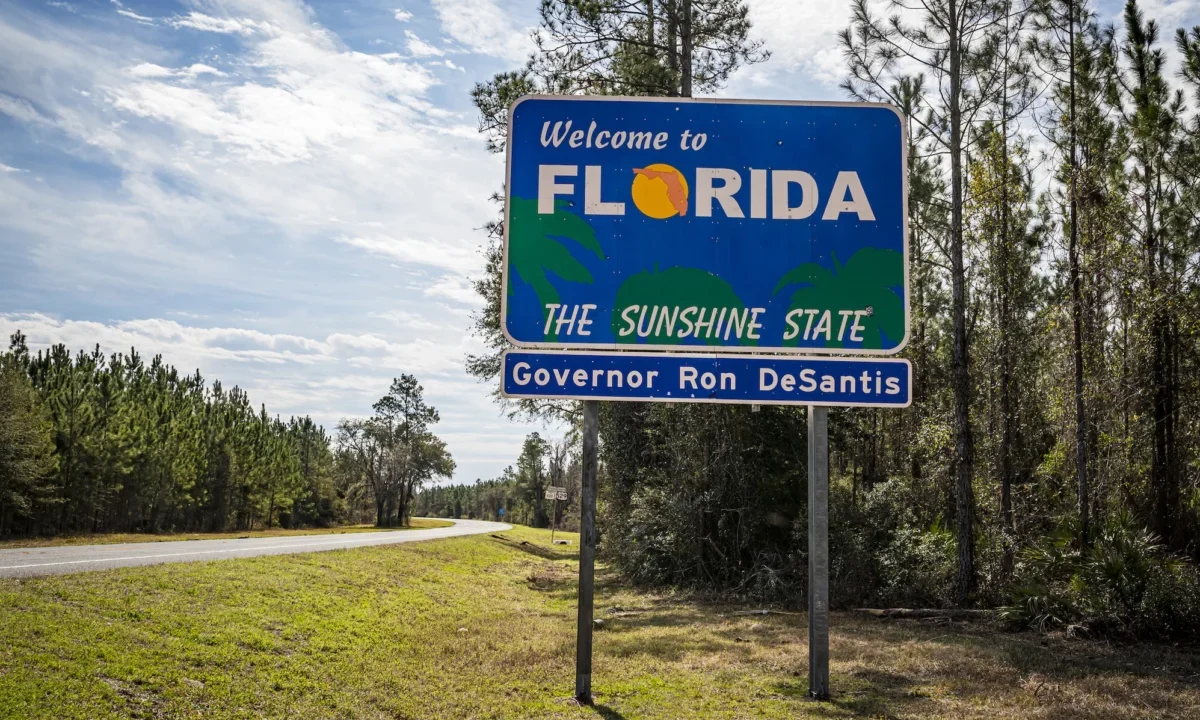
Florida stands as the most visible casualty of this policy shift. Due to a unique combination of demographics—a high concentration of gig workers, entrepreneurs, small business owners, and a legislature that has consistently refused to expand Medicaid—the state relies heavily on the federal marketplace.
Recent figures from the Associated Press reveal that approximately 440,000 Floridians dropped their ACA plans this year. This is the highest number of any state in the nation. With over 3.8 million enrollees, Florida accounts for roughly one-fifth of the entire U.S. ACA population.
Cynthia Cox, vice president at the non-partisan healthcare research nonprofit KFF, notes that for these individuals, the marketplace was often their final line of defense. "When people leave these plans, they are almost certainly going without insurance," Cox explains. The data is backed by industry warnings; health insurers are already projecting another round of double-digit premium hikes for the upcoming year, suggesting that the worst of the crisis may still lie ahead.
The Anatomy of Financial Despair: A Case Study
For those who have managed to keep their insurance, the struggle has simply shifted from "coverage" to "sustainability." Tracy Rand, a 51-year-old mental health counselor from Leesburg, illustrates the harrowing trade-offs required to stay insured.
After undergoing surgery for benign tumors, Rand developed severe, chronic health issues, including debilitating hot flashes and an overactive bladder. Her medication regimen requires over 30 different pills and supplements daily. When her ACA plan premiums were slated to jump from $55 to $1,100 per month, she was forced to downgrade to a plan with significantly higher deductibles and copays, costing $160 a month.
To afford this, Rand has effectively dismantled her life. She dropped out of a doctoral program, abandoned her social life, and started shopping at discount grocery stores. Even so, the specter of future rate hikes looms over her household. "I don’t know what else we can get rid of," she says, clearly exhausted by the mounting pressure. "I don’t know if we’re going to have to file bankruptcy."
The Role of Charitable Clinics
As the federal safety net frays, local charitable clinics have become the last refuge for the uninsured. In Orlando, Grace Medical Home offers a glimpse into both the necessity and the limitations of this model. Providing comprehensive care for a nominal $5 fee, the clinic serves those who have been priced out of the private market.
Tarsha Watson, 54, found her way to Grace after losing her job and being quoted $600 for monthly insurance. "It’s very hard out here," Watson says, noting that while the clinic provides life-saving guidance on managing her blood sugar, it is a band-aid on a much larger, structural wound.
Stephanie Garris, the CEO of Grace Medical Home, notes that while they are one of 110 such facilities in Florida, the demand far outstrips their capacity. "Would I love to double that, triple that? Of course," Garris says. "But the reality is, with the huge number of uninsured that we have, it’s just not possible."
Official Responses and Political Implications
The healthcare crisis has become a central, if contentious, issue in Florida’s political landscape. In districts like the one represented by Democrat U.S. Rep. Darren Soto—which covers areas near major tourism hubs where employers rarely offer benefits—the cost of care is the primary topic at town halls.
Soto, who voted to save the subsidies, argues that the lack of congressional action is a failure of leadership. On the other side of the aisle, many Republican candidates have focused their rhetoric on fraud prevention and promoting health savings accounts (HSAs) as a market-based solution. However, to those on the ground, these policy proposals feel distant and insufficient.
"They keep trying to make excuse after excuse," says Elijah Button, reflecting the frustration of many voters. "I don’t have six months to a year to wait for you guys to pass this through the hoops that you need to."
Implications for the Future
The situation in Florida serves as a grim preview of what could happen on a national scale if healthcare costs continue to climb without federal intervention. The combination of rising premiums, the rejection of Medicaid expansion in several states, and the expiration of support programs creates a "perfect storm" for the American middle class.
As the next election cycle approaches, the divide between those who believe the ACA must be subsidized to ensure universal access and those who believe in shifting toward private, market-based mechanisms will only widen. For now, however, the human impact is clear: thousands of Floridians are living on the edge, waiting for a legislative solution that, for many, is already too late. The "house of cards" continues to sway, and for those living inside it, every day is a gamble against the inevitable.
