



Introduction: A Fragile Foundation Under Siege
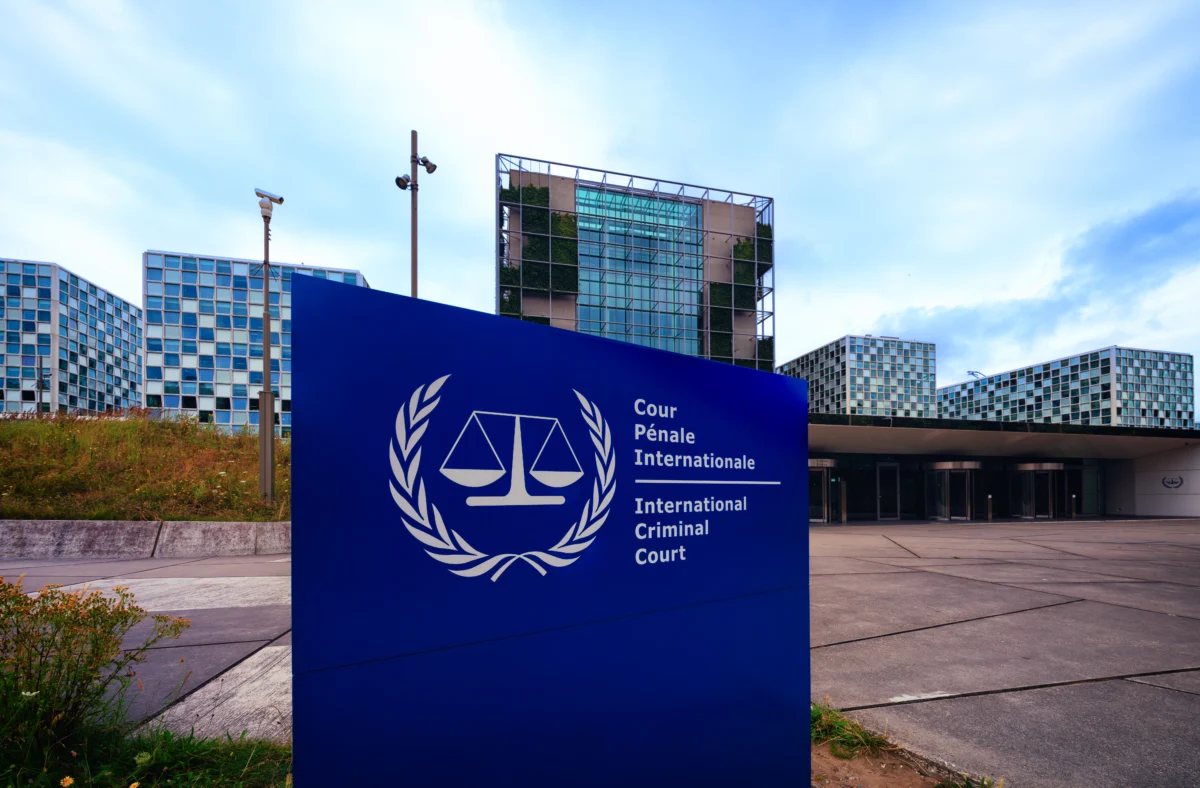
In a move that has sent shockwaves through the international legal community, a group of United Nations human rights experts issued a clarion call on Friday, urging member states of the International Criminal Court (ICC) to take immediate, unified action. The appeal comes in the wake of an aggressive new wave of sanctions imposed by the United States government targeting senior ICC officials.
The experts argue that these punitive measures represent more than a diplomatic spat; they are a calculated attempt to dismantle the institutional architecture of international justice. By targeting the very individuals tasked with investigating the world’s most heinous crimes, the US administration is accused of emboldening perpetrators of atrocities and threatening the foundational principles of accountability that have been established since the post-World War II era.
The Core Conflict: Escalating Tensions and New Penalties
The latest round of sanctions, announced by the US Department of State on August 18, 2026, represents a significant hardening of Washington’s stance toward The Hague. The measures specifically target ICC President Tomoko Akane and Senior Trial Lawyer Abdoulaye Seye.
The penalties are severe and personal. They include the freezing of all assets held within US jurisdiction, a blanket ban on entering US soil, and a prohibition on utilizing any American-linked financial services or credit cards. Secretary of State Marco Rubio, in a stark public statement, justified the move by characterizing the ICC as “corrupt and fatally politicized.”
The US government’s rhetoric has been increasingly confrontational, with official policy documents explicitly outlining an intention to “systematically dismantle” the ICC. Washington maintains the erroneous claim that the Court’s jurisdiction constitutes an infringement on American sovereignty, particularly when those investigations involve US citizens or key geopolitical allies like Israel.
Chronology of Confrontation: A History of Sanctioning Justice
To understand the current crisis, one must look at the long, contentious history between the US and the ICC. The relationship has rarely been stable, but it has fluctuated between begrudging cooperation and outright hostility.
The 2020 Precedent
The most notable precursor to the current situation occurred in 2020, during the Trump administration’s first term. Under Executive Order 13928, the US imposed sanctions on then-Chief Prosecutor Fatou Bensouda and senior official Phakiso Mochochoko. These measures were in direct retaliation for the ICC’s investigation into alleged war crimes committed by US military personnel and intelligence officials during the conflict in Afghanistan.
The Biden Interlude
The Biden Administration eventually rescinded those sanctions in 2021, a move that many at the time hoped would signal a return to multilateral cooperation. However, the reprieve was short-lived.
The Gaza Catalyst
The current escalation is inextricably linked to the ongoing war in Gaza. Following the ICC’s decision to issue arrest warrants for high-ranking Israeli officials, including Prime Minister Benjamin Netanyahu and former Minister of Defence Yoav Gallant, the US intensified its campaign against the Court. Since 2025, a series of judicial figures—including former Prosecutor Karim Khan and judges Beti Hohler and Reine Alapini-Gansou—have found themselves on US sanctions lists.
Legal Implications and Violations of International Law
The UN experts, in their statement, underscored that these sanctions do not exist in a vacuum; they carry profound legal implications that undermine the integrity of the Rome Statute, the treaty that governs the ICC.
Article 70 of the Rome Statute
Central to the experts’ argument is Article 70 of the Rome Statute, which provides explicit protections for court officials. This article is designed to shield prosecutors, judges, and staff from coercion, threats, or retaliation. By weaponizing financial systems against these individuals, the US is arguably in direct violation of these international protections.
The Extraterritorial Reach
The extraterritorial nature of these sanctions—effectively forcing foreign institutions to choose between serving the ICC and maintaining access to the US financial system—creates a "chilling effect." International legal experts warn that this prevents the Court from functioning effectively, as witnesses, staff, and officials are forced to worry about their personal financial security rather than the pursuit of justice.
Official Responses and Global Reaction
The international community remains deeply divided. While the US maintains that its actions are necessary to protect its citizens from “illegitimate” judicial overreach, the response from the ICC and its member states has been one of condemnation.
The ICC’s Stance
The ICC has formally deplored the latest sanctions, describing them as a “blow to international accountability.” In official filings, the Court has emphasized that it is an independent judicial institution and that its mandates are derived from the consent of over 120 member states.
Advocacy Groups
Organizations such as the International Bar Association (IBA) have labeled the US campaign an “intimidation tactic” that undermines the rule of law. They argue that if the world’s most powerful nation can successfully bully an international court, it sets a dangerous precedent that will be exploited by authoritarian regimes worldwide to evade scrutiny for war crimes, crimes against humanity, and genocide.
The Critical Juncture: Why This Matters for the Future
We are currently at a defining moment for international law. The experts’ warning on Friday was clear: if the US policy of “dismantling” the ICC succeeds, it will roll back decades of progress.
The Legacy of Nuremberg
The current legal framework, which holds individuals accountable for atrocities, was forged in the fires of the Nuremberg and Tokyo trials. It was further strengthened by the international criminal tribunals for the former Yugoslavia and Rwanda. By targeting the ICC, critics argue the US is effectively signaling that it prefers a world governed by power rather than a world governed by law.
The Impact on Victims
Perhaps the most significant casualty in this geopolitical tug-of-war is the victim. For those who have suffered the most egregious violations of human rights, the ICC often represents the final—and only—avenue for justice. If the Court is crippled by sanctions and denied the necessary cooperation to execute warrants, that hope for justice is extinguished.
Supporting Data and Future Outlook
As of mid-2026, the diplomatic pressure on ICC member states is mounting. The UN experts are calling for a "bold" response, which may include:
- Diplomatic Counter-Measures: Member states could issue collective diplomatic protests or consider reciprocal measures against those who obstruct the court’s work.
- Financial Protective Mechanisms: Proposals are circulating for the establishment of independent financial channels to support ICC operations that are immune to US-linked banking disruptions.
- Strengthening the Rome Statute: Increased efforts to encourage universal ratification, thereby increasing the political cost for any nation that seeks to isolate the Court.
However, the path forward remains uncertain. The US, with its control over the global financial system, maintains significant leverage. As the war in Gaza continues and other regional conflicts draw the ICC’s attention, the tension between American national interest and the demands of international justice will only grow.
Conclusion: A Test of Global Will
The call to action from UN experts is a stark reminder that international institutions are only as strong as the collective will of the nations that support them. The US sanctions against Tomoko Akane and Abdoulaye Seye are not just an attack on two individuals; they are a direct challenge to the idea that there is a set of rules that apply to everyone, regardless of their political or military power.
The international community must now decide: will it stand by as the institutional pillars of justice are systematically dismantled, or will it find the resolve to defend the Court? The outcome of this struggle will define the landscape of international justice for generations to come. As the experts warned, the time for passive observation has passed; the survival of the Court depends on a unified, urgent, and global defense of the rule of law.
