





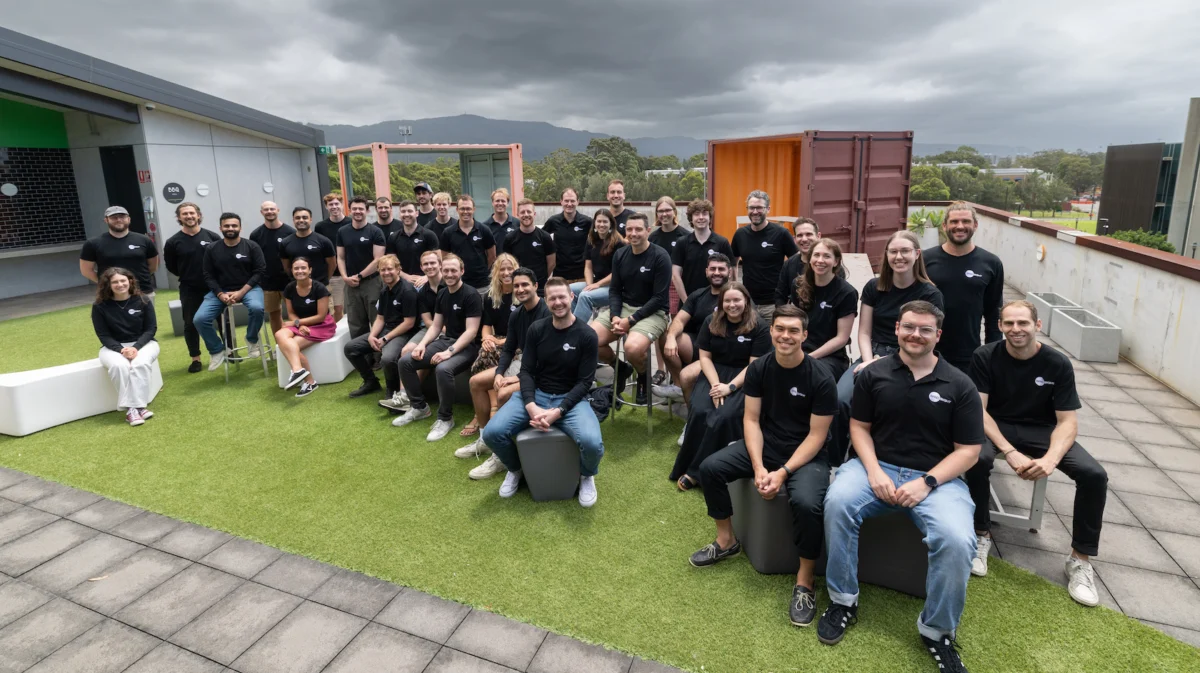
In an era where the global energy transition is testing the physical limits of aging electrical infrastructure, Sydney-based software firm Gridsight has emerged as a pivotal player in the effort to modernize grid management. The company has successfully closed a US$26 million (A$36 million) Series B funding round, a significant injection of capital aimed at scaling its AI-driven capacity management platform to meet the surging demands of a decarbonizing economy.
The funding round was led by New York-based venture capital firm Insight Partners, with participation from Galvanize Climate Solutions. The round also saw strong follow-on support from Gridsight’s existing investor base, including Airtree Ventures, Energy Transition Ventures, and Aera VC. This latest capital infusion marks a rapid acceleration for the startup, which just 16 months ago secured a A$7.5 million Series A round that famously attracted the backing of Australian cricket captain Pat Cummins.
The Core Challenge: A Grid Pushed to Its Limits
The global energy landscape is currently undergoing a "perfect storm" of demand. The simultaneous rise of residential solar adoption, the rapid electrification of the transport sector (EVs), and the massive power consumption required by hyperscale AI data centers have placed unprecedented pressure on distribution networks. Traditional grids, designed for a one-way flow of power from centralized plants to consumers, are struggling to manage the bidirectional, intermittent nature of modern renewable energy.
Gridsight’s technology acts as a "digital nervous system" for these networks. By utilizing proprietary AI and machine learning models, the platform processes massive datasets from smart meters and network sensors to provide grid operators with granular, real-time insights. Instead of resorting to expensive and time-consuming physical infrastructure upgrades—such as replacing transformers or laying new cables—Gridsight enables utilities to "squeeze" hidden capacity out of existing poles and wires.
A Chronology of Growth
Founded in Sydney in 2020, Gridsight was born out of a realization that the hardware-heavy approach to grid management was fundamentally insufficient for the renewable era.
- 2020: Gridsight is founded in Sydney, focusing on leveraging AI to solve capacity constraints in distribution networks.
- 2021: The company forms a critical strategic partnership with Endeavour Energy, marking its first major deployment of real-time solar management tools.
- 2025 (May): Gridsight secures a A$7.5 million Series A round, led by Airtree Ventures. This funding provides the capital necessary to begin its international expansion into the US and UK markets.
- 2026 (September): The company announces its A$36 million Series B round, led by Insight Partners, signaling its transition from an emerging startup to a global player in the energy-tech sector.
Today, Gridsight maintains a footprint across Australia, New Zealand, the United Kingdom, and the United States, positioning itself at the heart of the global energy transition.
Supporting Data and Real-World Impact
The efficacy of Gridsight’s platform is best illustrated through its collaboration with Endeavour Energy. In a landmark pilot program, Gridsight’s software allowed the utility to dynamically manage residential solar exports. By analyzing local grid conditions in real-time, the platform enabled the utility to safely double the household solar export capacity from 5kW to 10kW.
The implications of this are profound. For the utility, it avoids the need for costly physical upgrades that would have otherwise been required to handle the increased load. For the customer, it provides the ability to maximize the value of their rooftop solar investments. According to internal estimates, the program is projected to unlock more than A$100 million in economic value for customers while integrating an additional 600MW of solar capacity into the existing grid—all without the need to dig a single trench or install a new transformer.
Official Perspectives: Bridging the Gap Between AI and Utilities
The relationship between Gridsight and its utility partners is characterized by a shift toward data-led decision-making.
Endeavour Energy CEO Danny Cooper has been vocal about the impact of the software on their operations. "Gridsight has been an invaluable strategic partner since 2021, helping us embrace AI and make data-led decisions," Cooper stated following the announcement. "We’ve doubled customers’ solar export capacity within our existing poles and wires, and are now operating the grid closer to its true physical limits safely, which was previously impossible without this level of visibility."
For investors, the bet is on the software-defined grid. "The transition to a renewable-heavy grid is the most significant infrastructure challenge of our generation," said a representative from Insight Partners. "Gridsight is not just offering a monitoring tool; they are providing an orchestration layer that is essential for the future of energy distribution."
Implications for the Global Energy Market
The success of Gridsight’s Series B round highlights three broader trends currently reshaping the energy sector:
1. The Death of "Gold-Plating"
For decades, utilities have relied on "gold-plating"—the practice of over-investing in physical infrastructure to handle peak demand scenarios. As interest rates remain high and the demand for rapid grid updates increases, utilities are increasingly turning to software-defined capacity. Gridsight represents a shift toward "intelligent" grid management, where algorithms replace concrete and copper as the primary tool for capacity expansion.
2. The AI-Energy Nexus
While much of the conversation around AI and energy focuses on the massive electricity demands of data centers, Gridsight demonstrates that AI is also the solution to the energy crisis. By optimizing the distribution of power, AI can offset the increased demand placed on the grid by the very compute power that fuels it. This feedback loop is likely to become a central theme in utility planning over the next decade.
3. The Democratization of Energy
By enabling higher solar export limits, Gridsight is effectively democratizing the energy market. It allows households to act as "prosumers"—both producers and consumers of energy—without destabilizing the broader network. This move toward decentralized energy is essential for meeting global climate targets, as it incentivizes residential adoption of clean energy technologies.
Future Outlook: Scaling the "Digital Grid"
With the fresh injection of A$36 million, Gridsight plans to double down on its international expansion. The company is currently hiring aggressively across its engineering and sales departments, with a particular focus on the US market, where the Inflation Reduction Act has created a massive tailwind for grid modernization projects.
As the company looks toward its next phase of growth, the challenge will be scaling its operations to manage the diversity of grid topologies found across the globe. Each country presents a unique set of regulatory hurdles and infrastructure variations. However, with the backing of top-tier global investors and a proven track record of delivering measurable value to utilities like Endeavour, Gridsight is well-positioned to become the operating system of the modern grid.
In conclusion, Gridsight’s journey from a Sydney-based startup to a global software provider underscores the vital role of technology in the energy transition. As the grid faces the dual challenge of aging infrastructure and skyrocketing demand, firms that can unlock "hidden" capacity will be the ones that define the future of the energy sector. By turning every household and every solar panel into a data point, Gridsight is ensuring that the transition to net-zero is not just possible, but efficient and cost-effective.
