



The traditional archetype of the Australian entrepreneur—often characterized by singular, profit-driven growth—is undergoing a profound metamorphosis. As we look toward the 2027 EY Entrepreneur Of The Year program, it is increasingly clear that the definition of "success" is no longer a monolith. For the modern founder, growth is a multifaceted objective: it can mean building a global luxury powerhouse, safeguarding fragile ecosystems, or revitalizing regional economies through unexpected scientific discovery.
Now in its 26th year, the EY Entrepreneur Of The Year program serves as a barometer for the nation’s business climate. This year’s Emerging and Social Impact national finalists exemplify a shift in priorities, where innovation, leadership, and resilience are applied not just to capture market share, but to solve systemic problems that have long been ignored.
The Evolution of the Entrepreneurial Blueprint
Historically, Australian entrepreneurship was viewed through a narrow lens of domestic scalability. Today, that perspective has broadened. The finalists in the 2027 program represent a diverse cross-section of industries, ranging from high-end retail to environmental conservation and natural history.
This shift is not merely stylistic; it is structural. Founders are increasingly eschewing the "profit-first, impact-later" model in favor of integrated business strategies where sustainability, ethical responsibility, and commercial viability are inextricably linked. By evaluating this year’s finalists, we gain a clear view of how the next generation of Australian leaders intends to navigate a complex, interconnected global economy.
Case Study: The Disruption of Luxury (MAISON de SABRÉ)
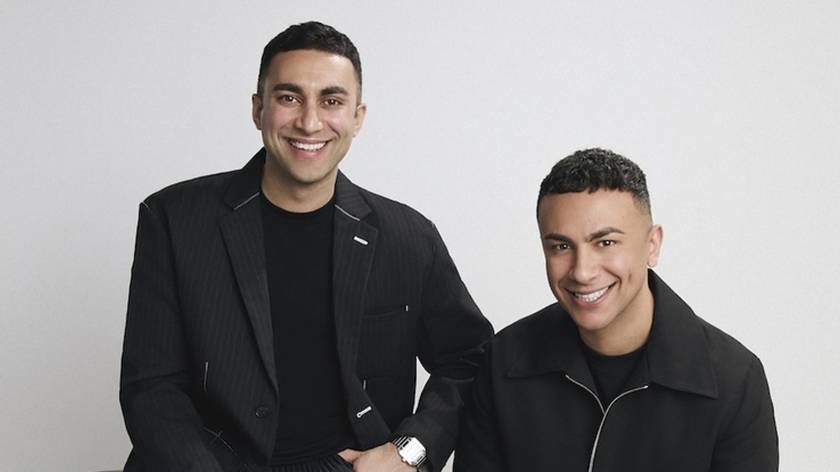
When Zane and Omar Sabré founded MAISON de SABRÉ, they were outsiders in the high-stakes world of fashion. Lacking a traditional pedigree in luxury goods, the brothers initially saw this as a potential disadvantage. However, they soon realized that their "outsider" status was their greatest asset.
"We weren’t constrained by industry convention or inherited thinking, so we approached every decision from first principles," Zane Sabré explains. "Rather than asking how luxury products had always been designed or sold, we asked what customers actually valued and where the category had stopped evolving."
This inquiry led to the transformation of the humble phone case. By applying the craftsmanship and premium materials associated with legacy fashion houses to an everyday digital accessory, the brothers disrupted the industry. Their philosophy—that luxury should be defined by utility and the quality of the daily user experience rather than by occasion—has propelled the brand onto the global stage.
The Accidental Empire: Australian Age of Dinosaurs
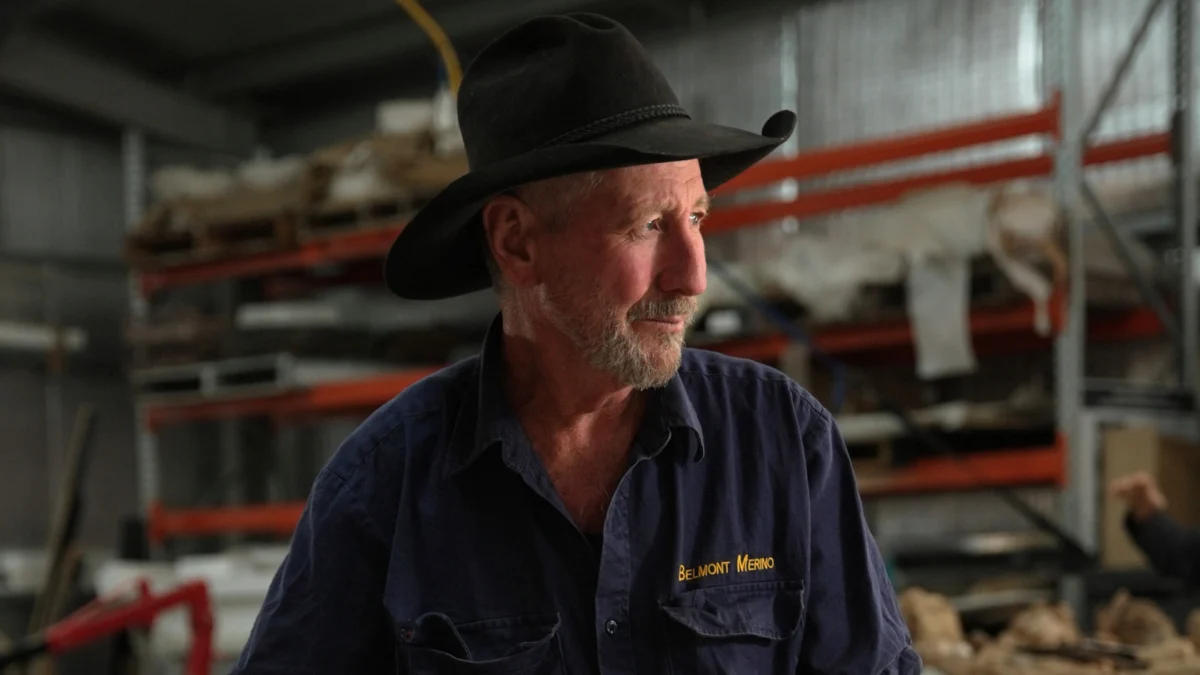
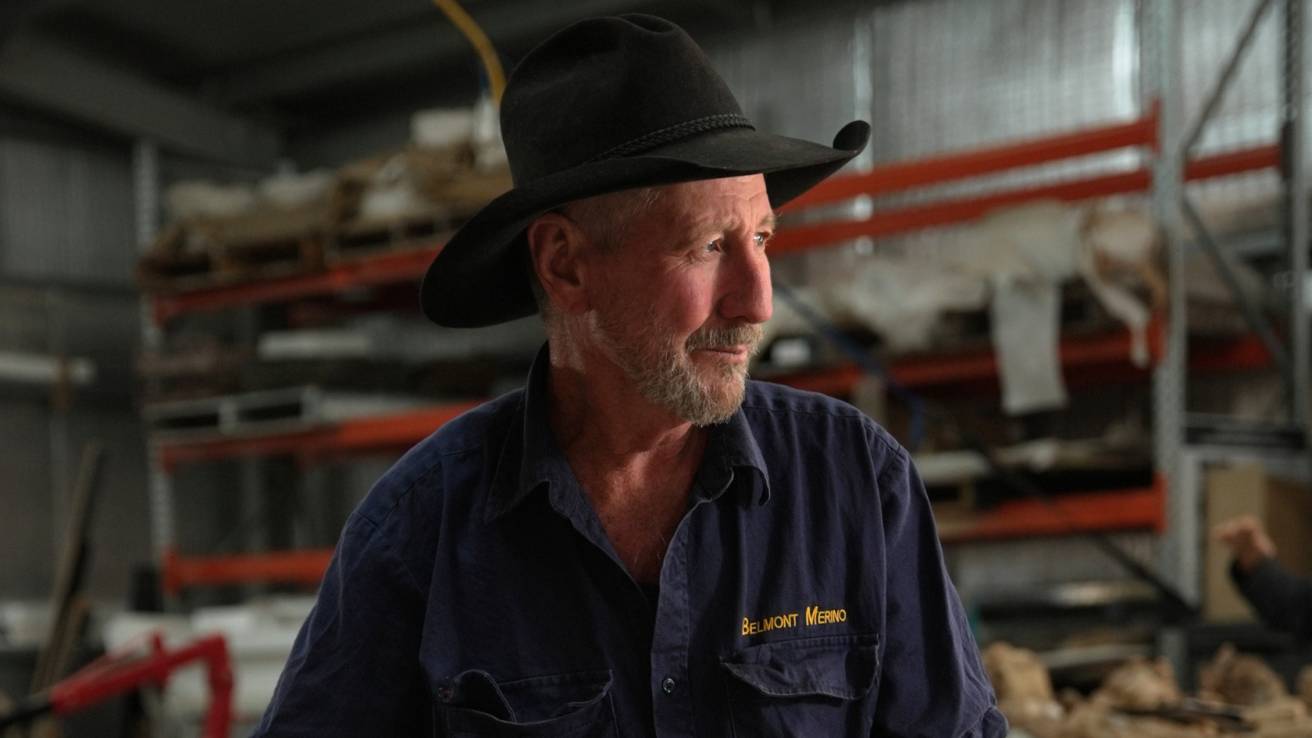
If the Sabré brothers built a brand through intentional disruption, David Elliott OAM created a regional phenomenon through serendipity. In 1999, while mustering sheep on his property near Winton, Queensland, Elliott stumbled upon a fossilized bone that would change the trajectory of his life and his region.
What began as a "knee-jerk reaction" to preserve a local find evolved into Australian Age of Dinosaurs Ltd. The discovery of Australia’s largest known dinosaur fossils catalyzed a project that would eventually put Winton on the global map.
"I realized that these national treasures didn’t just represent Winton, they represented Australia," Elliott reflects. His vision transformed a remote sheep station into a hub of scientific research, a year-round laboratory, and a world-class tourism destination. This is entrepreneurship as a legacy project, where the "product" is national pride and historical preservation.
Supporting Data: The Impact of Purpose-Led Business
The success of these finalists is backed by tangible data that suggests a correlation between purpose-led models and long-term endurance.
- Economic Revitalization: In the Winton region, the influence of the Australian Age of Dinosaurs has been transformative. Over the past decade, regional tourism has doubled, and the town has seen a 10% increase in population—a rare feat for remote inland communities.
- Circular Economies: MAISON de SABRÉ’s SABRÉMOJI™ line, which utilizes upcycled leather offcuts from their primary manufacturing, has become one of their fastest-growing product segments. This proves that sustainability can be a driver of, rather than a drag on, revenue.
- Scalable Conservation: Bush Heritage Australia, led by CEO Rachel Lowry, oversees 22.5 million hectares of land. The organization’s work currently benefits over 9,268 native species, demonstrating that non-profit models can operate with the same strategic rigor and ambition as private corporations.
Official Perspectives: The Leadership Mandate
For leaders like Rachel Lowry, the challenge is shifting from mere survival to sustainable scaling. "The key challenge now is on how we generate the funds required and mobilise enough people to support the solutions that have proven to help protect healthy country," Lowry says. She emphasizes that being a non-profit does not exempt an organization from the need for innovation; rather, it demands it. "We simply have the privilege of reinvesting that revenue growth straight back into values-driven impact."
Zane Sabré echoes this sentiment from the private sector perspective. "In the early days, success meant survival. Every milestone was about proving the business could exist another year," he admits. "Today, success is measured very differently. Financial performance still matters, but we see it as the outcome of building something enduring rather than the goal itself."
Implications for the Future of Australian Business
The trajectory of these finalists suggests that the next generation of Australian entrepreneurs will be defined by three key characteristics:
1. Global-First Mindset
The era of building a company specifically for the Australian market and then "exporting" it is fading. The next wave of founders is designing for global consumers from the moment of inception, leveraging digital connectivity to bypass domestic boundaries.
2. The Death of the "Trade-Off" Myth
The false dichotomy between profit and purpose is collapsing. Entrepreneurs are proving that the most resilient business models are those that solve problems. Whether it is reducing waste through upcycled materials or protecting biodiversity through land management, these founders demonstrate that solving a societal need is a powerful engine for commercial growth.
3. Cultural Stewardship
There is a growing emphasis on "enduring" success. Unlike the "build-to-flip" culture that dominated the early 2010s, today’s entrepreneurs are focused on building institutions that can last for generations. This shift is attracting a new type of investor and employee—those who are looking for mission-aligned work rather than just a paycheck.
A Legacy in the Making
As the 2027 EY Entrepreneur Of The Year program approaches its conclusion on October 22, the finalists remind us that the Australian business landscape is shifting from a focus on volume to a focus on value.
Whether it is the refinement of luxury leather goods or the stewardship of 22.5 million hectares of native landscape, these entrepreneurs are proving that the most successful businesses are those that leave their surroundings better than they found them. As we look toward the future, it is clear that the "Australian way" of doing business is no longer defined by how much a company earns, but by what it leaves behind.
The national finalists of 2027 have set a high bar, signaling that the future of Australian innovation lies at the intersection of ambition, ethics, and a relentless commitment to solving the world’s most pressing challenges. As the business world watches on, one thing is certain: the definition of success has evolved, and those who can balance the books while balancing their responsibilities will be the ones who define the next quarter-century of Australian history.
