




For decades, the automotive industry has preached a simple gospel to enthusiasts: if you crave mechanical engagement, you choose a manual transmission; if you demand raw, unadulterated speed, you opt for a dual-clutch transmission (DCT). From the precision engineering of Porsche’s PDK to the high-stakes performance of the Nissan GT-R, the DCT has long been the gold standard for shifting efficiency.
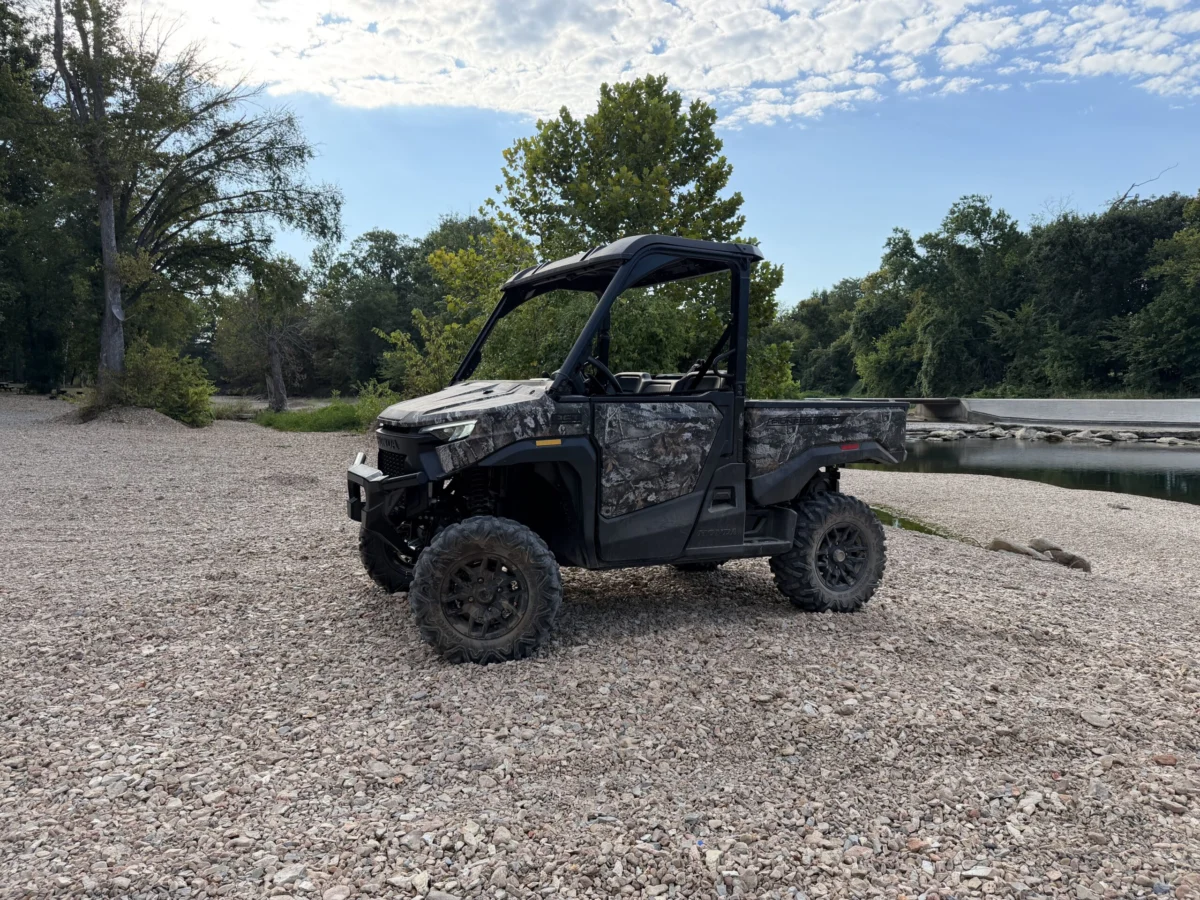
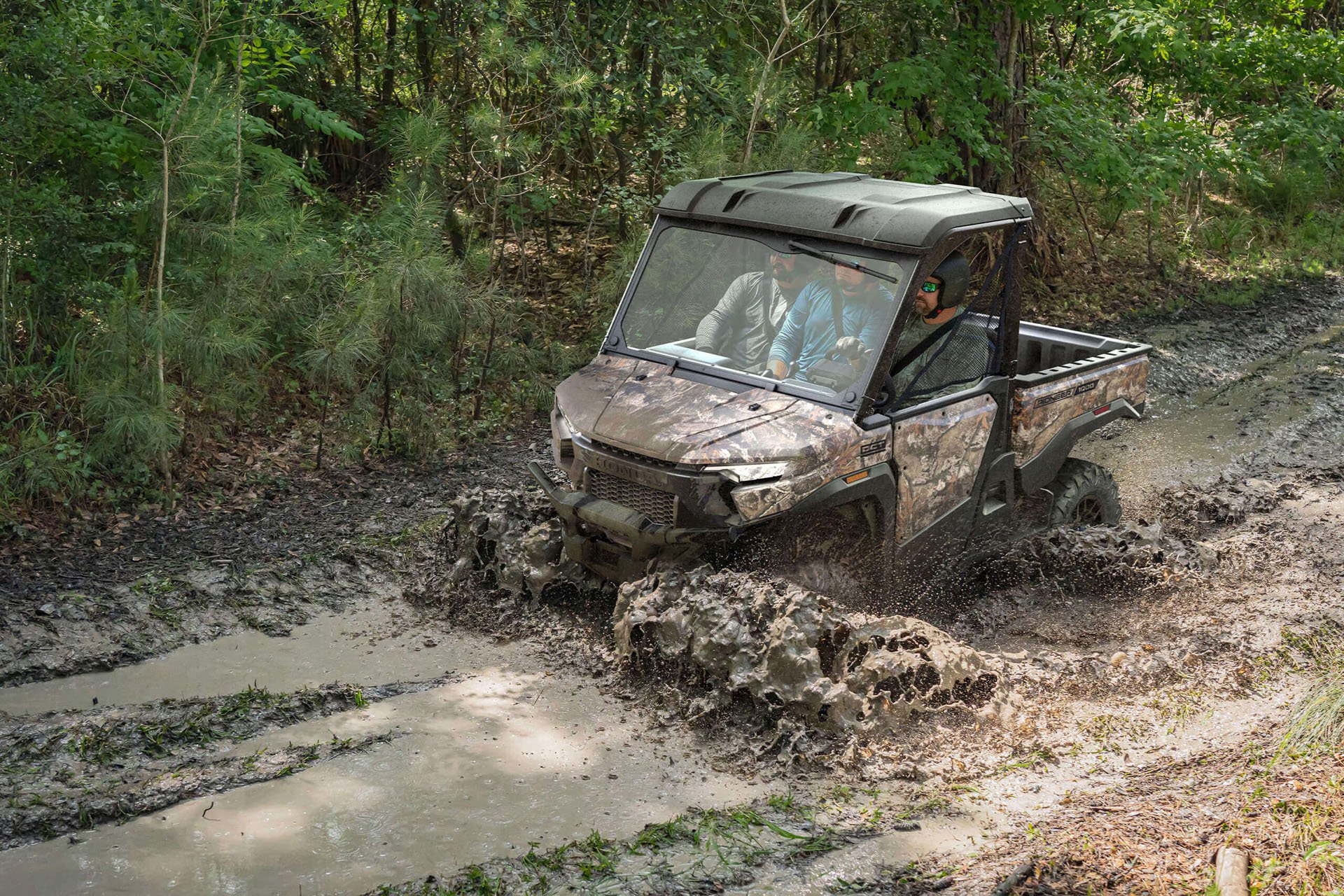
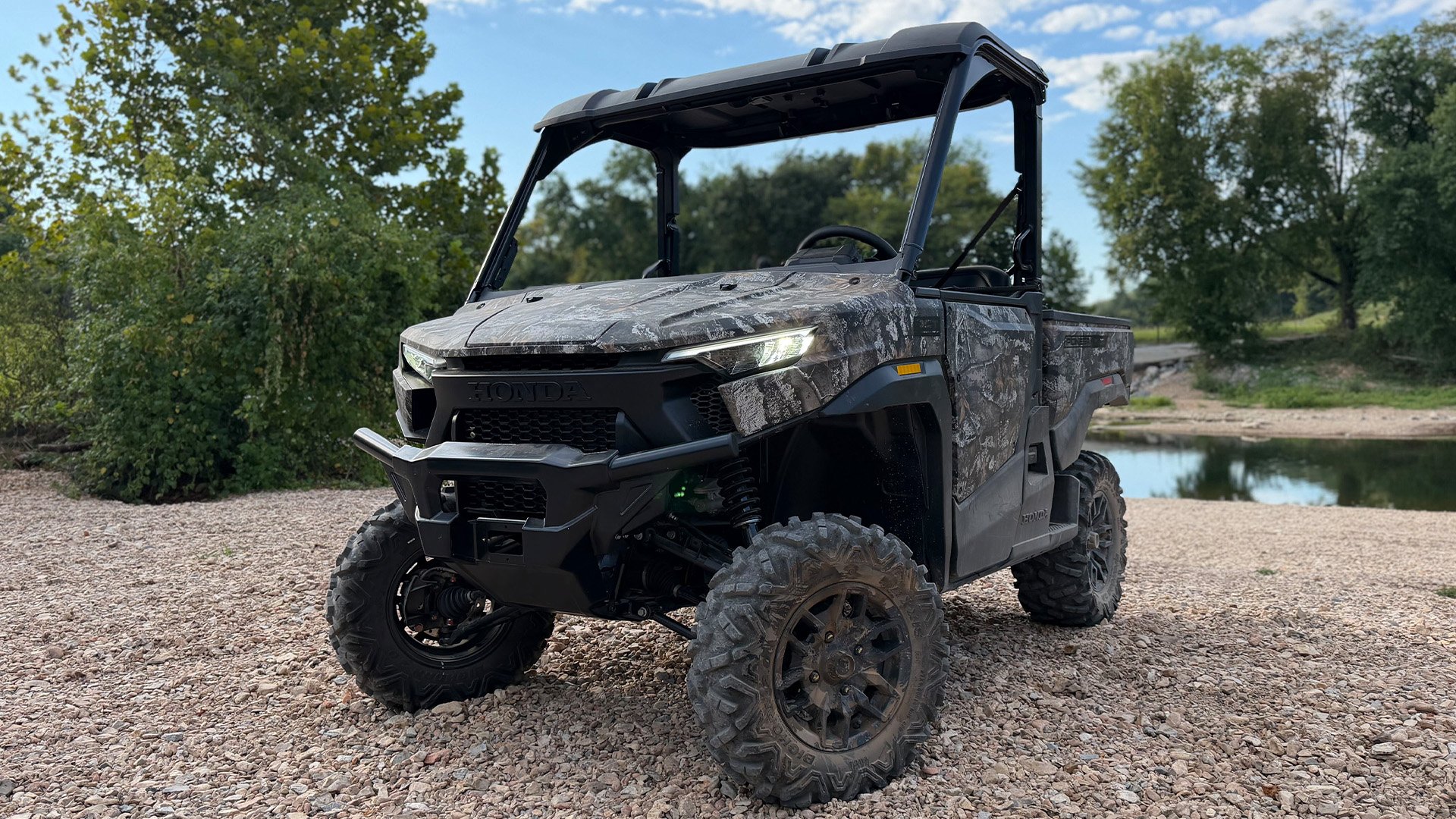
However, we have entered a new era. The technology once reserved for six-figure supercars and high-performance N-badged hatchbacks has trickled down into the rugged, mud-caked world of utility side-by-sides (UTVs). As I put the 2026 Honda Pioneer through its paces, the presence of a DCT in a machine designed for work—not just play—demands a serious conversation about the future of off-road powertrains.
Main Facts: The DCT Revolution
The Dual-Clutch Transmission operates on a simple yet brilliant premise: it utilizes two separate clutches—one for odd-numbered gears and one for even-numbered gears. While one gear is engaged, the next is already "pre-selected" on the secondary shaft. When the shift occurs, the transmission swaps clutches in a fraction of a second, resulting in near-instantaneous power delivery without the torque interruption inherent in traditional automatics.
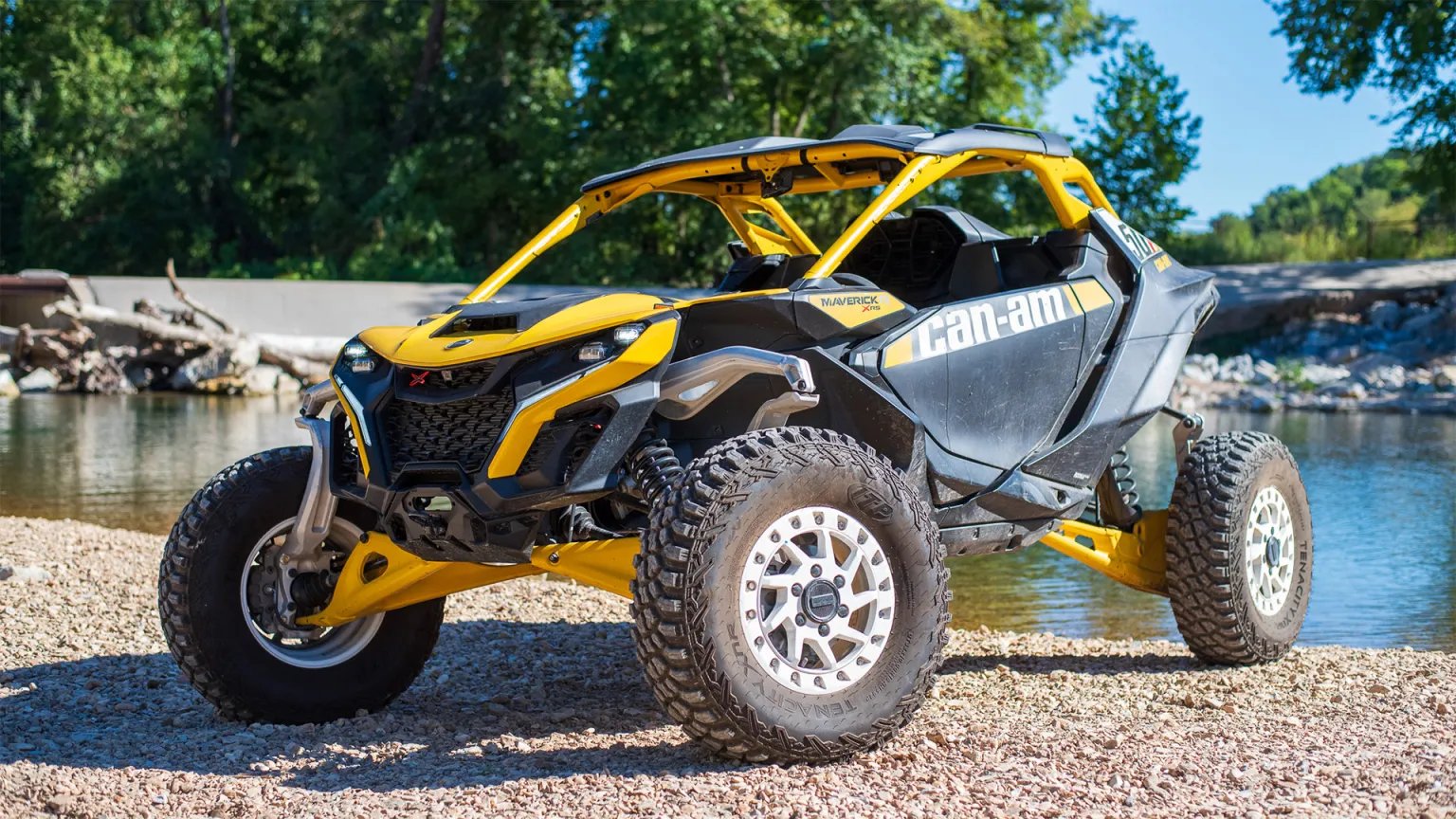
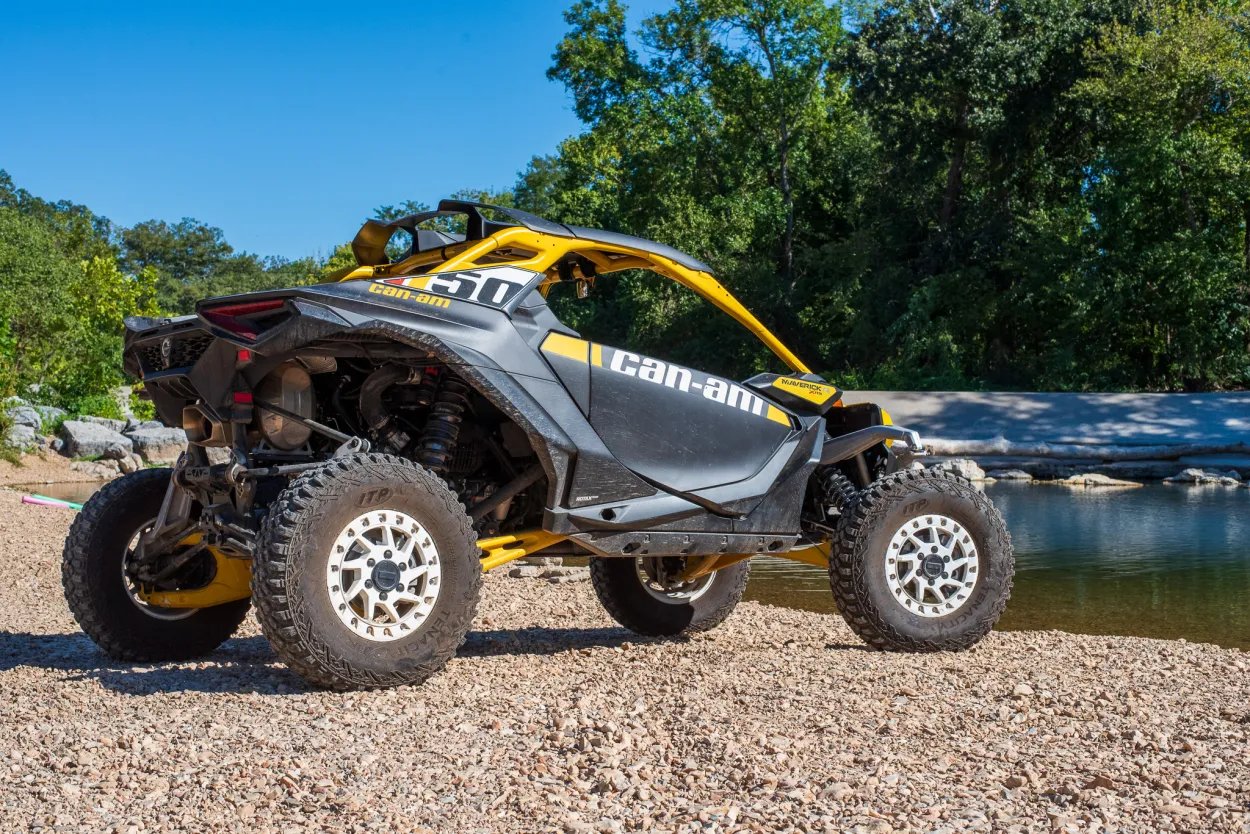
In the UTV world, this is a radical departure from the industry-standard Continuously Variable Transmission (CVT). While CVTs are simple, lightweight, and effective at keeping an engine in its power band, they are often criticized for their "rubber-band" feel, a persistent, drone-like engine whine, and a lack of true engine braking. The inclusion of a DCT in the 2026 Honda Pioneer and the high-performance Can-Am Maverick R suggests that manufacturers are prioritizing tactile control and durability over the simplicity of the belt-driven CVT.
A Chronology of Off-Road Evolution
To understand how we arrived at this moment, one must look at the progression of off-road gearboxes.
- The Early Years: Early UTVs were largely agricultural, relying on basic belt-driven CVTs that favored ease of use over performance.
- The Performance Boom: As the "Sport UTV" segment exploded, manufacturers pushed horsepower figures toward the 200+ mark. The CVT struggled to manage this heat and stress, leading to frequent belt failures.
- The Honda Pioneer & Talon Era: Honda began aggressively pushing the DCT platform in its utility and sport lineups, banking on the reliability of gears over belts.
- The 2026 Shift: With the introduction of refined models like the 2026 Pioneer and the dominant Can-Am Maverick R, the DCT has moved from a "niche" experiment to a legitimate alternative for consumers who value a "truck-like" driving experience.
Supporting Data: A Tale of Two Machines
While both the Can-Am Maverick R and the Honda Pioneer employ dual-clutch technology, their implementations serve vastly different masters.
| Feature | Can-Am Maverick R | 2026 Honda Pioneer |
|---|---|---|
| Base Price | $44,299 | $22,294 |
| Powertrain | 999cc turbo 3-cyl | 999cc 2-cyl |
| Transmission | 7-speed DCT | 6-speed DCT |
| Horsepower | 240 hp | 72 hp |
| Curb Weight | 2,250 lbs | 1,781 lbs |
| Top Speed | 80 mph (est.) | 63 mph |
The data highlights a clear divergence in philosophy. The Maverick R utilizes the DCT to channel 240 horsepower into a rally-car experience, providing the driver with the ability to "find third gear" for a quick corner exit. Conversely, the Pioneer uses the DCT to enhance utility. By allowing the driver to manually control gear selection, the Pioneer offers superior engine braking for towing heavy loads or navigating steep, technical terrain where a CVT would simply freewheel.
The Human Element: Drive Modes and Feel
The 2026 Honda Pioneer features four distinct drive modes: Comfort, Normal, Sport, and Tow/Haul. In a typical CVT-equipped side-by-side, these modes often feel like mere software tweaks to throttle response. In the Pioneer, they transform the mechanical character of the machine.
When climbing a steep incline, the difference is night and day. A CVT will often sit at high RPMs, screaming as it seeks the optimal ratio. The Honda’s parallel-twin, however, climbs through the gears with a rhythmic, mechanical authority. You hear and feel the sa-konk of the shift, a sensation that is fundamentally more satisfying to anyone who grew up driving manual-transmission trucks.
In the "Sport" setting, the DCT holds gears longer and initiates downshifts with a sharpness that makes the machine feel smaller and more agile than its dimensions suggest. Conversely, "Tow/Haul" optimizes the transmission to minimize heat and maximize torque, providing a level of control when hauling firewood or equipment that feels safer and more stable than the loose, unpredictable engagement of a traditional belt system.
Official Industry Perspective
While manufacturers have not explicitly declared the death of the CVT, their R&D investments tell the story. Honda has remained committed to its DCT architecture for nearly a decade, citing lower maintenance requirements and superior longevity in extreme heat.
"The goal," notes a source familiar with Honda’s powertrain development, "is to remove the ‘variable’ from the equation. When a user is working on a ranch or navigating a mountain trail, they need predictability. A gear-driven system provides a 1:1 relationship between the driver’s input and the wheels."
However, there is a counter-argument. Critics point to the complexity of a DCT. If a CVT belt slips or snaps, a skilled rider can replace it on the side of a trail with basic tools. If a DCT encounters a sensor fault or a clutch pack failure, the machine is effectively dead in the water. For the remote-adventurer, the simplicity of the belt remains a safety net that a complex, electronically controlled dual-clutch system cannot yet match.
Implications: The Future of Off-Roading
What does this mean for the average buyer?
1. The End of the "Drone": As noise regulations tighten, the ability to keep RPMs lower at cruising speeds—a natural byproduct of a fixed-gear transmission—will become a major competitive advantage.
2. Shift in Maintenance Culture: Buyers must now reconcile with a new type of upkeep. While you won’t be changing belts, you will be monitoring transmission fluid health and electronic actuator performance. The "shade-tree mechanic" culture of UTVs will have to evolve to include diagnostic software and a deeper understanding of hydraulic systems.
3. The "Intoxication" Factor: Perhaps the most significant implication is the emotional connection to the machine. There is an undeniable thrill in clicking a paddle-shifter and feeling the immediate surge of power as the next gear engages. This "racer" feel is attracting a new demographic to the UTV market—drivers who might otherwise be looking at performance cars but want the versatility of an off-road rig.
Final Verdict
Do UTVs need dual-clutch transmissions? In the strictest sense, no. For basic tasks, the CVT is more than adequate. However, if you are the type of user who values precision, engine braking, and the visceral, mechanical satisfaction of a crisp gear change, the DCT is a game-changer.
The 2026 Honda Pioneer proves that this technology is not just for the high-flying, trophy-truck-chasing Maverick R crowd. It is for the worker, the trail-rider, and the enthusiast who wants their machine to work as hard—and as intelligently—as they do. Just be warned: once you’ve experienced the engagement of a true gear-driven transmission, going back to the constant whine of a belt might be the hardest trail of all to travel.
