




In the landscape of modern digital commerce, the adage "buyer beware" has evolved from a simple warning into a complex, high-stakes battle for survival. While online scams have been a fixture of the internet since the dawn of the Nigerian Prince email era, a new, more sophisticated breed of criminal has emerged. Leveraging artificial intelligence and the immense reach of social media algorithms, these bad actors are no longer just sending phishing links; they are constructing elaborate, fictitious realities.
The case of Wil Matthews—a professional photographer who was duped into “purchasing” a non-existent Toyota 4Runner—serves as a chilling masterclass in how modern cybercriminals exploit trust, technology, and the systemic vulnerabilities of platforms like Facebook Marketplace.
The Anatomy of a $36,000 Ghost Deal
The scam began much like any other legitimate transaction on Facebook Marketplace. Matthews, a man with a keen eye for detail and professional experience in visual arts, was searching for a reliable off-road vehicle. When he stumbled upon a listing for a Toyota 4Runner TRD Pro priced at roughly $36,000, it felt like a reasonable, market-appropriate find.
To the untrained eye, the listing was pristine. The photos were high-resolution, showing the vehicle parked in a professional setting. Matthews, exercising a level of caution that most casual shoppers ignore, performed his due diligence. He cross-referenced the seller, “Route 519 Motor,” against public records. The company was real, based in Donna, Texas.
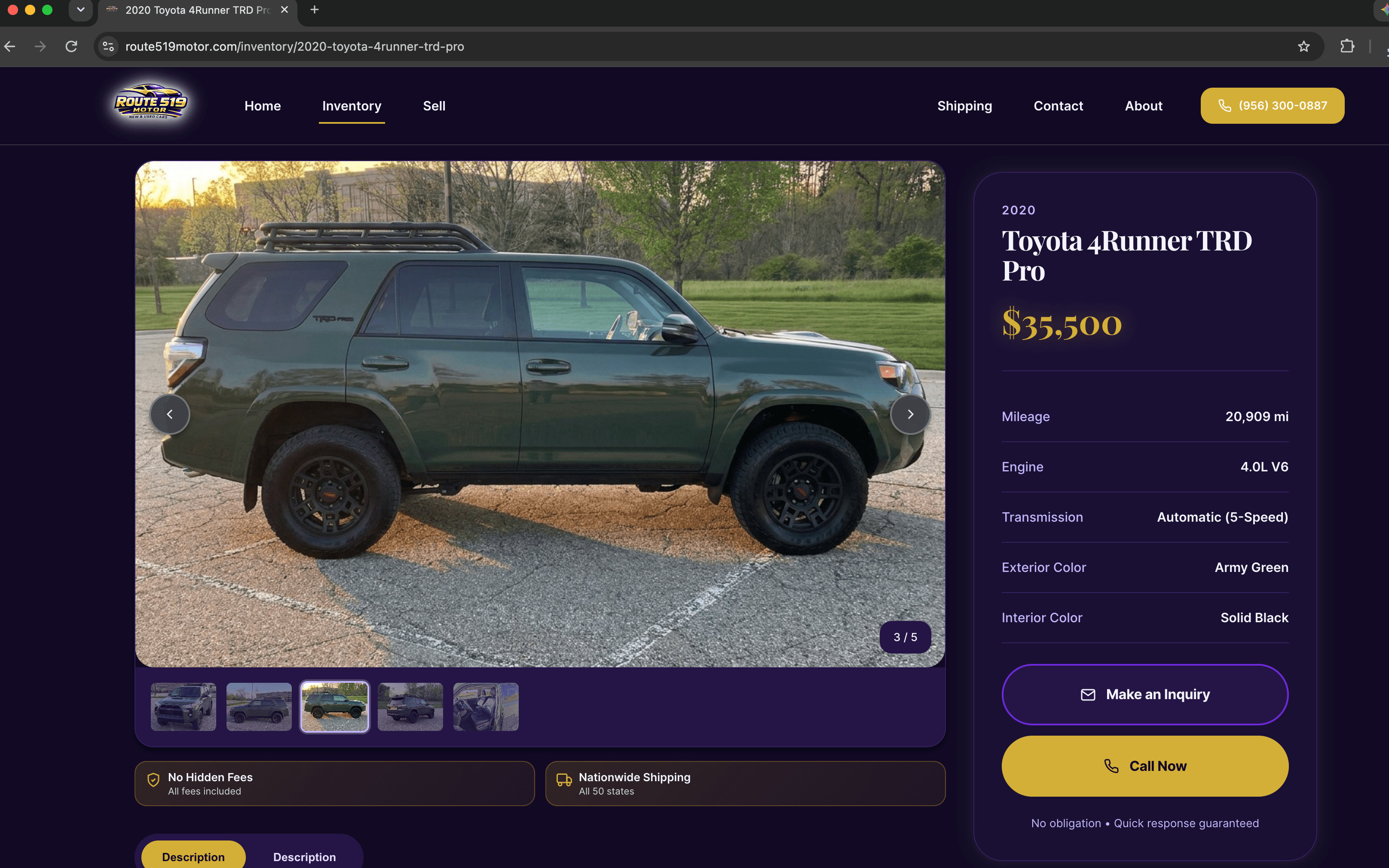
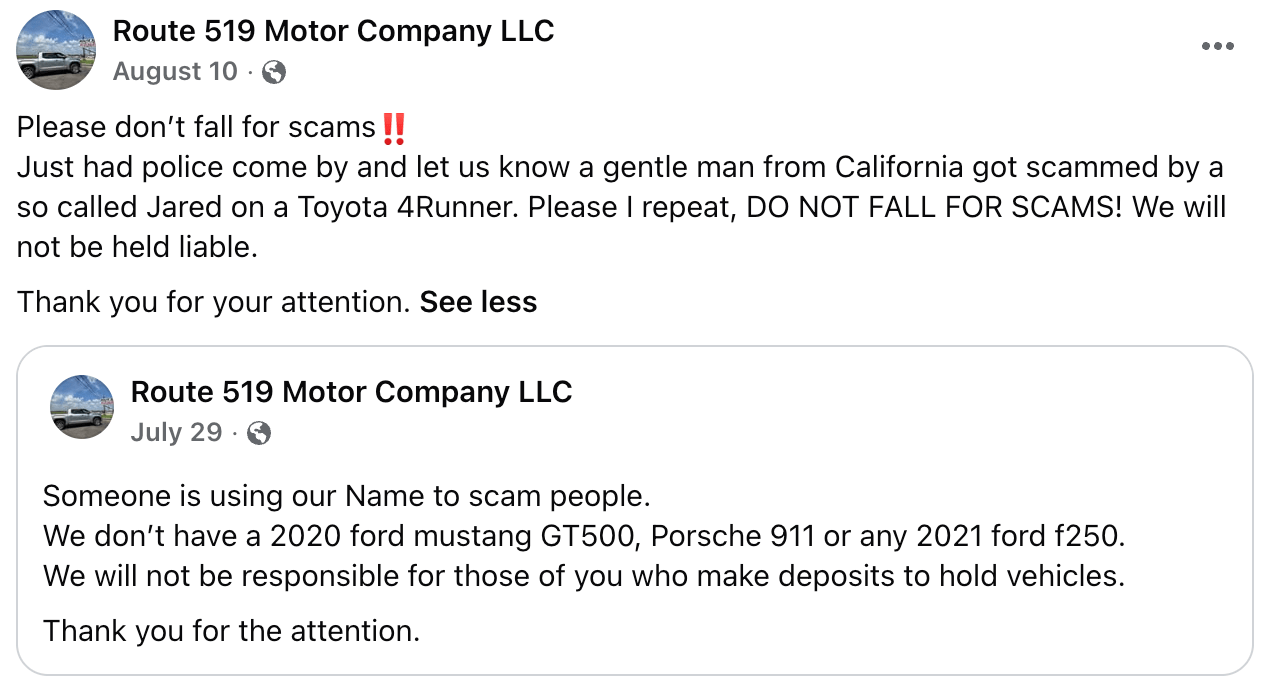
However, the scammers had executed a sophisticated "cloning" operation. They had meticulously recreated the dealer’s digital presence, producing fake window stickers, purchase orders, and even a dealer license certificate. The only tell—a detail so minute it would escape almost anyone—was the absence of the word "Company" at the end of the dealership’s name. This microscopic oversight was the only fracture in an otherwise flawless facade.
A Chronology of Deception
The timeline of the scam reveals a level of coordination and technical planning that points to a professionalized criminal enterprise:

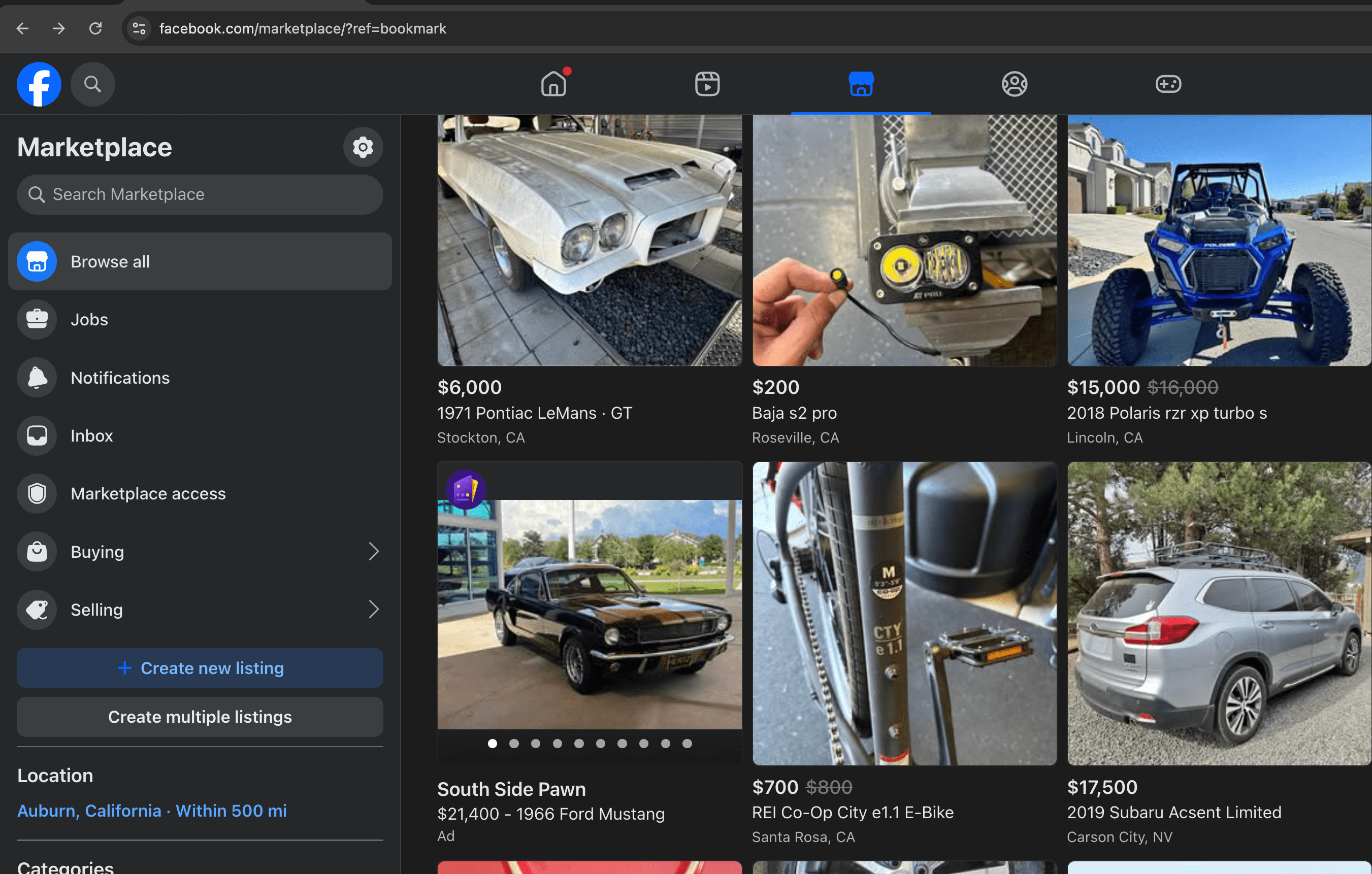
- Initial Engagement: Matthews discovers the listing on Facebook Marketplace. Because the scammers paid to boost the advertisement, the platform’s own algorithm served the fake ad to him, lending it an air of legitimacy.
- The Vetting Process: After confirming the dealership’s existence, Matthews initiates contact. The scammers provide documentation, including a legitimate-looking VIN. A quick Google search confirms the VIN corresponds to a valid vehicle, effectively neutralizing the buyer’s primary defensive tool.
- Financing: With the vetting "passed," Matthews secures financing through a major Tier 1 auto lender. The bank, similarly deceived by the professional presentation of the documents, transfers $36,240 to the scammers’ newly minted LLC.
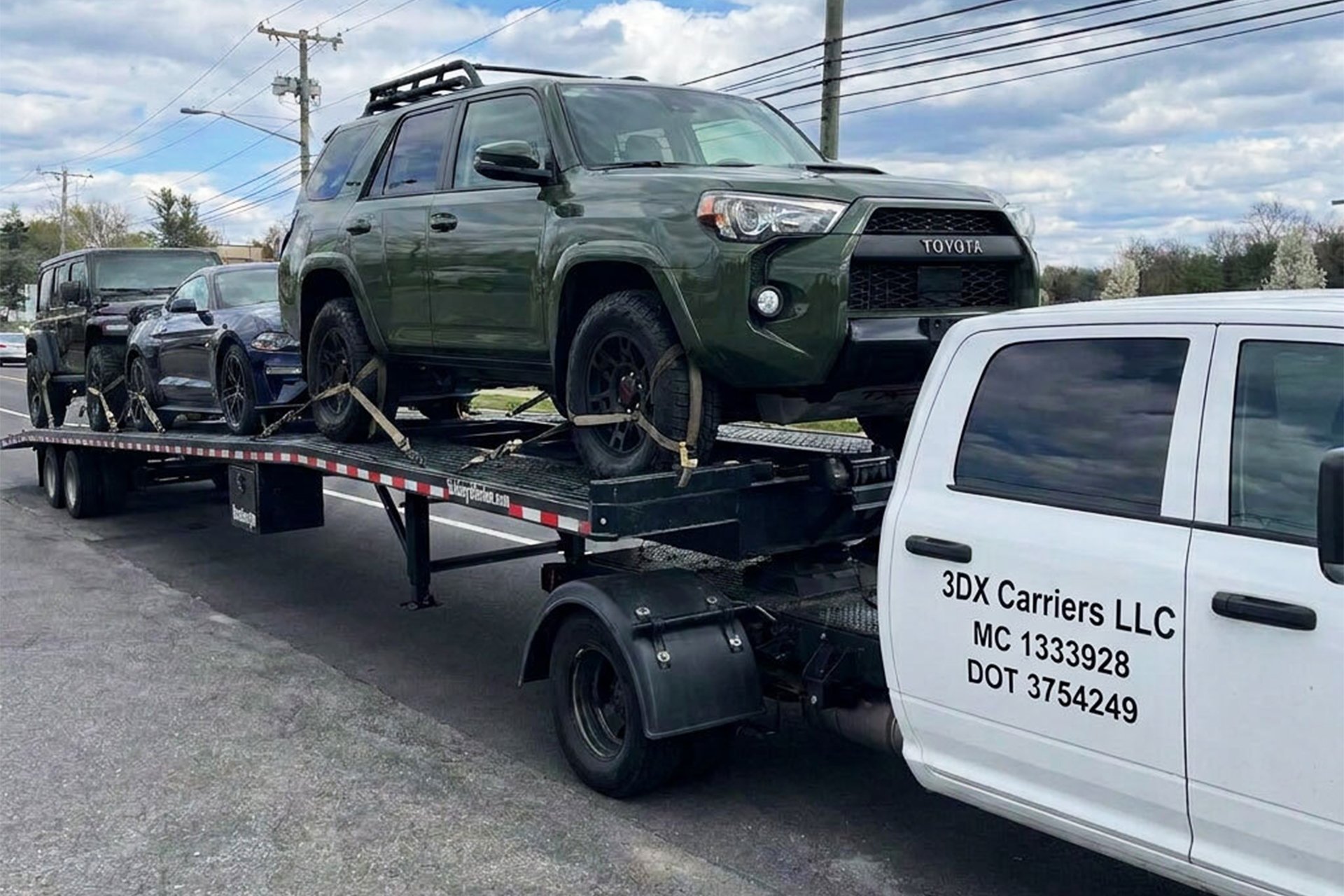
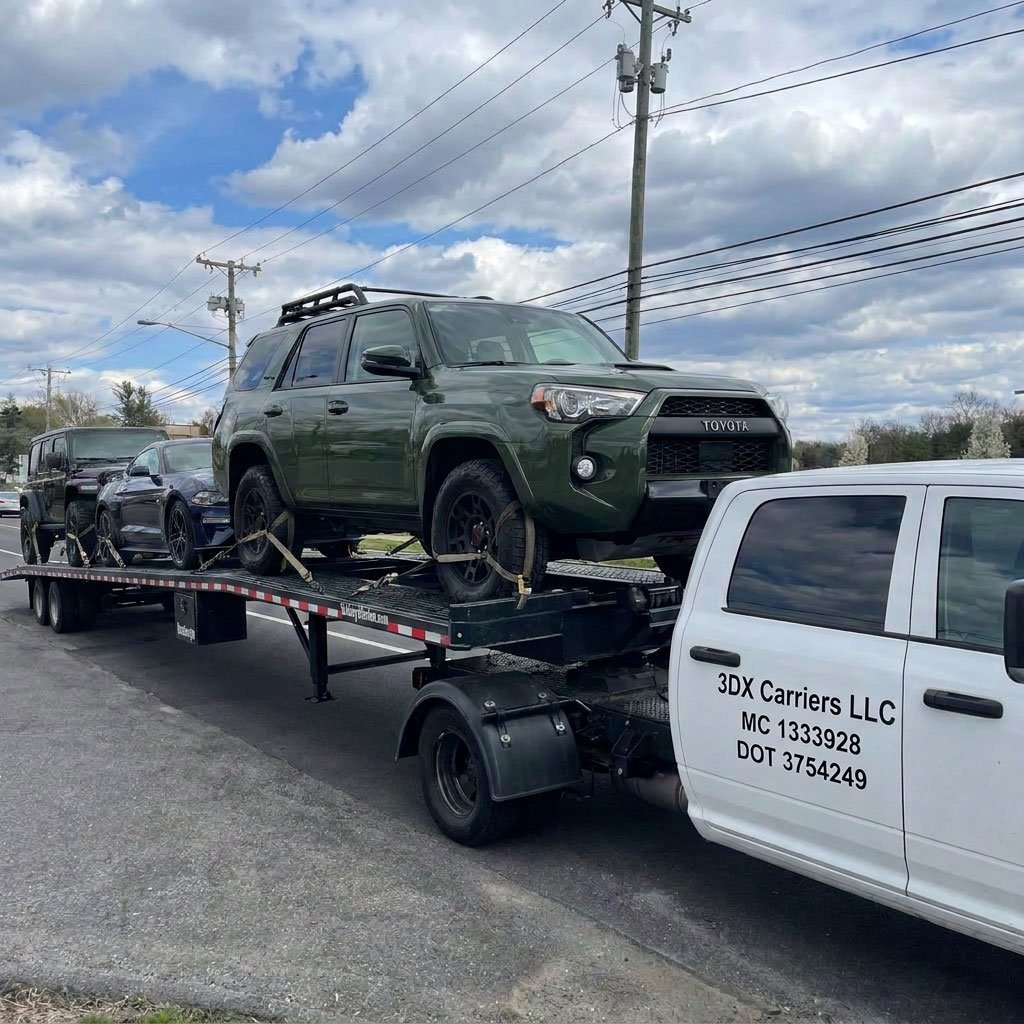
- The "Delivery" Illusion: To delay suspicion, the scammers provide a link to a spoofed, real-time GPS tracking portal. Matthews watches the digital icon move across the country. They follow up with photographic "proof"—a picture of the 4Runner on a car carrier. Even the trailer has vinyl decals with real Department of Transportation (DOT) and Motor Carrier (MC) numbers.
- The Unmasking: The tracking site indicates delivery. When the trailer fails to arrive, reality sets in. Matthews discovers the MC and DOT numbers on the truck actually belong to a completely different company, "V&S Group," which is itself linked to a web of fraudulent addresses and shell companies.
The Technological Shell Game
The sophistication of this scheme goes beyond simple identity theft. Meta’s own page transparency metrics eventually revealed that the phony dealer’s Facebook account was being managed from Moldova. To provide a domestic veneer, the group utilized a shell company in Tennessee and routed all communications through a VoIP (Voice over IP) switchboard.
Even the "delivery driver" was a digital construct—a person speaking through a computer-altered voice synthesizer. By combining AI-generated imagery, sophisticated social engineering, and the exploitation of real-world logistics data, these criminals created an impenetrable wall of "truth" that even a vigilant professional couldn’t break until the money was already gone.
The Human Element: Why Vigilance Isn’t Enough
The most troubling aspect of the Matthews case is not that he was scammed, but that he was prepared to be scammed and still fell victim. The psychological impact of being defrauded, particularly when the buyer has done everything "right," is profound.
If a professional photographer who is trained to look for artifacts in images can be fooled by AI-enhanced photos of a truck, what hope does the average consumer have? The scammers are not just relying on gullibility; they are relying on the sheer exhaustion of the modern consumer. In an age of instant transactions, we are conditioned to trust the interfaces provided by tech giants like Meta. When the platform itself promotes these scams via paid advertisements, the lines between a verified business and a criminal front become hopelessly blurred.
Implications for Meta and the Future of E-commerce
The implications for Facebook Marketplace and its parent company, Meta, are severe. As the platform becomes a primary hub for billions of dollars in peer-to-peer and dealer-to-consumer transactions, the failure to police these "clone" dealers is a systemic liability.
The FTC Holder Rule as a Lifeline
Fortunately for Matthews, he was fastidious in his documentation. By invoking the Federal Trade Commission’s (FTC) "Holder Rule"—which protects consumers by allowing them to assert claims and defenses against a creditor that they would have against a seller—he was able to successfully lobby his lender to waive the loan. This, however, is a rare outcome. Most victims lack the documentation or the legal leverage to force a bank to absorb the loss of a fraudulent transaction.
The Role of Meta
Global pressure is mounting on Meta to address the proliferation of AI-assisted fraud. Between the rise of deepfake ads, the use of AI to harvest data from minors, and the explosion of fake marketplace listings, critics argue that the company’s current moderation systems are woefully inadequate. When asked for comment, a spokesperson for Meta did not immediately provide a statement, though the company continues to face lawsuits and regulatory scrutiny regarding its AI data training and content moderation failures.
A Warning to the Market
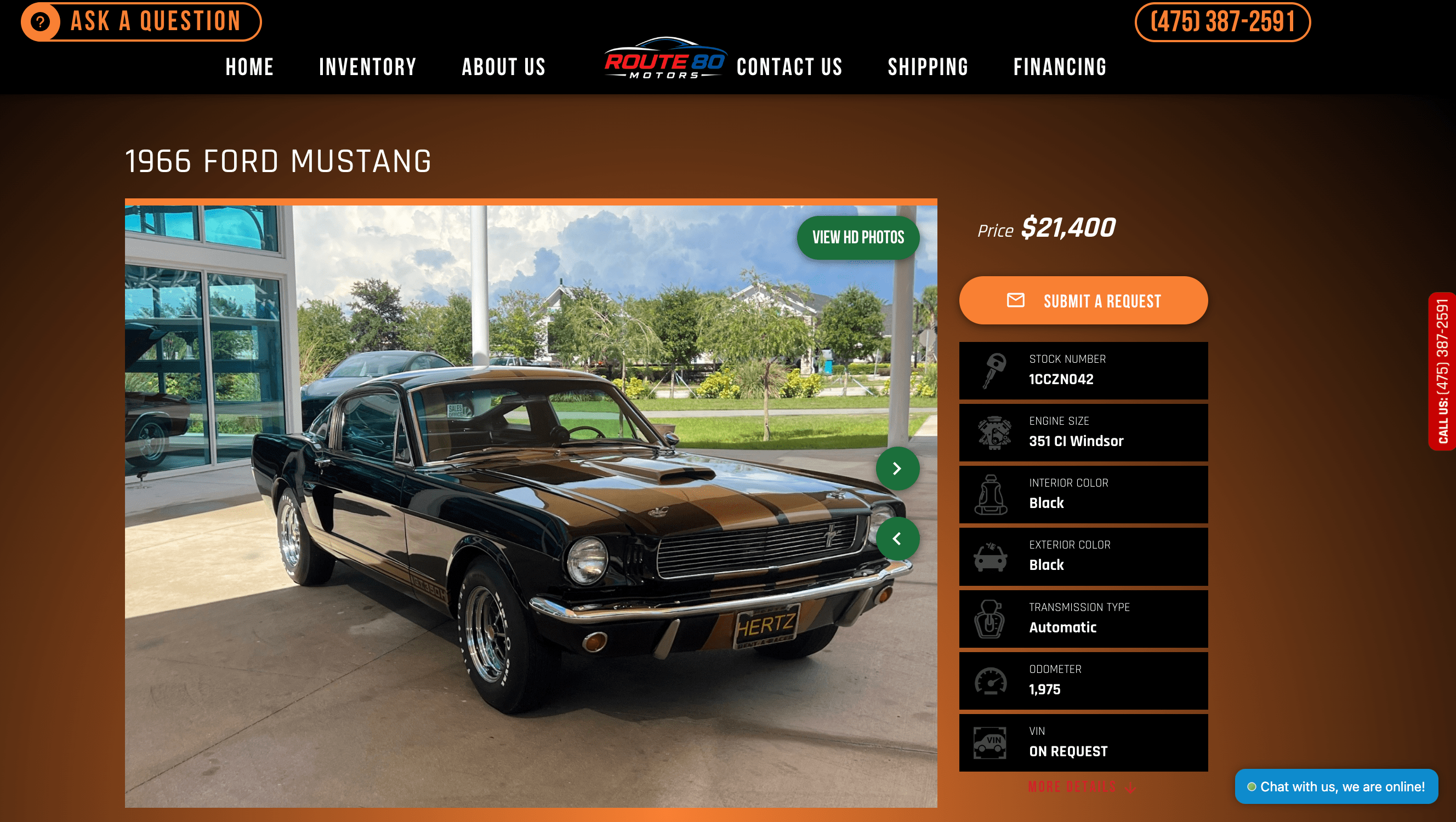
What Matthews uncovered is not a localized incident but a systemic plague. During his investigation, he identified dozens of similar fake listings, all using the same AI-generated backdrops and recycled imagery. The scammers are now using AI to create entire "neighborhoods" and "dealership lots" that don’t exist, effectively building a digital simulation of the American automotive market.
For the average buyer, the takeaways are sobering:
- Never trust the algorithm: Just because a listing is "sponsored" or "boosted" does not mean it has been verified by the platform.
- Verify the physical presence: If you cannot physically visit the dealer or see the vehicle in person, the risk is almost always too high.
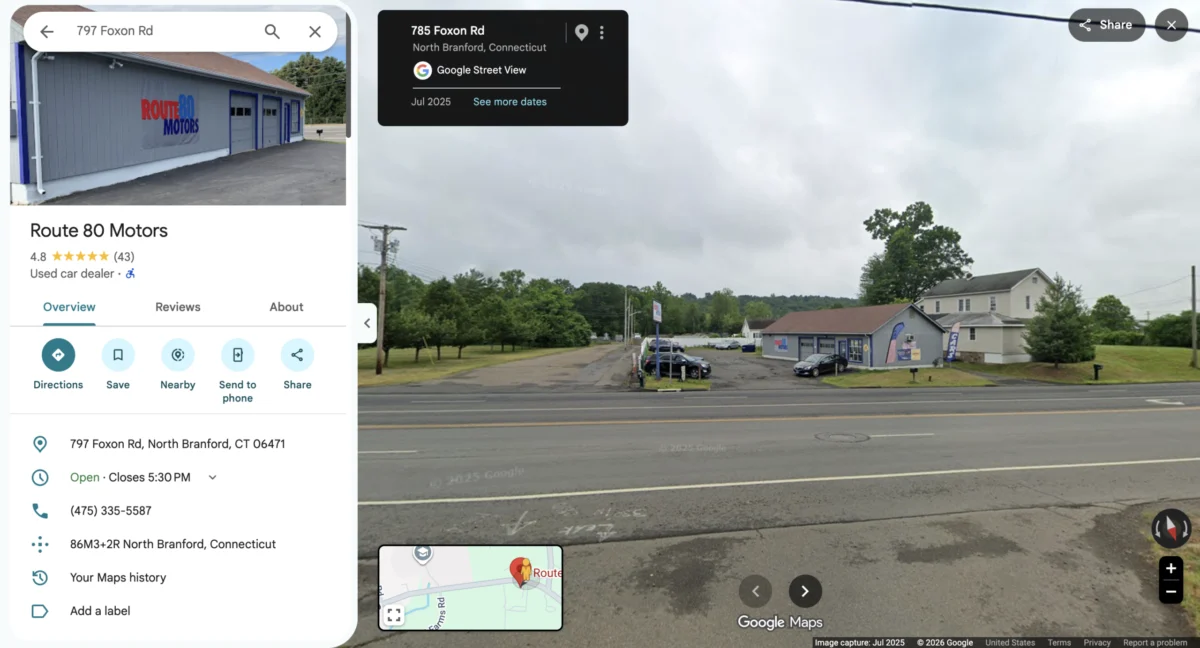
- Cross-reference credentials: Don’t just Google the name; check the address on Google Street View. Compare the photos of the dealership in the listing to what actually exists at that location.
- Demand live verification: Ask for a video call where the seller shows the car and points to a specific, unique feature or a piece of paper with your name on it.
The digital marketplace has become a frontier where the tools of innovation are being turned against the public. Until platforms like Facebook implement robust, identity-verified systems for sellers, the "Toyota 4Runner that never was" will continue to be a harbinger of the next victim’s financial ruin. As Matthews discovered, in the age of AI, seeing is no longer believing—and for the unwary, it is the most dangerous trap of all.
