



In the high-stakes world of luxury hospitality, the tension between commercial optimization and the preservation of "the soul of the space" has never been more palpable. As global hotel conglomerates standardize their operational playbooks to ensure consistency across continents, a quiet battle is being waged in the lobbies, boardrooms, and corridors of the world’s most prestigious resorts.
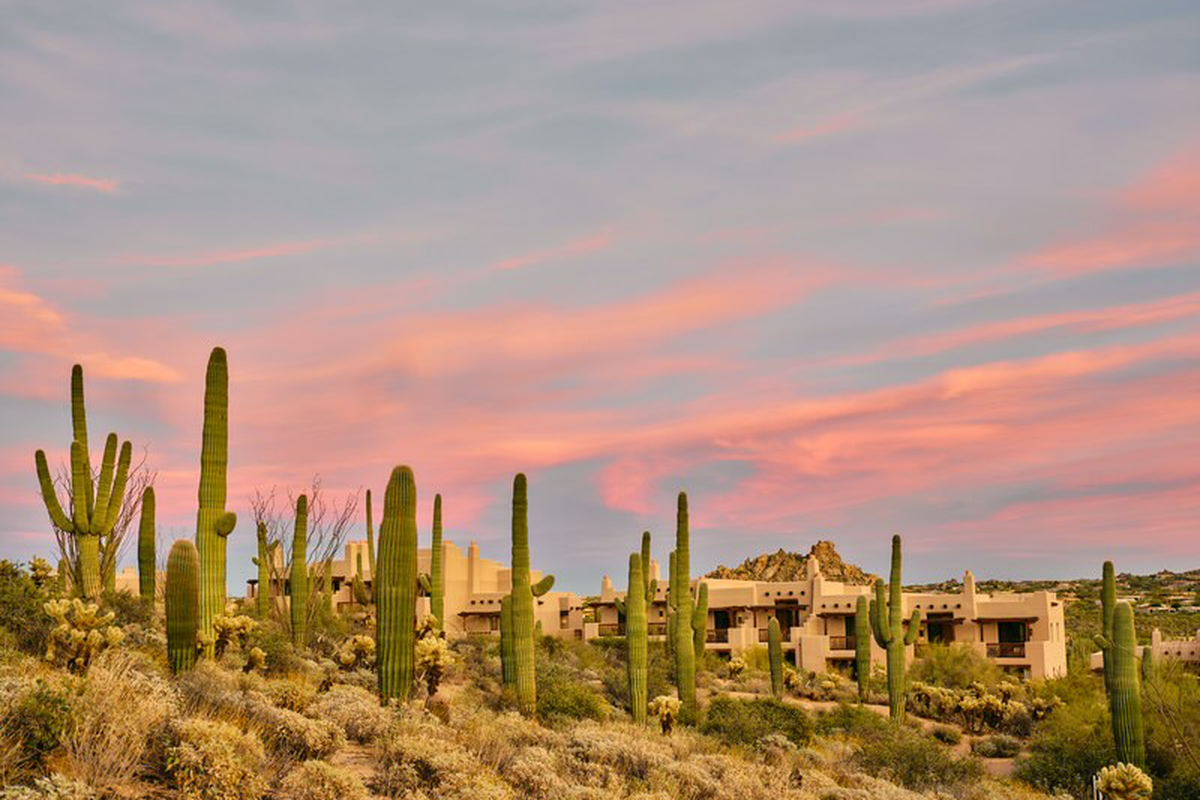
The story of the Four Seasons Resort Scottsdale at Troon North serves as a microcosm for this broader industry struggle. When an architect proposed the installation of a lobby bar to increase revenue and foot traffic, the commercial logic was sound. Yet, Jerome Arribas, the resort’s general manager, issued a firm rejection. His reasoning was not rooted in spreadsheets, but in the intangible essence of the guest experience: the sightline of the Sonoran Desert.
The Anatomy of the Conflict: Commercial Logic vs. The "Million-Dollar View"
The proposal at Troon North was a classic exercise in modern hospitality strategy. Architects and consultants, incentivized to maximize every square foot of real estate, viewed the sprawling, open-air lobby not as a gateway to nature, but as underutilized "dead space." By adding a bar, the resort could theoretically capture local patrons, create a social hub, and generate a new, high-margin revenue stream.
However, Arribas identified a fundamental misalignment. In luxury hospitality, the "product" is not just the room, the food, or the service; it is the feeling of arrival. At Troon North, the architecture is designed to lead the eye immediately from the entryway to the vast, rugged beauty of the desert.
"There will never be a bar here," Arribas stated during the consultation. "You’re going to hide the million-dollar view. That is the core essence of this resort."
This interaction highlights a recurring theme in modern luxury: the "commodification of atmosphere." While hotel brands have mastered the art of operational efficiency—codifying service standards, digital check-ins, and consistent design motifs—there remains a critical need for human gatekeepers who understand that some experiences are diminished, not enhanced, by commercial interference.
Chronology of a Hospitality Evolution
To understand how we arrived at this moment, one must look at the evolution of the hotel GM role over the past three decades:
- The 1990s: The Era of Operational Excellence. The GM was primarily a technician. Success was measured by RevPAR (Revenue Per Available Room), occupancy rates, and labor cost management. The brand was the law, and the GM was its local executor.
- The 2005–2015 Period: The Rise of Standardization. As brands consolidated into mega-groups, the push for uniformity reached its zenith. "Brand standards" manuals grew to thousands of pages, leaving little room for local interpretation or architectural resistance.
- 2016–Present: The Return of the "Curator." The luxury market has shifted toward experiential travel. Modern high-net-worth guests are weary of "cookie-cutter" luxury. They seek authenticity. This has empowered a new generation of GMs who act as curators, often pushing back against corporate directives to preserve the unique narrative of their specific property.
The Troon North episode represents this latest phase. It is a moment where the GM acts as the "Experience Ombudsman," standing between the corporate mandate for growth and the sanctity of the guest’s psychological connection to the environment.
The Economics of Experience: Supporting Data
While Arribas’s stance might seem like an obstacle to profitability, industry data suggests that preserving the "essence" of a property is actually a sound long-term financial strategy.
According to recent reports from industry analysts at Skift and STR, the luxury sector is currently seeing a divergence in performance. Hotels that lean too heavily into aggressive revenue-per-square-foot strategies often see a decline in Net Promoter Scores (NPS) and repeat-visit intent.
Consider the following industry metrics:
- The "Authenticity Premium": Luxury travelers are willing to pay an average of 18% more for experiences that are deemed "uniquely local" rather than "globally consistent."
- The Cost of Dilution: Properties that compromise on their design aesthetic to accommodate "revenue-generating amenities" often see a 5–7% drop in premium pricing power within three years, as the perceived "exclusivity" of the hotel wanes.
- Labor Retention: Properties where the GM has a strong, protective vision for the brand often report 20% lower turnover among staff, as employees feel more pride in working for a property with a distinct, defended identity.
These figures illustrate that Arribas’s refusal to install the bar was not an act of obstruction, but a protection of the resort’s long-term competitive advantage.
Official Responses and the Industry Dialogue
In the wake of the incident, the debate surrounding the role of the modern GM has intensified. Leading hospitality groups are increasingly divided on how much autonomy to grant their managers.
A spokesperson for a major luxury hospitality group, speaking on condition of anonymity, noted: "We encourage our GMs to be the guardians of their specific property’s DNA. While we provide the framework for excellence, the ‘spirit’ of the resort is something that must be nurtured locally. If a GM feels that a change compromises the guest journey, they are empowered to challenge it. However, the burden of proof rests on them to demonstrate that the preservation of that space ultimately drives value."
Conversely, investment firms often advocate for a more clinical approach. "We view these properties as assets," says a partner at a private equity firm focused on hospitality real estate. "A bar, when managed correctly, is a social engine. The ‘view’ is a static asset. Our job is to ensure that static assets are working as hard as possible for our investors."
This fundamental friction—the "push and pull" between the asset manager and the experiential curator—is the defining dynamic of modern luxury hotel management.
Implications: The Last Line of Defense
What does this mean for the future of luxury travel? As global brands continue to expand, the codification of service will become even more rigorous. We are moving toward a future where AI and centralized data will dictate housekeeping schedules, pricing models, and even room temperature preferences before a guest arrives.
In such a sterile environment, the human element—the GM who has the courage to say "no"—becomes the ultimate differentiator.
1. The Death of the "Cookie-Cutter"
The implication of the Troon North scenario is that brands can no longer rely on brand standards alone. They must cultivate a cadre of GMs who possess not only business acumen but also an aesthetic and philosophical understanding of their property. The "cookie-cutter" model is rapidly losing its appeal among a demographic that equates luxury with scarcity and uniqueness.
2. The Architecture of Restraint
Future hotel developments will likely shift toward "architecture of restraint." Instead of cramming amenities into every corner, there will be a greater emphasis on "negative space"—areas intentionally left empty to foster a sense of calm, connection, or wonder. This requires investors to accept lower immediate revenue in exchange for a higher, more sustainable brand equity.
3. The GM as Brand Architect
The role of the GM is shifting from a manager of operations to a designer of experiences. They are the final gatekeepers who ensure that the brand’s promise—whether it is serenity, excitement, or connection—is not diluted by the next corporate directive.
Conclusion
The Four Seasons Resort Scottsdale at Troon North provides a powerful lesson: in the world of luxury, the most valuable things are often the ones you cannot measure on a balance sheet. The "million-dollar view" is not just a visual amenity; it is the resort’s primary asset. By protecting it from the encroachment of a bar, Jerome Arribas proved that the most important duty of a general manager is to know exactly what the resort is—and, more importantly, what it is not.
As the industry continues to scale, the brands that thrive will be those that empower their leaders to defend the integrity of their spaces. In an era of infinite consistency, the ability to maintain a unique, protected, and purposeful environment is the true hallmark of luxury. The GM’s sharpened point of view is no longer a luxury; it is the last, most vital line of defense for the soul of the hotel industry.
