





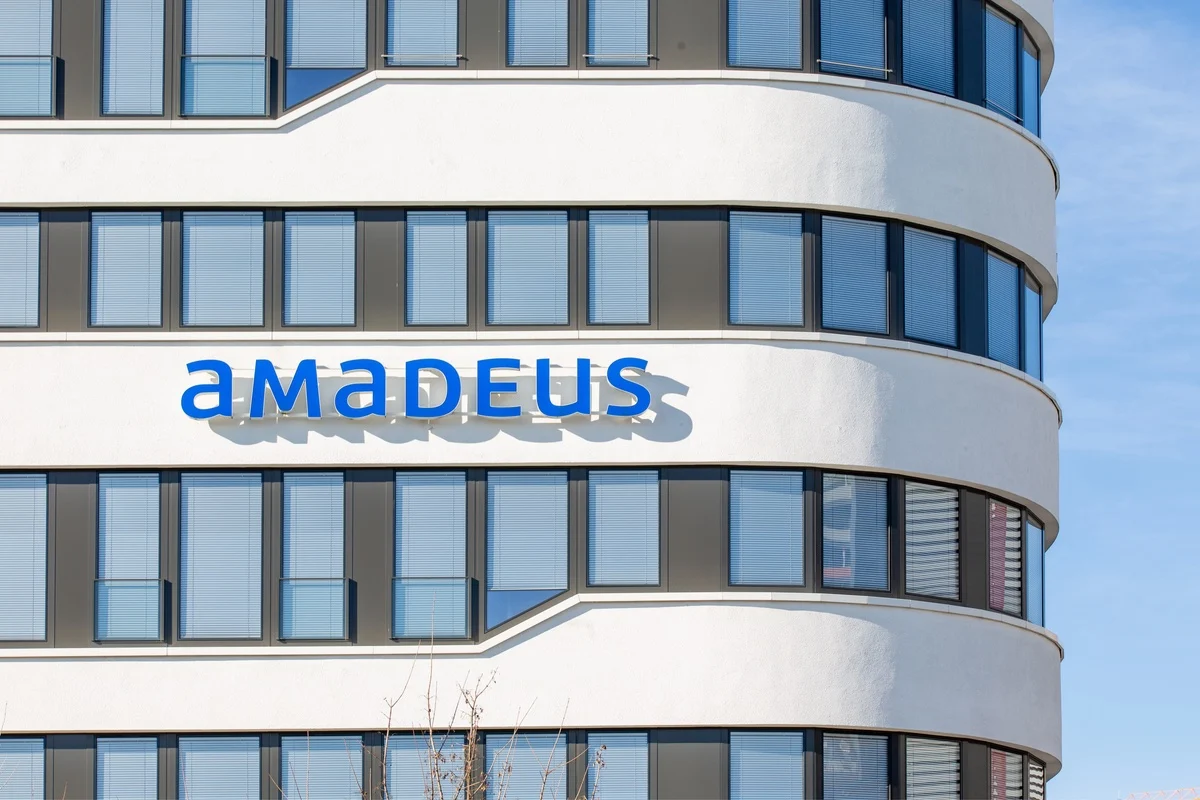
In a strategic pivot that signals a new era for travel technology, global distribution system (GDS) giant Amadeus has announced a high-stakes partnership with AI research powerhouse Anthropic. This move, unveiled in a corporate blog post this Thursday, marks a departure from the company’s traditionally guarded ecosystem. By integrating its vast repositories of flight and destination data directly into Anthropic’s Claude—specifically via "Claude Code" for developers and a prospective "Claude Cowork" interface for travel professionals—Amadeus is betting that the future of travel management will be conversational.
This announcement comes mere weeks after Amadeus shuttered its self-service developer portal, a decision that initially drew scrutiny from the tech community. By pivoting to Claude, Amadeus is essentially replacing a static, manual integration process with an agentic, AI-driven framework, aiming to democratize access to its complex travel machinery.
Main Facts: Bridging Systems and Chat
The core of the initiative lies in making Amadeus’s proprietary data—the "plumbing" of global travel—accessible through natural language.
- For Developers: Amadeus is integrating its APIs and data schemas into Claude Code. This allows developers to build, test, and deploy applications that interact with Amadeus’s systems using conversational prompts, drastically reducing the friction of documentation-heavy workflows.
- For Travel Professionals: Through a proposed "Claude Cowork" integration, travel agents and corporate travel managers could eventually perform complex tasks—such as rebooking flights, analyzing destination trends, or managing itinerary changes—by simply issuing commands to an AI assistant.
- The Shift: This is not merely a chatbot integration; it is an "agentic" approach. Amadeus is moving toward a model where AI agents act on behalf of the user to navigate the intricate, legacy-heavy environments of airline distribution.
Chronology: From Closed Walls to Open AI
To understand the significance of this move, one must view it against the backdrop of Amadeus’s recent operational history.
The Era of Proprietary Gatekeeping
For decades, Amadeus operated as a walled garden. Their systems, built on mainframe architectures and complex EDIFACT standards, were notoriously difficult for outsiders to navigate. Access was strictly controlled, requiring lengthy contract negotiations and deep technical expertise.
The "Self-Service" Experiment
In recent years, Amadeus attempted to bridge the gap by launching a self-service developer portal. The goal was to attract startups and independent developers to build on their platform. However, the complexity of the travel industry’s data meant that even with a portal, the learning curve was steep.
The Sunset of the Portal
Weeks ago, Amadeus quietly shuttered this portal. Industry analysts initially interpreted this as a step backward for innovation. However, the subsequent announcement of the Anthropic partnership clarifies the company’s intent: they were not abandoning developers, but rather shifting from a "build-it-yourself" paradigm to an "AI-assisted" model.
The Anthropic Partnership (Present Day)
With the formal announcement of the collaboration with Anthropic, Amadeus is signaling that the era of manual API documentation is fading. By embedding their data into Claude, they are effectively allowing the AI to "read" the documentation and execute the logic on behalf of the human, rendering the need for a traditional developer portal less critical.
Supporting Data: The Rise of Agentic Travel
The travel industry is currently undergoing a structural transformation driven by Generative AI. Data from current market trends suggests that the "search-to-book" funnel is being replaced by the "intent-to-fulfillment" model.
- The Productivity Gap: According to recent industry benchmarks, travel professionals spend approximately 40% of their time on repetitive administrative tasks—reissuing tickets, processing refunds, and navigating fare rules.
- Developer Velocity: Companies that have integrated AI-assisted coding tools (like Claude Code or GitHub Copilot) report a 25% to 55% increase in developer velocity. Amadeus’s move aims to capture this efficiency boost for travel developers.
- Competitive Landscape: Amadeus is not acting in a vacuum. Its primary rival, Sabre, has been aggressively pursuing a similar strategy through its "agentic marketplace" and expanded API accessibility. Meanwhile, Travelport has been focusing on its own modernization efforts, attempting to pivot its GDS infrastructure to cloud-native platforms.
Official Responses and Strategic Rationale
While specific financial terms of the deal between Amadeus and Anthropic remain undisclosed, the strategic rationale is clear. In a statement accompanying the blog post, an Amadeus spokesperson noted, "Our focus is on reducing the cognitive load for our partners. By leveraging Anthropic’s advanced reasoning capabilities, we are moving from a world where developers must learn our systems to a world where our systems understand the developer’s intent."
Industry experts suggest that this move is also a defensive play. As AI models gain the ability to scrape and interpret web data, the value of proprietary GDS data faces the threat of being "bypassed." By partnering with a top-tier AI provider like Anthropic, Amadeus ensures that its data remains the "ground truth" for any travel-related AI interaction.
Implications: The Future of the Travel Workspace
The shift to an AI-first infrastructure has profound implications for the travel ecosystem.
1. The Disintermediation of Documentation
If an AI can interpret a developer’s request and draft the necessary code to call a flight-availability API, the traditional "API documentation" becomes a secondary resource. This significantly lowers the barrier to entry for smaller travel-tech startups, potentially leading to a surge in specialized travel applications.
2. The Evolution of the Travel Agent
The role of the travel professional is set to change from a "manual processor" to an "AI supervisor." The "Claude Cowork" vision suggests a future where an agent supervises a fleet of AI agents, each handling a different aspect of a corporate client’s itinerary. This could lead to a dramatic shift in staffing requirements, where high-level analytical skills become more valuable than technical data entry skills.
3. Data Integrity and Security
Integrating travel data into a large language model (LLM) creates significant challenges regarding data privacy and security. Amadeus will need to implement robust guardrails to ensure that PII (Personally Identifiable Information) is handled correctly. The company’s move suggests confidence in Anthropic’s "Constitutional AI" approach, which focuses on safety and alignment.
4. Competitive Pressure on Peers
Sabre and Travelport now face increased pressure. Amadeus has effectively raised the bar for what a "developer-friendly" ecosystem looks like. The industry is no longer competing on who has the most extensive documentation, but on whose data is most "agent-ready."
Conclusion: A High-Stakes Gamble
Amadeus is attempting to modernize its massive, legacy-entrenched infrastructure without the catastrophic risk of a "rip-and-replace" project. By wrapping its legacy systems in the interface of modern AI, they are attempting to make their technology invisible, ubiquitous, and, most importantly, easy to use.
The success of this initiative depends on the reliability of the AI agents. If Claude can consistently navigate the complex fare rules, airline policies, and settlement protocols of the travel industry without hallucinations, Amadeus will have successfully future-proofed its business. If the AI struggles with the nuances of travel regulations, the company may find itself dealing with a new, digital layer of customer support challenges.
As the industry watches, the collaboration between Amadeus and Anthropic stands as a defining moment in the digitalization of travel. It is a clear signal that the future of travel isn’t just about booking a flight—it’s about the intelligent orchestration of global movement, facilitated by a conversation.
