





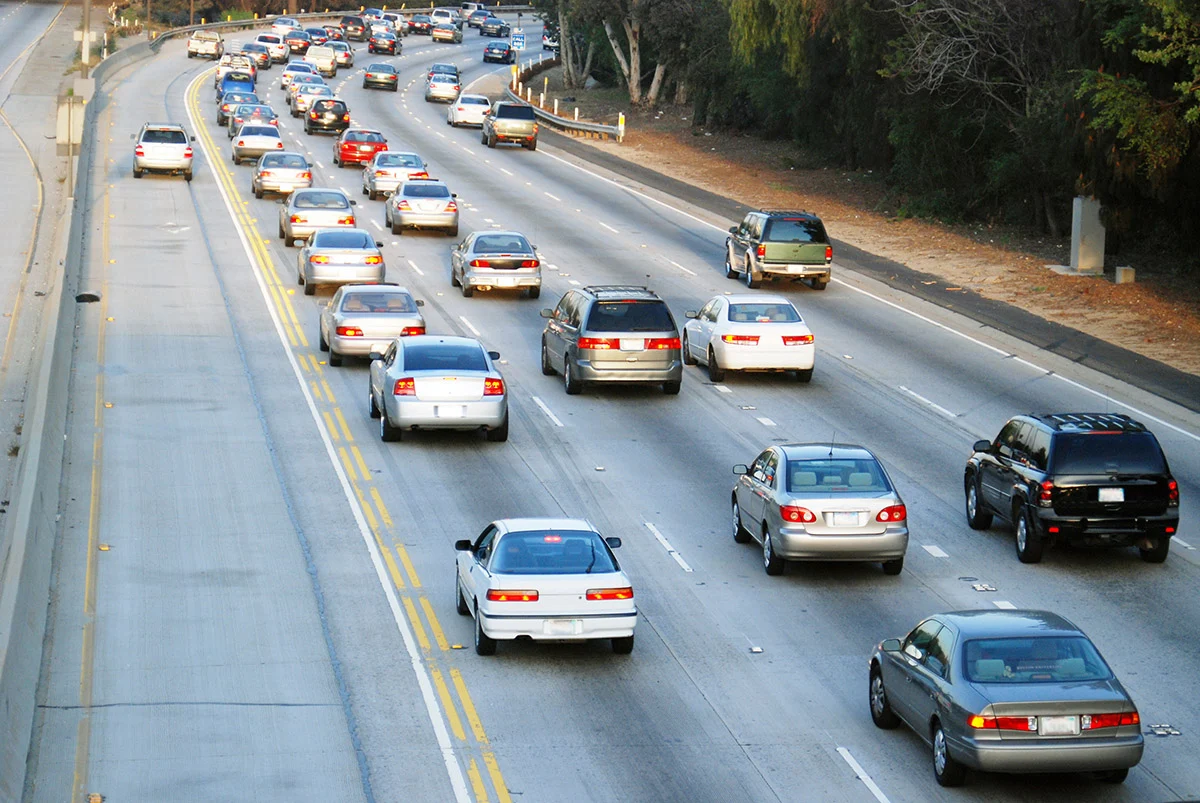
As the unofficial end of summer approaches, millions of Americans are preparing to hit the roads, skies, and seas for one final getaway. However, the 2026 Labor Day weekend brings with it a complex landscape of travel economics. According to the latest data from AAA and transportation analysts at INRIX, travelers should brace for a combination of heightened demand, elevated lodging and airfare costs, and significant traffic congestion.
Whether planning a domestic excursion to a major metropolitan hub or venturing internationally to European capitals, the 2026 holiday season demands meticulous planning and a flexible budget.
The Economic Landscape: Rising Costs for the Modern Traveler
For the average American household, the cost of leisure travel has seen a notable uptick compared to the previous year. Driven by sustained demand and fluctuating energy markets, the “vacation index” for Labor Day 2026 is trending higher across several key categories.
Airfare Disparities
The cost of air travel remains a primary concern for vacationers. AAA’s booking data reveals that the average domestic roundtrip ticket is currently priced at $750, representing a 2% increase over the previous year. This figure becomes more daunting for those targeting high-demand tourist hubs; for the most popular domestic destinations, travelers are seeing airfares balloon to an average of $790—nearly 20% higher than last year’s prices.
Conversely, the international market offers a rare reprieve. With international airfare trending 4% lower year-over-year, many travelers are opting to skip domestic flights in favor of overseas adventures, particularly in Europe.
The Lodging Premium
Accommodations have become a significant budget factor this year. Domestic hotel bookings have surged in price by 9% compared to the 2025 Labor Day period. International travelers are not immune to these pressures either, as foreign hotel bookings have risen by 12%.
For those looking to mitigate these costs, the cruise industry has emerged as a potential value proposition. With average cruise bookings from U.S. ports dropping 4% to approximately $2,700, many families are finding that the "all-inclusive" nature of a cruise ship provides better financial predictability than the combination of flights, hotels, and dining out in major cities.
Fueling the Road Trip: The Gasoline Outlook
For the vast majority of Americans, the car remains the preferred mode of holiday transport. However, motorists should be prepared to pay a premium at the pump. Market trends suggest that gasoline prices will remain higher than those seen during the previous Labor Day period, when the national average hovered around $3.19 per gallon (with Wisconsin seeing lower prices at $2.99).
Energy analysts attribute this upward pressure to several converging factors:
- Crude Oil Volatility: Crude oil, which typically accounts for roughly 50% of the price at the pump, remains stubbornly higher than last year’s benchmarks.
- Refinery Demand: Strong demand from domestic refineries, coupled with a push to meet late-summer consumption needs, has tightened supplies.
- Low Inventories: Relatively low national crude oil inventories have left the market with little buffer against supply shocks, keeping prices elevated for the average consumer.
Navigating the Asphalt: Traffic Forecast and Timing
Labor Day is unique in the travel calendar because it compresses millions of trips into a very narrow window. Unlike the winter holidays, which often span a week or more, Labor Day travel is heavily concentrated, resulting in a “clash” between holiday travelers and regular weekday commuters.
Peak Congestion Windows
INRIX, a leading provider of transportation data, has identified the following windows as the "worst times to travel" for those on the road:
- Thursday, Sept. 3: 2 p.m. to 7 p.m. (Expect heavy outbound traffic as early vacationers mix with commuters).
- Friday, Sept. 4: Noon to 8 p.m. (The most critical window; highways are expected to reach maximum capacity).
- Saturday, Sept. 5: 1 p.m. to 5 p.m. (Leisure travelers heading to regional destinations).
- Monday, Sept. 7: 2 p.m. to 5 p.m. (The traditional "return home" crush).
Proactive Vehicle Maintenance
The strain of holiday travel often highlights pre-existing mechanical issues. Last year, over 400,000 drivers required roadside assistance during the Labor Day weekend. Experts urge travelers to perform a "pre-flight" check on their vehicles, including tire pressure, fluid levels, and battery health, to avoid becoming a statistic in this year’s roadside assistance reports.
Top Destinations for 2026: Where Americans Are Headed
Data regarding current bookings indicates a strong preference for both high-energy urban centers and scenic international retreats.
Domestic Favorites
- Seattle, WA: Benefitting from late-summer temperate weather.
- Orlando, FL: Remaining the perennial leader for family theme park travel.
- Boston, MA: Seeing a surge in historical and educational tourism.
- Denver, CO: High demand for mountain accessibility.
- New York, NY: Continued strength in theater and culinary tourism.
- Chicago, IL: A central hub for Midwest travelers.
- Anaheim/Los Angeles, CA: High demand for West Coast theme parks and beaches.
- Las Vegas, NV: Persistent popularity for entertainment and nightlife.
- Anchorage, AK: A growing favorite for nature-seeking enthusiasts.
- Atlanta, GA: A major transit and leisure hub.
International Hotspots
European destinations continue to dominate the international list, likely bolstered by the slightly more affordable airfare mentioned previously.
- Rome, Italy
- Vancouver, Canada
- London, England
- Dublin, Ireland
- Paris, France
- Calgary, Canada
- Barcelona, Spain
- Athens, Greece
- Amsterdam, Netherlands
- Halifax, Canada
Implications: The Long-Term Shift in Travel Behavior
The trends observed for Labor Day 2026 suggest a permanent shift in how Americans approach travel. The willingness to pay a premium for domestic experiences indicates that consumers are prioritizing "experiential value" over pure price-sensitivity. However, the data also reveals a growing divide: travelers who can afford the 20% premium for domestic hotspots are choosing to do so, while those with tighter budgets are increasingly looking toward international options or alternative modes of travel like cruising.
Official Guidance and Recommendations
Travel experts suggest that if you have not yet finalized your plans, flexibility is your greatest asset. Moving travel days by just 24 hours—such as leaving on Tuesday or returning on Wednesday—can result in significant savings on airfare and drastically reduce time spent in gridlock traffic.
Furthermore, for those hitting the road, the "commuter clash" is unavoidable. Planning departures outside of the peak 2 p.m.–8 p.m. windows on Thursday and Friday is the most effective way to maintain sanity on the highway.
As the industry looks toward the remainder of the year, Labor Day 2026 stands as a bellwether for the travel sector. High demand, coupled with inflationary pressures on fuel and labor, confirms that the appetite for travel remains robust. However, the days of "last-minute deals" appear to be waning, replaced by a need for strategic, long-term planning.
Travelers are encouraged to monitor local fuel prices, check real-time traffic apps like Waze or Google Maps before departing, and ensure that all vehicle maintenance is up to date. By respecting the challenges of the season and planning for the inevitable congestion, holidaymakers can ensure that their final summer hurrah remains a source of relaxation rather than a logistical burden.
