



By Harrison Polites
Gamescom is not merely a trade show; it is a pilgrimage. Set against the industrial backdrop of Cologne, Germany, the Koelnmesse transforms each year into the beating heart of the global interactive entertainment industry. With over 375,000 attendees descending upon the halls, it remains the largest gaming event on the planet by attendance. Yet, as the industry evolves, the sheer scale of Gamescom raises a fundamental question: at what point does the size of an event begin to stifle the very passion it seeks to celebrate?
For those on the ground, the answer is often found in the soles of their feet after a twelve-hour day of navigating the labyrinthine corridors. From the glittering spectacle of Opening Night Live to the final, frantic hours on Sunday, Gamescom is a testament to the endurance of the gaming community and the gargantuan ambition of the developers who fuel it.
The Anatomy of the Event: Main Facts and Scale
The sheer statistics of Gamescom are staggering. Spanning multiple massive halls, the event functions as a city within a city. While E3 once held the title for the most prestigious industry gathering, Gamescom has successfully bridged the gap between a trade-only exhibition and a massive consumer festival.
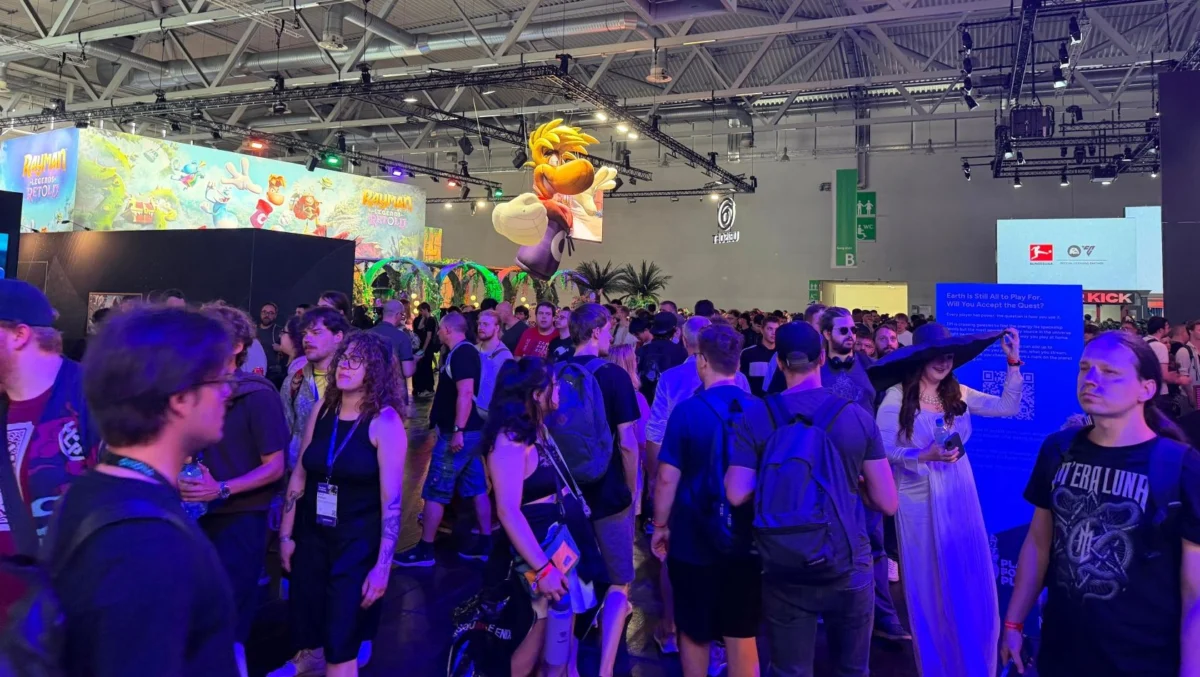
The primary challenge for any attendee is the "Queue Culture." It is not uncommon to see four-hour wait times for a fifteen-minute demo of an unreleased AAA title. For the casual fan, this is part of the allure—the chance to touch the future before the rest of the world. For the professional, it is a logistical puzzle. The event has become a "glorious crowd-crush," where the energy of 375,000 people creates a tangible, vibrating atmosphere that cannot be replicated by digital showcases.
This year, the narrative shift was palpable. While Western studios continue to iterate on established franchises, the presence of Chinese gaming giants—often referred to as "China flexing hard"—marked a significant pivot in global influence. These developers are no longer content with localized success; they are aggressively targeting the global market with high-fidelity, high-budget productions that demand center-stage attention.
A Chronological Odyssey: From Industry Exclusivity to Public Frenzy
The rhythm of Gamescom follows a distinct, exhausting pulse that veteran attendees have mapped out over years of practice.
Tuesday: The Hype Machine
The week kicks off with Opening Night Live. This event serves as the "Summer Game Fest" of Europe, a high-octane production designed to generate global headlines through a barrage of trailers, celebrity appearances, and world-first announcements. It is the polished, corporate face of the industry before the doors open to the general public.
Wednesday: The Industry Pulse
Wednesday acts as the "Industry Day." This is when the business deals happen. Behind closed doors, in glass-walled meeting rooms, publishers and developers negotiate the future of IP. On the floor, the crowds are manageable—a relative term—allowing media and trade professionals to traverse the halls with purpose.
Thursday and Friday: The Transition
By Thursday, the atmosphere begins to shift. The public floodgates are starting to open, and the "quietest" day of the week, as attendees colloquially call it, still features a density of people that would dwarf most other global conventions. By Friday, the industry exodus begins. Seasoned professionals, having secured their meetings and seen the major reveals, often retreat to the hotels or the airport, leaving the remaining floor space to the tide of weekend ticket holders.
Saturday and Sunday: The "Hellscape"
Veterans often speak of Saturday in hushed, wary tones. It is the peak of the event, characterized by a wall-to-wall human crush. Navigating the Koelnmesse becomes a contact sport. For the average attendee, this is the main event, but for those tasked with managing booths or reporting on the show, it is a logistical trial by fire where every square meter is contested.
Supporting Data: The Logistics of Overload
The logistics required to sustain an event of this magnitude are Herculean. The Koelnmesse covers over 280,000 square meters of exhibition space. Managing the flow of 375,000 people requires a level of coordination that rivals major international sporting events like the Olympics.
Data from the show floor indicates a growing trend: the "Indie Overload." While AAA titles occupy the massive, neon-lit booths, the Indie Arena is arguably the most vibrant sector of the convention. Despite being physically dwarfed by the massive displays of global conglomerates, independent developers are increasingly utilizing Gamescom to gain global exposure. The surge in indie participation suggests that while the big players dominate the headlines, the soul of the event remains in the experimental, grassroots creativity found in the smaller, jam-packed aisles.
Voices from the Floor: Official Responses
To understand the current state of the industry, one must listen to those who build it. During this year’s event, I sat down with representatives from Daybreak Game Company, the team behind EverQuest, and the developers behind Path of Exile from Grinding Gear Games.
When asked about the challenge of engaging with such a massive audience, the consensus was clear: the direct feedback loop is irreplaceable. "In a digital-first world, you lose the visceral reaction of the player," a spokesperson for Daybreak noted. "Seeing someone pick up a controller and react to your game—or even struggle with it—gives us insights that no amount of analytics software can provide."
The narrative regarding the rise of Chinese studios was equally compelling. Developers from the region noted that the shift isn’t just about capital; it’s about a cultural export. "We are bringing our own stories and our own aesthetic sensibilities to the world stage," one representative stated. The investments being made by these companies in booth design and on-site activations rival those of legacy Western studios, signaling a permanent change in the global gaming hierarchy.
The Implications: Is Bigger Always Better?
The success of Gamescom poses a strategic dilemma for the future of trade shows. If the goal of an event is to foster connections, facilitate business, and build community, does the current model of extreme scale eventually become counterproductive?
- The Accessibility Barrier: As crowds grow, the barrier to entry for the average attendee—who must endure hours of waiting—is reaching a breaking point. If the "fan experience" becomes synonymous with "waiting in line," there is a risk that public enthusiasm may eventually wane.
- The Professional Exodus: The fact that industry professionals feel compelled to leave before the event concludes suggests a disconnect between the trade and consumer sides of the convention. The industry is effectively "bailing out" before the peak of the consumer event.
- Global Power Shifts: The rise of Chinese developers and their aggressive expansion into international markets indicates that Gamescom is no longer just a European event; it is the central nexus for a truly global, interconnected industry.
Conclusion: The Unstoppable Force
Gamescom remains a glorious, messy, and vital component of the gaming ecosystem. It is a spectacle that reminds us that, despite the convenience of the digital age, humans still crave the shared experience of the crowd. Whether the event can continue to scale upwards without sacrificing the quality of the attendee experience remains to be seen.
For now, the chaos continues. The queues will persist, the indie booths will remain crowded, and the industry will keep looking to Cologne as the definitive barometer for the year ahead. Gamescom is not just a show; it is a force of nature, and for 375,000 fans, there is nowhere else on earth they would rather be.
