



The summer of 2026 will be etched into the annals of Washington State history as a period of unprecedented environmental and economic upheaval. As a series of devastating wildfires tore through the landscape, the state’s Office of the Insurance Commissioner (OIC) faced a "baptism by fire." For Insurance Commissioner Patty Kuderer, who has been at the helm for over a year and a half, the crisis served as the ultimate stress test for her leadership and the agency’s newly minted disaster response infrastructure.
Following in the footsteps of Mike Kreidler—the nation’s longest-serving insurance commissioner who held the office from 2001 until his retirement—Kuderer inherited a department that needed to evolve in the face of increasingly catastrophic climate risks. This summer’s events proved that evolution was not only timely but essential.
The Magnitude of the Disaster: A Financial Reckoning
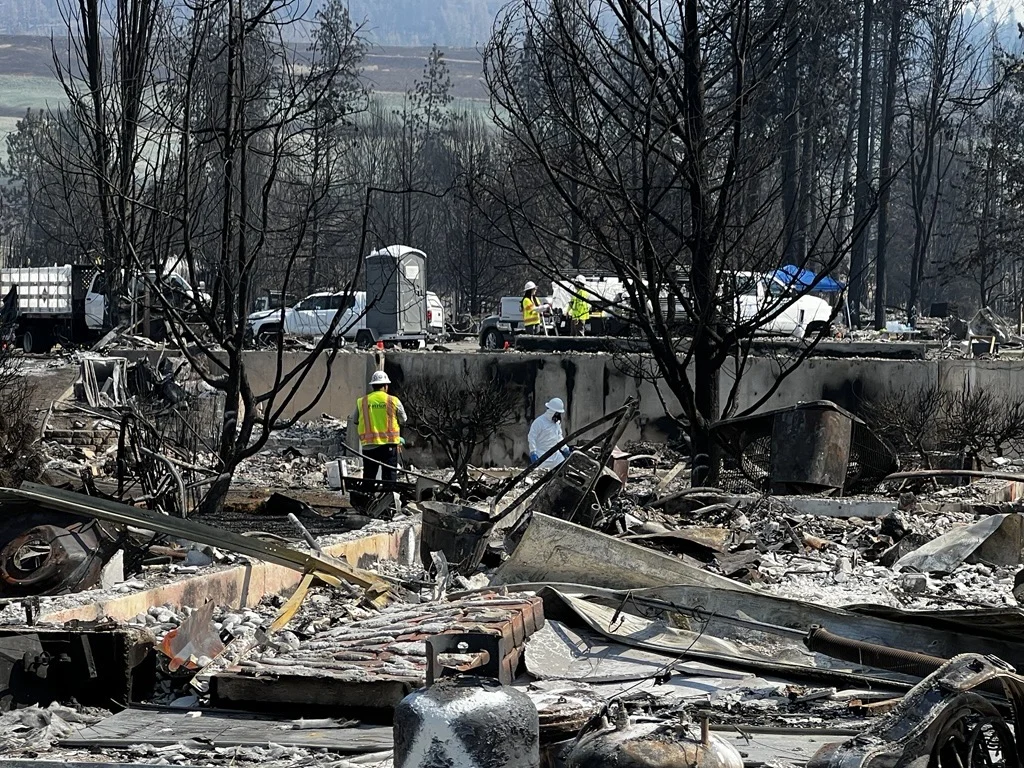
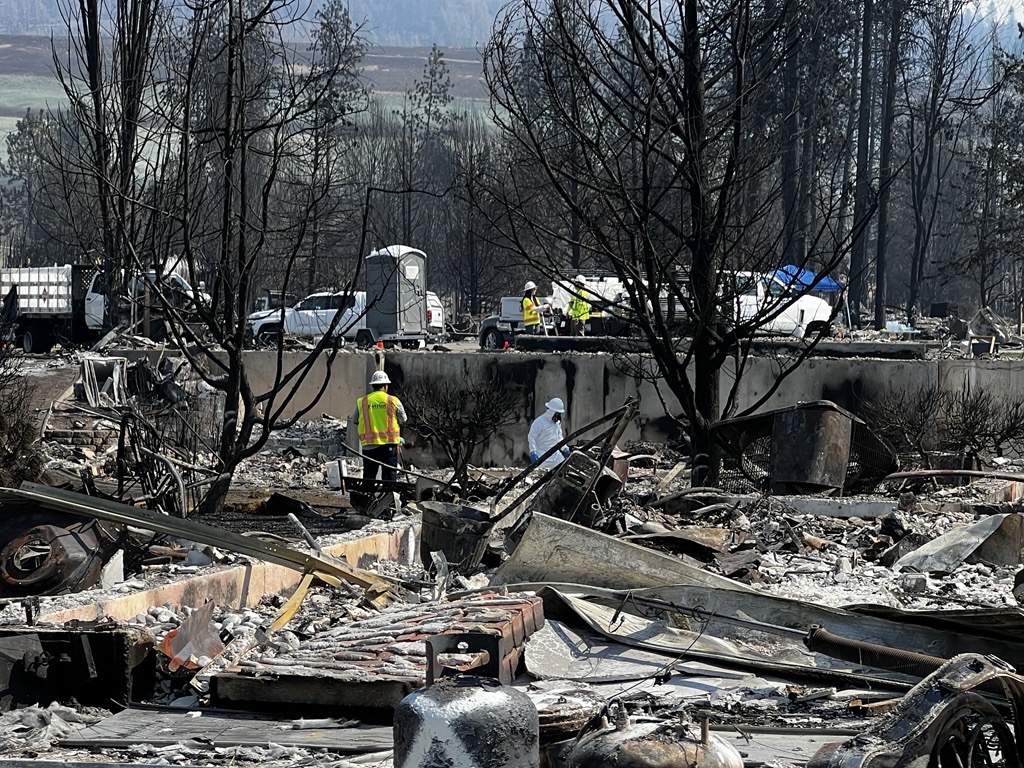
The numbers surrounding the 2026 wildfire season are sobering. According to Spokane County Assessor Tom Konis, the rebuilding costs for the three primary wildfires that comprised the "Spokane Complex Fire" alone are projected to exceed $1 billion.
Data released by the OIC on Tuesday paints a stark picture of the broader financial impact: the industry is currently projecting $600 million in insured losses statewide. Of that figure, approximately $535 million is attributed specifically to residential damage. While these figures represent the aggregate impact across Washington, the lion’s share of the destruction was localized within the Spokane Complex Fire, which saw the Old Trails, Fairview, and Autumn Lane fires consume nearly 10,000 acres and obliterate approximately 900 structures.
A comprehensive analysis from property data firm Cotality further illuminates the scope of the tragedy. Their data identified 5,256 individual properties that sustained some degree of damage, with a staggering 96% of those being single-family residences. The total reconstruction cost value for these damaged homes sits at a daunting $1.9 billion, highlighting a significant "protection gap" between the actual cost of recovery and the current industry-projected insured losses.
Chronology of a Crisis
The 2026 season was not a singular event, but a rapid-fire succession of disasters. The early summer months saw an uptick in fire weather warnings, which culminated in the explosive growth of the Spokane Complex Fire.
- Early Summer: OIC teams were already on high alert, having implemented the Community Outreach and Disaster Response (CODR) program, which Kuderer established to ensure that residents had access to insurance expertise in the immediate aftermath of any disaster.
- The Spokane Surge: When the fires ignited, the rapid response teams were deployed almost immediately to local disaster recovery centers. This allowed for real-time guidance on navigating complex policy language and filing claims.
- August Interventions: As the smoke cleared and the initial assessment phase began, Commissioner Kuderer personally toured the affected regions. Her goal was twofold: to provide a state-level presence for distraught residents and to interface with insurance carriers to prevent bureaucratic bottlenecks from hindering the recovery process.
Official Response: Streamlining the Recovery
Commissioner Kuderer’s approach to the claims process has been characterized by "aggressive pragmatism." During her recent tour of Spokane, she heard from stakeholders and officials about the ongoing recovery. While she noted that the majority of resident feedback regarding insurance payouts has been positive, she identified a critical friction point: the demand for exhaustive personal property inventories.
"I only know what I’m hearing on the ground and there have been more compliments than not," Kuderer stated. "But there have been some complaints, especially when it comes to personal property and some companies requiring the full inventory."
In the wake of a total home loss, requiring a family to list every item they owned—often while they are displaced and grieving—is a process that can delay critical cash flow. Kuderer has praised the carriers who have taken a more empathetic approach, noting that at least one major insurer has voluntarily paid out 65% of their policy limits without requiring an itemized inventory. She is now actively considering a formal letter to the industry, urging all carriers to adopt similar "fast-track" procedures to ensure families can secure temporary housing and essentials without unnecessary delay.
Building Back: The Debate Over Safety Standards
One of the most contentious issues arising from the 2026 fires is the pressure to lower building standards to accelerate construction. As Washington struggles with a statewide housing shortage, there is a vocal contingent of stakeholders advocating for a relaxation of building codes to facilitate faster development.
Commissioner Kuderer, drawing on lessons from California’s recent struggles—specifically in Lahaina and the Palisades—has taken a hard line against this approach. She warns that weakening standards is a recipe for long-term insurance instability.
"I think that’s a mistake," Kuderer said, referencing the executive order issued by California Governor Gavin Newsom in 2025, which allowed for less stringent building standards in the wake of the L.A. wildfires. "I totally understand the desire to want to build quickly, but I think we have to build back smartly."
For Kuderer, "smartly" means strictly adhering to the standards set by the Insurance Institute for Business & Home Safety (IBHS). She argues that if homes are not reconstructed to be fire-resistant, they will become uninsurable in the near future. The fear is that Washington could face the same "insurance desert" scenarios seen in other parts of the West, where carriers pull out of regions they deem too high-risk.
Implications: A New Era of Resilience
The vulnerability of communities like Malden, which suffered through the 2020 Wells Road fire and was nearly struck again this year, serves as a grim reminder that climate risks are not one-off anomalies.
"Tragedy can strike twice and it did there," Kuderer emphasized. "I’d rather us reduce the potential for this to happen again and we have an opportunity here to do that with Spokane."
The CODR Program and Proactive Mitigation
Kuderer’s preparation for these fires was rooted in her time in the state legislature, where she grew weary of the annual cycle of "worst-ever" fire seasons. This experience led to the creation of the Community Outreach and Disaster Response (CODR) program. The program functions as an insurance-focused rapid-response unit, deploying experts directly to the site of disasters to ensure that:
- Underinsured residents are identified early.
- The claims process is demystified for homeowners.
- Local town halls (the "Community Connect" initiative) are used to educate the public on the realities of wildfire risk and current insurance market trends.
The Looming Regulatory Fight
The tension between the need for rapid housing development and the requirement for long-term fire safety is likely to define the next legislative session in Olympia. Kuderer is positioning the OIC as a safeguard for consumer interests, arguing that the true cost of "fast" building is the eventual loss of property protection.
As the state transitions from the emergency response phase to the long-term recovery phase, the OIC’s role will continue to evolve. The Commissioner is signaling that she is willing to leverage the full weight of her office to ensure that the insurance industry works in lockstep with the state’s long-term safety goals.
Whether this results in a permanent change in how insurance carriers handle catastrophic claims or leads to a showdown over building codes remains to be seen. However, one thing is certain: under Kuderer’s leadership, the OIC is no longer just a regulatory body—it has become an active participant in the state’s struggle to survive and thrive in an era of climate-driven catastrophe.
For the residents of Spokane and the wider state, the focus now turns to the winter months, where the scars on the landscape will remain as a stark reminder of the work that lies ahead—and the urgency of building a more resilient Washington.
