





In the hyper-saturated landscape of modern digital gaming, the sheer volume of new releases can feel like a deluge. For independent developers, the challenge is no longer just about building a compelling world or an addictive mechanic; it is about cutting through the noise. At the heart of this struggle is the "discovery problem"—a systemic barrier that keeps brilliant, innovative titles buried under a mountain of algorithm-driven content and marketing heavyweights.
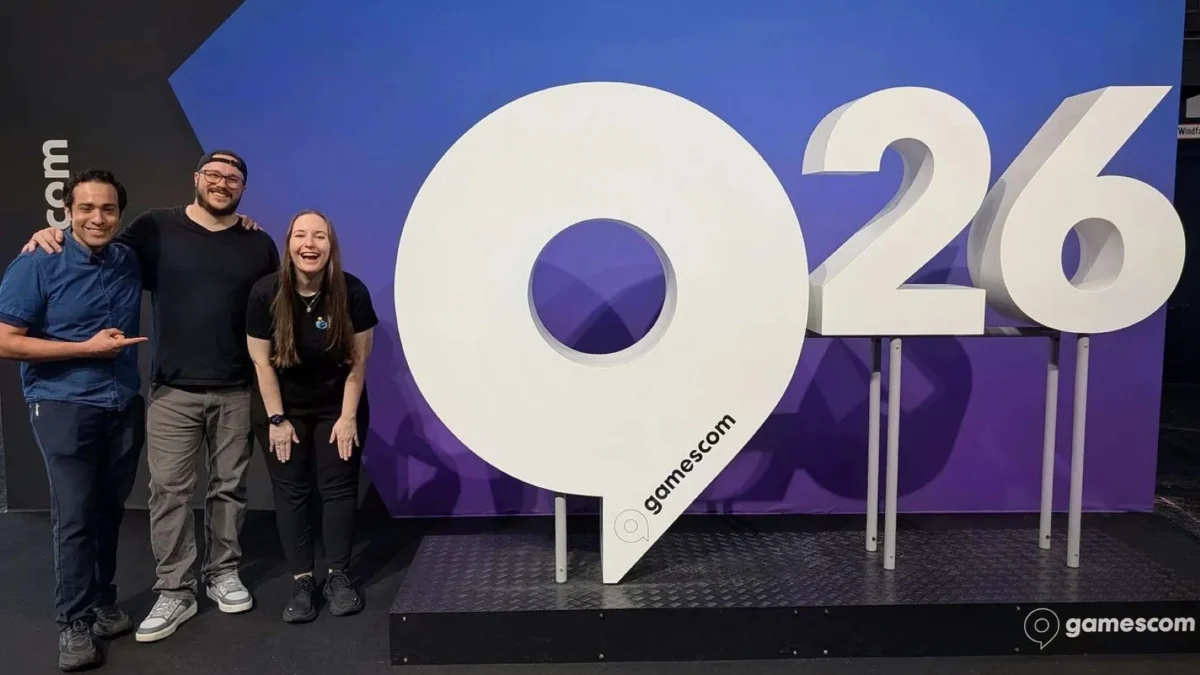
Enter PlayIndies, a nascent venture that officially broke cover at Gamescom in Cologne, Germany, this month. Co-founded by Kate Hall and Keith Muelas, the platform aims to fundamentally reshape how indie games find their audience while simultaneously implementing robust safeguards to protect the ecosystem from the rising tide of "key scams" and malicious actors.
The Genesis: From Stealth to the World Stage
The reveal of PlayIndies at Gamescom was as much a logistical feat as it was a business milestone. Kate Hall, based in Western Australia, and Keith Muelas, operating out of the Pacific Northwest near Seattle, converged in Germany to pull their venture out of stealth mode.
For the uninitiated, Gamescom is the epicenter of the global gaming industry—a sprawling, frantic exhibition where the world’s largest publishers jostle for attention. Amidst the chaos, Hall and Muelas spent the week darting between booths, pitching their vision to investors, developers, and industry veterans.
"As somebody who’s worked in marketing and has been a creator as well for a decade, I’m building the tool I would have wanted 10 years ago," Hall remarked during a brief respite from her frantic schedule. The sentiment reflects a recurring theme in the indie sector: a shift away from reliance on legacy platforms toward bespoke, community-focused discovery tools. While the industry has treated PlayIndies as an "open secret" for months, its official emergence signals that the platform is ready to challenge the status quo.
The Discovery Problem: Why Indie Games Struggle
To understand the necessity of PlayIndies, one must analyze the current state of digital storefronts. Platforms like Steam, the Epic Games Store, and mobile marketplaces have lowered the barrier to entry, allowing virtually anyone to publish a game. While this has democratized creation, it has also created a signal-to-noise ratio that is nearly impossible for small studios to overcome.
The Algorithm Trap
Most storefronts rely on complex algorithms that prioritize engagement metrics, historical sales data, and review volume. For a debut title from a small team, these metrics are non-existent. Consequently, these games often languish in the "new releases" tab for mere hours before being pushed into obscurity.
The Key Scam Epidemic
Compounding the issue of discovery is the rise of malicious actors. "Key scams"—where bad actors pose as legitimate influencers or journalists to acquire free game keys, only to resell them on gray-market sites—have become a massive headache for developers. These scams not only drain revenue but also damage the developer’s relationship with legitimate press and content creators. PlayIndies is positioning itself as a secure gateway, utilizing verification protocols that ensure game keys reach the hands of genuine, vetted professionals.
Supporting Data: The Economic Reality of Indie Development
The economic landscape for indie developers is increasingly precarious. According to recent industry surveys, nearly 60% of indie games fail to recoup their development costs.
- Market Saturation: In 2023 alone, over 14,000 games were released on Steam. This volume growth has outpaced the growth of the average gamer’s playtime.
- The "Marketing Gap": Smaller studios frequently spend more time navigating store policies and fighting off spam bots than they do on community engagement.
- The Cost of Fraud: Estimates suggest that indie developers lose millions annually to key-harvesting bots and resale fraud. For a team of five, losing even 500 keys to a scam can equate to tens of thousands of dollars in lost potential revenue and skewed market data.
PlayIndies aims to bridge this "marketing gap" by providing a curated, high-trust environment where the platform manages the verification process, allowing developers to focus their energy on building their audience rather than playing detective.
Chronology of Development
- Early 2023: Initial concepts for PlayIndies are drafted by Hall and Muelas, focusing on a decentralized verification system for indie keys.
- Late 2023: Prototype development begins, with a focus on integrating with existing storefront APIs.
- Q1 2024: The company enters a quiet, "stealth" beta phase, inviting a select group of independent studios to test the discovery and key-distribution features.
- Q2 2024: The team begins refining their security protocols in response to a surge in sophisticated bot-driven spam targeting their beta participants.
- August 2026 (Gamescom): The official public launch. The team uses the event to establish partnerships and demonstrate the platform’s user interface to key industry stakeholders.
Official Perspectives: A Vision for the Future
During the Gamescom event, the leadership team was clear about their philosophy. "Discovery isn’t just about showing a game to a thousand people; it’s about showing the right game to the right thousand people," Muelas noted.
The PlayIndies model is built on three pillars:
- Transparency: Providing developers with granular data on who is looking at their content and how it is being distributed.
- Security: Implementing a multi-layered verification system that makes it economically unviable for scammers to operate on the platform.
- Community: Moving away from static store pages toward dynamic, creator-led discovery where developers can build long-term relationships with their players.
By creating a "walled garden" of sorts—not one that limits access, but one that ensures the participants are authentic—PlayIndies hopes to restore the trust that has been eroded by the influx of low-effort, automated content that currently plagues the industry.
Broader Implications for the Gaming Industry
If PlayIndies succeeds, the ripple effects could be significant. Firstly, it could pressure larger platforms to improve their own anti-fraud measures. If developers see that a smaller, specialized platform can effectively handle key security, the demand for better tools from giants like Valve or Epic will grow.
Secondly, the success of this model could herald a shift in how games are marketed. The "influencer-first" approach has proven effective, but the current process is plagued by inefficiency and fraud. By streamlining the connection between developer and creator, PlayIndies is effectively creating a new B2B marketplace for game promotion.
Finally, the platform’s focus on discovery highlights a cultural shift in gaming: the return to curation. As the sheer number of games becomes overwhelming, players are increasingly turning toward trusted curators, indie-focused newsletters, and niche discovery platforms to find their next favorite game.
Looking Ahead: The Path Forward
The road ahead for Hall, Muelas, and the rest of the PlayIndies team is not without hurdles. The gaming market is notoriously resistant to change, and major platforms hold a significant amount of inertia. To succeed, PlayIndies must prove that it can scale its verification processes without compromising the user experience.
However, the enthusiasm surrounding their Gamescom debut suggests that the industry is hungry for change. The "blur" of activity that defined their presence in Cologne wasn’t just nervous energy; it was the momentum of a team addressing a genuine pain point in a multi-billion dollar industry.
As PlayIndies moves from the show floor to the actual marketplace, the question will shift from "What is this?" to "How did we ever survive without it?" For the indie developer, the hope is that this new tool provides the visibility—and the security—needed to turn a passion project into a sustainable career.
In an era where "getting discovered" feels like winning the lottery, PlayIndies is attempting to rewrite the rules of the game, shifting the focus from luck back to strategy, community, and security. The indie world is watching closely, and for the first time in a long time, there is a tangible sense of optimism regarding the future of independent game discovery.
