

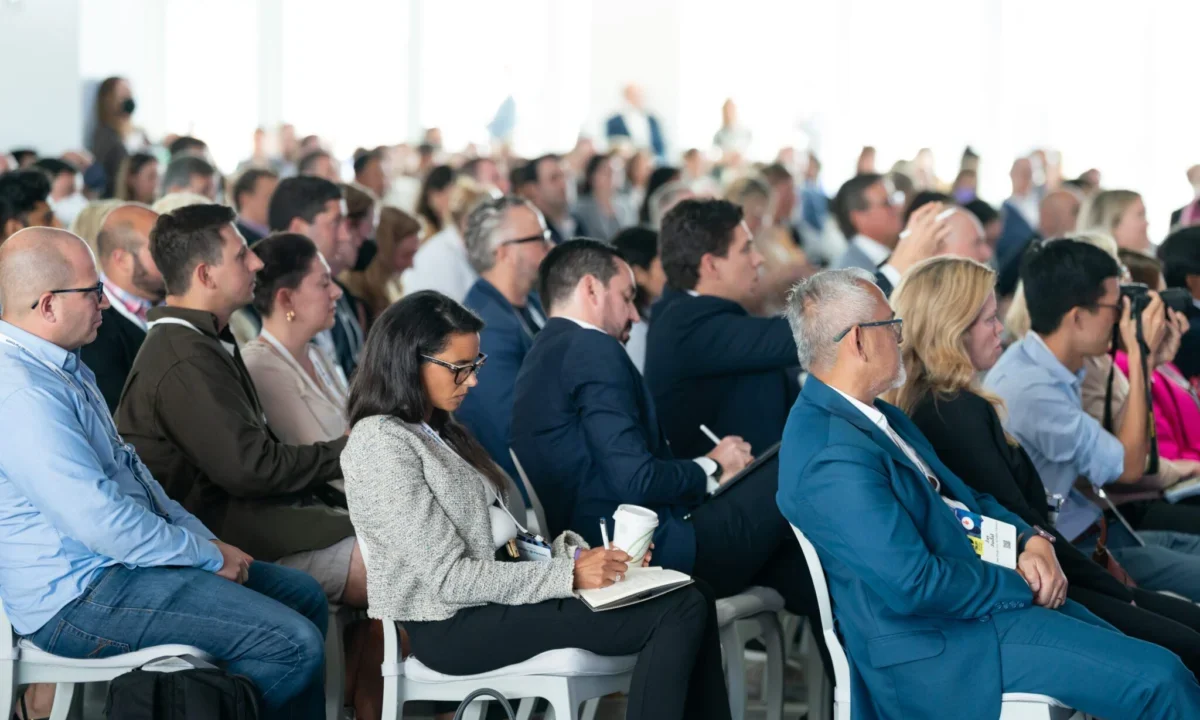
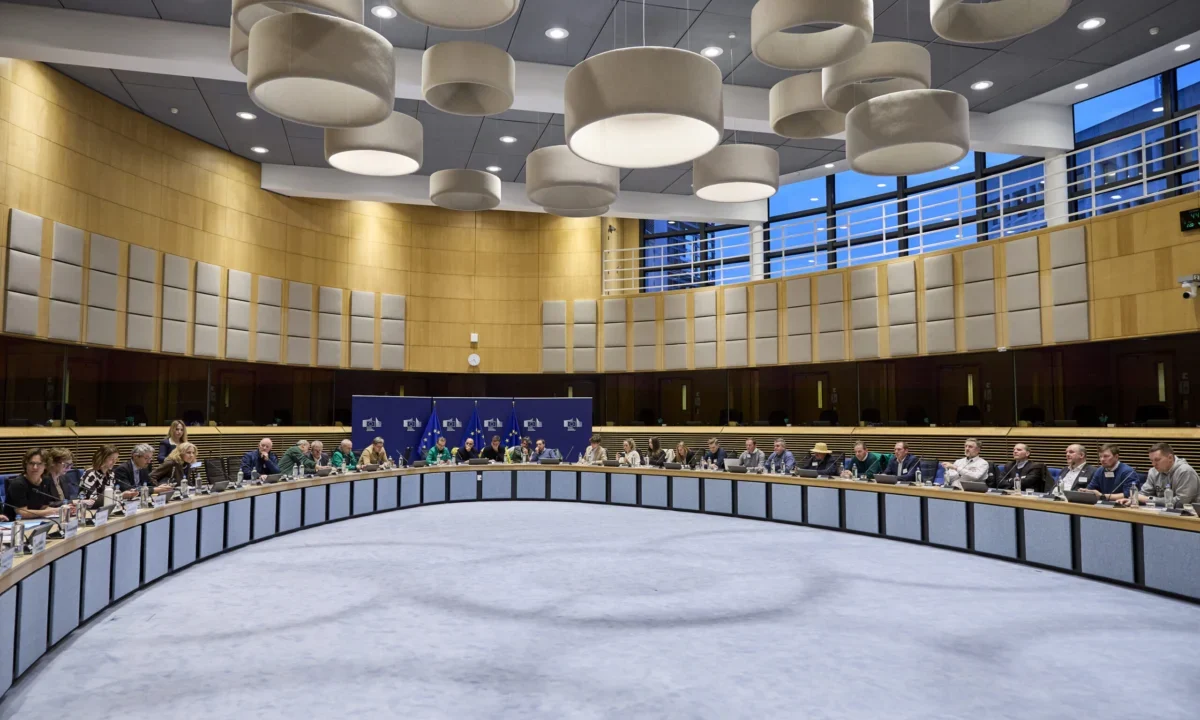

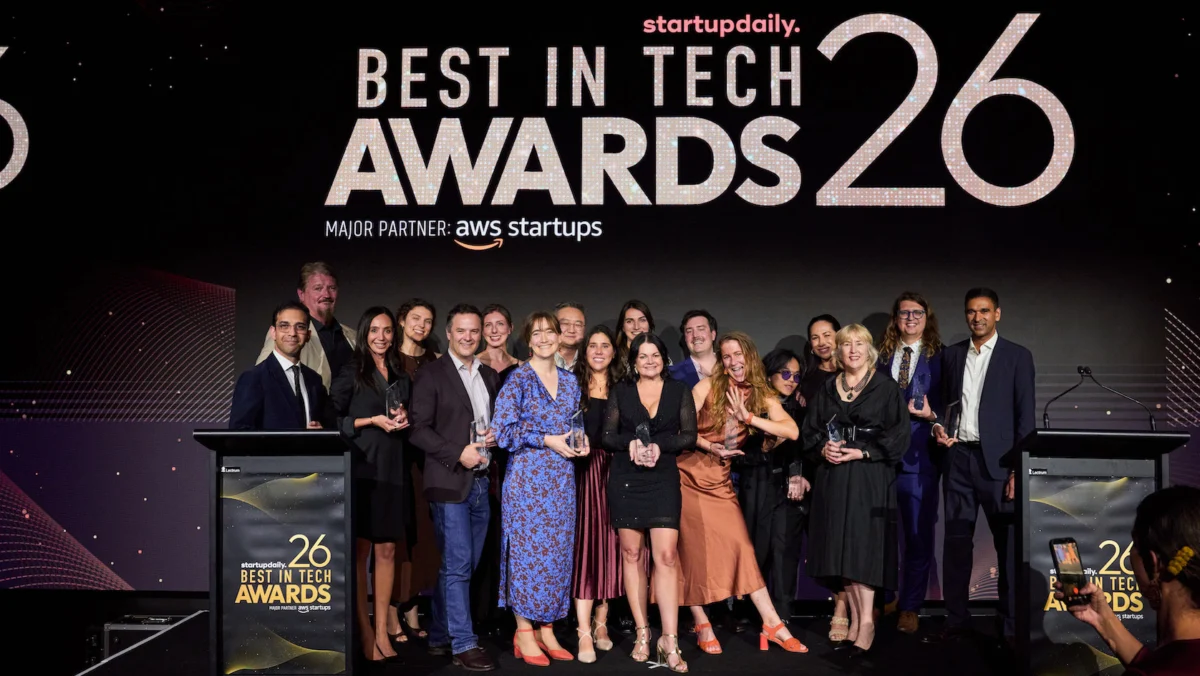
The Australian innovation ecosystem converged this week for the 2026 Startup Daily Best in Tech Awards, a high-stakes celebration that underscored a pivotal shift in the local technology landscape. As the dust settled on a sold-out dinner event attended by 220 of the nation’s most influential founders, investors, and policymakers, two clear narratives emerged: the unstoppable ascendancy of artificial intelligence as a practical, life-saving utility, and the dramatic, long-overdue surge in female-led enterprises claiming top honors.
At the heart of the night’s proceedings was Heidi, the AI-driven health platform that has fundamentally transformed how medical practitioners interact with patients. By sweeping two of the night’s most prestigious categories—Scaleup of the Year and the AI Gamechanger award—Heidi served as the night’s primary case study for what happens when cutting-edge technology meets a tangible, human-centric problem.
The Main Facts: A New Vanguard for Australian Tech
The 2026 Best in Tech Awards served as more than just a ceremony; it functioned as a barometer for the health of the Australian startup sector. While previous years were defined by speculative growth and venture capital hype, 2026 has clearly pivoted toward "pragmatic innovation."
Heidi’s double victory was the defining moment of the evening. The platform, which automates clinical documentation and patient interaction tracking, has seen rapid global adoption. By offloading the administrative burden from doctors, Heidi is not just another piece of software; it is a clinical efficiency tool that is actively mitigating physician burnout and improving patient outcomes on an international scale.
However, the night was far from a one-act play. Across the categories, a diverse cohort of founders took the stage, with a notably high representation of women at the helm of winning organizations. This demographic shift represents a significant milestone for an industry that has historically struggled with equity and representation.
Chronology of the Evening: Risk, Purpose, and Recognition
The event, held at a premier venue in the heart of Sydney’s business district, kicked off with a palpable energy. Following a networking session that saw industry titans mingling with early-stage founders, the keynote address was delivered by Allegra Spender, federal Member for Wentworth and a former entrepreneur.
Spender’s speech provided the philosophical backbone for the awards. She spoke candidly about the "start-up journey"—a path characterized by extreme professional and personal vulnerability.
"Startups are about two things—it’s taking a big risk, and that’s a big cost for people, when they give up a job to say, ‘I want to create something different,’" Spender noted. Her words resonated deeply with a room full of people who have personally navigated the "valley of death" that often precedes commercial success.
Following the keynote, the awards were presented in quick succession. The progression of winners highlighted a clear trend: the integration of AI into legacy industries. From healthcare and finance to supply chain management, the "Gamechanger" awards were almost exclusively populated by companies leveraging machine learning to solve "boring but essential" problems.
Supporting Data: Why AI is Winning the "Utility War"
The data surrounding this year’s finalists points to a maturing market. According to recent industry reports, investment in AI-native startups in Australia has grown by over 40% year-on-year. However, the type of AI being funded has shifted.
The Shift Toward Vertical AI
Investors are moving away from "General AI" platforms and pouring capital into "Vertical AI"—companies like Heidi that solve specific, high-value problems in niche markets.
- Efficiency Metrics: Award winners reported an average reduction in operational overhead of 35% for their clients.
- Global Reach: Over 70% of the finalists at this year’s awards currently generate more than 50% of their revenue from international markets, marking a move away from the "domestic-only" mentality that once constrained Australian tech.
The Female Founder Surge
While exact percentages fluctuate by reporting body, the 2026 Best in Tech Awards saw a 22% increase in female-founded or co-founded startups reaching the finalist stage compared to 2025. This data point is crucial; it suggests that the pipeline of female talent is finally reaching a stage of maturity where it can compete—and win—at the highest levels of the industry.
Official Responses and Industry Sentiment
The atmosphere following the announcement of the winners was one of cautious optimism. Industry leaders interviewed at the event expressed a sentiment that the Australian tech sector is "finally coming of age."
Perspectives from the Podium
Allegra Spender emphasized the necessity of the "purpose-driven" startup. "If you want to take that risk, it’s about a purpose, and that’s what’s been so inspiring about so many of the awards finalists and winners—the positive change they want to create in the world is amazing," she told the audience.
This sentiment was echoed by venture capitalists present, who noted that the current economic environment demands more than just "growth at all costs." Founders are now being asked to prove the social and economic utility of their products before they can secure significant funding rounds.
The View from the Winners
The team behind Heidi, in their acceptance speeches, highlighted that their success is a testament to the talent of the local workforce. "We didn’t just build a tool for doctors; we built a bridge between technology and humanity," a representative stated. The consensus among the victors was that Australian tech is currently punching above its weight globally because of the country’s unique ability to combine technical rigor with user-centric design.
Implications for the Future of Australian Innovation
The 2026 Startup Daily Best in Tech Awards has set a new standard for what it means to be a "successful" startup in the current era. As we look toward the remainder of the decade, several key implications arise:
1. The Death of the "Generalist" Startup
We are entering an era where specialized, AI-driven solutions are the new baseline. Companies that cannot demonstrate a clear, quantifiable improvement in their client’s workflow will struggle to gain traction. The success of Heidi proves that the market rewards depth over breadth.
2. A More Inclusive Ecosystem
The surge in female founders is not a fleeting trend but the result of sustained efforts in mentorship, seed funding, and corporate support programs. As more women occupy the winner’s circle, they act as beacons for the next generation of founders, creating a flywheel effect that will continue to diversify the industry’s leadership.
3. Policy and Risk Management
The focus on "risk" in the keynote address highlights a growing realization that Australia needs better policy frameworks to support the startup sector. If the government wants to foster a tech-driven economy, it must continue to incentivize high-risk, high-reward ventures. The "cost" of starting a company—both financial and emotional—must be mitigated by a supportive regulatory environment.
4. The Global Imperative
The success of companies like Heidi serves as a reminder that Australia is no longer an isolated island of innovation. The "global by design" approach is now the standard. Future awards will likely see even higher levels of cross-border collaboration and international market expansion.
Conclusion: The Road Ahead
As the 2026 Best in Tech Awards conclude, the message to the broader business community is clear: technology is no longer a separate vertical; it is the infrastructure upon which all future business will be built.
The dominance of AI, represented by winners like Heidi, demonstrates that the most successful companies are those that leverage technology to solve the most human of problems—health, connection, and efficiency. Meanwhile, the rising tide of female founders ensures that the next wave of innovation will be more inclusive, creative, and representative of the society it serves.
For the Australian startup ecosystem, the challenge now is to maintain this momentum. The success stories of 2026 provide a blueprint for what is possible, but they also raise the bar for what is expected. As founders return to their offices, labs, and studios, the pressure is on to turn these accolades into sustainable, global impact.
The 2026 awards have done more than just honor the winners; they have defined the future trajectory of the Australian technology sector. If this year’s ceremony is any indication, the future is not just digital—it is intelligent, purposeful, and profoundly human.
