





By Industry Desk
Published September 17, 2026
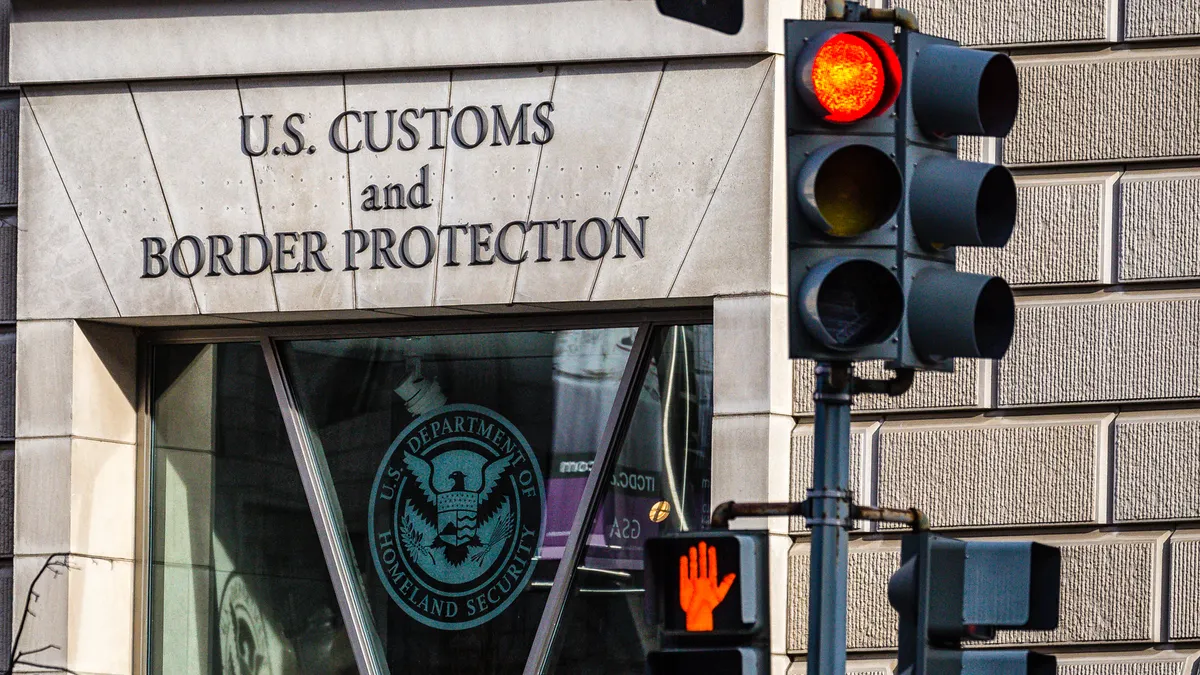
In a significant update for global supply chain stakeholders, U.S. Customs and Border Protection (CBP) has announced a critical expansion of its reimbursement framework. Beginning October 6, 2026, the agency will allow for the processing of claims related to "finally liquidated" entries—a move that opens the door for billions of dollars in potential tariff recoveries.
The expansion represents the third phase of the Consolidated Administration and Processing of Entries (CAPE) portal, the digital infrastructure established to manage the fallout from the Supreme Court’s landmark ruling earlier this year, which struck down tariffs enacted under the International Emergency Economic Powers Act (IEEPA).
The Core Development: Eligibility and Process
According to a recent court filing, Brandon Lord, executive director of CBP’s Trade Programs Directorate, confirmed that businesses that successfully submitted a valid importer of record (IOR) number to the agency by the end of July will be eligible to seek refunds for finally liquidated entries.
The process will be conducted entirely through the CAPE portal. However, the agency has introduced a caveat for later arrivals: businesses seeking refunds for entries submitted after July 30, 2026, must wait for further guidance from the CBP. As of now, no specific timeline has been established for these secondary claims, leaving a segment of the importing community in a state of administrative limbo.
A Chronology of the IEEPA Refund Saga
The road to this announcement has been marked by high-stakes litigation and significant administrative hurdles.
- February 2026: The Supreme Court issues a definitive ruling invalidating various tariffs previously imposed under the IEEPA, effectively creating a massive liability for the U.S. government regarding collected duties.
- Spring 2026: CBP launches the initial phases of the CAPE portal, designed to handle non-liquidated entries and streamline the repayment process.
- July 2026: The agency misses its original target for launching the third phase of the portal, which was intended to address finally liquidated entries. The delay causes frustration among industry groups and trade lawyers.
- September 11, 2026: CBP reports that $22 million in IEEPA tariff refunds have been paid out, while $122 billion has been successfully processed and forwarded to the Treasury for final disbursement.
- September 17, 2026: CBP formally announces the October 6 launch date for the third phase of CAPE, covering finally liquidated entries.
Supporting Data: The Scale of the Repayment
The sheer volume of capital moving through the CAPE system underscores the magnitude of the IEEPA tariff fallout. As of mid-September 2026, the agency has accepted approximately $134.7 billion in potential and certified refund claims.
The segment of the market represented by "finally liquidated" entries is substantial. Analysts estimate that this third phase covers roughly $11.4 billion, or 6.9% of total IEEPA-related tariffs. The rapid transition of $122 billion to the Treasury Department indicates that while the bureaucracy has been complex, the underlying financial mechanisms are functioning at a high capacity to return funds to the private sector.
Official Responses and Legal Friction
While the expansion of the portal is a victory for importers, the legal environment remains contentious. The Department of Justice (DOJ) has actively appealed the broader court order that compelled these refunds.
The DOJ’s argument hinges on jurisdictional reach. Government lawyers contend that the court lacks the authority to issue a universal refund mandate that applies to all entities regardless of their participation in the legal process. The government maintains that the refund order should be strictly limited to parties that were active plaintiffs in the litigation against the government.

Industry experts are advising extreme caution. Pete Mento, managing director of global trade advisory services at Baker Tilly, emphasized that the mere ability to file a claim via the portal does not guarantee a successful payout.
"For businesses waiting on finally liquidated IEEPA entries, this is a meaningful development," Mento noted via LinkedIn. "But please read the eligibility requirements before telling your CFO to start spending the refund. Your litigation status and the applicable court orders still matter."
The Implications for Importers and Global Trade
The opening of the CAPE portal to finally liquidated entries carries profound implications for corporate treasury departments and supply chain strategy.
1. Cash Flow Management
For many mid-to-large importers, these refunds represent a massive influx of capital that had been tied up in the government’s coffers for years. CFOs who have been accounting for these duties as sunk costs are now recalibrating their balance sheets. However, the unpredictability of the DOJ’s appeals means that companies must treat these potential refunds as "contingent assets" rather than guaranteed liquidity.
2. The Risk of "Litigation Status"
As Mento warned, the "legal standing" of an importer remains the most significant risk factor. Companies that have not been part of the primary litigation may find themselves in a precarious position. The government is essentially building a defense that favors those who fought the tariffs in court, potentially leaving passive importers—those who simply paid the tariffs without filing a formal protest or lawsuit—at a disadvantage.

3. Administrative Burden and Compliance
Using the CAPE portal requires meticulous documentation. Businesses must ensure that their IOR data is pristine. Any discrepancy in the classification of the goods or the timing of the entry could lead to an immediate rejection of the refund claim. Furthermore, the delay in instructions for entries filed after July 30 suggests that the CBP is still struggling with the sheer volume of data validation required to process these claims at scale.
4. Future Trade Policy
This entire episode serves as a cautionary tale for the use of emergency executive powers in trade policy. The invalidation of the IEEPA tariffs has fundamentally changed how the executive branch approaches trade enforcement. The creation of the CAPE portal itself is now being studied by policy experts as a model—or a warning—for how government agencies handle the mass reversal of trade policies.
Conclusion: Navigating the Final Hurdles
As October 6 approaches, importers are urged to conduct a comprehensive audit of their liquidated entries. The shift toward digital processing in the CAPE portal is a positive step toward modernization, but it does not bypass the need for a robust legal strategy.
Companies must coordinate closely with both their trade compliance departments and their legal counsel. With $134.7 billion already in the system, the scope for error is high. Whether the government will eventually succeed in narrowing the scope of these refunds through the appellate courts remains the "elephant in the room." For now, however, the doors to the portal are finally opening, providing a clear—if narrow—pathway to recovering billions in duties that the Supreme Court has deemed improperly collected.
As the industry moves forward, the focus will likely shift from the process of filing claims to the finality of the payments. Until the DOJ’s appeals are fully resolved, the trade community remains in a state of guarded optimism, balancing the promise of a massive refund against the potential for continued legal turbulence in the federal courts.
