




In an era defined by seamless smartphone integration, high-fidelity streaming services, and the rapid electrification of the automotive landscape, the humble AM radio—a technology that has been a staple of the American dashboard for nearly a century—has become the center of an unexpected and fierce legislative battle. While many modern drivers may struggle to remember the last time they tuned into a static-filled frequency to catch a local broadcast, the U.S. House of Representatives has just cleared a major hurdle in a campaign to mandate AM radio in all new vehicles.
The passage of the "AM Radio for Every Vehicle Act" marks a significant victory for proponents of traditional broadcasting. However, the path to implementation remains complex, pitting the legacy of public safety infrastructure against the cost-cutting strategies of global automotive manufacturers.
The Legislative Milestone: A Brief History
The movement to preserve AM radio is not a sudden reaction but the culmination of a multi-year effort that has navigated the halls of Congress with surprising bipartisan velocity. The legislative journey began in earnest around 2023, when several major automakers signaled their intention to phase out AM tuners. Their reasoning was twofold: the technology was increasingly viewed as obsolete by the consumer base, and the electrical architecture of modern Electric Vehicles (EVs) creates significant electromagnetic interference, which can cause static and poor audio quality on the AM band.
Initial legislative attempts faced stiff opposition from the automotive lobby, which argued that forcing the inclusion of hardware that costs money to install—and which consumers rarely use—was an unnecessary federal overreach. That original bill stalled, leaving the future of the AM band in limbo. However, the political climate shifted as the National Association of Broadcasters (NAB) and various public safety advocates intensified their lobbying efforts, framing the issue not as a matter of musical taste, but as a critical component of the national emergency infrastructure.
The bill that just passed the House represents a refined effort. It directs the Department of Transportation to establish a federal rule requiring all new vehicles to come standard with functional AM radio reception. For the bill to reach the finish line, it must now survive a vote in the Senate and receive the signature of President Donald Trump. Given that the legislation enjoys support from figures as politically diverse as Senators Ed Markey and Ted Cruz, and with the President signaling his backing, industry analysts view the bill’s passage as highly probable.
The Core Argument: Public Safety vs. Technological Evolution
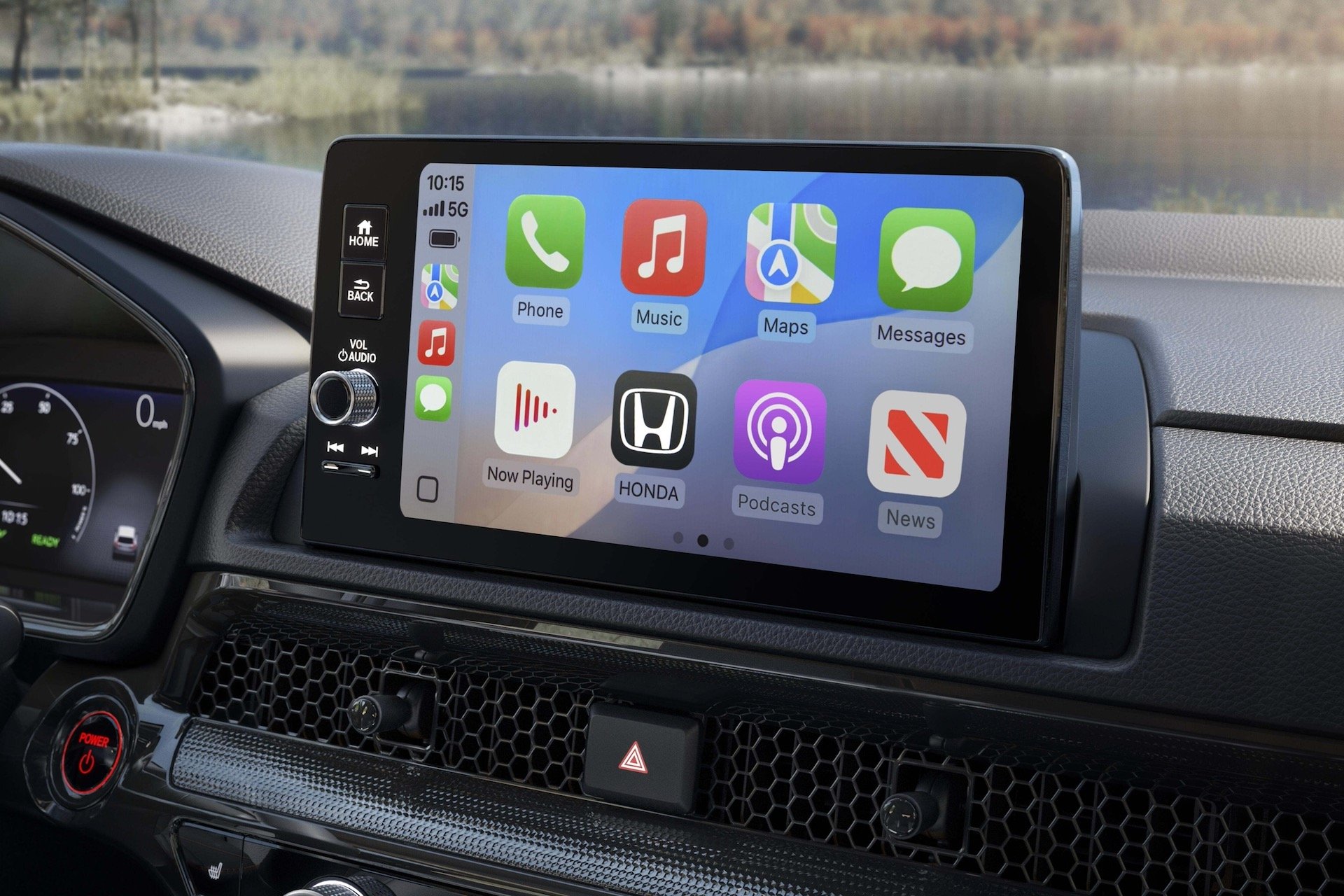
The central tension in this debate lies between two diverging views of "progress." On one side, the automotive industry points to the evolution of the car interior. Modern vehicles are essentially rolling computers; consumers demand Apple CarPlay, Android Auto, and integrated high-speed connectivity. The "death" of AM radio, according to manufacturers, is simply a natural byproduct of a market that has moved toward digital, crystal-clear audio experiences.
However, the "public safety" argument remains the cornerstone of the pro-AM camp. The AM band is a unique, long-range broadcasting medium. Unlike FM signals or cellular data, which are subject to geographical limitations and localized outages, AM waves can travel hundreds of miles, particularly at night. During national emergencies, natural disasters, or large-scale grid failures, AM radio stations serve as the backbone of the Emergency Alert System (EAS).
Proponents argue that if the power grid fails and cell towers go down, a car’s dashboard should remain a reliable portal to the outside world. They contend that removing AM radios from cars—especially as we transition to an EV-heavy future—is akin to removing the spare tire or the seatbelt; it is an essential safety feature that shouldn’t be sacrificed for the sake of a slightly cheaper or quieter dashboard.
The Data: Who is Actually Listening?
While the political debate rages, the data provides a more nuanced picture of the AM radio landscape. According to the AARP, which has been a vocal supporter of the bill, roughly one-third of Americans aged 50 and over are regular AM radio listeners. For this demographic, AM is more than just a relic; it is a primary source for local news, regional sports, and culturally specific programming that isn’t always mirrored on digital platforms.
Conversely, consumer research suggests that for the broader, younger population, AM radio is a ghost frequency. Robby DeGraff, a product and consumer insights manager at AutoPacific, has noted that the vast majority of new-vehicle shoppers are prioritize streaming services, satellite radio, or simple FM playback. In many cases, the absence of an AM tuner is not even noticed by the average buyer.
This creates a fascinating demographic divide: the generation that holds the political power to mandate the technology is also the generation that remains its most loyal user base. Meanwhile, the generation currently driving the sales of new vehicles is largely indifferent to the outcome, provided their Bluetooth and touchscreen interfaces function correctly.
The Automotive Industry’s Technical Challenges
For automakers, the frustration isn’t just about the cost of an antenna or a tuner—it is about the physics of the modern vehicle. As manufacturers push for more powerful electric drivetrains, the high-voltage systems and sophisticated power electronics create significant electromagnetic noise.
Shielding an AM receiver from this noise is an engineering challenge that adds weight, cost, and complexity to the vehicle’s electrical design. While it is certainly possible to achieve—and some luxury vehicles have managed it—it is an added hurdle in the already cutthroat business of vehicle production, where every dollar in manufacturing cost is scrutinized.
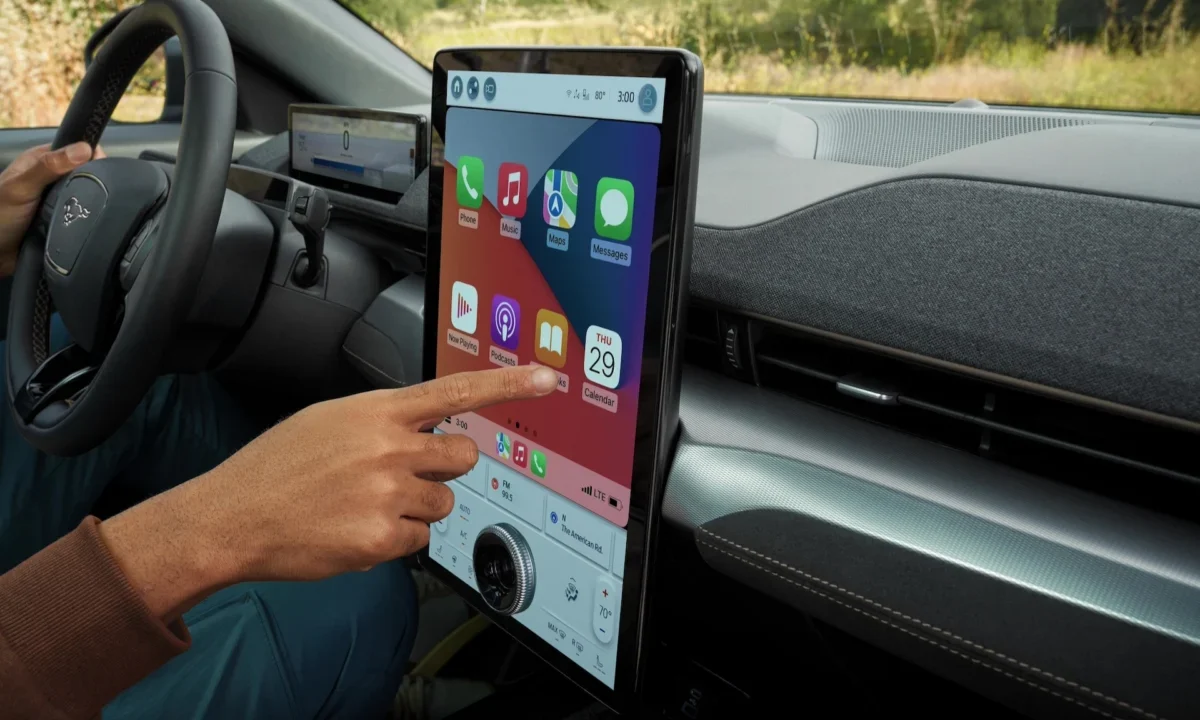
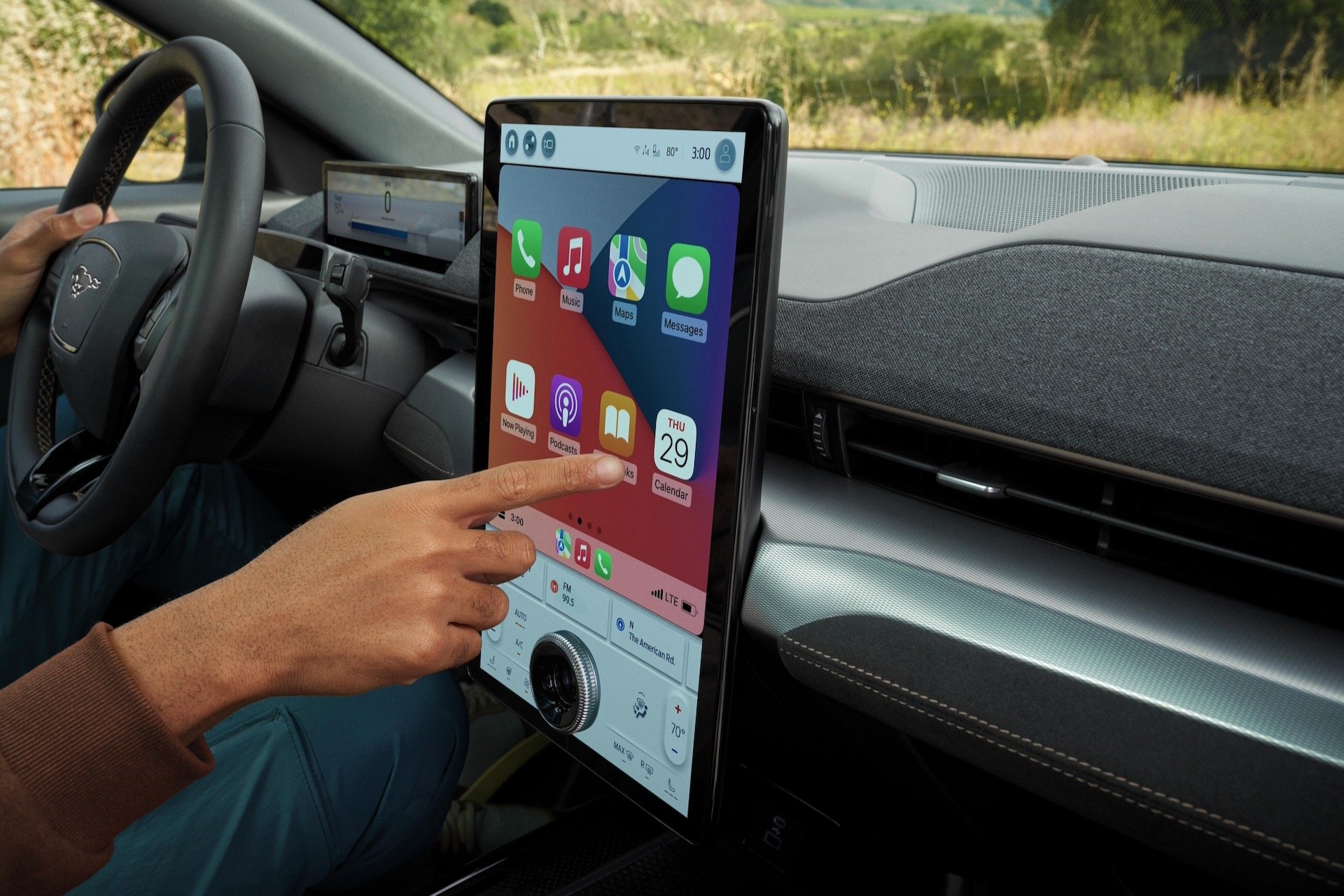
When Ford briefly moved to remove AM radio from its Mustang Mach-E and F-150 Lightning, the move was met with immediate, vocal public outcry. The company quickly walked back the decision, proving that even in a digital-first market, there is still a powerful "nostalgia factor" that manufacturers cannot ignore. However, with the F-150 Lightning program facing its own headwinds and the industry shifting toward leaner, more software-defined architectures, the mandate is forcing manufacturers to invest in solutions they might have otherwise preferred to abandon.
Implications for the Future of the Dashboard
If this bill becomes law, the immediate result will be a standardization of the dashboard across all brands. Consumers can expect AM radio to be a permanent fixture, regardless of the vehicle’s powertrain.
However, the longer-term implications are more profound. By mandating a legacy technology, Congress is establishing a precedent that the car is not just a consumer appliance or a piece of tech, but a critical piece of national infrastructure. It suggests that, in the eyes of the government, the vehicle remains the final line of defense for information during a crisis.
Furthermore, this move may force an acceleration in audio technology. If manufacturers are forced to include AM radios, they will likely be motivated to develop advanced digital signal processing (DSP) to mitigate the interference issues inherent in EVs. This could, ironically, lead to a "renaissance" of AM quality, as engineering teams focus on making the band sound better than it has in decades.
Conclusion: A Lingering Signal
The AM Radio for Every Vehicle Act is a reminder that the transition to the future is rarely a clean break from the past. While the digital age has provided us with endless entertainment options, the "emergency" utility of the AM band continues to resonate in the halls of power.
For the average driver, the bill ensures that when they reach for the dial, they will always find that familiar static and the signals hidden within it. Whether they ever tune in is secondary to the fact that, in the eyes of the law, the signal must remain available. As the automotive industry prepares to comply with this new mandate, it serves as a testament to the enduring, albeit diminished, power of the oldest broadcast technology in our history. Even in a world of 5G and satellite uplinks, there is something about the reliability of the AM wave that remains—legally and culturally—essential to the American experience.
