



In the modern American urban landscape, the intersection of infrastructure, climate resilience, and economic equity has reached a critical juncture. As electricity and water costs soar to unprecedented levels, municipal planners and financial analysts are grappling with a "simmering risk" that threatens to destabilize local government finances. While the shift toward sustainable development and affordable housing provides a glimmer of hope, the broader macroeconomic picture reveals a challenging road ahead for cities struggling to balance the books.
The State of Play: A 38% Surge in Utility Costs
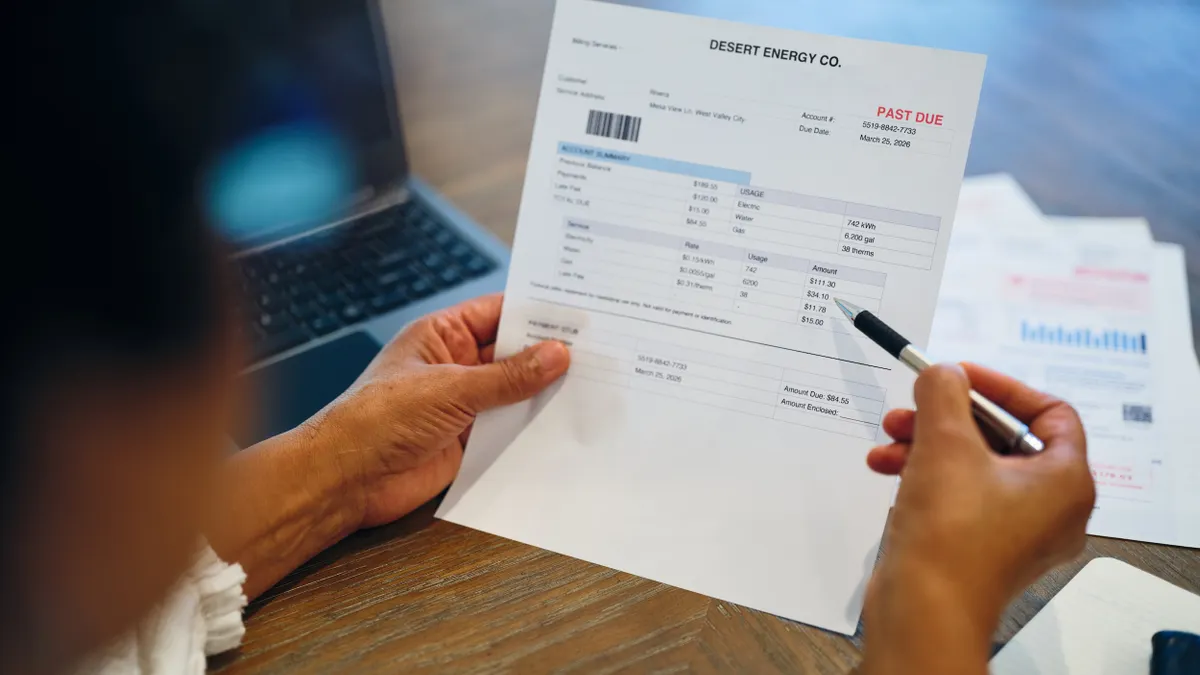
The primary driver of the current municipal anxiety is the dramatic escalation in utility expenditures. According to data highlighted during a recent S&P Global webinar, electricity rates across the United States have surged by 38% since 2020. This spike is not merely a byproduct of inflation; it is the result of a "perfect storm" involving rapid digitization, the expansion of power-hungry data centers, and the mounting costs of hardening infrastructure against climate-induced volatility.
Gabe Grosberg, S&P’s managing director for North American regulated utilities, described the current environment as unprecedented. The sheer speed and magnitude of these price hikes have pushed utility affordability into the national political spotlight. For households, these costs represent an increasing share of disposable income, while for municipal governments, they represent a potential drain on the tax base and a threat to long-term fiscal health.
Chronology of the Utility Affordability Crisis
To understand how the current crisis developed, one must look at the timeline of events that have compounded to place pressure on utility budgets:
- Pre-2020 Stability: Prior to the pandemic, utility rate hikes were largely predictable, tracking closely with standard inflationary metrics and modest infrastructure upgrades.
- The 2020–2021 Pivot: The onset of the COVID-19 pandemic caused a massive shift in residential energy consumption patterns. Simultaneously, global supply chain disruptions began to drive up the cost of raw materials necessary for utility maintenance and grid modernization.
- The Data Center Boom (2022–Present): The explosive growth of artificial intelligence and cloud computing necessitated the construction of massive data centers. These facilities, which require constant, high-volume power, have strained regional grids, forcing utilities to invest in costly upgrades that are inevitably passed on to the consumer.
- Climate Adaptation Spending: Increasingly frequent extreme weather events—from heat domes in the Southwest to intensified storms in the Southeast—have necessitated billions in capital expenditure to "weatherize" critical infrastructure.
- The Current "Simmering Risk" Phase: We are now in a cycle where high utility bills are beginning to influence migration patterns, with businesses and residents reconsidering the viability of high-cost urban centers.
Supporting Data and The "Municipal Trap"
The economic ripple effect of these costs is profound. Sarah Sullivant, S&P’s sector lead for Americas public finance, warns of a potential feedback loop that could affect municipal bond ratings.
The mechanism is simple but dangerous: when utility rates become prohibitive, cities risk losing both residents and commercial tenants. As the tax base shrinks, the city’s capacity to fund further utility improvements or public services diminishes. This, in turn, forces the city to raise rates even higher to cover the fixed costs of maintaining the grid, potentially accelerating the exodus of residents and businesses.
"We’re seeing this dynamic playing out where utility rates are high compared to household income," Sullivant explained. "Over time, this cycle could reduce flexibility for public finance entities."

While this has not yet resulted in widespread credit downgrades, it remains a "simmering risk" that rating agencies are monitoring with increasing scrutiny. For water and electric utilities, the affordability of rates is now a non-negotiable factor in credit rating analysis. If a city’s utility service becomes unaffordable for its median resident, the risk of default or financial strain rises significantly.
Official Responses and Strategic Shifts
The challenge posed by utility costs is forcing a pivot in how municipalities approach their development strategies. Rather than viewing sustainability as a luxury, many cities are now utilizing "sustainable debt" as a core mechanism for economic survival.
Alan Bonilla, S&P’s director of sustainable finance, notes that the sustainable debt market—encompassing green, social, and climate bonds—is becoming a critical tool for local governments. These instruments allow cities to attract a broader base of investors who are specifically looking to fund projects with clear social and environmental benefits.
The Rise of Affordable Housing
One of the most notable bright spots in this fiscal environment is the surge in affordable housing development. "Multifamily housing is having a record year, driven by affordable housing," Sullivant noted. By integrating energy-efficient design into new affordable housing projects, cities can mitigate the impact of high utility bills on low-income residents while simultaneously addressing the housing crisis.
Targeted Infrastructure Investment
Sustainable debt is not just for housing. It is also being channeled into:
- Equitable Transit: Financing electric bus fleets and public rail upgrades that reduce the long-term energy costs of municipal transportation systems.
- Community Healthcare Centers: Investing in energy-resilient facilities in underserved areas that can continue to function during grid disruptions.
- Climate Resilience: Funding water reclamation and grid-hardening projects that serve as a hedge against the rising costs of climate-related utility outages.
Implications for the Future
The implications of this transition are far-reaching for urban planners, investors, and residents alike.
For Municipal Finance Officers
The era of "set and forget" utility pricing is over. Finance officers must now treat utility affordability as a key performance indicator for the entire city. This requires a more integrated approach, where planning for energy infrastructure is inextricably linked to housing and economic development policies.

For Investors
The sustainable debt market is poised for continued growth. As investors seek to align their portfolios with ESG (Environmental, Social, and Governance) goals, municipal bonds that address both climate risk and social affordability will likely see higher demand. This "sustainability story" is now a prerequisite for cities seeking to access capital on favorable terms.
For Residents
The immediate outlook remains challenging. Residents should expect continued volatility in utility pricing as the transition to greener, more resilient grids continues. However, the focus on affordable, sustainable housing offers a path toward insulating the most vulnerable populations from these economic pressures.
Conclusion: The Path Toward Resilience
The "simmering risk" identified by S&P analysts is a clear signal that the status quo of urban infrastructure is no longer sustainable. The 38% increase in electricity costs since 2020 serves as a warning shot to municipalities that rely on legacy systems and outdated fiscal models.
However, the response from the market—a pivot toward sustainable debt and a record-breaking focus on affordable housing—demonstrates a growing recognition of the problem. By leveraging these financial tools, cities can transform their utility challenges into an opportunity for renewal. The successful cities of the next decade will be those that can successfully decouple economic growth from skyrocketing utility costs, ensuring that their communities remain accessible, resilient, and financially stable in the face of an uncertain climate and economic future.
As the narrative shifts from crisis management to strategic investment, the ability of local governments to communicate their sustainability story to the global capital markets will determine which cities thrive and which ones struggle to keep the lights on.
