



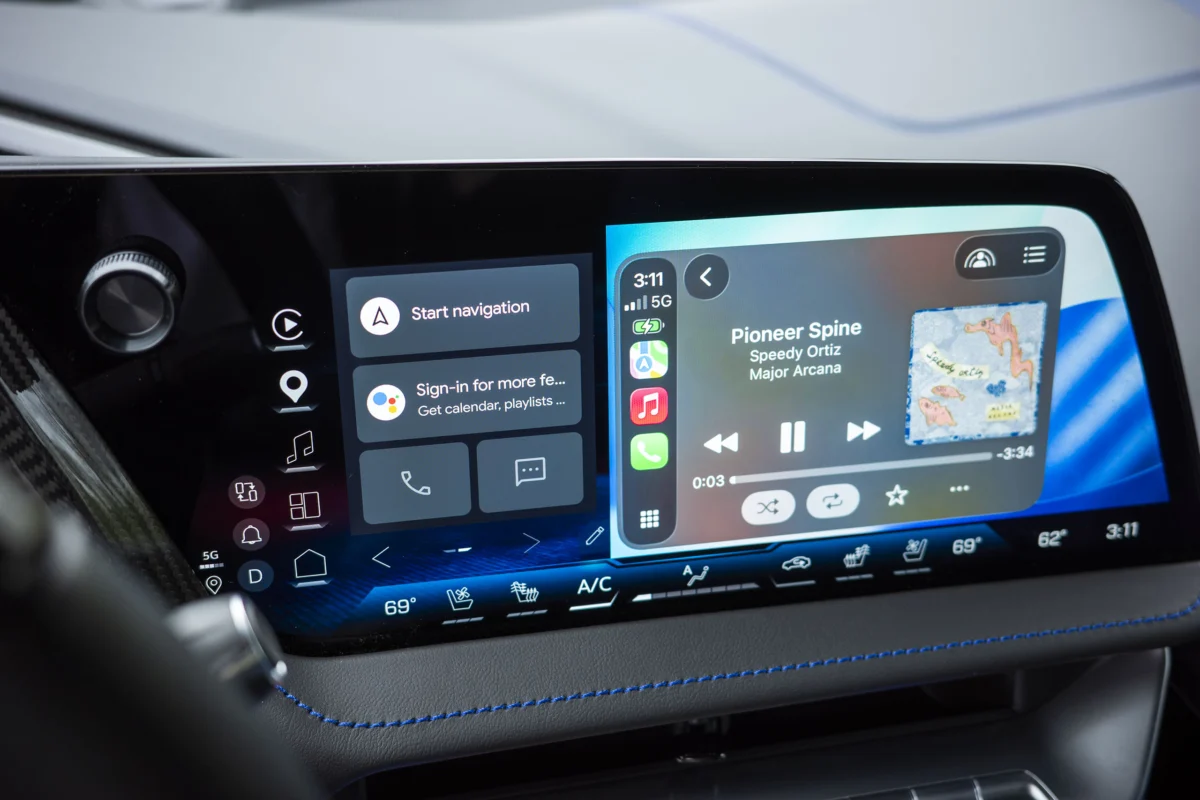
For months, the automotive industry has been locked in a high-stakes tug-of-war between legacy manufacturers and the ubiquitous dominance of Silicon Valley’s projection software. Last week, General Motors (GM) attempted to quell the growing noise by unveiling a revamped infotainment user experience. Initially pitched as a "scalable foundation" capable of spanning the company’s electric, gas, and diesel-powered portfolios, the announcement sparked a wave of cautious optimism.
Many analysts—myself included—breathed a sigh of relief, interpreting the news as a strategic retreat from GM’s controversial "anti-CarPlay" crusade. We were wrong. As the dust settles on the announcement, it has become painfully clear that the divide between internal combustion engine (ICE) vehicles and battery-electric vehicles (BEVs) at GM is only widening.
The Core Facts: A Tale of Two Drivetrains
The latest infotainment update, which features a slick, modernized, picture-in-picture layout, is undeniably a visual and functional improvement. It aims to integrate vehicle telematics with multimedia in a way that feels cohesive. However, the fine print is devastating for the EV community: this update is strictly limited to GM’s upcoming light-duty pickup trucks.
While the new interface will support Apple CarPlay and Android Auto for truck buyers, the company has confirmed that this does not signal a broader policy shift for its electric vehicle fleet. Since 2024, GM has systematically stripped its EVs—with the notable exception of the Cadillac Lyriq—of the ability to project a smartphone’s interface onto the dashboard. Despite consumer demand for these features consistently ranking at the top of buyer surveys, GM remains committed to a proprietary software ecosystem for its electrified future.
A Chronology of Confusion: How We Got Here
To understand the frustration surrounding this latest announcement, one must look at the erratic path GM has taken over the last three years.
- Early 2024: GM officially announces its intent to phase out Apple CarPlay and Android Auto in all future electric vehicles, citing a desire to capture more granular vehicle data and create a "seamless" in-house experience.
- The "Every Car" Threat: CEO Mary Barra initially hinted that the policy could extend to the entire product portfolio, including internal combustion vehicles. The backlash was immediate and severe, forcing the company to walk back the statement, effectively grandfathering in gas-powered models.
- The Lyriq Exception: In a move that baffled industry observers, the Cadillac Lyriq continued to offer full phone projection support, creating a confusing internal precedent where the luxury brand enjoyed features denied to mainstream EV buyers.
- September 2026: GM debuts its new "scalable" UI. The marketing language intentionally blurred the lines between vehicle types, leading the press to believe that phone projection was being reinstated across the board.
- The Present Day: Following clarification from industry insiders and direct questioning of company spokespeople, the reality has set in: The "scalable" software is merely a framework, not a feature mandate.
The Data: Why Consumers Are Pushing Back
The resistance to GM’s strategy is not based on mere nostalgia for a smartphone interface; it is rooted in utility and safety. According to recent surveys by organizations like JD Power and Consumer Reports, over 80% of new car buyers identify Apple CarPlay or Android Auto as a "must-have" feature.
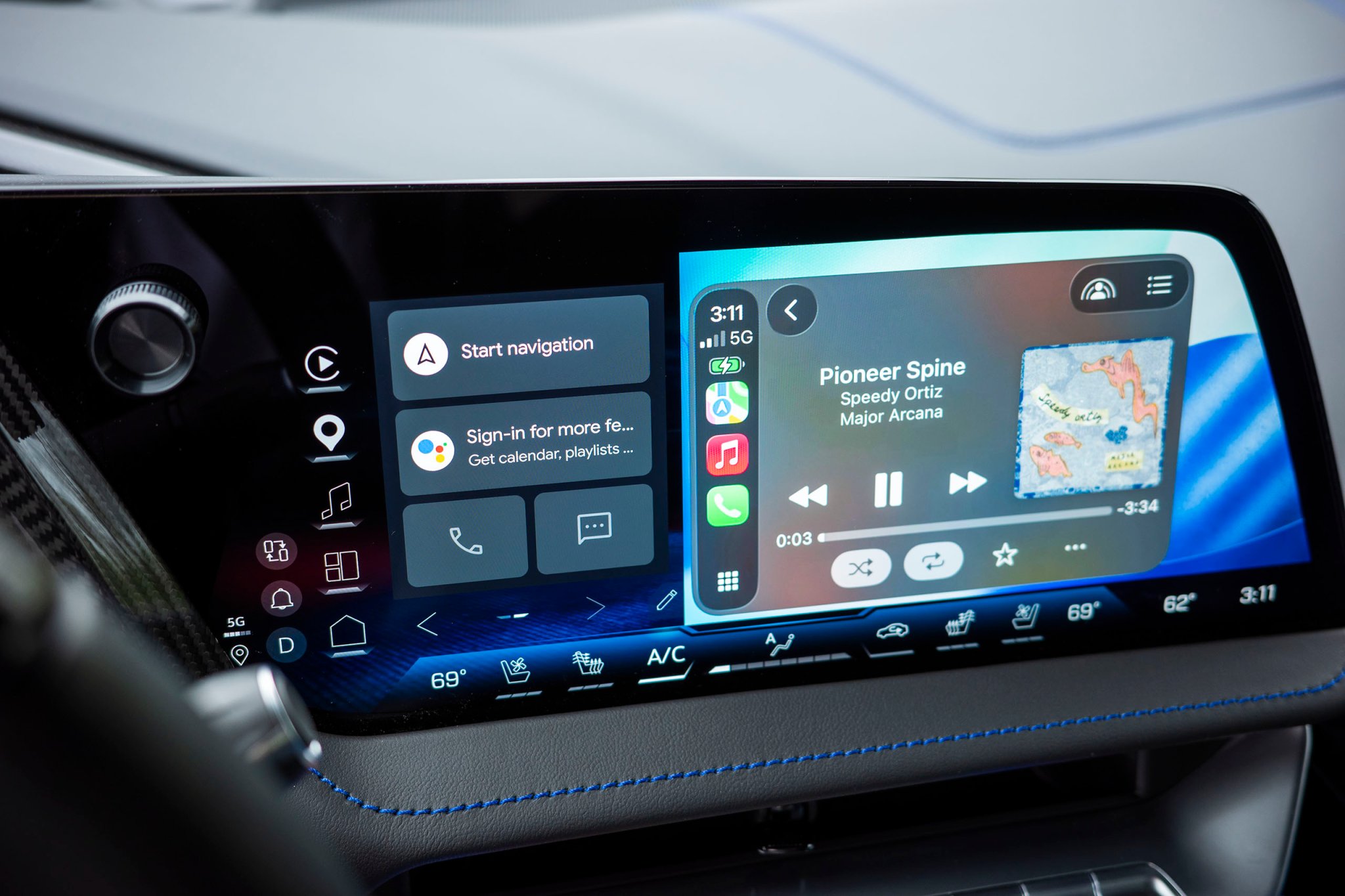
The rationale is simple: users have invested years in curating their digital ecosystems. Whether it is the specific navigation preferences in Waze, the saved playlists in Spotify, or the integration of messaging apps, consumers demand a dashboard that functions as an extension of their digital lives. By forcing users into a proprietary interface, GM is essentially telling its customers that their existing software preferences are secondary to the company’s desire for data harvesting and software subscription revenue.
Furthermore, the "learning curve" argument—that users prefer a unified, manufacturer-led UI—is largely disproven by the success of the very projection systems GM is trying to replace. When a user enters their vehicle, they want a seamless transition from their phone to the dashboard. Every second spent navigating a clunky, proprietary menu is a second of driver distraction.
Official Responses: Parsing the Corporate Speak
The ambiguity surrounding the recent announcement was not an accident; it was a calculated corporate communication strategy. When pressed for clarity on whether the new UI would eventually grace the screens of the Chevrolet Blazer EV or the Equinox EV, a GM representative offered a statement that, while professional, provided little comfort:
"We don’t have any news about EVs. The team’s focus is on the 2027 light-duty pickups given their importance to the business. GM’s mention about a ‘broader portfolio’ and the UI being a ‘scalable foundation’ is intended to convey flexibility of the new UI framework and not meant to signal future plans regarding projection."
This response is a masterclass in obfuscation. By focusing on the "flexibility of the framework," GM is keeping the door open to bring the visual elements of the new UI to EVs while firmly keeping the door closed on the actual functionality that users want. They are offering the look of a modern system while withholding the connectivity that makes a modern system useful.
Implications: The Long-Term Cost of Control
The implications of this policy go far beyond the convenience of a map application. By choosing to alienate a significant portion of their tech-savvy buyer base, GM risks damaging its brand equity during a critical transition period.

1. The Fragmentation of the User Experience
GM is creating a two-tier system. A customer who buys a gas-powered Silverado will have a vastly different, and arguably superior, software experience than someone who spends more money on a high-end EV. This creates a psychological barrier to EV adoption; buyers may choose to stick with internal combustion engines simply because they don’t want to lose the connectivity they’ve grown accustomed to.
2. The Data War
At the heart of this conflict is the battle for data. GM views its vehicles as "software-defined platforms" that can generate recurring revenue through subscriptions and data analytics. Apple and Google are viewed as competitors for the "digital real estate" of the dashboard. By blocking projection, GM is attempting to wall off its users, but they may be overestimating the loyalty of their customer base. In the modern market, software is a hardware feature—if the software is lacking, the hardware becomes a liability.
3. The "Lyriq" Problem
As long as the Cadillac Lyriq maintains phone projection support, GM’s argument that "proprietary software is the future" will continue to ring hollow. It demonstrates that the technology is already compatible with their hardware architecture. The decision to deny it to other EVs is purely ideological, not technical. This inconsistency makes the company appear disorganized and out of touch with its own engineering capabilities.
Conclusion: A Simple Path Forward
There is a clear path to resolving this tension. GM has created a beautiful, responsive, and functional interface for its trucks. The integration of "picture-in-picture" views shows that the company is capable of balancing native vehicle data (like trailering information) with third-party projections.
If GM truly wants to lead in the EV space, it must stop fighting the inevitable. The most successful car companies in the coming decade will be those that view the vehicle as an ecosystem rather than a walled garden. By allowing Apple CarPlay and Android Auto to run alongside their own sophisticated UI, GM would not be "losing" the fight for the dashboard—they would be winning the loyalty of the driver.
Until that happens, the company’s "scalable foundation" remains a house built on sand. For the electric vehicle buyer, the choice remains simple: wait for a change in policy, or take your business to a manufacturer that treats your smartphone as a partner, not an adversary. Until GM recognizes that the customer’s digital life is not a threat to be managed, but a feature to be supported, this divide will continue to define their most significant struggles in the modern automotive era.
