


For most Americans, the frustration of the current automotive landscape is defined by high interest rates, dealer markups, and the rising cost of fuel. However, for the average consumer in Iran, the challenge of car ownership transcends simple household budgeting—it has become a desperate struggle against economic volatility, state-controlled lotteries, and a market where a standard sedan functions more like a volatile financial asset than a mode of transportation.
As international tensions and regional conflicts continue to ripple through the global economy, the Iranian automotive sector offers a stark case study in how geopolitical instability can dismantle the basic mechanics of a consumer market. With the national currency struggling and inflation rampant, the dream of owning a car has drifted further out of reach for millions, turning the simple act of purchasing a vehicle into a high-stakes, state-regulated gamble.
The Architecture of a Stagnant Industry
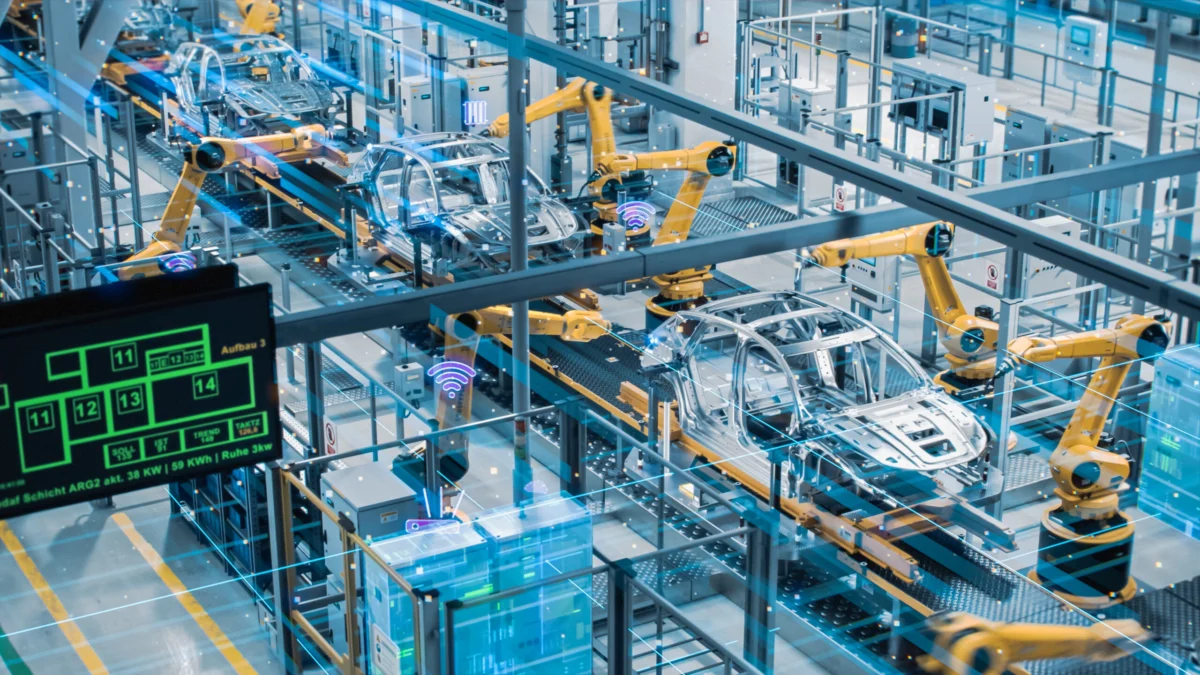
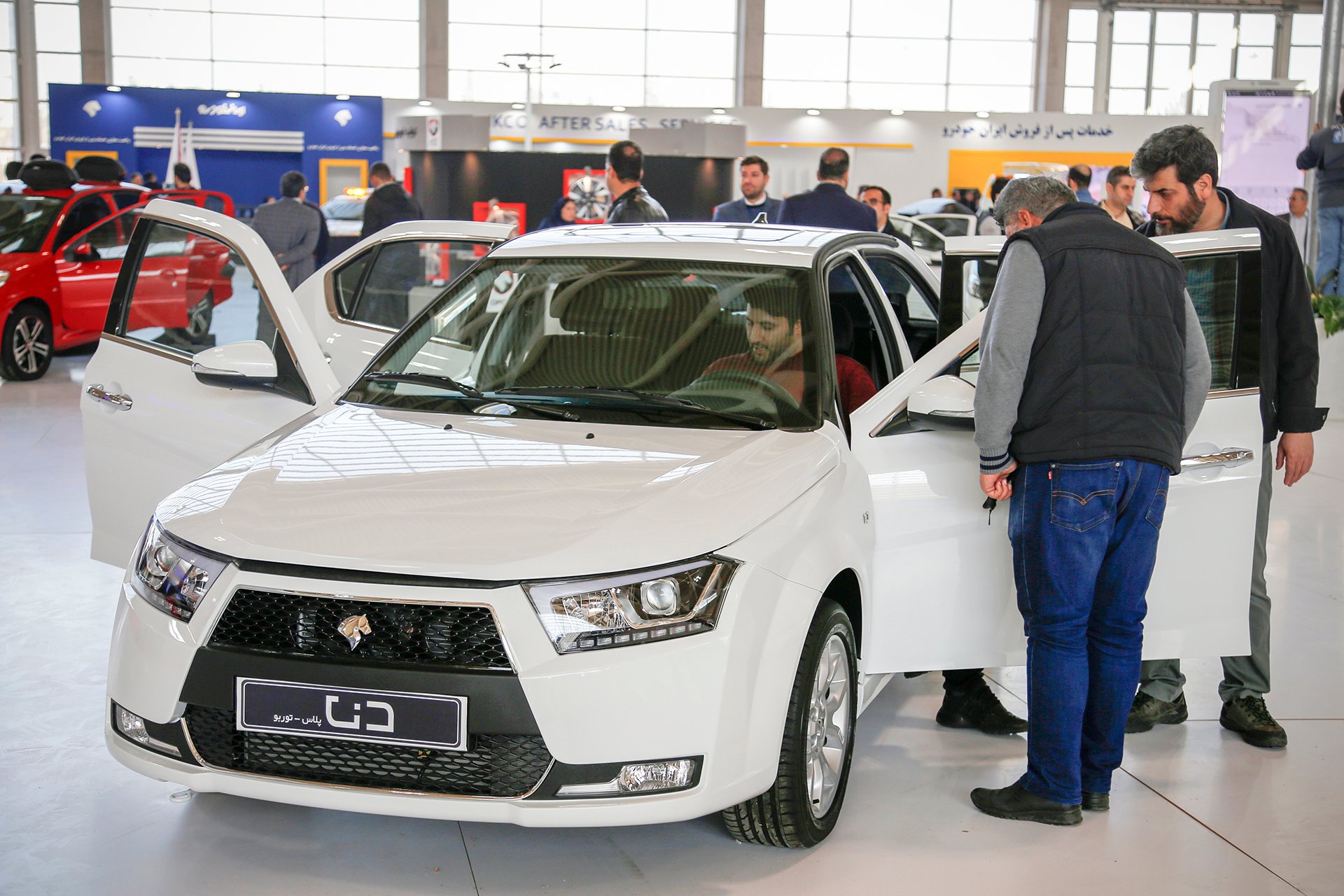
Iran possesses a robust, state-subsidized automotive manufacturing infrastructure that, on paper, should provide the nation with affordable mobility. The industry is dominated by a handful of massive conglomerates: Iran Khodro (IKCO), Saipa Corporation, Pars Khodro, Bahman Motor, and Kerman Motor. These entities produce a range of vehicles that, by international standards, are remarkably inexpensive.
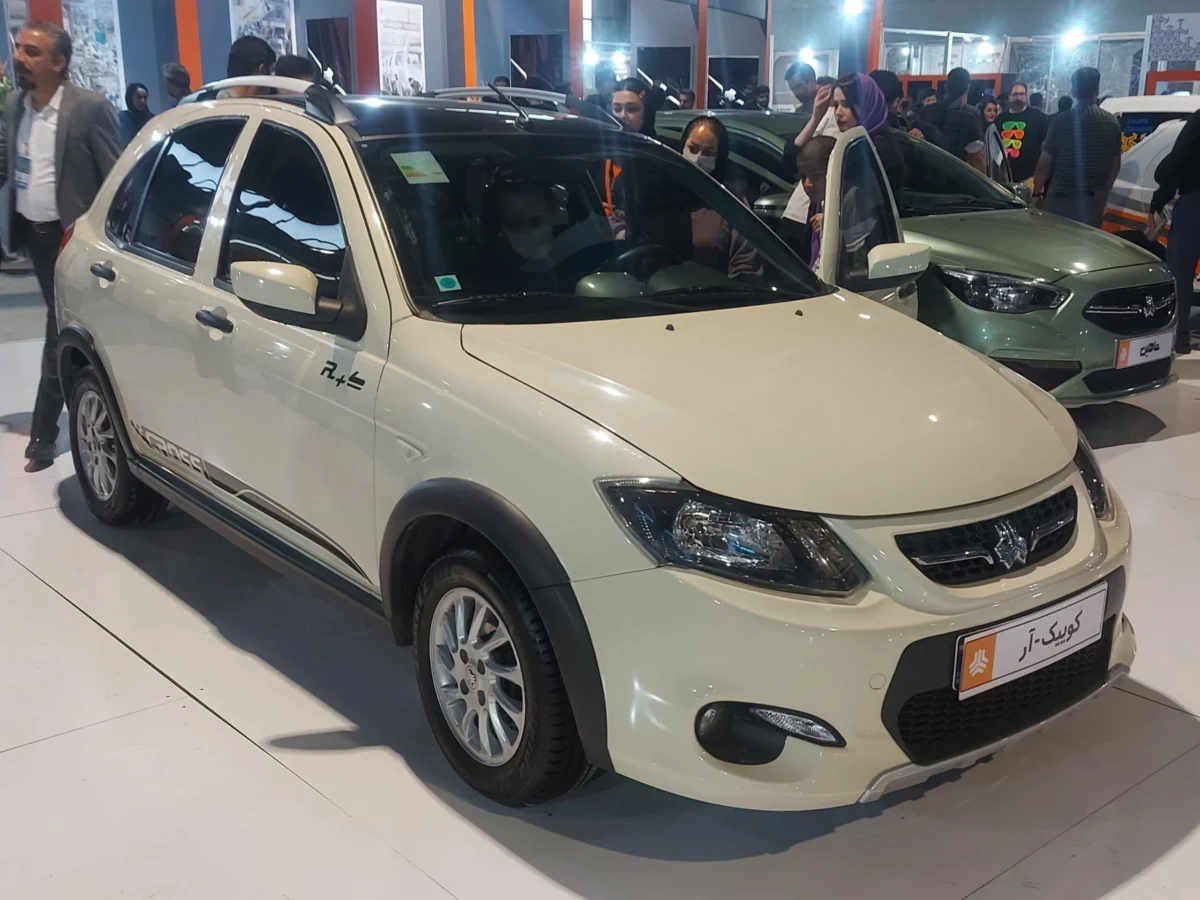
For instance, a base-model Saipa Quick—an 87-horsepower subcompact often compared to the legacy platforms of the Kia Pride—carries a factory-gate price that would be considered a bargain anywhere in the world. However, the reality of the showroom floor is a different story entirely. The market is defined by a deep divide between "official" state pricing and the reality of the open market, a gap created by years of economic isolation, trade sanctions, and internal fiscal mismanagement.
Key Players in the Iranian Market
- Iran Khodro (IKCO): The largest manufacturer in the Middle East, historically linked to the production of Peugeot-licensed vehicles.
- Saipa Corporation: The primary competitor to IKCO, known for its focus on budget-friendly city cars and licensed utility vehicles like the Zamyad (a version of the 1970s Nissan Junior).
- Farda Motors and Kerman Motor: Manufacturers that increasingly serve as hubs for assembling and rebadging Chinese-engineered vehicles, filling the void left by the withdrawal of European and Japanese brands.
A Chronology of Economic Dislocation
To understand why a simple sedan in Tehran costs more than the equivalent of two years’ salary for an office worker, one must look at the timeline of the current crisis. The erosion of the Iranian automotive market did not happen overnight; it is the culmination of a decade-long decline in purchasing power.
2018–2019: Following the re-imposition of heavy international sanctions, major global manufacturers, including PSA (Peugeot-Citroën) and Renault, began to exit the Iranian market. This effectively cut off the supply of high-quality components and modern vehicle platforms, forcing domestic manufacturers to rely on aging technology or pivot toward Chinese supply chains.
2023–2024: As the regional war intensified, the Iranian rial experienced significant volatility. The cost of raw materials, many of which are imported, skyrocketed. By mid-2024, the government-imposed price caps on domestic vehicles were rendered obsolete by the black market’s reaction to the currency’s devaluation.
September 2026: Recent reports from Al Jazeera and other economic observers have highlighted a "cost of living" breaking point. Domestic vehicle prices have surged by 40% to 80% since the onset of current regional hostilities, with some high-demand models ballooning by over 130% compared to previous year averages.
The "Lottery" System: A State-Managed Illusion
Perhaps the most bizarre aspect of the Iranian car market is the "National Car Lottery." Because the state mandates that manufacturers sell a portion of their inventory at "factory prices"—which are significantly lower than the actual market value—demand far outstrips supply.
This creates a perverse incentive structure. Citizens must register for a government-run raffle for the right to purchase a car at the subsidized rate. If an individual wins, they essentially receive an instant windfall of cash, as the vehicle can often be resold on the secondary market for double or triple the acquisition price.
This system has turned the car market into a speculative bubble. Rather than buying a car for commuting, many Iranians look to purchase vehicles as a "safe-haven" asset, similar to gold or foreign currency. Because the local currency is losing value so rapidly, a car is one of the few tangible items that retains value or appreciates in terms of nominal rials. Consequently, the people who actually need the vehicles for daily transport are frequently priced out by speculators looking to hedge against inflation.
Supporting Data: The Cost of "Unobtainium"
The disparity between the Iranian market and the rest of the world is best illustrated through pricing. A 2026 Toyota Land Cruiser VXR, a luxury SUV that serves as a status symbol globally, might retail for roughly $86,000 in the UAE. In Iran, due to massive import duties, VAT, and a scarcity of foreign exchange, the same vehicle can fetch upwards of $287,000.
For the working class, the math is even more depressing. Consider the case of an average office worker:
- Current Asset: An aging manual Peugeot 206 worth approximately $4,350.
- Target Upgrade: An automatic Peugeot 207 priced at roughly $12,170.
- The Gap: To make the trade, the worker must bridge a $7,820 deficit.
- The Burden: Given stagnant wages, this upgrade requires over 20 months of the worker’s entire salary, assuming they spend nothing on food, rent, or utilities.
Official Responses and Government Intervention
The Iranian government has consistently defended its interventionist policies, arguing that price controls are necessary to prevent the total collapse of domestic industry and to ensure that some vehicles remain "statistically affordable." However, these policies have largely failed to curb inflation.
Ministries of industry have periodically promised to increase production capacity and facilitate the importation of "budget" foreign cars to cool the market. Yet, these promises often collide with the reality of foreign exchange shortages. Because the state prioritizes the import of essential goods, automotive imports remain highly restricted, managed only by a small circle of state-linked companies and middlemen who navigate the complex web of tariffs that can inflate the final sticker price by as much as 200%.
Socio-Economic Implications
The implications of this broken market extend far beyond the showroom. A functional automotive market is a prerequisite for a mobile, productive economy. When the middle class cannot afford to replace aging, inefficient vehicles, the entire economy suffers from reduced labor mobility, increased maintenance costs, and significant environmental impacts caused by millions of outdated, high-emission engines.
Furthermore, the "two-column" pricing system breeds deep social resentment. The lottery system, which was intended to democratize access to new vehicles, is widely viewed as opaque and prone to corruption. It creates a class of "winners" who gain instant wealth through administrative luck, and a class of "losers" who are forced to navigate an open market that is increasingly detached from the economic reality of the average citizen.
Looking Toward 2031
According to projections by Mordor Intelligence, the dollar value of Iran’s automotive sector is expected to grow to over $70 billion by 2031. However, this figure is a double-edged sword. While it suggests growth in terms of raw transaction volume, it may simply reflect the hyper-inflationary environment where vehicles are becoming more expensive relative to all other goods.
If the current geopolitical climate persists, Iran’s automotive sector will likely remain a microcosm of its broader economic struggle: a mix of state-controlled stagnation, speculative frenzy, and a total disconnect between the manufacturing potential of the nation and the reality of the people living within its borders.
Conclusion
The story of the Iranian car market is a cautionary tale about what happens when an industry is treated as an economic pawn. By attempting to insulate the domestic market from global pressures through price controls and import bans, the state has inadvertently created a system that is inefficient, exclusionary, and deeply volatile.
For the average Iranian, the car is no longer a tool of freedom or a symbol of middle-class status. It has become a complex financial instrument, a source of stress, and a constant reminder of the wider economic war being waged around them. Until the underlying issues of inflation, currency devaluation, and international trade isolation are addressed, the roads of Tehran will likely continue to be dominated by the ghosts of older, better-maintained eras, while new, affordable mobility remains a dream for the many and a windfall for the lucky few.
