




By Editorial Staff
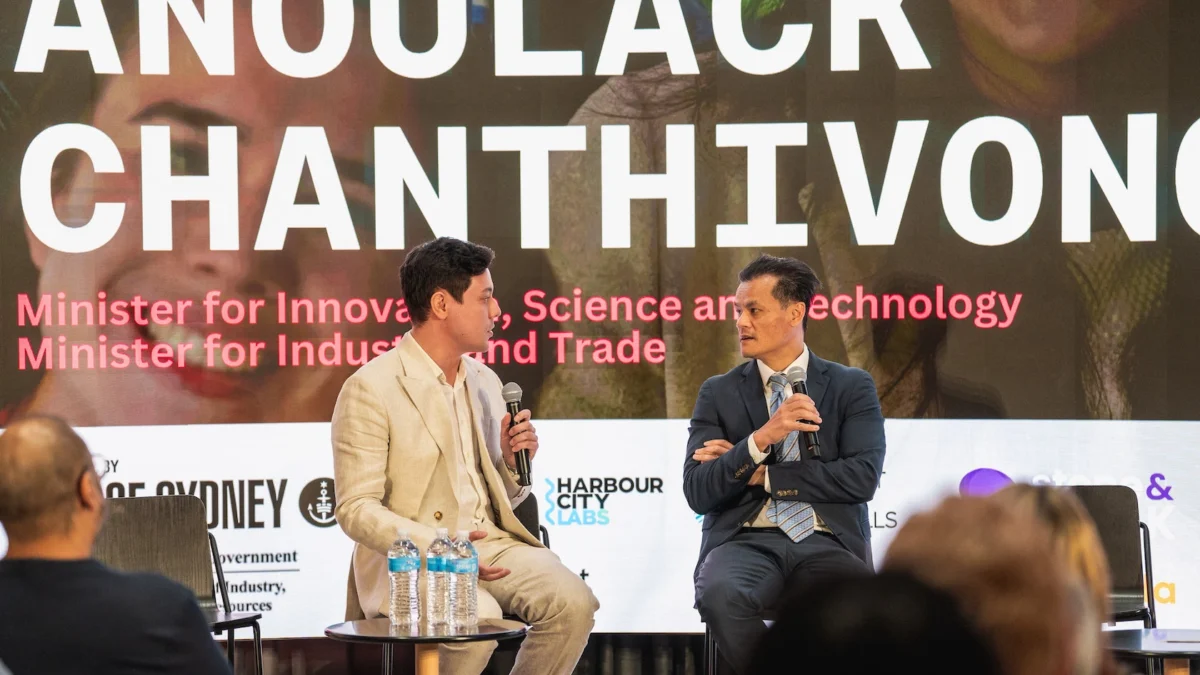
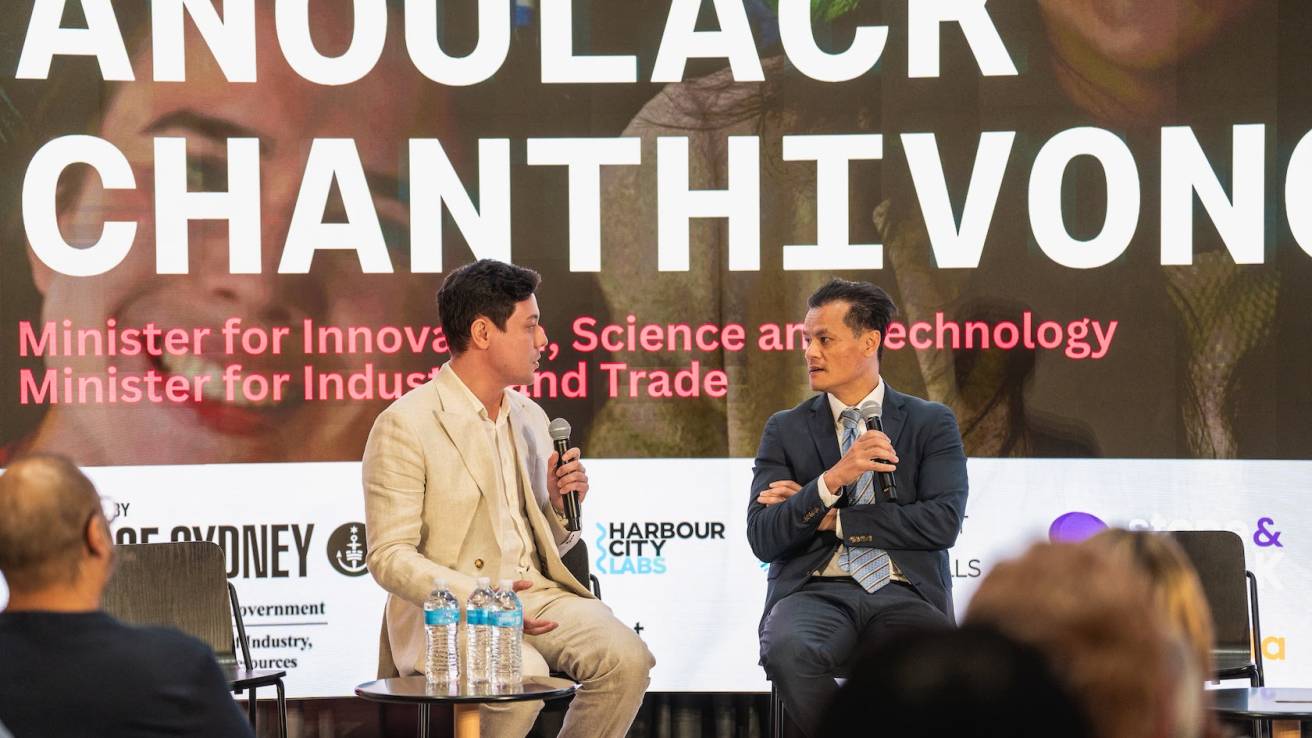
In a move that has sent shockwaves through the New South Wales innovation sector, newly released documents obtained via a Freedom of Information (FOI) request have unveiled an extraordinary act of ministerial intervention. NSW Minister for Innovation, Science and Technology, Anoulack Chanthivong, has been revealed to have personally overruled an expert assessment panel’s recommendation to provide a $40,000 grant to the community-driven startup festival, Spark.
The revelation, which has sparked a heated debate regarding transparency and the government’s commitment to the local innovation economy, centers on a single, handwritten note on a ministerial brief: a definitive “$0.”
The Anatomy of the Decision: A Rejection Against Advice
The $40,000 grant, intended to support the operational costs of the Spark startup festival, had passed through the rigorous vetting processes established by Investment NSW. The agency’s assessment panel, tasked with evaluating grant applications based on their strategic alignment with the state’s long-term economic goals, had deemed Spark’s proposal not only viable but highly meritorious.
According to the FOI documents, the assessment panel found that the festival’s application was “strong and well-regarded.” Furthermore, the panel concluded that the initiative directly “aligns with the objectives of the Innovation Blueprint,” a cornerstone policy document designed to foster growth and collaboration within the NSW technology sector.
Despite this glowing internal assessment, Minister Chanthivong chose to disregard the recommendation. The discovery of the handwritten “$0” on the official brief has since become a symbol of what many in the startup community are calling an opaque and arbitrary decision-making process.
Chronology of the Dispute
The timeline of the funding dispute highlights a breakdown in communication between the government’s administrative arm and the political office of the Minister.
- Initial Submission: Spark submitted its application to Investment NSW, seeking support for its upcoming festival. The proposal highlighted the event’s role in connecting founders, investors, and industry experts.
- Assessment Phase: Investment NSW’s independent panel conducted a thorough review of the application. The proposal was scored favorably, meeting all criteria for funding, and was subsequently forwarded to the Minister’s office with a formal recommendation for approval.
- The Ministerial Override: Upon reviewing the brief, Minister Chanthivong did not merely decline the request; he manually annotated the document with a “$0,” effectively killing the funding proposal instantly.
- The "Double-Check": Alarmed by the decision—and aware of the potential fallout—staff at Investment NSW took the rare step of querying the Minister’s office. They expressed explicit concerns regarding the “reputational risks” this denial would pose to the government’s relationship with the startup ecosystem.
- Finalization: Despite the internal warnings and the clear evidence that the project was a strategic fit for the state, the decision stood. The funding was denied, leaving the organizers of Spark to grapple with the shortfall.
The Weight of "Reputational Risk"
The internal correspondence from Investment NSW reveals a profound anxiety regarding the optics of the decision. In their follow-up communication to the Minister’s office, officials noted that the startup community relies heavily on predictable, merit-based support mechanisms. By rejecting an application that was objectively assessed as high-quality, the Minister risked signaling that political preference, rather than merit, governs the distribution of innovation grants.
For the startup ecosystem, which relies on the government to act as a catalyst for growth, this incident raises a fundamental question: If an application that meets all the criteria of the Innovation Blueprint can be dismissed with a stroke of a pen, what is the value of the application process itself?
Official Responses and the "Black Box" of Governance
To date, the office of Minister Chanthivong has remained largely guarded regarding the specific rationale behind the override. In a sector that prides itself on transparency and data-driven outcomes, the lack of a clear, public justification for the decision has left many stakeholders feeling alienated.
While ministers are technically empowered to exercise discretion over funding, this power is traditionally used to steer policy, not to pick winners and losers in individual grant rounds. The "black box" nature of this decision—whereby expert advice is overruled without a stated reason—stands in stark contrast to the government’s own stated mission of fostering a transparent, "innovation-first" culture in New South Wales.
Investment NSW, when approached for comment, maintained that it follows strict governance procedures. However, the internal notes from the agency suggest a degree of powerlessness, as staff clearly identified the mismatch between the Minister’s action and the broader strategic interests of the state.
The Broader Implications for the Startup Ecosystem
The ripple effects of this incident extend far beyond the $40,000 denied to Spark. The primary concern among industry leaders is the potential chilling effect this may have on future participation in government-led initiatives.
1. Erosion of Trust
The startup community functions on a high degree of trust. Entrepreneurs and event organizers invest significant time and resources into crafting grant applications, often with the expectation that the process is objective. When that trust is eroded by perceived political interference, the incentive to engage with government programs diminishes.
2. The Risk of Politicized Funding
If funding is perceived as being subject to ministerial whim, it opens the door to concerns about cronyism or political bias. For a sector that is trying to attract global venture capital and talent, a reputation for unstable or unpredictable government support is a significant hurdle.
3. Impact on Local Infrastructure
Events like Spark serve as vital infrastructure for the startup ecosystem. They are where the next generation of founders finds mentors, where investors scout new opportunities, and where policy ideas are debated. By denying funding to these grassroots initiatives, the government may inadvertently stifle the very ecosystem it claims to support.
Looking Ahead: A Call for Reform
The Spark incident has triggered calls from across the industry for a review of how ministerial discretion is exercised in grant allocation processes. Many are advocating for a more "blind" assessment model, where ministerial sign-off is restricted to the final approval of a list of merit-ranked projects, preventing individual interventions unless there is a clear conflict of interest or a breach of process.
As the NSW government looks to solidify its position as a global innovation hub, the "Spark case" will likely serve as a case study in what not to do. The incident highlights a fundamental tension between political authority and expert bureaucracy. If the government wishes to maintain its credibility within the technology sector, it must provide more than just silence. It must explain how such a decision aligns with its commitment to the innovation economy, or commit to reform to ensure that merit—not a handwritten zero—dictates the future of startup support in the state.
The fallout from this event is far from over. As the startup community continues to demand accountability, the pressure on Minister Chanthivong to clarify his stance on government funding transparency will only increase. Whether this leads to a shift in policy or remains an isolated incident of bureaucratic tension remains to be seen, but for now, the message to the startup ecosystem is clear: the path to government support is more precarious than anyone previously imagined.
