

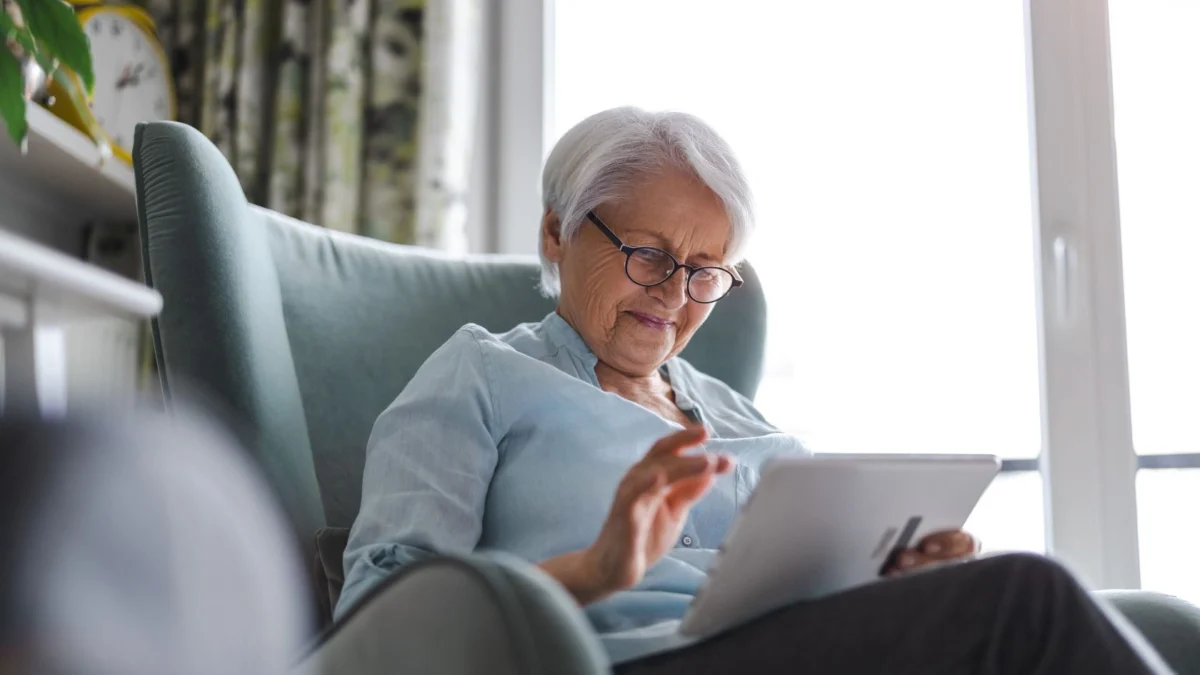
For many, the digital age has been a period of unprecedented connectivity. A quick tap on a smartphone screen allows us to video call loved ones across the globe, share photographs instantly, and engage in real-time digital communities. Yet, for an older person living with dementia, struggling with reduced mobility, or battling declining confidence, these mundane actions are often insurmountable barriers.
As we mark Dementia Action Week (September 21–27), the conversation is shifting from "how can we provide care?" to "how can we provide connection?" The reality is that for those in residential aged care, the transition can be jarring. Often, the tools designed to keep the world connected serve only to highlight the digital divide, leading to profound social isolation at the very moment when companionship and familiarity are most vital.
The Crisis of Digital Exclusion
The digital chasm is not merely a technological inconvenience; it is a clinical concern. When an individual living with dementia is unable to independently access a message from a grandchild or view a live-streamed family event, the resulting silence is deafening.
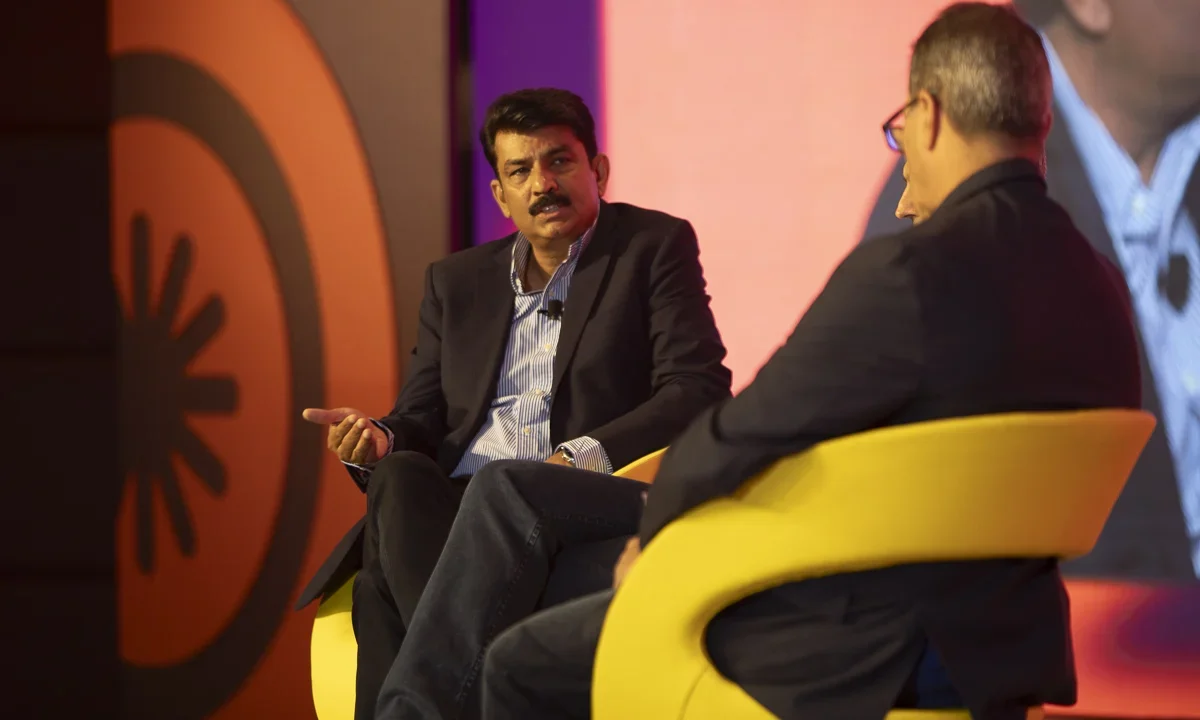
In a recent episode of the Emerging Tech Unpacked podcast, registered nurse and CareWindow co-founder Fiona Symons articulated the silent crisis occurring within our aged care facilities. Symons, who has spent years on the front lines of geriatric nursing, noted that isolation tends to compound with terrifying speed the moment an individual enters a residential care setting.
"We are seeing a systemic issue where the infrastructure of care is focused on physical safety and medical monitoring, while the emotional infrastructure—the social tether to the outside world—is being frayed," Symons noted. For the patient, this leads to a rapid decline in cognitive engagement and a heightened sense of abandonment.
Chronology of the Digital Divide in Aged Care
To understand how we arrived at this critical juncture, we must look at the evolution of care technology over the last two decades.
- 2000–2010: The Era of Paper and Physical Presence. During this period, connection was almost entirely physical. Technology in aged care was limited to basic medical monitoring systems. Digital connectivity was an afterthought, largely because the technology itself was not user-friendly enough for those with cognitive impairments.
- 2010–2018: The Smartphone Revolution. As consumer technology became ubiquitous, aged care facilities struggled to adapt. Tablets and smartphones were introduced, but they were often complex, requiring fine motor skills and high levels of cognitive executive function that were already being compromised in residents with dementia.
- 2019–2022: The Pandemic Catalyst. The COVID-19 pandemic acted as an accelerant. Strict lockdown measures in nursing homes forced a rapid, often clumsy, adoption of video conferencing. This period highlighted the massive failure of standard off-the-shelf technology; residents could not operate iPads, and staff were too overburdened to facilitate every interaction.
- 2023–Present: The Shift to Human-Centric Tech. We are now in a new phase where developers are focusing on "frictionless" technology—devices that operate passively, requiring zero cognitive load from the user, while ensuring that the burden of management does not fall on the already overstretched nursing staff.
Supporting Data: The Impact of Isolation
The medical community has long understood that isolation is not just an emotional state; it is a physical health risk.
According to data from the World Health Organization (WHO), social isolation and loneliness in older adults are associated with a 50% increased risk of dementia, a 26% increased risk of all-cause mortality, and a 32% increased risk of stroke.
Furthermore, studies conducted in long-term care settings indicate that residents who engage in consistent, high-quality digital interaction with family members show:
- Reduced Agitation: A 30% decrease in "sundowning" symptoms—the restlessness and confusion that often occur in the late afternoon for those with dementia.
- Improved Nutrition: Social engagement during meal times, even via digital windows, has been linked to better caloric intake.
- Staff Retention: Interestingly, facilities that utilize streamlined, dementia-friendly technology report higher staff morale. When residents are calmer and more connected, nurses spend less time managing behavioral incidents and more time on clinical care.
Official Responses and the Industry Pivot
Governments and healthcare bodies are beginning to recognize that "digital access" is a human right for the elderly, not a luxury.
During this year’s Dementia Action Week, advocacy groups have called for a mandate on "digital equity" in residential care standards. The call to action is clear: aged care facilities should be required to provide technology that is tailored to the specific cognitive requirements of people living with dementia.
"We cannot expect a 90-year-old with cognitive decline to navigate a standard Android interface," says a spokesperson for a leading aged care peak body. "The industry must pivot toward ‘invisible’ technology. We are looking at smart screens that turn on automatically when a family member calls, voice-activated photo albums, and simplified interfaces that require no password, no login, and no physical interaction from the resident."
The challenge, however, remains the burden on staff. Nurses are currently handling a crisis of workforce shortages. If new technology requires training, constant monitoring, or troubleshooting, it will fail. The consensus among innovators is that technology must be "autonomous."
Implications: The Future of "Care-Tech"
The implications of successfully integrating dementia-friendly technology are profound. We are moving toward a future where:
1. The Autonomous Connection
Imagine a resident’s room equipped with a high-definition screen that acts as a "window." It does not require the resident to "answer" the phone. Instead, it uses proximity sensors to recognize when a family member is calling, displaying a friendly, familiar face instantly. It creates a "presence" in the room without the need for technical literacy.
2. Cognitive Stimulation Through Familiarity
New advancements in AI-driven content curation allow these systems to automatically cycle through family photos, videos of grandchildren, or music from the resident’s formative years. This is not just entertainment; it is reminiscence therapy—a proven intervention that helps anchor individuals with dementia in their own history, reducing anxiety and improving mood.
3. Predictive Analytics for Care
By utilizing non-intrusive sensors, these same systems can provide "passive monitoring." If a resident stops engaging with the screen, or if their sleep patterns change, the system can flag this to staff—not as a failure of the tech, but as a clinical early-warning sign. This allows nurses to intervene before a health crisis occurs.
Overcoming the Barriers to Implementation
Despite the clear benefits, the path forward is not without obstacles. Cost remains a primary barrier. Smaller, family-run aged care facilities often lack the capital to overhaul their digital infrastructure.
Moreover, there are legitimate privacy concerns. As we increase the amount of "connected" technology in private spaces like bedrooms, we must ensure that cybersecurity and data protection for vulnerable residents are prioritized.
However, the risk of doing nothing is far greater. The "digital divide" in nursing homes is a form of institutionalized neglect. By embracing design-led solutions that prioritize the user experience of the dementia patient, we can transform the clinical environment into a space of comfort and community.
Conclusion: A Call to Action
Dementia Action Week serves as a poignant reminder that we are all, ultimately, defined by our relationships. Technology, when designed with empathy and precision, can be the bridge that preserves these relationships when the physical world becomes too confusing to navigate.
As we look toward the future, the goal must be universal: a world where no person, regardless of their cognitive status, is left in silence. The tech exists; the challenge now is to implement it with the urgency that our elders deserve. By reducing the friction of technology, we increase the warmth of human connection, ensuring that even in the twilight of their lives, those living with dementia remain seen, heard, and deeply loved.
