





The landscape of American corporate finance shifted dramatically in February 2026 when the U.S. Supreme Court delivered a landmark ruling invalidating tariffs imposed under the International Emergency Economic Powers Act (IEEPA). The decision triggered a massive, complex fiscal ripple effect, forcing Customs and Border Protection (CBP) to begin the gargantuan task of processing billions of dollars in refunds to companies that had paid the levies over the preceding years.
As of September 11, 2026, the CBP has already disbursed nearly $135 billion in IEEPA tariff refunds. This sudden injection of liquidity has created a new corporate dilemma: how to deploy these unexpected "windfalls" in an era defined by persistent inflation, rising supply chain costs, and shifting consumer sentiment.
A Chronology of the IEEPA Refund Era
The saga of the IEEPA refunds is one of legal intervention, bureaucratic mobilization, and corporate adaptation.
- February 2026: The Supreme Court issues its ruling, declaring the specific application of IEEPA-based tariffs unconstitutional or outside the scope of executive authority. This sets the stage for a massive refund cycle.
- April 2026: Recognizing the administrative impossibility of manual processing, the CBP launches a dedicated online portal to manage the flood of refund requests. This digital gateway becomes the central nervous system for billions of dollars in claims.
- Summer 2026: As claims are validated and funds begin to hit corporate accounts, the Atlanta Fed conducts a comprehensive survey of business leaders to gauge how this capital is being utilized across sectors.
- September 2026: The CBP announces that, beginning in October, it will expand its processing capabilities to include "finally liquidated entries," further accelerating the pace at which the remaining billions in claims will be resolved.
The Atlanta Fed’s Findings: Beyond the Bottom Line
Standard economic models often predict that companies receiving unexpected cash windfalls will prioritize shareholder value—typically through stock buybacks, dividend increases, or debt reduction. While the Atlanta Fed’s August survey confirms that a significant majority of firms are indeed holding these funds in reserve or integrating them into general corporate liquidity, there is a "nontrivial" segment of the business community taking a different path.

The data suggests a bifurcated strategy. While the "retained earnings" approach is dominant, a notable percentage of companies are utilizing the funds for outward-facing initiatives: price reductions, customer rebates, and employee bonuses.
Tactical Distribution of Refunds
- Internal Retention: The primary destination for the bulk of funds remains the corporate balance sheet, serving as a buffer against broader macroeconomic uncertainty.
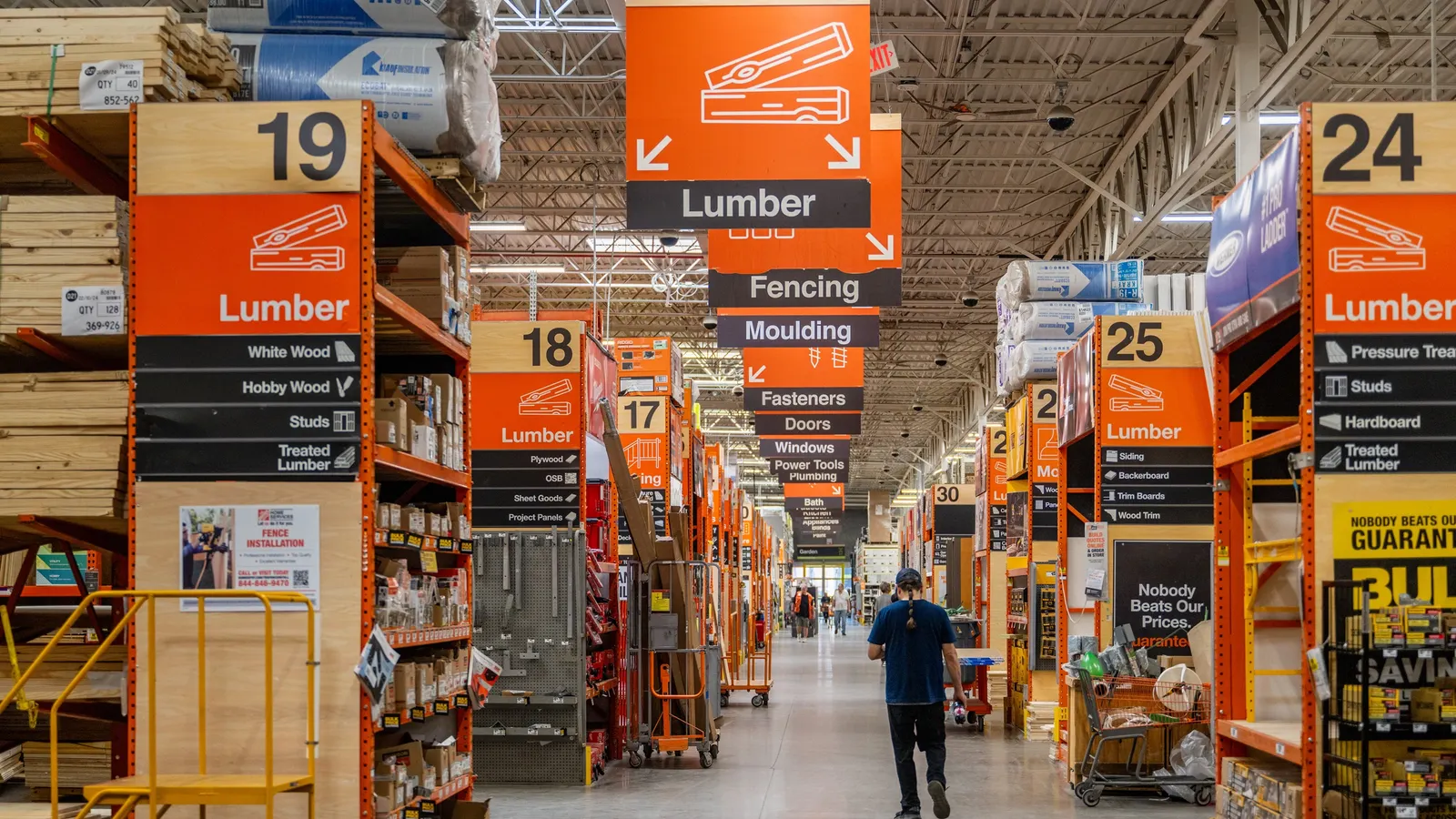
- Supply Chain Offsets: Major players like Home Depot and Lowe’s have explicitly stated they are using the refunds to mitigate the impact of persistent supply chain inflation. By absorbing costs that might otherwise have necessitated further price hikes, these retailers are using the refunds as a tool for price stability.
- Direct-to-Consumer Incentives: Retailers such as Walmart, BJ’s Wholesale Club, and Burlington are using the funds to "deliver sharper values," effectively passing a portion of the refund back to the consumer to drive volume and maintain competitive positioning in a price-sensitive market.
- Human Capital Investment: Companies like Williams-Sonoma have pivoted toward their workforce, distributing portions of the refunds to employees, including the administrative teams who navigated the complex filing process.
Strategic Variations: From Nintendo to American Eagle
The diversity of responses highlights the varying pressures faced by different industries.
Nintendo, for example, initially took a firm stance that customers were not entitled to the tariff refunds. However, the optics of the situation prompted a strategic pivot; the company eventually launched a "customer appreciation sale," acknowledging that while the refunds were not direct rebates, the capital provided the flexibility to offer deeper discounts.
Conversely, some companies viewed the refund process as a burden to be offloaded entirely. American Eagle Outfitters and The Children’s Place represent a unique cohort that chose to sell their rights to potential future refunds to third-party financial entities. For these firms, immediate, guaranteed cash liquidity was deemed more valuable than the administrative headache and potential volatility of waiting for the full government disbursement.

According to the Atlanta Fed, this administrative burden is significant. Nearly 70% of firms chose to manage the complex, documentation-heavy refund process in-house, while approximately 22% opted to hire specialized third-party consultants to ensure their claims were maximized and compliant.
Implications for the Future of Retail and Logistics
The infusion of $135 billion into the private sector has profound implications for the U.S. economy, specifically regarding the "stickiness" of inflation.
The Deflationary Potential
When major retailers like Walmart or Burlington utilize tariff refunds to lower prices, they are effectively introducing a localized deflationary force into the consumer market. In a climate where consumers have been battered by several years of high prices, these "sharper values" are critical for maintaining customer loyalty. If this trend continues as the CBP processes more claims through the end of 2026, it could provide a modest, temporary cooling effect on the Consumer Price Index (CPI) in sectors heavily impacted by the original tariffs.
The Competitive Advantage
The utilization of these funds has become a new front in the retail wars. Companies that can transparently communicate how they are reinvesting these refunds—whether through lower prices or improved wages—are gaining a PR advantage. Conversely, those that simply absorb the funds without visible consumer or employee benefit face the risk of public scrutiny, as seen in the initial pushback against companies like Nintendo.

The Operational Legacy
The sheer scale of the IEEPA refund process has forced a rapid modernization of how firms interface with the CBP. The shift toward digital portals and the reliance on specialized legal and financial teams for trade compliance will likely leave a permanent mark on how logistics and procurement departments operate. Many firms now view "tariff recovery" as a core competency rather than a one-time accounting adjustment.
Conclusion: A "Nontrivial" Impact
The IEEPA tariff refund saga is far from over. With the CBP’s upcoming October expansion into finally liquidated entries, billions more will likely flow back into the economy.
While the Atlanta Fed’s observation that most firms are keeping the cash in-house is consistent with traditional corporate behavior, the "nontrivial" portion being directed toward customers and employees represents a fascinating case study in corporate social responsibility—or perhaps, enlightened self-interest. Whether these actions are driven by a genuine desire to mitigate the cost-of-living crisis for employees or a tactical need to maintain market share in a competitive retail landscape, the net result is an injection of capital that is actively reshaping the post-tariff economic environment.
As we move into the final quarter of 2026, the focus will shift from the initial shock of the Supreme Court ruling to the long-term impact of this unprecedented fiscal redistribution. For procurement professionals and consumers alike, the story of the IEEPA refund is a testament to the fact that in global trade, the path of a dollar—from the government back to the warehouse floor—is rarely a straight line, but its impact is felt everywhere.
