



By Phil Neuffer
Published September 24, 2026
The aftermath of the Supreme Court’s landmark February 2026 ruling, which invalidated tariffs imposed under the International Emergency Economic Powers Act (IEEPA), has triggered one of the largest corporate capital reallocations in recent history. As Customs and Border Protection (CBP) continues to process a staggering $135 billion in refunds, American businesses find themselves at a strategic crossroads: how to deploy these massive, unexpected cash injections in an era of persistent supply chain volatility.
While the primary instinct for many firms has been to bolster cash reserves, a nuanced picture is emerging. According to a recent survey conducted by the Federal Reserve Bank of Atlanta, a "nontrivial portion" of these funds is finding its way into the hands of employees and customers, challenging standard economic models that predicted companies would prioritize shareholder value and capital hoarding above all else.
The Chronology of a Refund Revolution
The current economic landscape is defined by the legal and procedural fallout of the Supreme Court’s decision earlier this year. The invalidation of IEEPA-based tariffs was not merely a legal footnote; it represented the sudden nullification of billions of dollars in levies that had been baked into the cost structure of nearly every major importer in the United States.
- February 2026: The Supreme Court issues its ruling, effectively declaring the specific application of IEEPA tariffs unconstitutional. This creates an immediate fiscal vacuum and a massive liability for the federal government.
- April 2026: Recognizing the logistical nightmare of processing thousands of individual claims, the CBP launches a dedicated, centralized portal to handle refund requests, marking the official start of the reclamation process.
- August 2026: The Federal Reserve Bank of Atlanta conducts an exhaustive survey of business leaders to determine the "velocity of money" regarding these refunds—specifically, how fast and in what manner these funds are circulating back into the economy.
- September 2026: As of September 11, the CBP reports a cumulative payout of nearly $135 billion. Looking ahead, the agency has scheduled an expansion of its processing capabilities for October, which will include "finally liquidated" entries, potentially unlocking further billions for the private sector.
Supporting Data: The Anatomy of Corporate Decision-Making
The Atlanta Fed’s survey provides a rare, granular look at corporate behavior during a time of extreme fiscal disruption. The data suggests that while the "corporate piggy bank" remains the primary destination for the bulk of the refunds, the diversity of corporate strategy is noteworthy.
The survey categorized the utilization of these funds into several key tactical buckets:
- Capital Preservation: Keeping the cash in house to offset debt or boost liquidity.
- Operational Offsetting: Using the funds to mitigate rising logistics and freight costs.
- Customer-Facing Rebates: Reducing prices or launching promotional sales to stimulate demand.
- Human Capital Investment: Distributing bonuses or wage increases to staff.
- Divestment: Selling the rights to future refunds to third-party financial institutions to secure immediate, albeit discounted, liquidity.
Notably, the survey found that nearly 70% of firms chose to manage the complex, bureaucratic filing process with their own internal staff, signaling that the administrative burden of these refunds has become a core competency for modern procurement departments. Conversely, roughly 22% of companies opted to outsource the process to third-party consultants or legal firms, likely due to the complexity of documenting the original tariff payments.
Official Responses and Corporate Strategies
The response from the private sector has been a study in contrasts, ranging from defensive fiscal management to strategic, customer-centric marketing.
The "Cost-Offset" Approach
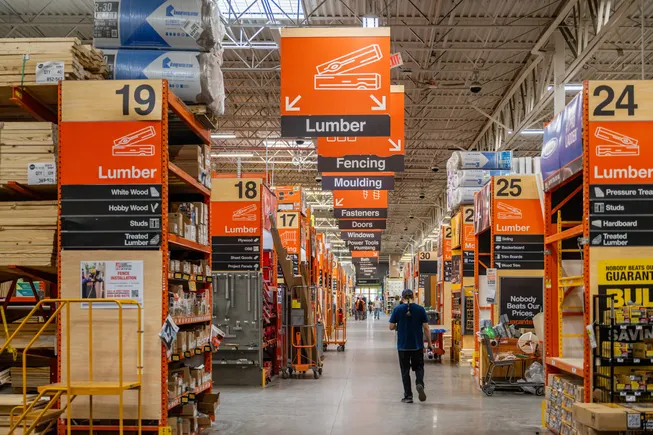
Retail giants like The Home Depot and Lowe’s have been transparent about their strategy: using the refund windfall to insulate their operations against the broader inflationary pressures currently affecting the global supply chain. By utilizing these funds to absorb rising logistics costs, these companies are effectively protecting their margins without needing to pass the entirety of those cost increases onto the consumer.
The "Customer-Centric" Pivot
Other firms have utilized the refunds as a marketing tool. Nintendo serves as a prime example of the evolution of corporate narrative. Initially, the console manufacturer stated that customers were not entitled to any benefit from the tariff returns. However, faced with public scrutiny and a shifting market, the company later pivoted, launching a "customer appreciation sale" that was explicitly linked to the influx of returned capital.

Retailers like Walmart and BJ’s Wholesale Club have taken a more direct route, publicly stating that the refunds are being funneled into price-reduction strategies. Burlington, the off-price retailer, has similarly leveraged the funds to provide "sharper values" to its customer base, essentially using the government’s own returned revenue to gain a competitive advantage in a price-sensitive retail environment.
The Human Capital Factor
Perhaps the most surprising trend noted by the Atlanta Fed is the allocation of funds toward the workforce. Williams-Sonoma has stood out as a leader in this regard, distributing a portion of their refunds to employees—specifically targeting the teams that managed the arduous task of tracking and filing for the IEEPA refunds. This approach serves a dual purpose: rewarding the staff responsible for the windfall while fostering internal morale during a period of corporate transition.
Implications for the Future of Global Trade
The IEEPA refund process has revealed significant structural vulnerabilities and opportunities in how modern corporations view government intervention in trade.
The Rise of Refund Rights as an Asset Class
One of the more fascinating developments has been the emergence of a secondary market for "refund rights." Companies such as American Eagle Outfitters and The Children’s Place chose to offload a portion of their potential refunds to third-party entities. This "sell-off" strategy allows retailers to trade the long-term uncertainty of government processing times for immediate, guaranteed cash flow. It marks a shift in how retailers view their tax and tariff receivables—not just as accounting line items, but as liquid financial instruments.
The "Nontrivial" Impact on the Economy
The Atlanta Fed’s emphasis on the "nontrivial portion" of funds going toward employees and customers suggests that these refunds are acting as a mini-stimulus package. By moving these funds out of corporate balance sheets and into the hands of households (through lower prices) and workers (through bonuses), the refunds are likely contributing to domestic consumption in ways that traditional economic models might have overlooked.

Regulatory and Administrative Challenges
As the CBP prepares to launch the next phase of processing in October—which will tackle the complex "finally liquidated" entries—the administrative hurdle remains high. Companies that have not yet claimed their refunds are facing a ticking clock. The success of this process hinges on the CBP’s ability to scale its digital infrastructure, a challenge that has defined much of the post-February regulatory landscape.
Conclusion
The invalidation of IEEPA tariffs has been more than a legal victory for importers; it has been a catalyst for a massive, uncoordinated, yet highly impactful stimulus of the American economy. While shareholders remain the primary beneficiaries of the $135 billion in refunds, the secondary effects—manifesting in lower retail prices and employee bonuses—demonstrate a surprising level of corporate social and economic agility.
As we look toward the final quarter of 2026, the ongoing saga of the IEEPA refunds serves as a reminder that in the interconnected world of global supply chains, the line between government policy, corporate strategy, and consumer welfare is increasingly blurred. Whether this influx of capital will lead to long-term structural changes in retail pricing or simply act as a one-time relief valve remains to be seen. However, one thing is clear: the ripple effects of the Supreme Court’s February ruling will continue to shape the corporate landscape for years to come.
