


Berlin, Germany – In a move that signals a significant pivot in European climate policy, the German government has officially unveiled its comprehensive roadmap to transition away from fossil fuels—including oil, coal, and natural gas—by 2045. By formalizing this national plan, Germany joins the ranks of France and the Netherlands, becoming the third European nation to codify a trajectory toward full climate neutrality.
While the international community has largely praised the ambition of the plan, domestic reception is fraught with skepticism. Environmental advocates and civil society groups argue that while the roadmap sends a strong signal to global markets, Germany’s current internal policy landscape—characterized by continued subsidies for gas-fired power plants and a contentious overhaul of renewable energy regulations—remains at odds with the country’s stated climate objectives.
Main Facts: The Path to 2045
The German roadmap is designed as a multi-sectoral strategy intended to harmonize the country’s industrial might with its climate commitments. The core objective is the total phase-out of greenhouse gas-emitting energy sources by 2045, with interim milestones set to track the decommissioning of coal-fired power stations and the expansion of hydrogen infrastructure.
The plan emphasizes three primary pillars:
- Electrification of Industrial Heat: A rapid shift toward heat pumps and large-scale thermal storage to move away from natural gas.
- Renewable Dominance: A legislative commitment to streamline planning processes for wind and solar projects to ensure grid capacity meets the surging demand for electricity.
- The Hydrogen Economy: Positioning green hydrogen as the primary energy carrier for heavy industry (steel, chemicals) where electrification is not currently feasible.
Chronology: A Decade of Policy Evolution
The road to this 2045 target has been anything but linear. The evolution of German climate policy reflects the shifting geopolitical and economic realities of the last ten years:
- 2015–2018 (The Paris Era): Following the Paris Agreement, Germany began drafting its initial Klimaschutzplan 2050, which established early, albeit non-binding, targets for emissions reductions.
- 2021 (The Landmark Ruling): The Federal Constitutional Court delivered a historic verdict, declaring that previous climate laws were insufficient and risked violating the freedoms of future generations. This forced the government to accelerate its target for climate neutrality from 2050 to 2045.
- 2022 (The Energy Crisis): Following the invasion of Ukraine and the subsequent loss of Russian gas supplies, Germany was forced to temporarily pivot back to coal. This period created a "policy paradox," where the need for short-term energy security clashed with long-term decarbonization goals.
- 2024–2025 (Regulatory Consolidation): Intense negotiations within the ruling coalition led to the drafting of the current roadmap, aimed at reconciling the coal-exit timeline with the necessary expansion of the gas grid for a transition to hydrogen.
- September 2026 (The Current Roadmap): The publication of the formal national plan, signaling to the EU and the world that Germany intends to meet its 2045 deadline despite domestic hurdles.
Supporting Data: The Reality Gap
Despite the optimism surrounding the publication of the roadmap, data suggests that the transition is not moving at the speed required to meet the stated milestones.
Electric Vehicle (EV) Uptake
EV adoption has become a bellwether for the country’s broader energy transition. According to current data, EV uptake has lagged significantly behind the targets set by previous governments. High retail electricity prices, coupled with a slower-than-anticipated rollout of ultra-fast charging infrastructure, have cooled consumer demand. While the government maintains that the 2045 targets remain achievable, market analysts note that a plateau in EV sales could hinder the transport sector’s ability to decarbonize in line with the new plan.
Renewable Energy Integration
While Germany has seen record-breaking months for wind and solar generation, the "grid bottleneck" remains the primary technical challenge. The transmission capacity required to move energy from the wind-rich north to the industrial south is currently insufficient. Data from the Federal Network Agency (Bundesnetzagentur) indicates that grid expansion projects are currently trailing their 2025 deadlines by an average of 18 months.
Fossil Fuel Dependency
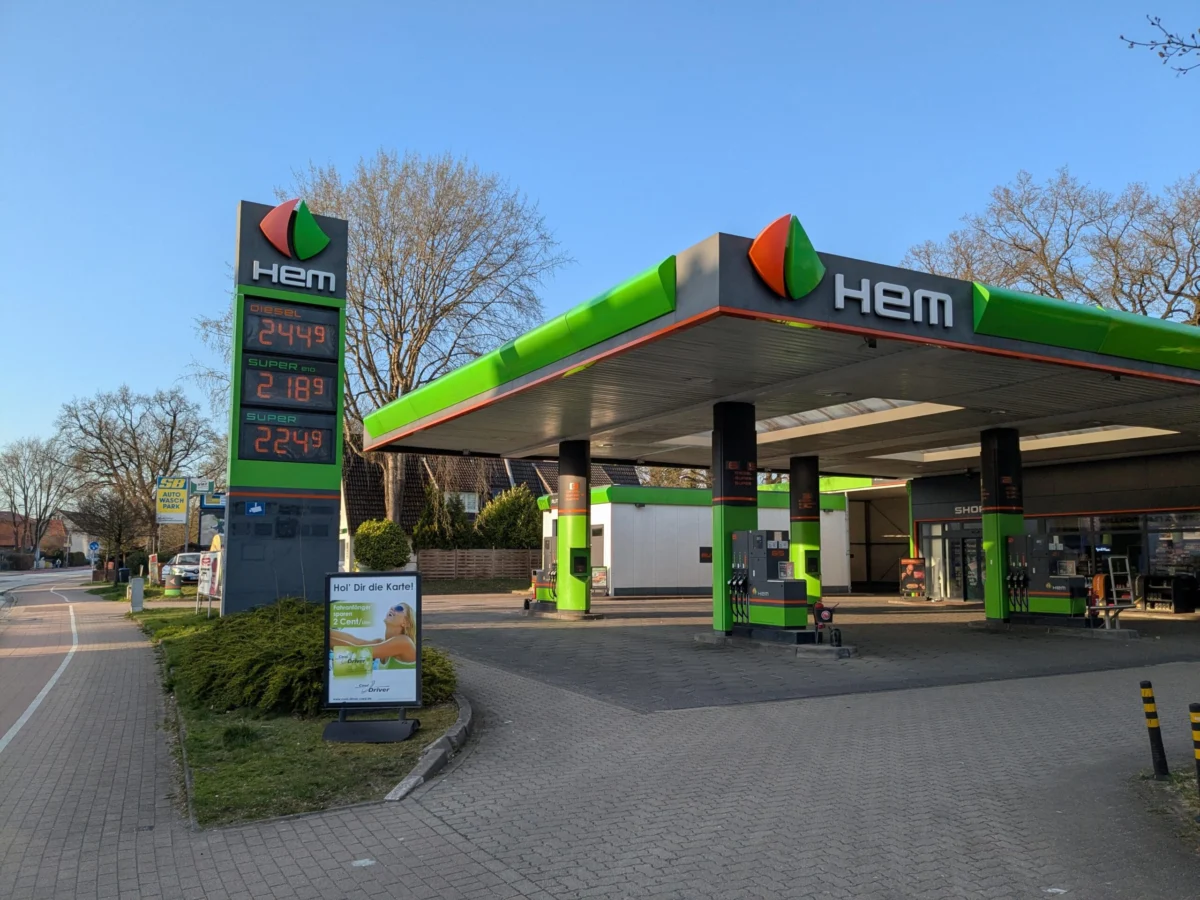
Despite the rhetoric, Germany’s reliance on fossil fuels remains stubborn. Coal generation, while decreasing, still accounts for a significant portion of the base-load power. The roadmap proposes a "bridge" via natural gas power plants, which are intended to be hydrogen-ready. However, the economic viability of these plants remains a point of contention among energy economists, who fear that these assets may become "stranded" if hydrogen production does not scale at the projected rate.
Official Responses: A Divided Consensus
The reception of the roadmap has been characterized by a sharp divide between political leadership and non-governmental organizations (NGOs).
The Government Stance
Government officials have defended the roadmap as a necessary synthesis of pragmatism and ambition. "We are providing the planning security that investors have demanded," a spokesperson for the Ministry of Economic Affairs noted during the press conference. The government emphasizes that the plan is not a static document but a living framework, capable of being adjusted as technological breakthroughs—such as utility-scale battery storage—become more affordable.
Civil Society and Industry Criticism
Conversely, climate advocacy groups have been vocal in their disapproval of specific policy components. Organizations such as the Germanwatch and the Climate Action Network have pointed to two major contradictions:
- Gas Subsidies: NGOs argue that the government’s continued support for gas-fired power plants creates a "lock-in" effect that discourages the rapid deployment of decentralized renewable alternatives.
- Renewables Reform: Recent reforms to the Renewable Energy Sources Act (EEG), while intended to simplify bureaucracy, have been criticized for creating new hurdles for community-owned energy projects, potentially stifling the grassroots momentum that characterized the early days of the Energiewende.
Industry representatives, meanwhile, have voiced concerns regarding the cost of the transition. Large-scale energy consumers in the chemical and manufacturing sectors are warning that if the transition to hydrogen is too expensive or too slow, Germany risks a "de-industrialization" effect, where production shifts to markets with lower energy costs.
Implications: What This Means for Europe
The implications of Germany’s 2045 roadmap extend far beyond its borders. As Europe’s largest economy, Germany’s success or failure will dictate the pace of the EU-wide Green Deal.
Geopolitical Realignments
By transitioning away from fossil fuels, Germany is effectively attempting to decouple its economic prosperity from volatile global commodity markets. This move is being watched closely by the United States and China, both of which are currently engaged in their own industrial subsidy races for green technology. If Germany can successfully integrate hydrogen and renewables at scale, it will likely provide a blueprint for other industrialized nations to follow.
The Challenge of "Just Transition"
Perhaps the most significant long-term implication is the social contract. The transition away from coal and gas is not just an energy challenge; it is an economic one for regions that have historically relied on fossil fuel extraction and processing. The roadmap attempts to address this through investment in "green hubs," but critics argue that the policy is too focused on macro-economic targets and lacks the localized social support systems necessary to prevent political backlash.
Conclusion: The Road Ahead
The publication of the 2045 roadmap is a vital step toward transparency, yet the document itself is merely the starting line. The true test for Germany will be its ability to overcome the internal policy contradictions that currently impede progress. As the country moves into the latter half of the decade, the focus must shift from setting targets to the rigorous implementation of infrastructure.
Germany has signaled its intent to lead. Now, it must prove that it can reconcile its industrial legacy with a future that, by definition, can no longer rely on the fossil fuels that built it. Whether the government can bridge the gap between its ambitious environmental rhetoric and the ground-level realities of its energy sector will determine not only the climate health of the nation but the economic stability of the entire European continent.
