

By Investigative Analysis Desk
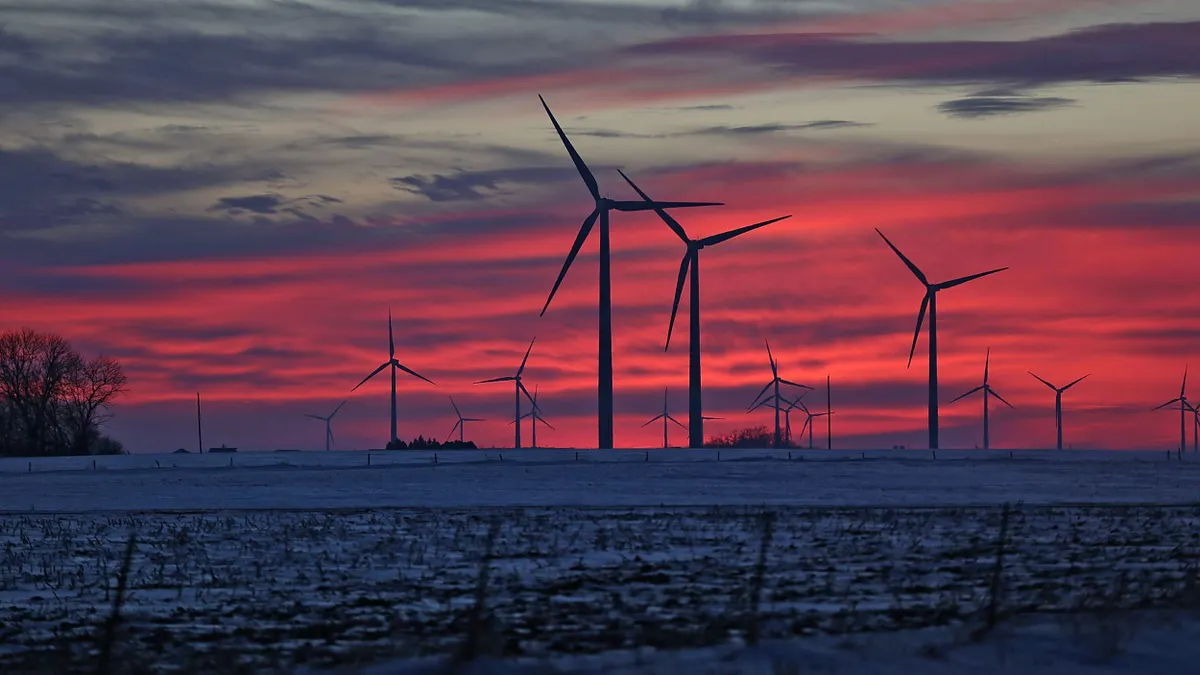
In the halls of Washington and the boardrooms of Wall Street, the narrative surrounding the American energy transition has long been dominated by "bigness." The prevailing logic suggests that the only way to meet the nation’s skyrocketing electricity demand is through colossal infrastructure: massive gas turbines, sprawling utility-scale solar farms, and multi-billion-dollar transmission corridors.
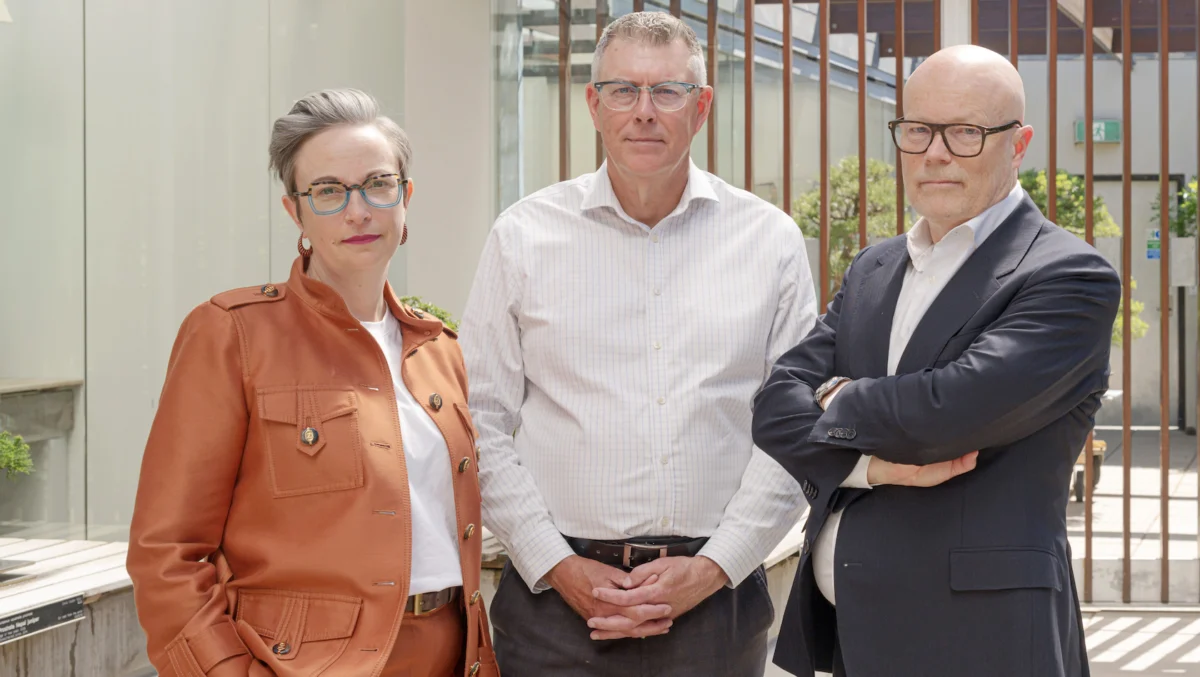
However, Edward Yim, director of clean energy at Lawyers for Good Government and a former Department of Energy official, argues that this fixation on scale is a dangerous oversight. As the U.S. grapples with rising utility costs and an increasingly unstable climate, the most resilient solutions may not be found in the desert-sized solar arrays of the West, but in the rooftops of clinics, schools, and houses of worship in our own neighborhoods.
The Case Against "Bigness": The Hidden Value of Distributed Energy
For decades, the energy sector has prioritized centralized production. Wall Street investors favor large-scale projects because they offer predictable, high-volume revenue streams. Yet, this approach often comes at a steep price: long-term public health degradation, significant land-use disputes, and a fragile grid that remains vulnerable to localized outages.
Small-scale or "distributed" clean energy projects—those installed at the site of consumption—are frequently dismissed as "ineffectual" by policymakers who equate capacity with capability. This is a profound misunderstanding of the modern grid. Distributed solar already accounts for at least 20% of all solar energy installed in the United States. Unlike their utility-scale counterparts, which can take years to permit and connect to the grid, community-scale projects can be deployed rapidly, bypass much of the red tape associated with high-voltage transmission, and provide immediate economic relief to the communities hosting them.
A Chronology of Policy Flux: From the IRA to the Courts
The trajectory of community-scale energy has been a rollercoaster of legislative progress and sudden, politically motivated interference.
- 2022: The enactment of the Inflation Reduction Act (IRA) served as a landmark moment for distributed energy. By introducing "elective pay," the IRA allowed tax-exempt entities—such as nonprofits, municipal governments, and houses of worship—to access clean energy tax credits for the first time, leveling the playing field with private, for-profit corporations.
- 2023: Implementation of these incentives began in earnest. Programs like the EPA’s "Solar for All" were rolled out, designed specifically to bring the benefits of clean, low-cost power to underserved communities, aiming to reduce energy bills by more than 20% for over one million households.
- 2024 (Early): The political climate shifted sharply. Following the inauguration of the Trump administration, a broad push to dismantle the IRA’s climate provisions began. The "One Big Beautiful Bill" (a Republican-led legislative effort) sought to terminate residential solar tax credits and impose new, restrictive barriers on existing storage credits.
- 2024 (Late): The EPA, under the new administration, attempted to terminate the Solar for All program. This sparked a legal firestorm, culminating in a federal judge’s ruling this month that the EPA’s decision to axe the program was illegal, effectively forcing a stay on the termination.
This timeline reflects a broader tension in American governance: the struggle between a long-term, decentralized vision of energy security and a short-term, fossil-fuel-centric policy framework.
Data-Driven Resilience: Why Local Projects Matter
The economic argument for community-scale solar is supported by a 20-year decline in costs. Solar power prices have plummeted by more than 80% over the last two decades. While this has made utility-scale projects highly profitable, it has also created a unique opportunity for social-impact projects.
The Math of Resilience
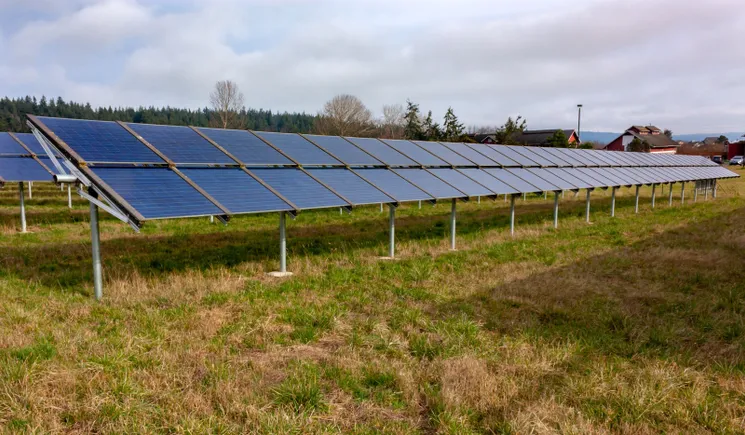
For a private utility firm, a project is judged on its Internal Rate of Return (IRR). For a local health clinic in San Fernando, California, the metric is "energy independence." When that clinic installed solar panels and battery storage—facilitated by IRA tax credits—it achieved a 60% reduction in its grid dependence.
The data suggests three primary advantages to this model:
- Bill Reduction: Direct, immediate lowering of operational costs for community pillars like schools and clinics.
- Backup Power: By pairing solar with battery storage systems, communities gain a "microgrid" capability, allowing them to remain functional during the grid failures that are becoming increasingly common due to extreme weather.
- Pollution Mitigation: Displacing coal and gas-fired generation with localized, clean power directly reduces the regional incidence of heart and lung disease associated with fossil fuel combustion.
Official Responses and Political Implications
The backlash against community-scale energy is not merely a fiscal argument; it is a fundamental disagreement over who should control the American power grid.
Proponents of the current administration’s rollback argue that the government should not be "picking winners and losers" in the energy market. They contend that the private sector, left to its own devices, will produce the cheapest electricity. However, critics like Yim argue that this is a disingenuous framing. "The private sector has benefited from energy tax credits for decades," Yim notes. "Elective pay was simply the mechanism that finally allowed the public and non-profit sectors to have a seat at the table."
The political implication is clear: the current push to remove incentives for local solar is a move to consolidate energy production back into the hands of traditional utility giants. By stripping away tax credits and blocking programs like "Solar for All," policymakers are effectively disenfranchising non-profit organizations from the energy transition, forcing them back into a state of total dependence on centralized, volatile energy markets.
The Path Forward: A Call for Balanced Policy
As Congress approaches the next legislative session, the energy debate must evolve beyond the binary choice of "fossil fuels vs. utility-scale renewables." There is a vital third way: the distributed, resilient, and community-owned model.
Recommendations for Lawmakers:
- Preserve Elective Pay: This mechanism is the single most important policy tool for non-profits and local governments. It should be treated as a permanent fixture of the tax code, not a political bargaining chip.
- Differentiate Support Structures: While mature utility-scale technologies may no longer require the same level of federal subsidy as they did a decade ago, this does not mean the entire industry should lose support. Incentives should be tiered to favor projects that provide secondary public benefits, such as resiliency for emergency shelters or lower bills for low-income housing.
- Streamline Permitting for Microgrids: Federal policy should encourage states to reduce the regulatory burden on small-scale storage, which currently faces disproportionate hurdles compared to large-scale grid infrastructure.
Conclusion: The Foundation for Lasting Change
The demand for electricity in the United States is not going to plateau. Between the rise of artificial intelligence data centers, the electrification of the transportation sector, and the cooling demands of a warming planet, the grid is under unprecedented strain.
Utility-scale power will always have a seat at the table—it provides the massive baseload energy required for an industrial economy. But as a strategy for resilience, it is insufficient. A truly modern, secure, and democratic energy grid requires a decentralized foundation. By empowering schools, churches, clinics, and local governments to generate their own power, the United States can solve the energy crisis from the ground up, ensuring that the benefits of the clean energy transition are not just felt on a corporate balance sheet, but in the daily lives of the American people.
The choice for Congress is simple: do they want to protect a centralized, brittle status quo, or do they want to foster a resilient, distributed, and truly independent energy future for the American community? The technology is ready, the economics are sound, and the need has never been greater. Now, the policy must catch up.
