




For the modern driving enthusiast, the automotive landscape feels increasingly like a sterile laboratory. Dual-clutch transmissions (DCTs) and lightning-fast ZF eight-speed automatics have rendered the traditional manual gearbox a relic of a bygone era. While these modern systems offer objectively superior performance, shift times measured in milliseconds, and safety profiles that protect the "mortal" driver from their own mistakes, something profound has been lost in the transition: the visceral, mechanical conversation between driver and machine.
Enter the "Quickshift," a new aftermarket innovation from Limitless Engineering—a venture spearheaded by the automotive visionary Ferris Rezvani. This bold project seeks to bridge the chasm between high-performance automatic precision and the tactile, romantic engagement of a gated manual shifter. By retrofitting an authentic, gated gear-select mechanism onto paddle-shifted vehicles, Limitless Engineering is attempting to answer a question that has plagued enthusiasts for a decade: Must we choose between speed and soul?
The Core Concept: Mechanical Theater in a Digital Age
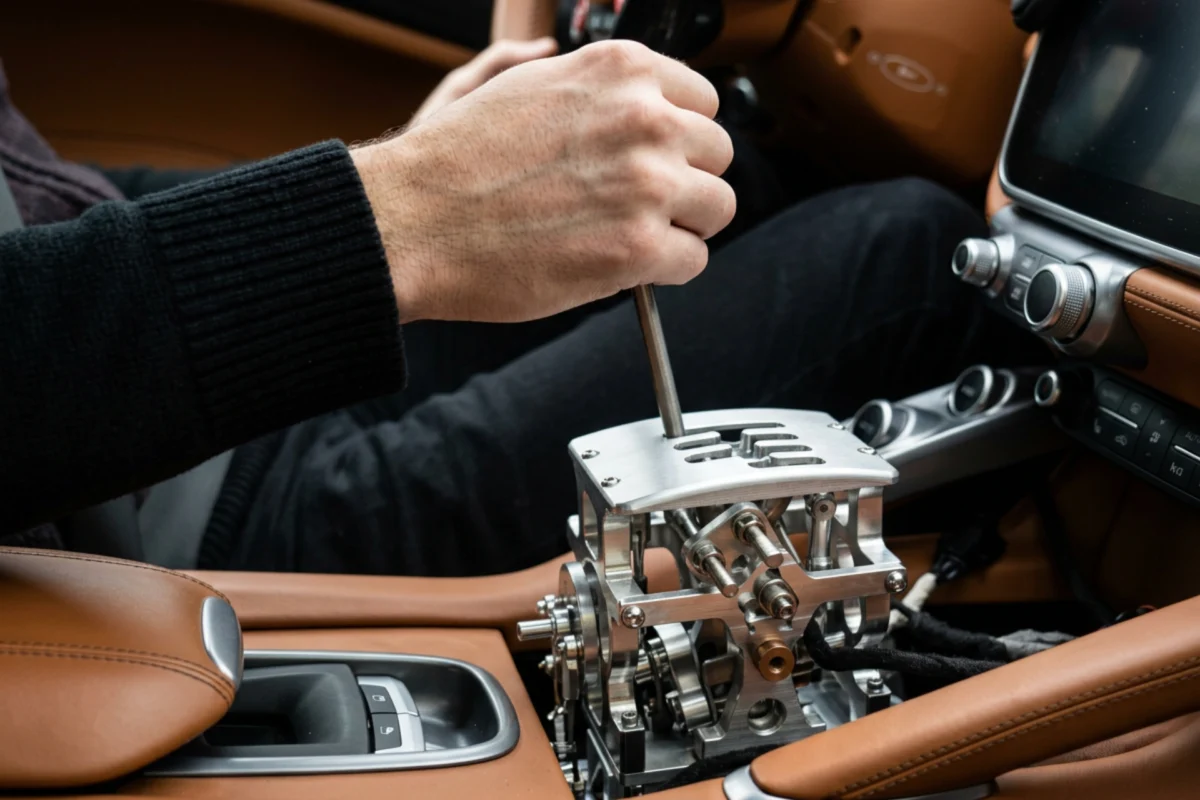
The Quickshift is not a conventional transmission conversion. It does not replace your car’s dual-clutch internals, nor does it involve the painstaking, wallet-draining process of installing a third pedal, a clutch master cylinder, or a flywheel conversion. Instead, the Quickshift functions as a sophisticated interface module.
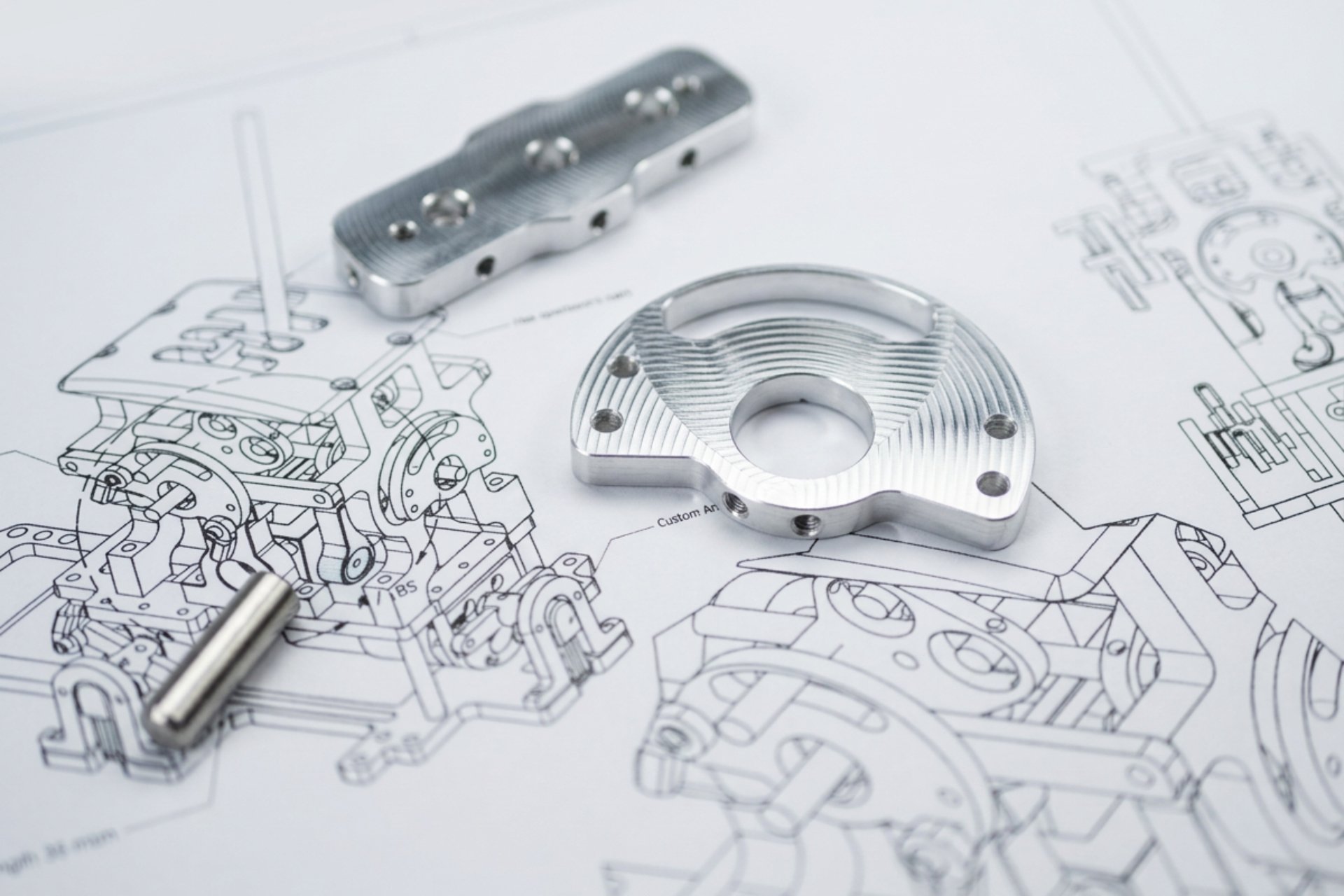
At its heart, the device is a beautifully machined, gated manual shifter that sits in the center console. When the driver moves the stick into a gear gate, the system intercepts the signal and communicates directly with the car’s existing Transmission Control Unit (TCU). It effectively "fools" the car into executing a gear change. The result is a system that allows you to "row your own gears" with the physical sensation of a gated shifter, while the car’s lightning-fast DCT performs the actual mechanical work of changing the gear ratios in milliseconds.
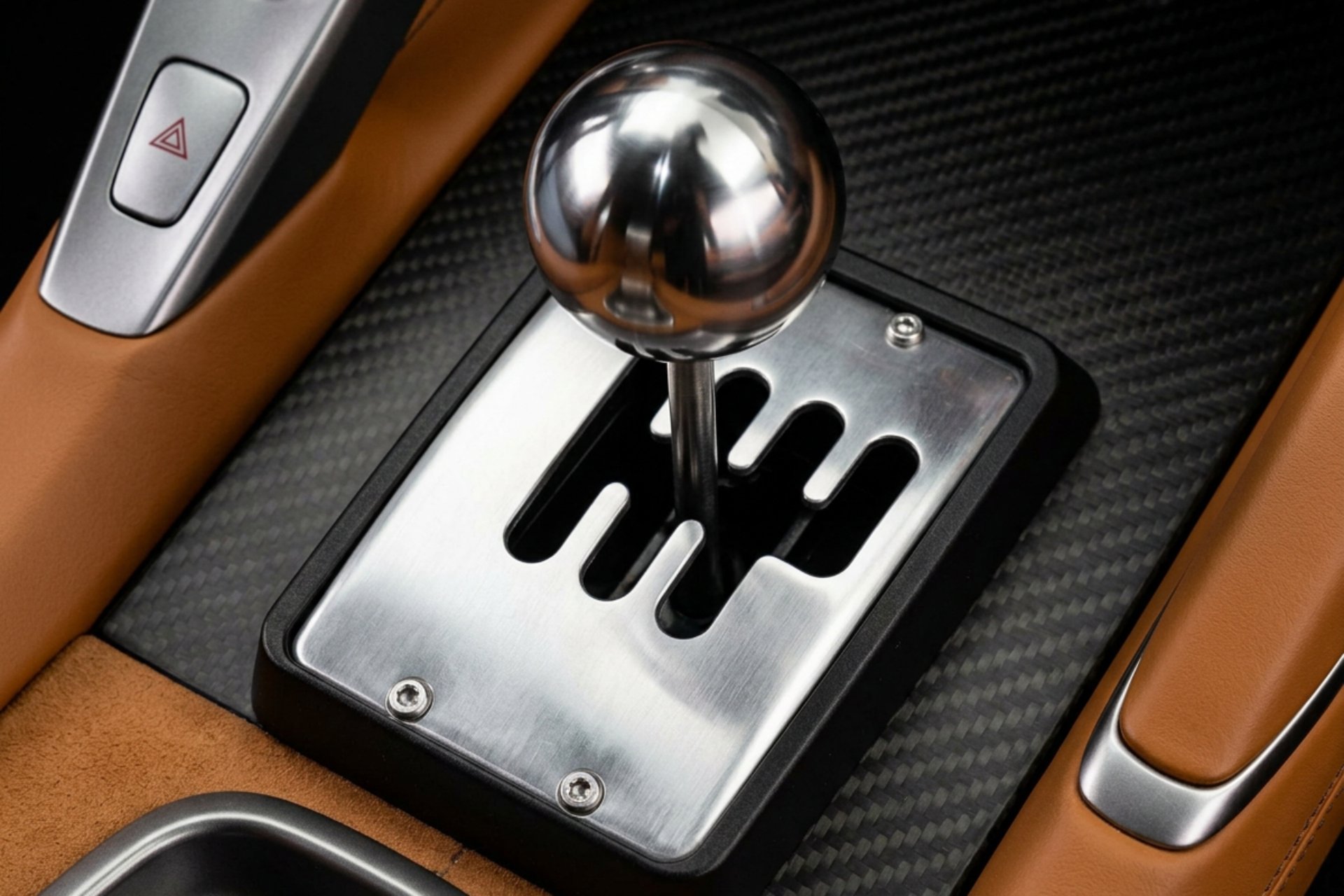
The beauty of the system, according to its developers, lies in its modularity. Because it interfaces with the electronic signals already present in modern performance vehicles, it does not require invasive surgery on the transmission housing or the engine block. It is a bolt-on solution for the soul.
A Chronology of the Shift: How We Got Here
The decline of the manual transmission was not an overnight event; it was a slow, calculated retreat driven by the pursuit of the Nürburgring lap record.
- 2000s: The Dawn of the DCT: The early 2000s saw the rise of the Dual-Clutch Transmission, popularized by manufacturers like Volkswagen and BMW. These systems, which utilize two separate clutches for odd and even gear sets, proved that an automatic could out-shift even the most skilled human driver.
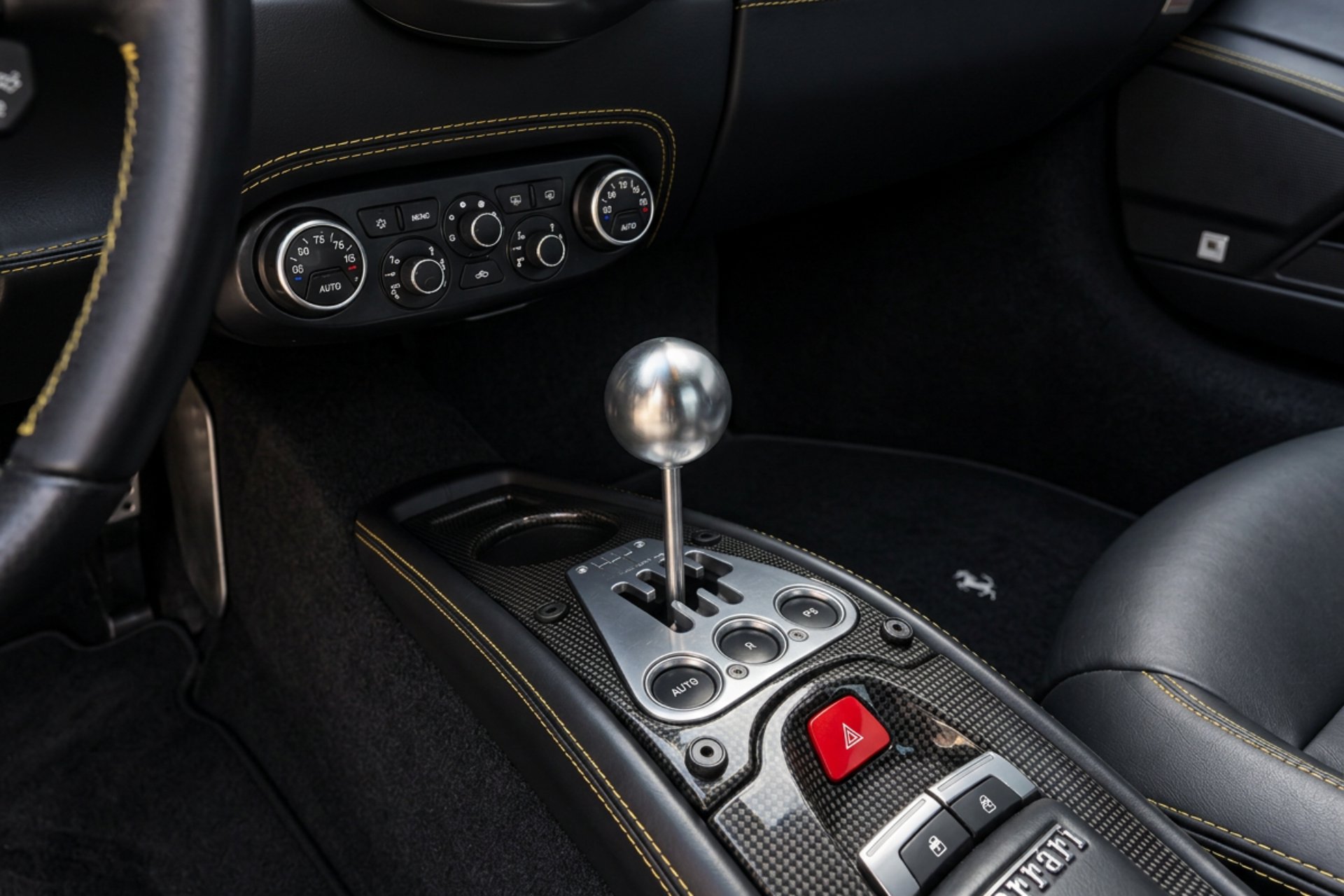
- 2010s: The Great Purge: As performance metrics became the primary marketing tool for supercar manufacturers, the manual gearbox began to vanish from the options list. Ferrari, a brand once synonymous with gated manual shifters, dropped the option entirely from the 458 Italia, marking a turning point in automotive history.
- 2020s: The Nostalgia Premium: By 2025, the manual transmission had become an endangered species, available only in a dwindling handful of enthusiast-focused cars. The market responded with a massive surge in the value of older, manual-equipped sports cars, as collectors realized the "analog" experience was becoming unobtainable.
- 2026: The Limitless Solution: Ferris Rezvani, recognizing that the emotional void left by the departure of the manual transmission was creating a massive market opportunity, initiated the Quickshift project. The goal was to reclaim the tactile satisfaction of the gear change without sacrificing the performance advantages of modern technology.
Supporting Data: The Physics of Engagement
Why do we crave the manual shift? Research into driver psychology and ergonomics suggests that the satisfaction of driving is heavily linked to the "Human-Machine Interface" (HMI).
In a standard DCT, the tactile input is limited to a small paddle behind the steering wheel. This lacks the physical "throw" and mechanical resistance that define the traditional gear-change experience. The Quickshift restores this by reintroducing the physical range of motion. When you move the lever, you are engaging a weighted, mechanical mechanism that provides haptic feedback—the "clunk" and "click" of a well-engineered gate.

Data from the testing phase shows that while the actual gear-change speed remains identical to the stock software, the perceived driver engagement increases by an order of magnitude. In a simulated track environment, test drivers reported a higher level of confidence and "connectedness" to the vehicle’s power band, as the physical action of shifting acts as a rhythmic anchor for the driver during high-speed cornering.
Official Responses and The Philosophy of the Machine
Ferris Rezvani has been vocal about the motivation behind this project. In recent press statements, he framed the Quickshift not as a technological upgrade, but as a cultural intervention.
"Modern cars have achieved incredible feats of engineering," Rezvani noted during the unveiling of the Ferrari 458 demonstrator. "They are faster, safer, and more capable than anything we could have dreamed of twenty years ago. But along the way, they have lost the emotion. The way you interact with the car matters. Reaching for a gated shifter, feeling it move into position, hearing the engine respond—that creates an emotional connection. Quickshift is about giving drivers more of those moments."
Rezvani is careful to distinguish the product from the past. "Quickshift is not meant to be an old-fashioned manual, but the modern version of a manual. It gives the driver the tactile, gated feel of rowing your own gears without the archaic requirement of a clutch pedal that slows you down."
Implications: The Cost of Connection
Despite the brilliance of the concept, the Quickshift is not without its hurdles. The most immediate is the barrier of entry. Limitless Engineering has built its reputation on bespoke, high-end automotive commissions, and the Quickshift is expected to follow this pricing model.
1. The "If You Have to Ask" Factor
Because every vehicle’s interior architecture and electronic communication protocols differ, the installation is far from a "plug-and-play" experience. Each kit must be customized for the specific vehicle, involving custom-machined interior plates, console modifications, and bespoke software mapping to ensure the Quickshift communicates seamlessly with the car’s ECU/TCU. For a supercar like a Ferrari 458, this could mean an investment that, when combined with the cost of the vehicle, pushes the project into six-figure territory.
2. The Cultural Divide
There is also a philosophical divide among purists. Some argue that without a physical clutch pedal—the true definition of a manual transmission—a gated shifter is merely a "glorified paddle shifter." They view it as a piece of "automotive theater." However, for those who simply want to enjoy their daily driver or weekend toy without the fatigue of stop-and-go traffic in a true manual, the Quickshift offers a compelling middle ground.
3. The Future of Aftermarket Retrofitting
The success of this project could signal a new trend in the aftermarket world. As manufacturers move toward all-electric platforms, the "manual experience" will soon disappear entirely. Companies like Limitless Engineering may find themselves at the forefront of a new industry: "Legacy Preservation." By retrofitting the tactile sensations of the past into the digital machines of the present, they are ensuring that the art of driving remains a sensory experience rather than just a data-driven commute.
Final Thoughts
The Quickshift is a fascinating study in the tension between progress and passion. It acknowledges that the future of the automobile is digital and automated, yet it refuses to accept that the driver should be a mere passenger in the process.
Whether the Quickshift becomes a staple for collectors or remains an ultra-exclusive curiosity for the wealthy, it serves as a powerful reminder that automotive enthusiasts are not just chasing numbers. We are chasing feelings. And for many, the simple, mechanical act of moving a stick through a gate is a feeling worth paying for—even in the digital age.
