

For many automotive enthusiasts, the path to a finished project car is paved with good intentions and broken by a single, elusive mechanical failure. When a vehicle is sidelined, the inertia of "life" takes over. Weeks turn into months, and months stretch into years. Eventually, the dust settles, the tires deflate, and a once-beloved machine becomes a permanent fixture in the garage—or worse, a lawn ornament.
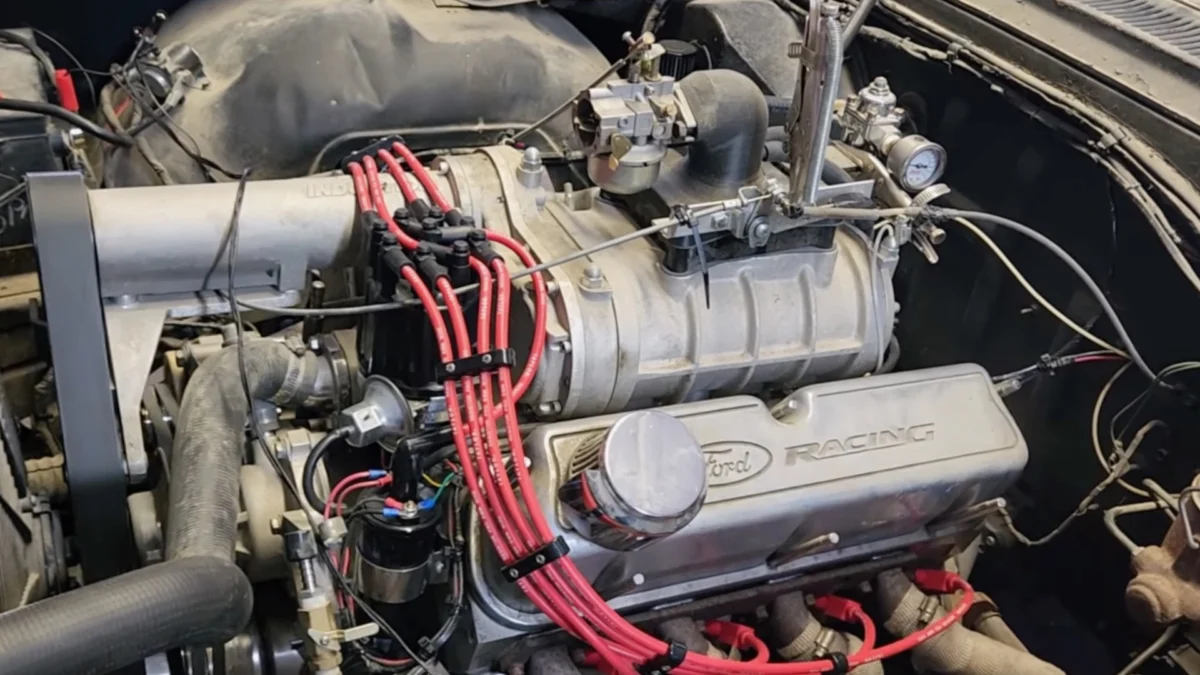
This was the grim reality for a Ford Fairlane that had sat dormant for a full decade, silent and immobile. However, in a display of mechanical ingenuity that defies conventional automotive engineering wisdom, YouTube creator Luke of the ThunderHead289 channel has breathed life back into the beast using an unlikely donor: a lawnmower carburetor. While the results are far from a factory-tuned performance machine, the project serves as a masterclass in improvisation, challenging the boundaries of what is strictly necessary to keep an internal combustion engine firing.
Main Facts: A Bold Experiment in Engine Management
The core premise of Luke’s experiment was simple yet inherently absurd: could a carburetor designed to fuel a single-cylinder, low-horsepower lawn tractor effectively manage the combustion requirements of a large-displacement Ford V8?
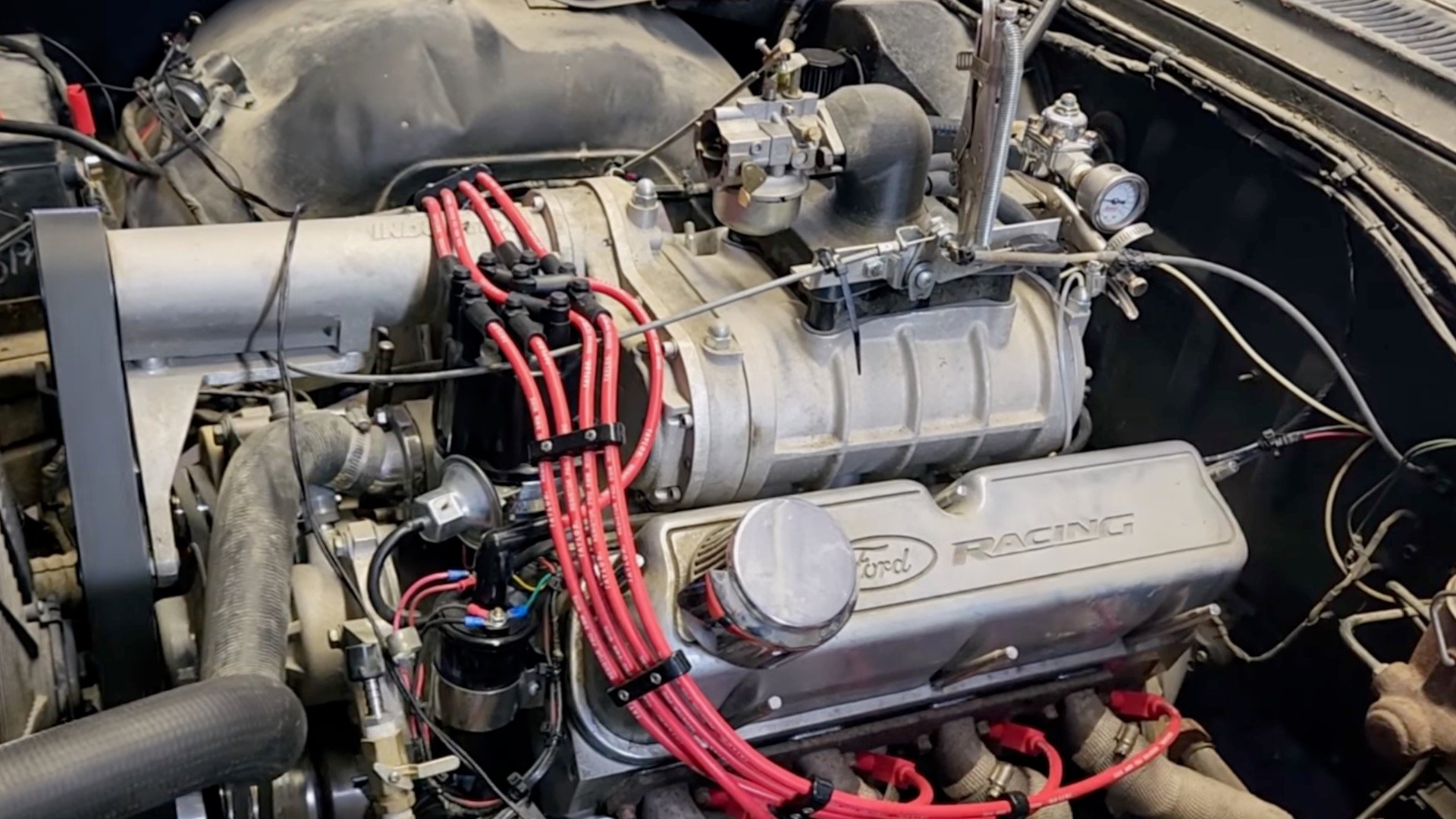
The subject, a Ford Fairlane, presented a unique challenge. Unlike a standard naturally aspirated engine, this particular V8 features an attached supercharger. The complexity of forced induction—which requires a precise air-to-fuel ratio to prevent catastrophic engine failure under boost—usually demands sophisticated fuel injection or high-flow, high-capacity carburetors.
By installing a lawnmower carburetor, Luke essentially attempted to feed a high-performance engine through a straw. The result was not a high-speed track machine, but a functional, idling, and briefly drivable vehicle that had been resurrected from a ten-year slumber. The setup is a testament to the fact that internal combustion engines, at their most basic level, are remarkably resilient systems that simply require air, fuel, and a spark at the correct moment—regardless of the source of the intake hardware.
Chronology: From Static Sculpture to Running Machine
The restoration process was not merely a "bolt-on" affair; it required significant technical gymnastics to circumvent the inherent design limitations of the lawnmower carb.
Phase 1: The Assessment
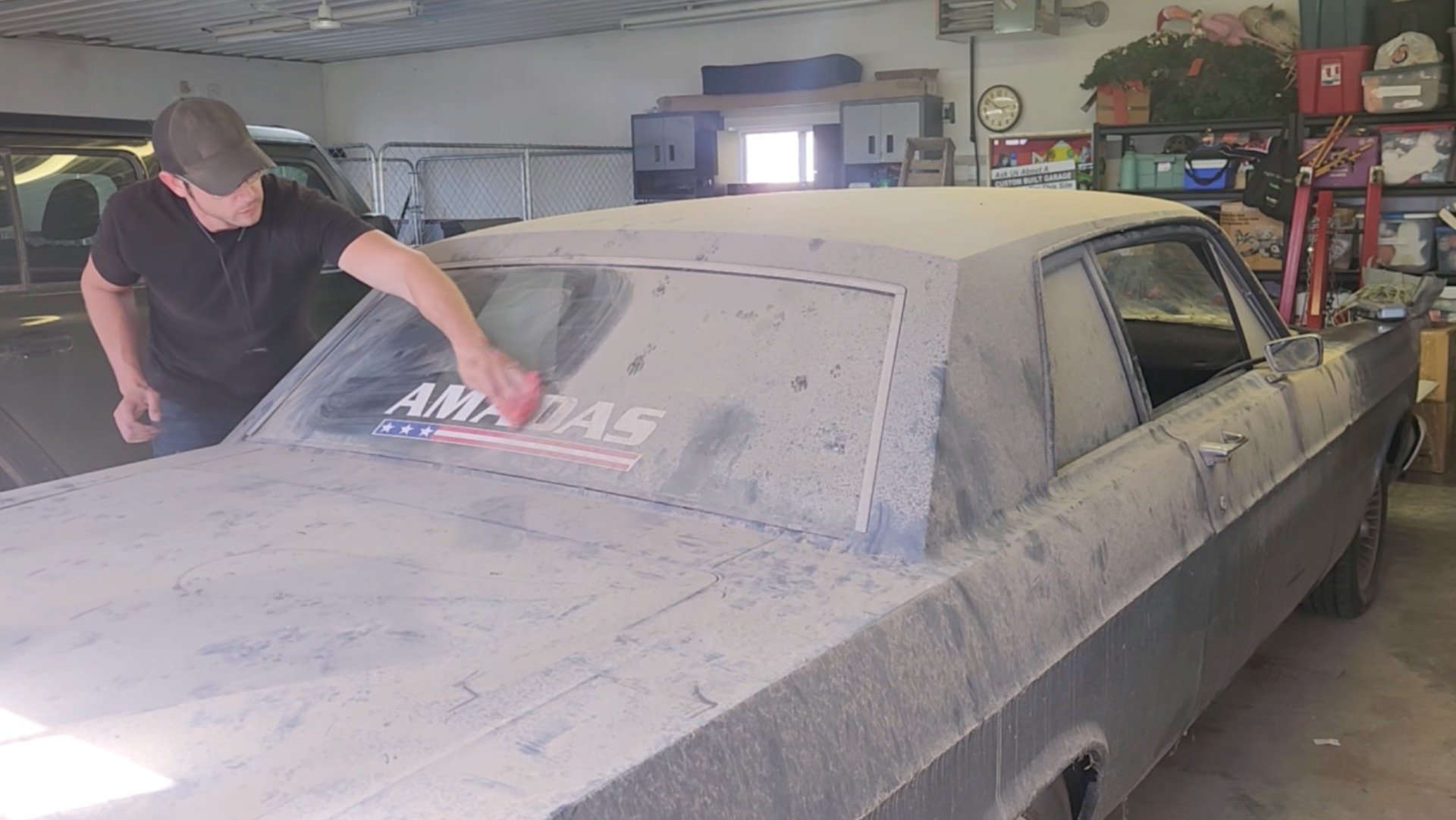
The Fairlane had been effectively dead for 10 years. Before any mechanical work could begin, the vehicle underwent a comprehensive check of the electrical system and fuel lines. Given the age of the dormant fuel, the entire system had to be flushed to prevent varnish and sediment from clogging the new, delicate intake.
Phase 2: The Fuel System Improvisation
Standard lawnmower carburetors are typically gravity-fed, lacking the fuel pumps found in automotive applications. To adapt this to the V8, Luke had to engineer a temporary, low-pressure fuel system. Using a fuel regulator, the team choked the line pressure down to a manageable 1.5 to 2 psi—a range the small carburetor could tolerate without blowing its internal seals or flooding the intake manifold.
Phase 3: Safety and Prototyping
Because the primary fuel tank was bypassed, a secondary, makeshift fuel reservoir was mounted inside the passenger footwell. In a move that highlights the inherent risks of such "backyard engineering," the car’s battery was also relocated to the interior. The proximity of a potential fuel leak to an exposed electrical power source necessitated the presence of a fire extinguisher, turning the vehicle’s cabin into a high-stakes laboratory.
Phase 4: The Startup and "The Drive"
Upon turning the key, the V8 fired with surprising alacrity. The engine achieved a steady, rhythmic idle, monitored by the "Carb Cheater" app—a digital tool used to verify air-fuel ratios. While the engine ran, it was clear that the carb was at its limit. It could manage the idle, but the moment the throttle opened, the physical limitations of the venturi size meant the engine was starved of air, leaving the supercharger to act as a source of mechanical drag rather than a power-adder.
Supporting Data: Understanding the Air-Fuel Deficit
To understand why this setup is so radical, one must look at the math of airflow. A standard V8 engine at wide-open throttle (WOT) requires a massive volume of air to sustain combustion. A lawnmower carburetor, typically rated for engines under 20 horsepower, is designed to flow a fraction of the cubic feet per minute (CFM) required by a V8.
The "Carb Cheater" data collected during the test run indicated that while the stoichiometric ratio was kept in a safe range for idle and low-load conditions, the engine’s volumetric efficiency plummeted under any attempt at high-load operation. The supercharger, which is designed to cram air into the cylinders, was essentially creating a vacuum bottleneck at the carburetor inlet.
Furthermore, the heat management of such a setup is non-standard. Without the cooling effects of a larger, properly tuned fuel charge, the combustion chamber temperatures could theoretically spike, leading to pre-ignition or "knock." Luke’s success in keeping the engine running smoothly—even at low speeds—demonstrates a deep understanding of fuel pressure regulation and ignition timing, which allowed him to compensate for the hardware limitations.
Official Responses and Peer Perspective
The automotive community has reacted to the project with a mix of awe and amusement. Engineering forums and YouTube comments sections have been flooded with discussions regarding "venturi velocity" and "atomization efficiency."
Industry experts have noted that while this is a "stunt" build, it highlights the often-overlooked necessity of carburetor tuning. Many amateur mechanics struggle to get an engine running because they try to "over-carb" their builds, choosing components that are far too large for their engine’s displacement. By going to the extreme opposite end of the spectrum, Luke has provided a visual representation of how an engine responds to restricted airflow.
Previous projects, such as his earlier work on a Ford Maverick using a similar lawnmower carburetor, show a progression in methodology. In that instance, Luke developed custom mounting plates and linkage adapters that allowed the car to be driven on public roads—a level of refinement that elevates the "lawnmower carb" concept from a circus trick to a legitimate, albeit temporary, automotive solution.
Implications: The Future of "Junkyard" Engineering
What does this experiment mean for the future of DIY car culture? Primarily, it serves as a reminder that the "perfect" part is often the enemy of the "running" part.
1. The Death of Perfectionism
The modern project car scene is often dominated by "catalog builds," where enthusiasts buy pre-made, expensive kits. Luke’s work challenges this by returning to the spirit of early hot-rodding, where the goal was to make it run with whatever was available on the workbench. It encourages builders to understand the function of their parts rather than just their brand names.
2. The Educational Value
By forcing a V8 to run on a restricted intake, the builder learns more about engine dynamics than they would by simply installing a high-performance Holley carburetor. The process of tuning the pressure, adjusting the timing to compensate for the limited air, and monitoring the output via digital apps provides a hands-on education in thermodynamics and fluid dynamics.
3. Sustainability and Resourcefulness
While a lawnmower carburetor is not a long-term solution for a high-performance V8, the project proves that even a car that has sat for a decade is not necessarily "dead." It provides a pathway for enthusiasts to get a car moving under its own power, which is the crucial first step in any restoration journey. Once the engine is moving, the motivation to complete the interior, bodywork, and suspension upgrades often follows.
4. Safety Considerations
It is vital to state that such improvisations carry significant risks. The use of cabin-mounted fuel tanks and temporary wiring is inherently dangerous. While Luke’s project was executed with a high degree of awareness and safety precautions, it serves as a warning that "getting it running" should never supersede the necessity of safe, road-worthy engineering in the long term.
Conclusion: The Joy of the "Un-Project"
The Ford Fairlane is unlikely to win any drag races with its current setup. It is a noisy, limited, and technically fragile machine. However, the satisfaction of hearing a long-dead engine roar to life after ten years of silence is an experience that transcends the technical specifications of the parts used.
Luke’s "lawnmower carb" experiment is more than just a viral video; it is a philosophy. It suggests that the barrier to entry for automotive restoration is lower than we think, provided the builder is willing to get creative, study the physics of their machine, and accept that sometimes, the best part for the job is the one you already have in your hand. As the Fairlane finally moves under its own power, the dust of a decade is blown away, replaced by the unmistakable scent of gasoline and the thrill of a successful resurrection. In the world of project cars, that is the ultimate victory.
