

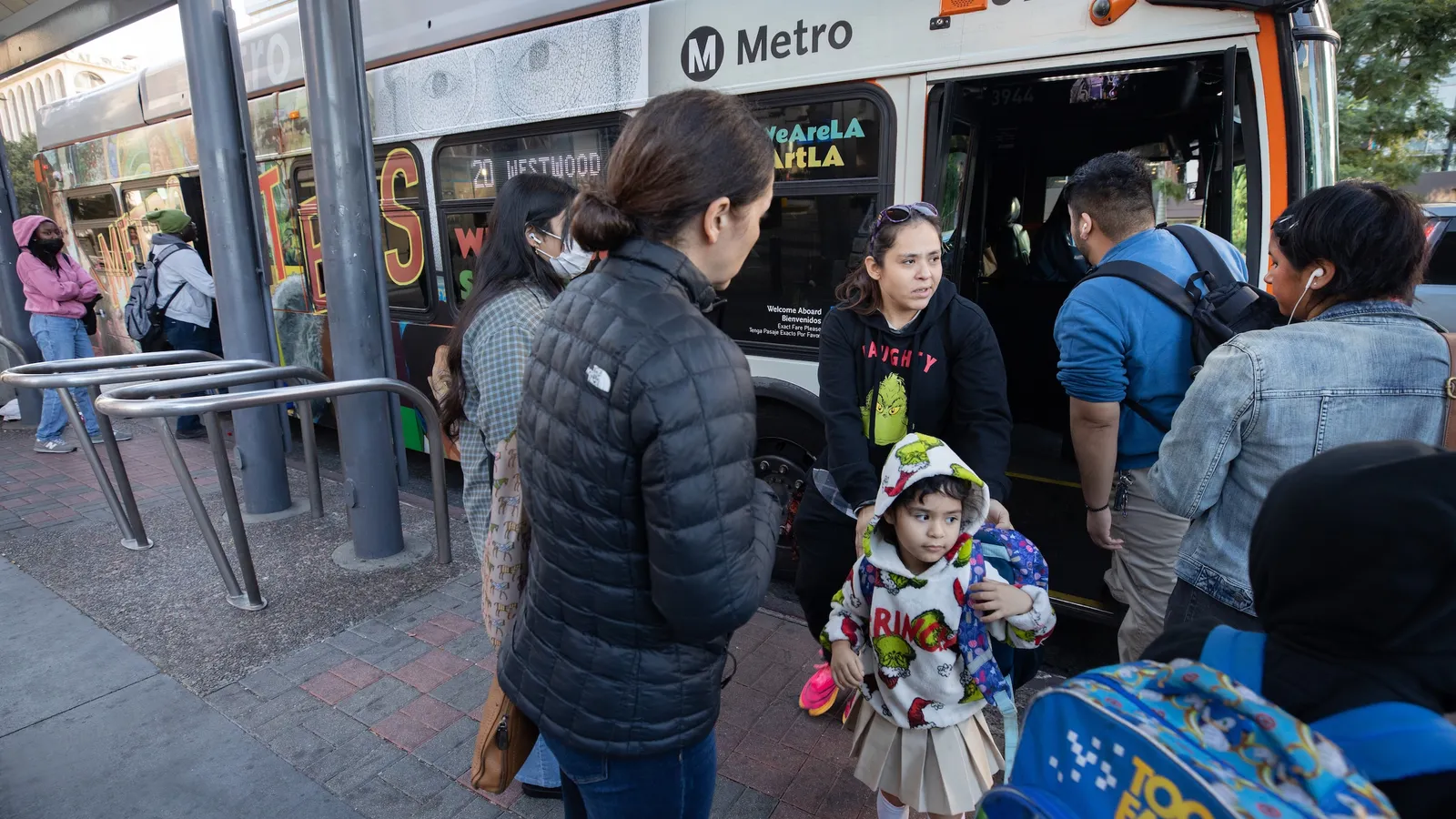
Main Facts: A New Era for Los Angeles Transit
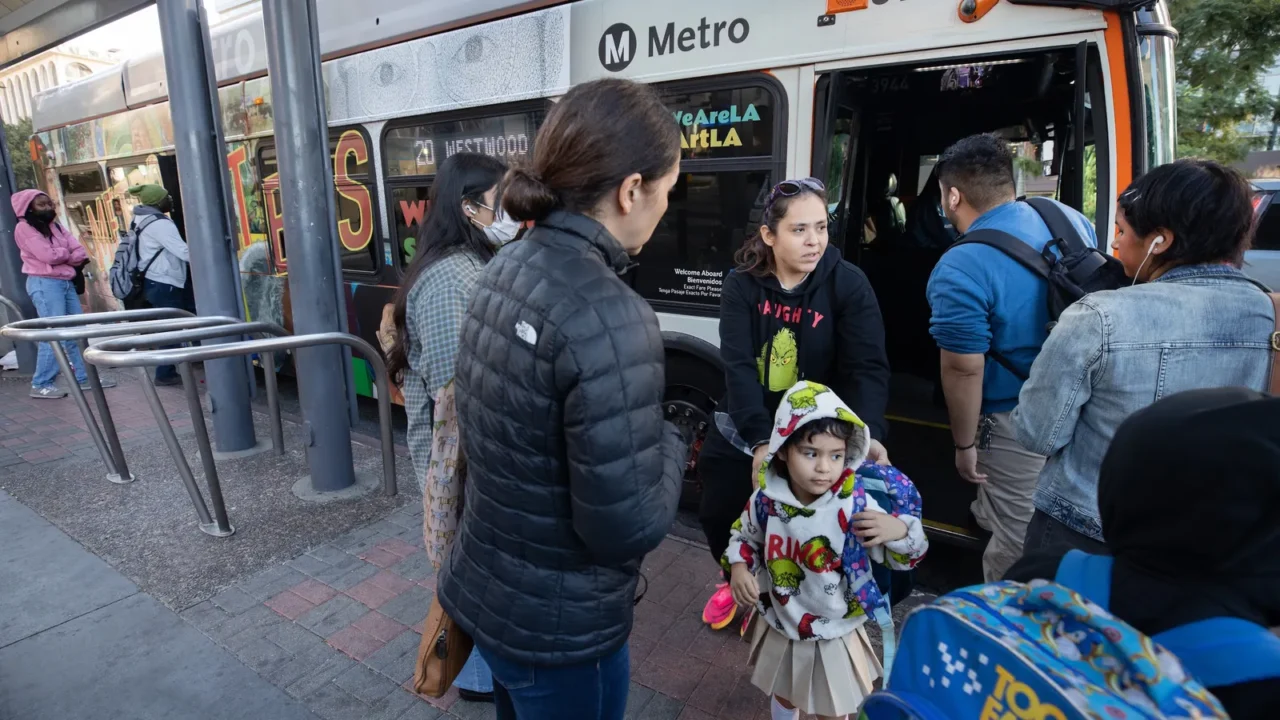
In a milestone development for Southern California’s transportation infrastructure, Los Angeles has officially broken ground on the Vermont Transit Corridor Bus Rapid Transit (BRT) project. This ambitious undertaking, spearheaded by the Los Angeles County Metropolitan Transportation Authority (LA Metro), aims to overhaul one of the city’s most heavily utilized transit arteries.
The project, which received a critical $150 million infusion from the Federal Transit Administration’s (FTA) Capital Investment Grant (CIG) Small Starts Program on September 1, is now fully funded. By combining federal support with state grants and local sales tax revenue—specifically funds earmarked through voter-approved measures—Metro has secured the capital necessary to transform the Vermont Avenue corridor into a high-capacity, efficient transit backbone.
Spanning from East Hollywood in the north to the West Athens neighborhood in the south, the project is designed to serve as a critical north-south connection in a city traditionally criticized for its fragmented transit landscape. Once operational, the BRT line is projected to facilitate over 66,000 daily boardings, providing a reliable alternative to the notoriously congested Vermont Avenue corridor.
Chronology: From Planning to Groundbreaking
The journey to the Vermont BRT groundbreaking was years in the making, reflecting a shift in LA Metro’s strategy toward prioritizing high-frequency bus service over capital-intensive, multi-decade rail projects.
- Early Planning Phases (2018–2020): Metro identified the Vermont corridor as a high-priority area due to its dense population, high percentage of transit-dependent households, and severe traffic congestion. Initial environmental impact reports and community feedback sessions established the need for a dedicated transit solution.
- Funding Acquisition (2021–2023): Throughout the pandemic, Metro worked to align local tax measures with state climate-action grants. The final puzzle piece fell into place with the successful application for the FTA’s Small Starts program, which recognized the project’s high benefit-to-cost ratio.
- Project Finalization (Early 2024): Metro finalized design plans, emphasizing not just transit speed, but "complete street" improvements, including pedestrian safety and cycling infrastructure.
- The Groundbreaking (September 2024): Officials gathered at the ceremonial site to mark the commencement of construction, signaling the transition from planning to active implementation.
Supporting Data: The Backbone of LA Transit
The Vermont Avenue BRT is not merely a bus line; it is a vital transit artery that connects disparate neighborhoods across the Los Angeles basin. The project’s impact is supported by a robust set of metrics:
Connectivity and Access
The corridor serves as a transit hub, intersecting with four major Metro Rail lines and over 13 east-west bus routes. This integration is essential for creating a "seamless" travel experience, allowing commuters to traverse the county without relying on personal vehicles. The project provides direct access to:
- Educational Hubs: The University of Southern California (USC) and Los Angeles City College (LACC).
- Cultural and Civic Landmarks: The Lucas Museum of Narrative Art and nearly 90 local schools.
- 2028 Olympic Infrastructure: Crucially, the route serves the Los Angeles Memorial Coliseum and Exposition Park Stadium, both of which are slated to host events during the 2028 Olympic and Paralympic Games.
Infrastructure Upgrades
The project goes beyond just adding more buses. The $150 million federal grant will support:
- Station Modernization: Upgrading 26 bus stations with enhanced LED lighting, real-time arrival digital displays, emergency call buttons, and ADA-compliant curb ramps.
- Streetscape Improvements: The installation of wider sidewalks, protected bike lanes, and "bus bulb-outs"—sidewalk extensions that allow buses to pick up passengers without pulling out of the flow of traffic, thereby shortening street-crossing distances for pedestrians.
Official Responses: A Unified Vision
At the groundbreaking ceremony, leadership from the city and the county emphasized the equity-focused nature of the project.
LA Metro CEO Stephanie Wiggins highlighted the project’s strategic importance during her keynote address. "By improving the Vermont corridor, we fortify the north-south backbone of our bus system," Wiggins stated. Her remarks underscored a broader shift at Metro: the realization that the bus system remains the true workhorse of Los Angeles transit, serving the highest number of riders daily.
Los Angeles County Supervisor Holly Mitchell echoed these sentiments, framing the project as a matter of civil right and service quality. "We’re delivering the fast, reliable, seamless transit that LA County residents and South Los Angeles residents deserve," Mitchell said. Her focus remains on the working-class families along the Vermont corridor who rely on public transit for their livelihoods, education, and social mobility.
Implications: The Long-Term Impact on Los Angeles
The Vermont BRT project carries significant implications for the future of urban mobility in Southern California.
1. Shift Toward "Complete Streets"
By integrating protected bike lanes and widened sidewalks into the BRT design, Metro is signaling a commitment to "complete streets." This approach acknowledges that transit stops are not just places to wait for a bus, but hubs for pedestrian activity. By reducing crossing distances and improving lighting, the project aims to decrease traffic-related fatalities and injuries, supporting the city’s "Vision Zero" goals.
2. Preparing for the 2028 Olympics
With the eyes of the world turning to Los Angeles in 2028, the Vermont BRT represents a vital component of the city’s Olympic transportation plan. Ensuring that major venues like the Coliseum are accessible via high-capacity public transit is essential to managing the influx of tourists and reducing the projected strain on LA’s highway system.
3. Economic and Social Mobility
The Vermont corridor passes through some of the most transit-dependent neighborhoods in Los Angeles. By reducing travel times, the BRT will effectively expand the "jobs radius" for thousands of residents. Faster commutes mean more time for families and increased access to higher-paying employment opportunities that were previously deemed "too far" via local bus service.
4. Setting a Precedent for Future BRT
If the Vermont BRT succeeds in hitting its ridership goals of 66,000 daily boardings, it will likely serve as the blueprint for future transit investments. Critics have often pointed to the slow speeds of LA buses as a barrier to adoption. By providing a "rail-like" experience—including off-board fare collection, signal priority, and dedicated lanes—Metro is proving that buses can provide a premium experience at a fraction of the cost and time required for subway expansion.
Conclusion: A Future in Motion
As construction crews begin the work of transforming Vermont Avenue, the project stands as a testament to the power of federal-local partnerships. It represents a pivot away from car-centric planning and toward a future where mobility is defined by reliability, accessibility, and sustainability.
For the residents of South Los Angeles and East Hollywood, the Vermont BRT is more than just a bus route; it is the physical manifestation of the city’s commitment to its most transit-dependent citizens. As the 2028 Olympics draw nearer, the successful completion of this project will be a benchmark for Los Angeles’ ability to modernize its infrastructure in time for the global stage, proving that the future of LA is one that moves—quickly, safely, and equitably—by bus.
