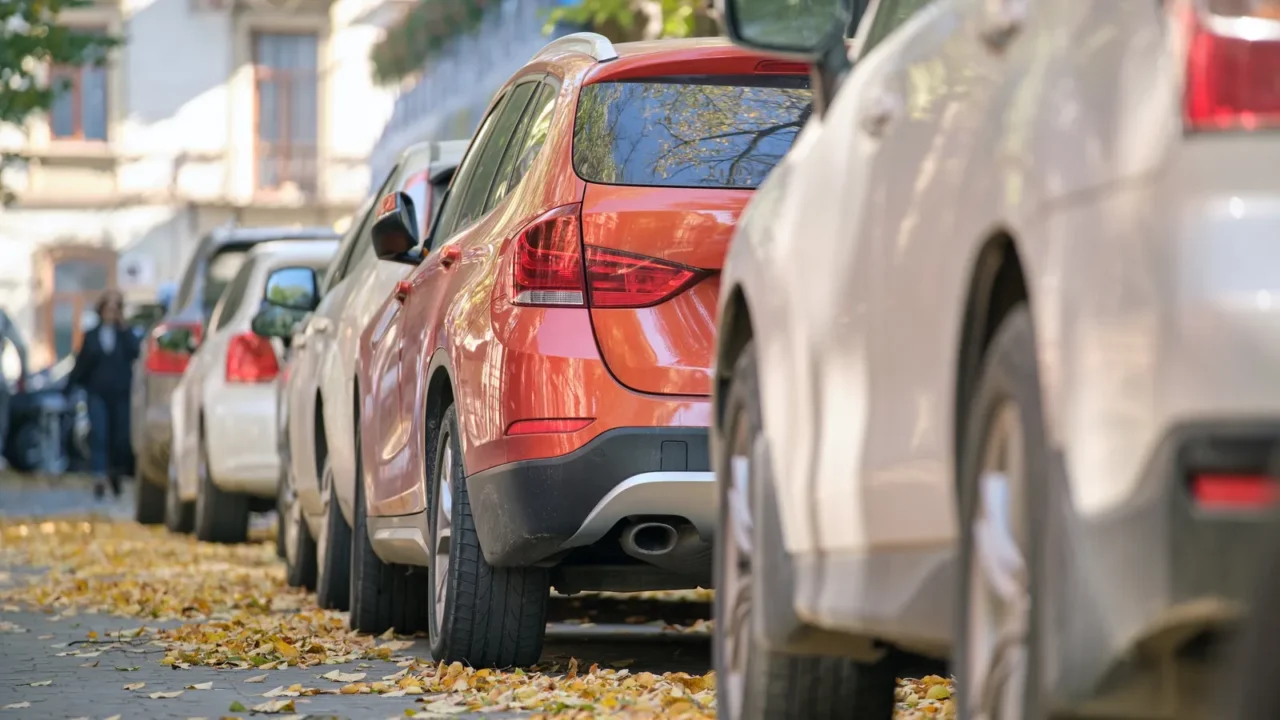




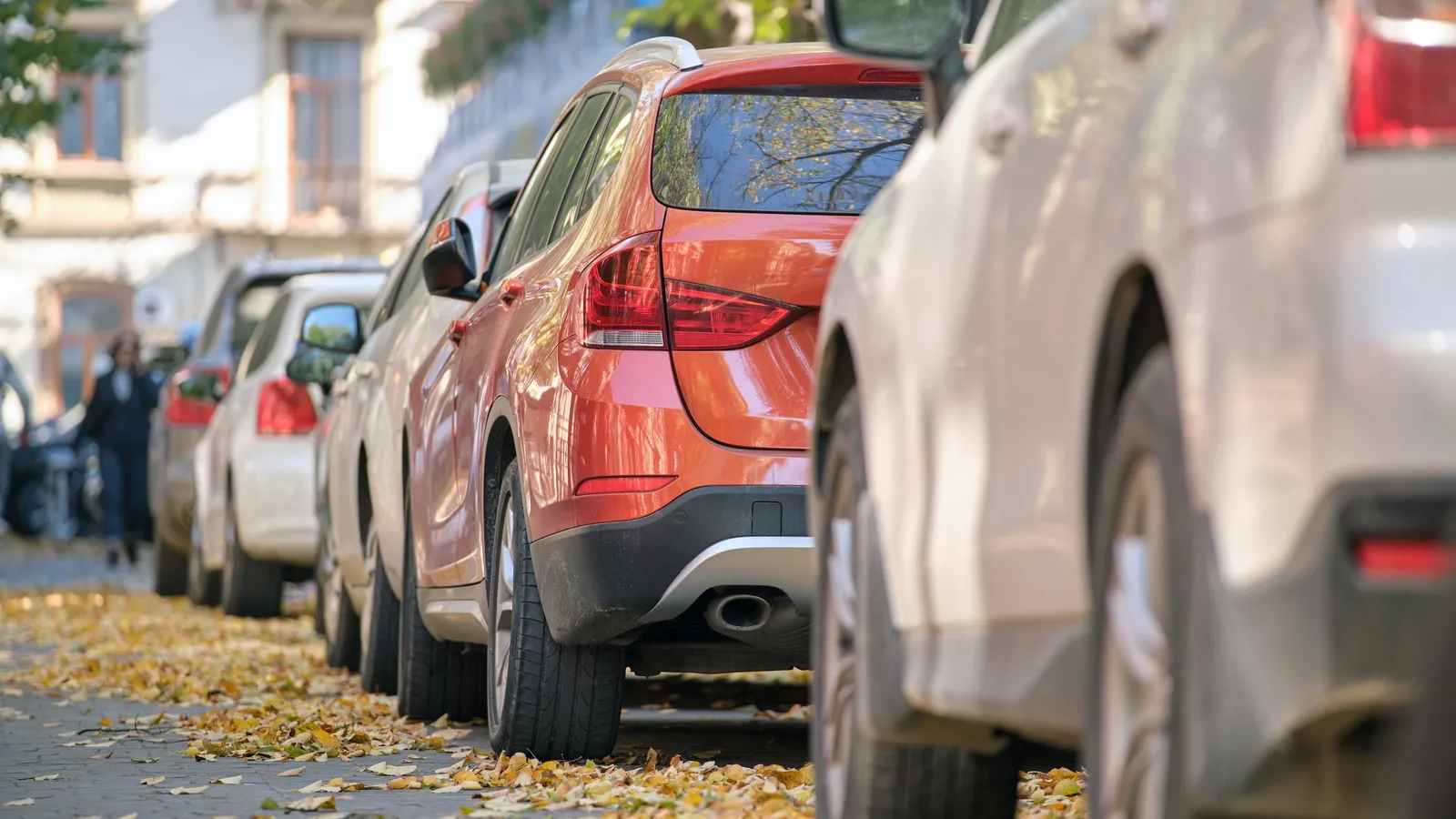
In the modern urban landscape, the humble parking spot has become one of the most contested pieces of real estate on the planet. While drivers often view parking as a mundane necessity, urban planners and mobility experts increasingly recognize it as the central nervous system of city congestion, environmental sustainability, and economic vitality. A new report from analytics firm Inrix, the Parking Scorecard, has cast a spotlight on the glaring disparities in parking availability, pricing, and management, suggesting that how a city handles its curb space is the single greatest predictor of its future efficiency.
Main Facts: The New Calculus of Urban Space
The Inrix report serves as a diagnostic tool for municipal leaders, providing a high-level audit of on-street and off-street parking metrics across major metropolitan areas. At its core, the study posits that parking is not merely a service provided by the city; it is a critical infrastructure component that dictates the flow of traffic, the health of downtown retail, and the viability of emerging technologies like autonomous ride-hailing services.
The data reveals a stark reality: in many major U.S. and Canadian cities, there is a profound disconnect between the price of on-street parking—often subsidized or historically underpriced—and off-street parking, which is subject to pure market forces. This price gap creates artificial demand, leading to the infamous "cruising" phenomenon, where drivers circle blocks for minutes on end in search of a cheaper space, significantly exacerbating urban congestion and carbon emissions.
Chronology of a Parking Paradigm Shift
To understand how we arrived at this critical juncture, one must look at the evolution of urban parking policy over the last century.
- 1950s–1980s: The Era of Minimums: For decades, urban planning was defined by "parking minimums"—legal requirements that forced developers to include a specific number of parking spots for every square foot of building space. This led to the proliferation of concrete jungles and sprawling lots that discouraged pedestrian traffic.
- 1990s–2010s: The Digital Transition: The introduction of smart meters and digital payment systems allowed cities to begin experimenting with dynamic pricing. Cities like San Francisco and Seattle led the charge in adjusting meter rates based on real-time demand.
- 2015–Present: The Autonomous and Delivery Disruption: The rise of app-based ride-hailing (Uber, Lyft) and the e-commerce delivery boom (Amazon, DoorDash) fundamentally altered curb usage. The "curb" was no longer just for parking; it became a loading zone, a pickup point, and a logistical hub.
- 2024: The Inrix Findings: The release of the current Parking Scorecard marks a new phase in this chronology, where cities are beginning to move toward benchmarking their performance against global peers to optimize curb management for a hybrid fleet of private vehicles, robotaxis, and delivery drones.
Supporting Data: The Price-Availability Gap
The Inrix report offers a granular look at the economic absurdity of current parking models. The disparity between on-street and off-street pricing is perhaps the most striking finding.
The Chicago Case Study
In Chicago, the data highlights a massive divergence. On-street parking averages roughly $6.24 per hour, while off-street parking—in private garages or lots—averages a staggering $22.93 per hour. This nearly fourfold difference encourages a "hunt" for street parking, which keeps vehicles in circulation longer than necessary.
The Market Demand Factor
The report notes that North America is unique in its high off-street parking costs, a direct reflection of the scarcity of land in high-density downtowns. In many European cities, aggressive curb management policies have long prioritized public transit and pedestrian movement over vehicle storage, leading to a more balanced, albeit expensive, parking ecosystem.
Robotaxi Simulation
A secondary, critical data point comes from a ScienceDirect study regarding autonomous vehicles (AVs). The research, which modeled 1,700 shared autonomous vehicles in San Francisco, found that robotaxis that keep moving to avoid parking fees or finding space can increase "vehicle miles traveled" (VMT) by up to 60%. This "zombie driving"—where an empty car circles the block to save on parking—poses a major threat to urban sustainability goals.
Official Responses and Expert Analysis
"The report’s high-level parking information allows cities to ask the right questions," says Ahmed Darrat, Chief Product Officer at Inrix. "It isn’t just about revenue generation; it is about benchmarking performance against peer cities. When a city can see exactly how its parking pricing influences traffic flow, it gains the leverage needed to implement smarter, data-driven policies."
Darrat emphasizes that the conversation around robotaxis is changing. While critics argue that robotaxis will clog streets, the data suggests that a parked robotaxi is actually more efficient than a private car. "A robotaxi that occupies a curb space for a short time between rides is a more productive use of that curb than a private vehicle that sits there for eight hours while its owner works," Darrat noted. This perspective shifts the focus from "parking as storage" to "parking as a dynamic transit node."
Implications for Future Cities
The implications of these findings are profound for city planners, real estate developers, and the public.
1. The Death of Parking Minimums
Cities are increasingly abandoning archaic zoning codes that mandate minimum parking requirements. By removing these mandates, cities can incentivize denser, more walkable development and reduce the reliance on cars, effectively reclaiming valuable downtown real estate for housing or public space.
2. Curb Management as a Service (CMaaS)
We are moving toward a future where the curb is managed in real-time. Just as parking apps allow users to see availability, cities are implementing "smart curbs" that can switch usage patterns throughout the day—functioning as a delivery loading zone in the morning, a ride-share pickup zone in the evening, and a standard parking zone overnight.
3. The Environmental Impact
The environmental cost of poor parking management is no longer an abstract concept. With the rise of robotaxis and the ongoing pressure of traffic congestion, cities that fail to price their curb space correctly will see an increase in VMT, leading to higher emissions. Integrating parking policy with climate action plans is now a mandatory step for municipal governments.
4. Economic Vitality
Retailers and downtown businesses have long feared that limited parking would drive customers to suburban malls. However, the data suggests the opposite: when parking is priced appropriately and turnover is high, it actually increases the number of customers a business can serve. Managing the curb is, in effect, an economic development strategy.
Conclusion: The Path Forward
The Inrix report is more than a list of cities with high or low parking costs; it is a call to action for modernizing the urban experience. As we integrate autonomous vehicles and grapple with the logistics of the e-commerce era, the space between the sidewalk and the street has become the most valuable real estate in the city.
For cities to remain competitive, they must stop treating parking as a static utility and start treating it as a dynamic resource. By aligning prices with demand, embracing the shift toward shared autonomous fleets, and prioritizing the movement of people over the storage of metal, cities can alleviate the congestion that threatens to stifle their growth. The future of the city, quite literally, is parked at the curb. It is time for urban leaders to take the wheel.
