




BOSTON — The era of lean, hyper-efficient global logistics is effectively over for the medical technology sector. As geopolitical friction, trade volatility, and the voracious appetite of the artificial intelligence (AI) sector reshape the global marketplace, leaders from the world’s most critical healthcare manufacturing firms are fundamentally rewriting their operational playbooks.
Speaking at AdvaMed’s The MedTech Conference in Boston, a panel of industry executives painted a sobering picture: the post-pandemic supply chain landscape is not a temporary hurdle, but a permanent, high-stakes environment. For companies producing life-saving equipment—from automated external defibrillators (AEDs) to home dialysis systems—the new objective is no longer the lowest possible inventory cost, but the absolute, unwavering continuity of patient care.
The New Reality: Main Facts and Drivers of Disruption
The modern MedTech supply chain is caught in a perfect storm. Having weathered the initial shock of COVID-19-related semiconductor shortages, the industry is now bracing for a renewed chip crisis projected for 2026. The primary culprit? A massive global infrastructure buildout for generative AI.
As data centers and consumer electronics giants scramble for high-end semiconductors, medical device manufacturers are finding themselves at the back of the queue. Because MedTech often requires specialized, high-reliability chips—and often in lower volumes than massive tech firms—they are increasingly vulnerable to being "crowded out" of the marketplace.
Jon Rennert, Chairman of Zoll Medical, did not mince words when addressing the conference. "There’s been more supply chain disruption to the medtech industry in the last five years than at any point that I’ve seen in my career," he noted.
The core issue is that the "Just-in-Time" (JIT) model, which once defined corporate efficiency, has been rendered obsolete by systemic instability. "Just-in-time inventory was never really a big deal in healthcare," Rennert argued. "I would say to the degree that it ever was, it’s dead now."
A Chronology of the MedTech Crisis
To understand the current shift, one must look at the timeline of events that forced this strategic pivot:
- 2020–2021 (The Pandemic Shock): Global lockdowns caused a systemic breakdown in logistics, highlighting the danger of single-source reliance on international markets, particularly for electronic components and active pharmaceutical ingredients (APIs).
- 2022–2024 (The Geopolitical & Trade Shift): Increased tariff volatility and regional conflicts began impacting the movement of raw materials, forcing companies to reconsider their geographic manufacturing footprint.
- 2025 (The Structural Reorganization): Major industry players began executing large-scale spin-offs to improve agility. Notable examples include the birth of Solventum (from 3M) and Vantive (from Baxter), both aimed at creating more focused, resilient organizations.
- 2026 and Beyond (The AI-Driven Semiconductor Crunch): Analysts and industry leaders project a new, sustained shortage of semiconductor components driven by the rapid expansion of AI hardware, forcing MedTech firms to compete directly with Big Tech for essential silicon.
Strategic Responses: Rethinking the Supply Chain
Faced with these challenges, MedTech companies are implementing aggressive, multi-faceted strategies to maintain, and in some cases build, redundancy.
1. Direct Engagement with Component Manufacturers
Historically, many MedTech companies operated at arm’s length from silicon chip manufacturers, relying on contract manufacturers to handle the electronics supply chain. This is changing. Zoll Medical is now actively courting direct relationships with chip suppliers, not because they are large-volume buyers, but to articulate the human cost of supply shortages.
"I don’t think that the big players have visibility on how important our products are, how impactful they are to patients if they’re not available," Rennert said. By emphasizing that their demand, while small compared to an AI data center, represents a life-saving clinical necessity, they hope to secure dedicated, priority allocations.
2. The "Buy Where You Make, Make Where You Sell" Philosophy
Heather Knight, Chief Commercial Officer at Solventum, advocates for a decentralized model. By localizing the supply chain—buying materials in the same region where the product is manufactured, and manufacturing in the region where the product is sold—companies can insulate themselves from global shipping volatility and port congestion.
3. Integrating Accountability and "Skin in the Game"
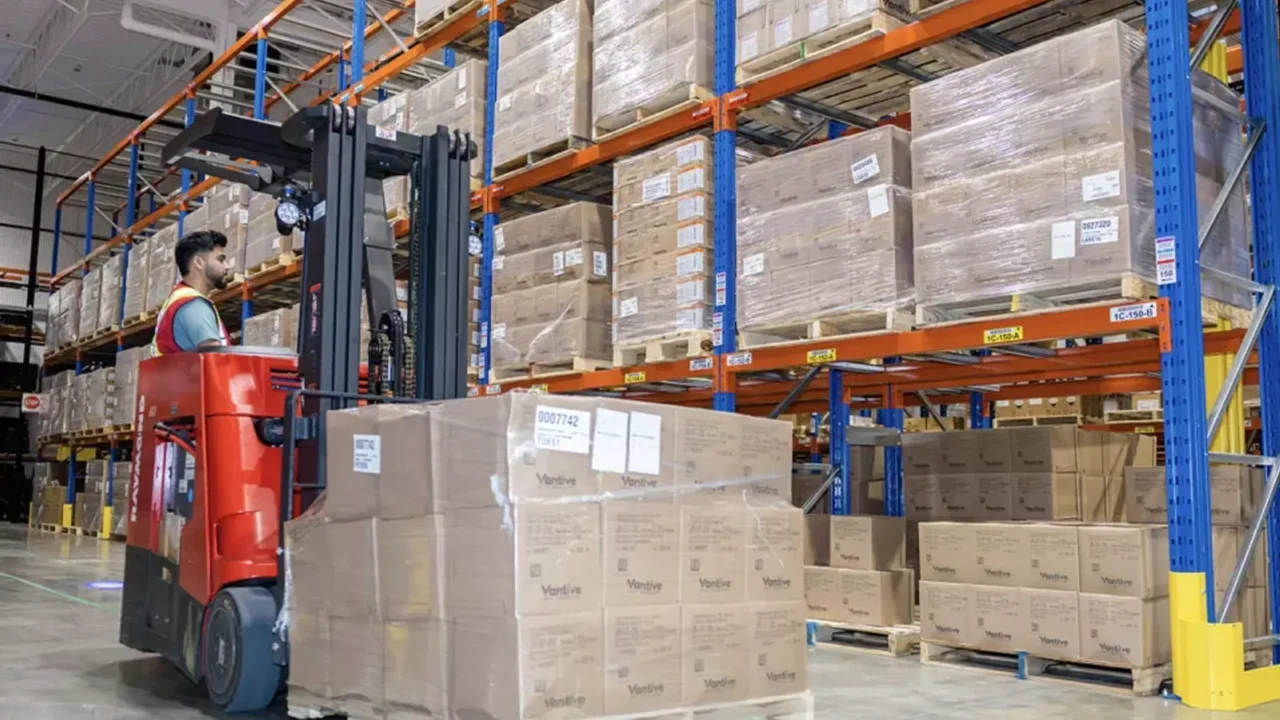
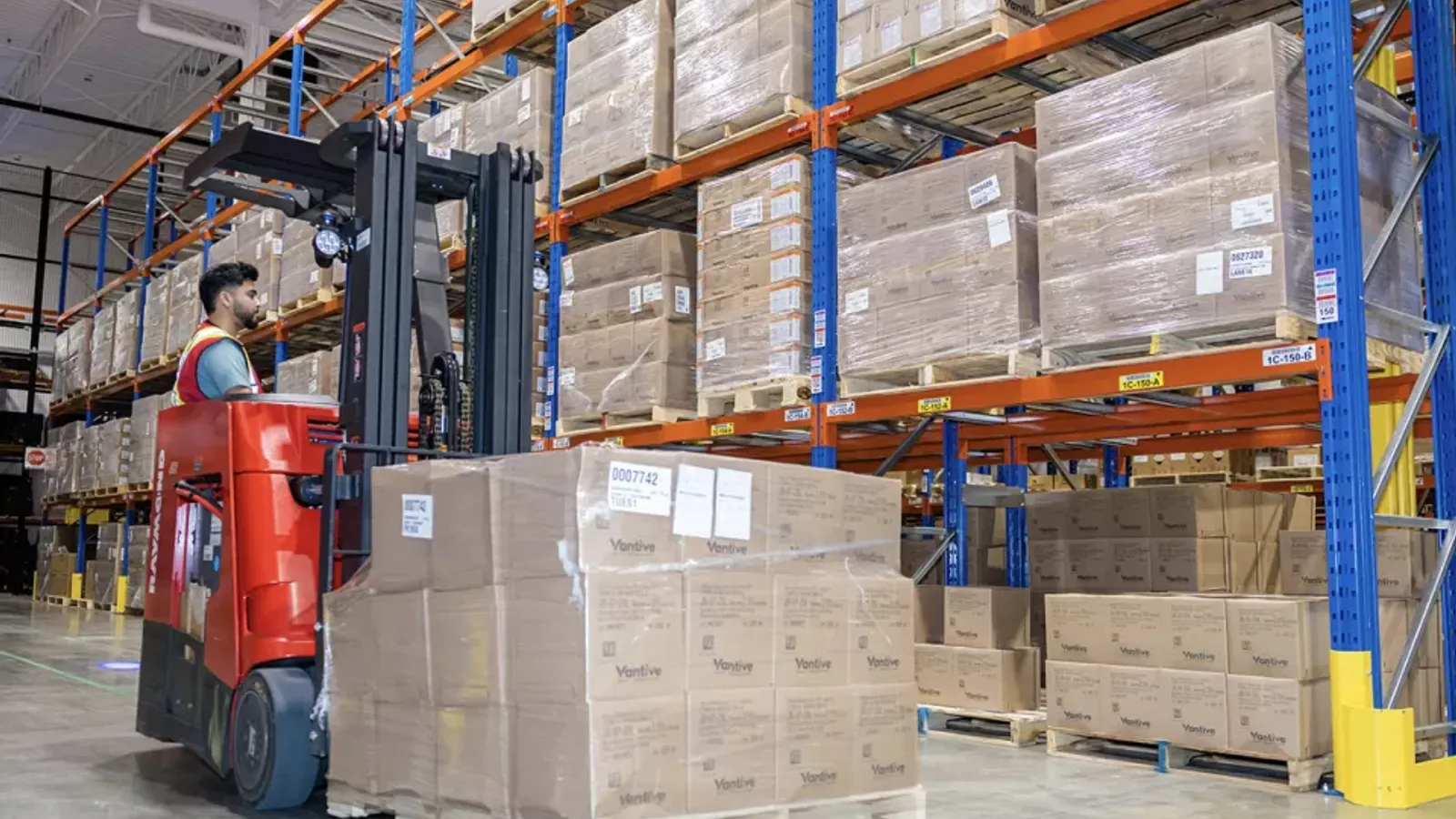
Vantive CEO Christopher Toth has championed a regionalized management structure. By empowering regional leaders with direct responsibility for their local inventory and supply chain P&L, the company ensures that decisions regarding inventory buffers are treated as critical business strategy rather than mere back-office logistics.
"Now they have skin in the game," Toth explained. "It’s a calculated decision where they have shared responsibility."
Supporting Data: The Cost of Resilience
While these strategies offer security, they come at a significant financial cost. Maintaining higher inventory levels—often referred to as "Just-in-Case" inventory—ties up capital that would otherwise be used for R&D or expansion.
However, the cost of not investing is far higher. For a company like Vantive, which manages complex home-dialysis equipment, a failure in the supply chain could mean a patient is left without the life-sustaining treatment required to filter toxins from their blood.
- SKU Complexity: Solventum manages over 30,000 SKUs. Executives acknowledge that building full redundancy for 30,000 items is financially impossible. The solution, according to Knight, is a "resiliency hierarchy": prioritizing life-critical products first, and then building the supply chain redundancy backward from those core pillars.
- Regulatory Hurdles: A key part of the new strategy involves proactive "cross-registration." By registering products with regulators in multiple geographies simultaneously, companies can shift production from one facility to another during a localized crisis without facing a regulatory blackout.
Implications: The Moral Obligation
The most striking takeaway from the conference was the shift in corporate rhetoric. For these executives, the supply chain is no longer just a balance sheet item—it is a moral imperative.
"From a company perspective, our philosophy is we need to do our jobs as if each patient is our mother, father, brother, sister, child," Vantive’s Toth remarked.
Competitive Advantage vs. Cost Center
Perhaps the most forward-thinking perspective offered was Toth’s assertion that a robust supply chain is not a cost center, but a competitive moat. In an industry where reliability is the primary value proposition, the companies that can prove they have the infrastructure to withstand a global crisis will be the ones that earn the trust of hospitals and patients alike.
As the industry moves toward 2026, the mandate is clear: the era of optimization for profit alone is dead. The new era is defined by optimization for survival. By building in redundancy, localizing production, and treating component suppliers as clinical partners, MedTech firms are moving to ensure that, regardless of global geopolitical trends or the next technological gold rush, the patient remains the ultimate priority.
The industry is working two to three times harder today than it was five years ago, but as Zoll’s Rennert noted, the stakes—measured in human lives—demand nothing less.
