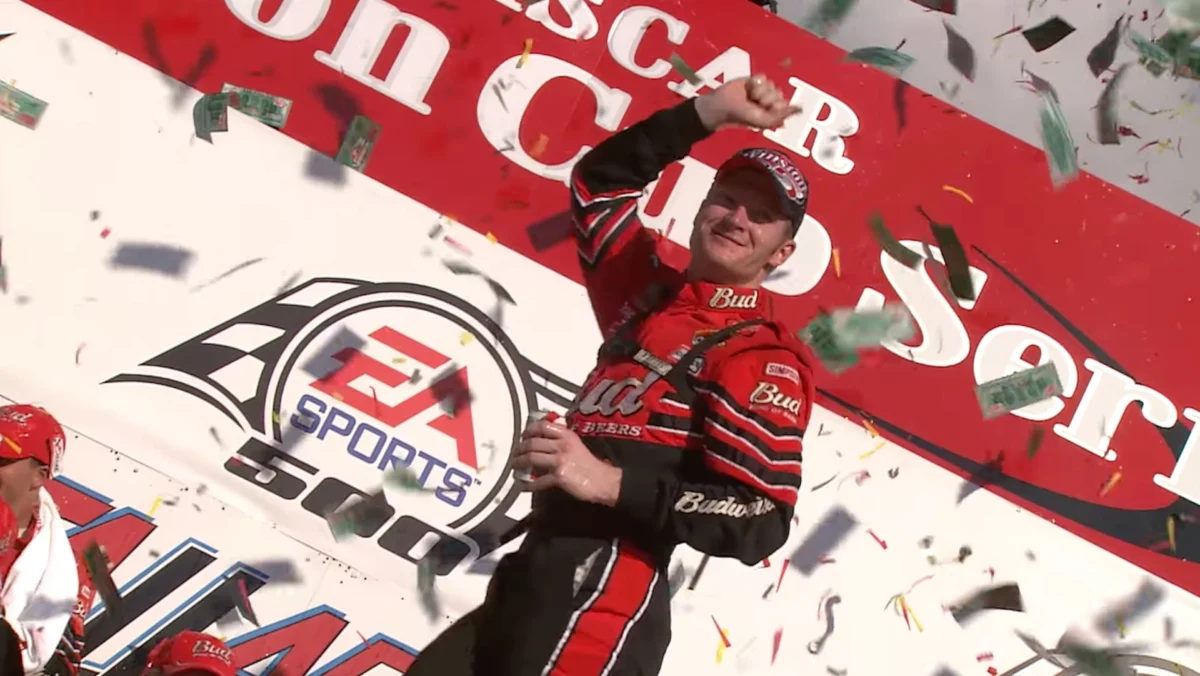





For long-time followers of American motorsports, the term "classic" often evokes memories of a bygone era—a time when Richard Petty reigned supreme and the machines on the track bore a tangible, unmistakable resemblance to the cars sitting in fans’ driveways. Yet, time in NASCAR moves with the inevitable, high-velocity force of a multi-car pileup at Talladega. As we cross the 25-year milestone since the 2001 Cup Series season, the sport finds itself looking back at a period that is aging with surprising grace, captured now in a fidelity that the television audiences of the early millennium could only dream of.
The NASCAR Classics YouTube channel, a repository for the series’ 78-year history, has recently shifted its strategy. Moving beyond standard broadcast archives, the channel has begun releasing "Sights & Sounds" features. These presentations strip away the color commentary, the promotional graphics, and the narrator’s voice, leaving behind raw, widescreen, high-definition footage captured by trackside cameras. The result is a visceral, intimate experience that feels less like a sports broadcast and more like a cinematic time capsule.
The EA Sports 500: A Snapshot in Time
The latest installment of this archival project highlights the 2001 EA Sports 500 at Talladega Superspeedway. To understand the gravity of this footage, one must contextualize the 2001 season—a year that remains perhaps the most transformative, tragic, and emotionally charged season in the history of the sport.
The year began with the shattering loss of Dale Earnhardt Sr. during the final lap of the Daytona 500. As the legendary "Intimidator" crashed into the turn-four wall, his son, Dale Earnhardt Jr., and his DEI teammate Michael Waltrip were busy securing a historic 1-2 finish. The subsequent months saw a sport in mourning, attempting to reconcile the loss of its greatest icon while navigating an unprecedented level of public attention.
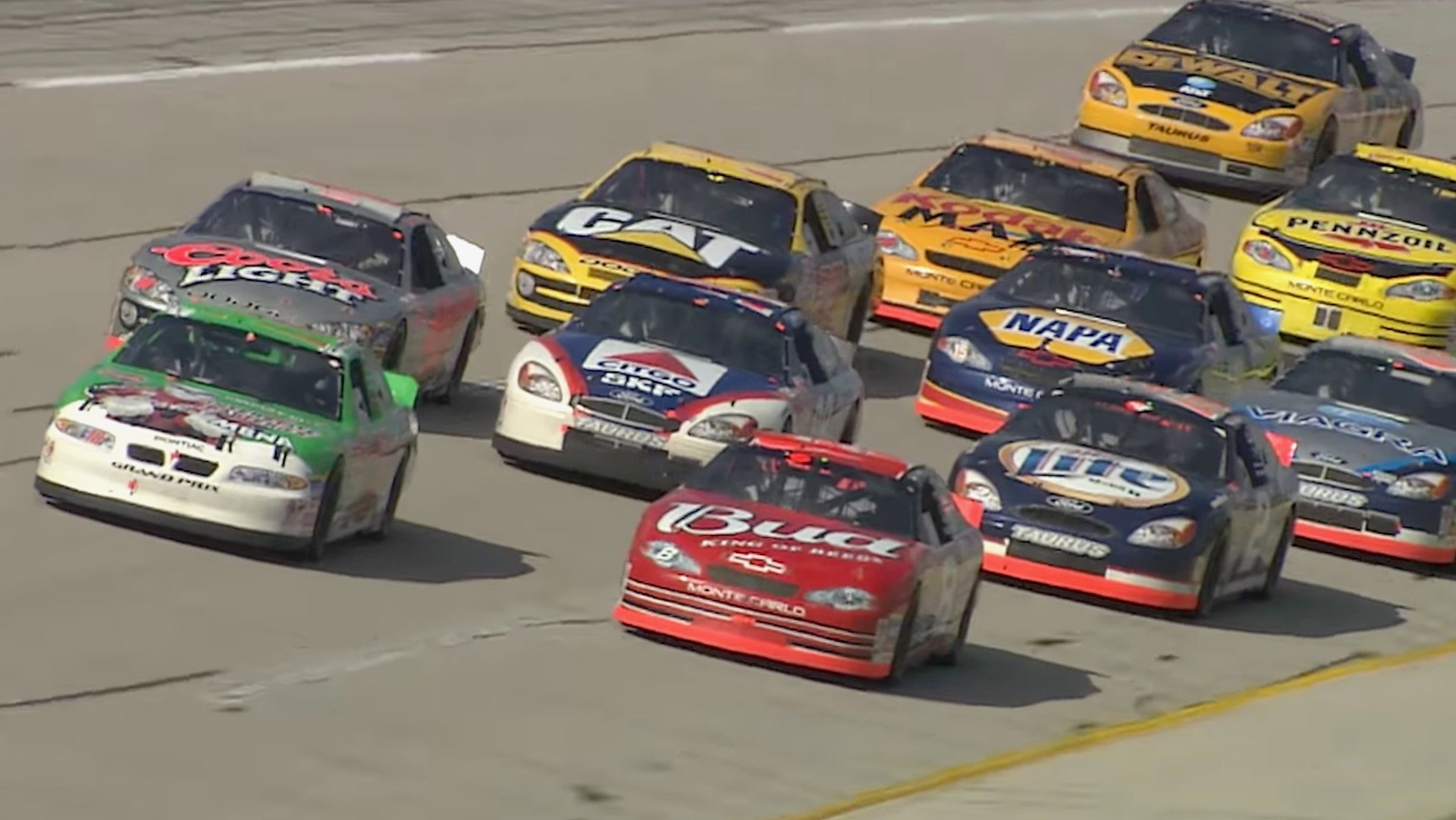
The footage from the EA Sports 500 serves as a reminder of the raw, unfiltered atmosphere of the track. Without the distraction of television production, viewers can focus on the technical evolution of the cars, the visceral roar of the naturally aspirated V8 engines, and the sheer density of the competition that defined the early 2000s.
Chronology of a High-Stakes Season
The 2001 season was not merely defined by the tragedy at Daytona; it was a year of profound resilience and shifting power dynamics.
- February 2001: The sport is stunned by the death of Dale Earnhardt Sr. The vacuum left by his departure forces the organization to grapple with new safety protocols and a changing guard.
- July 2001: Dale Earnhardt Jr. secures an emotional victory at the Pepsi 400 in Daytona, a moment widely considered the sport’s cathartic release following his father’s death.
- September 2001: Following the terrorist attacks on September 11, the Cup Series returned to action at Dover. The race served as a national rallying point, with the sport playing a vital role in the American psyche during a time of crisis.
- October 2001: The EA Sports 500 at Talladega showcases the intense pack-racing style that made the track a fan favorite. It highlights the dominance of the younger Earnhardt and the seasoned veteran prowess of drivers like Jeff Gordon.
- November 2001: Jeff Gordon secures his fourth Cup Series championship, cementing his legacy and proving the mettle of a generation of drivers who had successfully balanced aggressive marketing with elite track performance.
The Technical and Cultural Landscape
The cars of 2001 occupied a unique space in automotive history. They were the final bridge between the mechanical simplicity of the late 20th century and the highly engineered, aerodynamic-focused machines that would follow in the mid-2000s. The "Sights & Sounds" footage reveals the distinct "squat" and aggressive stance of the Ford Tauruses and Chevrolet Monte Carlos of the era.
The Marketing Machine
NASCAR in 2001 was at a commercial zenith. The liveries were bold, the sponsors were omnipresent, and the industry had mastered the art of the "lifestyle" brand. It was a time when the sport moved from a regional Southern obsession to a national cultural phenomenon. The inclusion of sponsors like Viagra—emblazoned on Mark Martin’s Ford—highlighted a willingness to embrace mainstream, albeit sometimes controversial, corporate partnerships that fueled massive budgets and technological development.
The Human Element
The 2001 field was a unique blend of "old school" toughness and "new school" marketing. You had the grizzled veterans like Mark Martin, who at 42, was still arguably one of the most competitive drivers on the circuit, lining up against the rising stars of the next decade. Tony Stewart, in his third season, was already establishing himself as the sport’s most polarizing and talented figure. The competition was fierce, and the parity was arguably higher than it had been in years.
Official Perspectives and the Legacy of the Archive
While the NASCAR Classics project is primarily a digital heritage initiative, its implications for the sport are significant. By providing this footage without commentary, NASCAR is allowing the history to speak for itself.
Industry analysts often point to this era as the peak of the sport’s popularity. In the early 2000s, NASCAR successfully tapped into a formula that balanced the "bootlegger" roots of the sport with the polished professionalism required for modern network television. This era defined the standard for what a race weekend should look like: packed grandstands, high-stakes rivalries, and an unmistakable sense of spectacle.
From an engineering standpoint, the archival footage allows modern observers to study the racing lines and the lack of electronic driver aids that characterize today’s vehicles. The cars were physically demanding, difficult to handle, and prone to the kind of mechanical failures that kept the championship race unpredictable until the final weeks of the season.
Implications for Modern Motorsports
Why does this footage matter today? As NASCAR continues to iterate its "Next Gen" car and explore hybrid technologies, the 2001 footage acts as a grounding force. It reminds stakeholders—from the sanctioning body to the fans—of what once made the sport "irresistibly loud" and visually iconic.
The transition to widescreen, high-definition restorations of these races does more than satisfy nostalgia; it preserves the technical data of how the cars behaved under race conditions. For students of racing physics and history alike, these clips are invaluable. They demonstrate a style of racing that favored close-quarters combat and car control over the reliance on downforce that has become a point of contention in modern racing discussions.
Conclusion: A Palate Cleanser for the Modern Fan
In an era of digital saturation and constant analysis, the raw, unfiltered nature of the NASCAR Classics "Sights & Sounds" series offers a much-needed reprieve. It invites the viewer to simply listen to the whine of the transmission, the thunder of the V8 engines, and the roar of the crowd, stripped of the manufactured drama that sometimes permeates modern sports media.
For those who lived through the 2001 season, it is a haunting, beautiful reminder of a time when the world—and the sport—was changing at breakneck speed. For those who are too young to remember, it is a masterclass in the golden age of American stock car racing. Whether you are an enthusiast of the mechanical engineering or simply someone looking for an existential palate cleanser, these high-definition windows into the past are a testament to the enduring power of the sport. The 2001 season remains a high-water mark, and thanks to modern technology, it looks and sounds better than it ever did when it was first broadcast.
