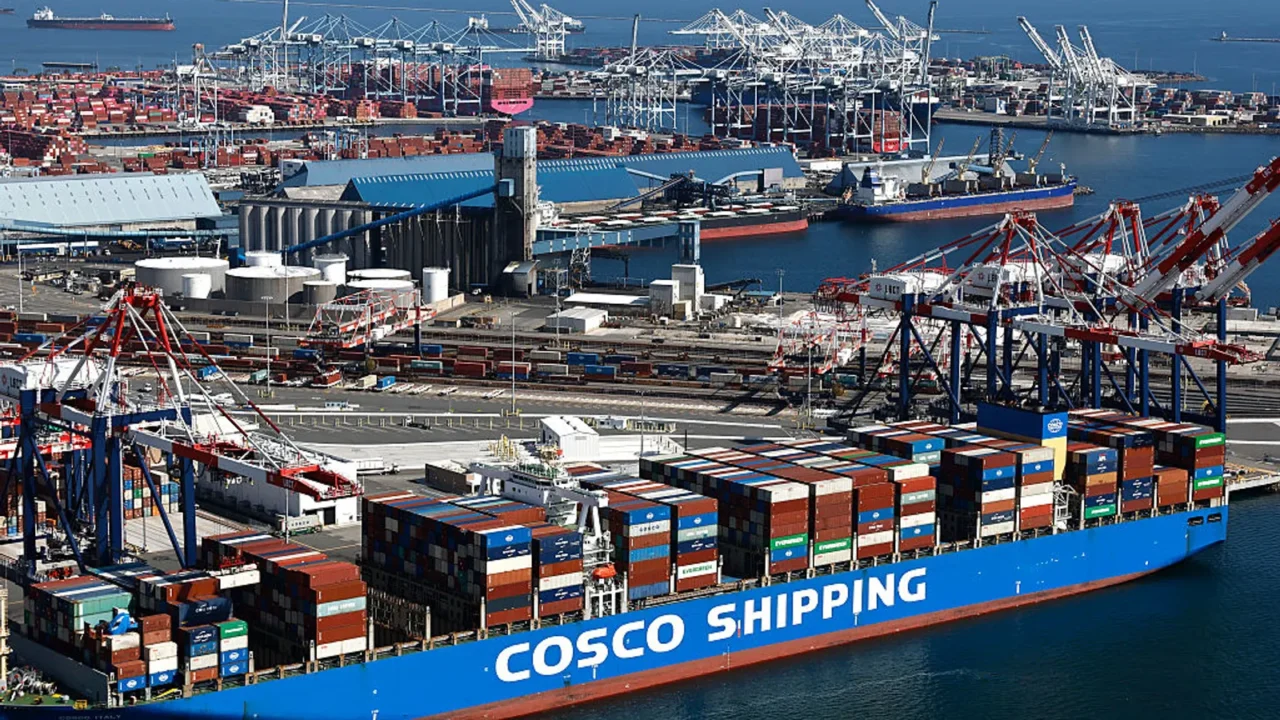





In a development that offers a temporary reprieve for the global logistics sector, the Office of the United States Trade Representative (USTR) has officially proposed a significant extension of the suspension on Section 301 tariffs targeting China-linked vessels. According to a Federal Register filing published on October 23, 2026, the USTR is seeking to push the current suspension deadline—originally set for November 9, 2026—to January 9, 2027.
The extension is framed by the USTR as a necessary diplomatic window, intended to "allow for further negotiation with China regarding the acts, policies, and practices at issue in this investigation." As the global supply chain continues to navigate a landscape defined by geopolitical friction and inflationary pressures, this proposed delay serves as a critical pressure release valve for U.S. importers and shipping lines.
The Core Facts: A Regulatory Balancing Act
The proposed extension is the latest chapter in a complex trade saga that began with the intent to revitalize the American shipbuilding industry. At the heart of the matter are Section 301 fees, which were originally conceived as a punitive measure against China’s dominant role in global logistics, maritime operations, and shipbuilding.
The fee structure, unveiled last year, proposed levies ranging from $18 per ton to $120 per container for vessels with specific links to Chinese shipbuilding or maritime infrastructure. However, the USTR simultaneously introduced a "carrot" to accompany the "stick": an exemption of up to three years for any vessel owner who commits to ordering a new ship from a U.S.-based shipyard.
Despite the administration’s stated goal of bolstering domestic maritime dominance, the implementation of these fees has been met with persistent pushback from the private sector. By seeking to delay the implementation for an additional two months—moving the date from November 2026 to January 2027—the USTR is acknowledging that the current economic environment may not be conducive to the immediate imposition of these costs without significant collateral damage to the American consumer and the broader supply chain.
A Chronology of the Section 301 Maritime Dispute
The timeline of this policy illustrates the difficulty of decoupling U.S. maritime infrastructure from Chinese manufacturing:
- Mid-2025: The USTR introduces the framework for Section 301 fees, targeting the integration of Chinese-linked vessels into U.S. trade lanes.
- October 2025: Initial implementation is scheduled for October 14, but the USTR announces a strategic pause, pushing the start date to November 2025.
- Late 2025 – Early 2026: The suspension is extended further as industry groups warn of potential freight cost spikes and operational disruption.
- September 2026: A coalition of trade groups and shipper associations sends a formal letter to U.S. Trade Representative Jamieson Greer, petitioning for an indefinite or long-term extension of the pause.
- October 23, 2026: The USTR publishes a notice in the Federal Register requesting public comments on a further extension to January 9, 2027.
- October 30, 2026: Deadline for the public to submit comments on the proposed extension.
Supporting Data: The Economic Stakes
The hesitation to implement these fees is rooted in hard data. Current market conditions show that the ocean freight sector is already grappling with extreme volatility. As of late 2026, freight rates remain elevated due to a combination of geopolitical instability in key shipping lanes and shifting carrier capacities.
For U.S. companies, the logistics chain is arguably the most sensitive part of the import process. Analysis from industry stakeholders suggests that the proposed fees would not merely be a "cost of doing business," but a catalyst for systemic inflation. Because a substantial portion of the global fleet is either built in China or contains significant Chinese components, the fees would apply to a broad swath of the vessels currently servicing U.S. ports.
Industry analysts point out that if the fees were to go into effect, the immediate result would be a scramble by carriers to pass the costs onto the Beneficial Cargo Owners (BCOs). In an economy already sensitive to the price of consumer goods, the impact of these fees would likely be felt at the retail level within weeks of implementation.
Official Responses and Stakeholder Advocacy
The role of U.S. Trade Representative Jamieson Greer has been pivotal. Since taking office, Greer has been the recipient of intense lobbying from a diverse coalition of trade associations, including the National Retail Federation, the American Apparel & Footwear Association, and various regional shipping councils.
In their most recent communication to the USTR, these groups argued that the current economic climate is not the time to introduce additional trade barriers. "Imposing new or resumed fees on China-built or China-linked vessels would create immediate and far-reaching consequences for U.S. companies that rely on ocean transportation to move goods into and out of the United States," the letter stated.
The USTR’s decision to request comments on a further extension suggests that these arguments have found traction within the administration. By soliciting feedback, the USTR is creating a formal record that justifies the delay, effectively balancing the administration’s nationalist industrial policy goals against the pragmatic requirements of U.S. commerce.
Implications: The Long-Term Outlook for U.S. Maritime Policy
The proposed extension to January 2027 carries several profound implications for the future of American maritime policy.
1. The Dilemma of Domestic Shipbuilding
The USTR’s policy aims to force a transition to U.S.-built vessels. However, the capacity of domestic shipyards to meet the demand of the global shipping industry is a point of contention. Critics argue that until the U.S. can offer a competitive alternative in terms of price and volume, tariffs on Chinese-built vessels will only serve to punish U.S. importers rather than incentivize domestic manufacturing.
2. Negotiation vs. Escalation
The USTR’s language—highlighting "further negotiation"—suggests that the Biden-Harris administration (or its successor, depending on the evolving political landscape) is attempting to use the fees as a bargaining chip. By keeping the threat of tariffs on the table, the U.S. maintains leverage in broader trade talks with Beijing. However, the longer the suspension remains in effect, the more the industry begins to view the fees as a "paper tiger"—a policy that is frequently threatened but rarely implemented.
3. Supply Chain Resilience
The ongoing uncertainty regarding these fees has made long-term contract negotiations difficult for shippers. When carriers cannot predict whether they will face a $120-per-container surcharge in the coming quarter, they hedge their bets by inflating premiums for everyone. This creates a "fear premium" that adds to the cost of imported goods, regardless of whether the fees are actually collected.
4. The Path Forward
As the October 30 comment deadline approaches, the industry is bracing for what comes next. If the USTR follows through with the extension to January 2027, it will signal that the administration is prioritizing stability for the holiday shopping season and the beginning of the new year over the immediate application of protectionist measures.
However, the clock remains ticking. For U.S. companies, the period between now and January will be one of intense preparation. Whether the fees are ultimately dropped, delayed again, or enforced, the maritime sector is beginning to realize that the era of low-cost, low-regulation global shipping is coming to an end. The Section 301 dispute is not merely about a specific tariff; it is a manifestation of a fundamental shift in how the United States intends to manage its dependence on global maritime infrastructure.
In conclusion, the proposed extension is a testament to the fragile state of global supply chains. As stakeholders submit their final comments, the message remains clear: while the desire for maritime independence is a priority for Washington, the economic reality of the modern globalized market necessitates a cautious, measured approach that protects the fluidity of U.S. trade.
