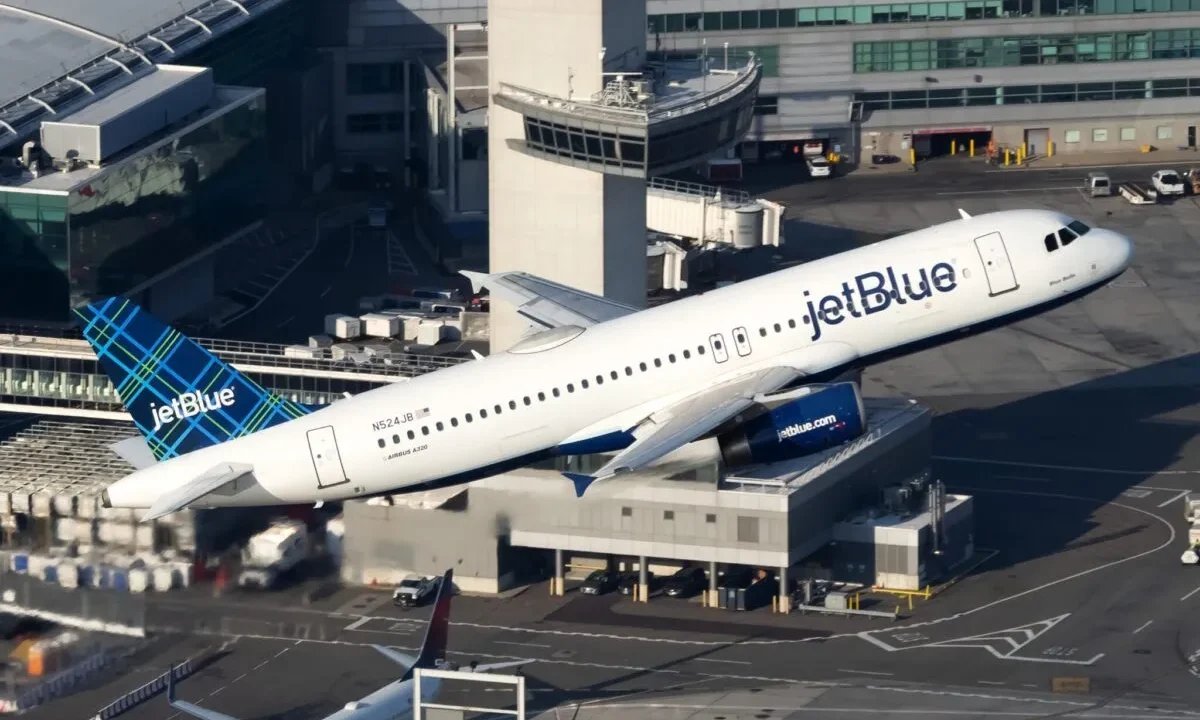





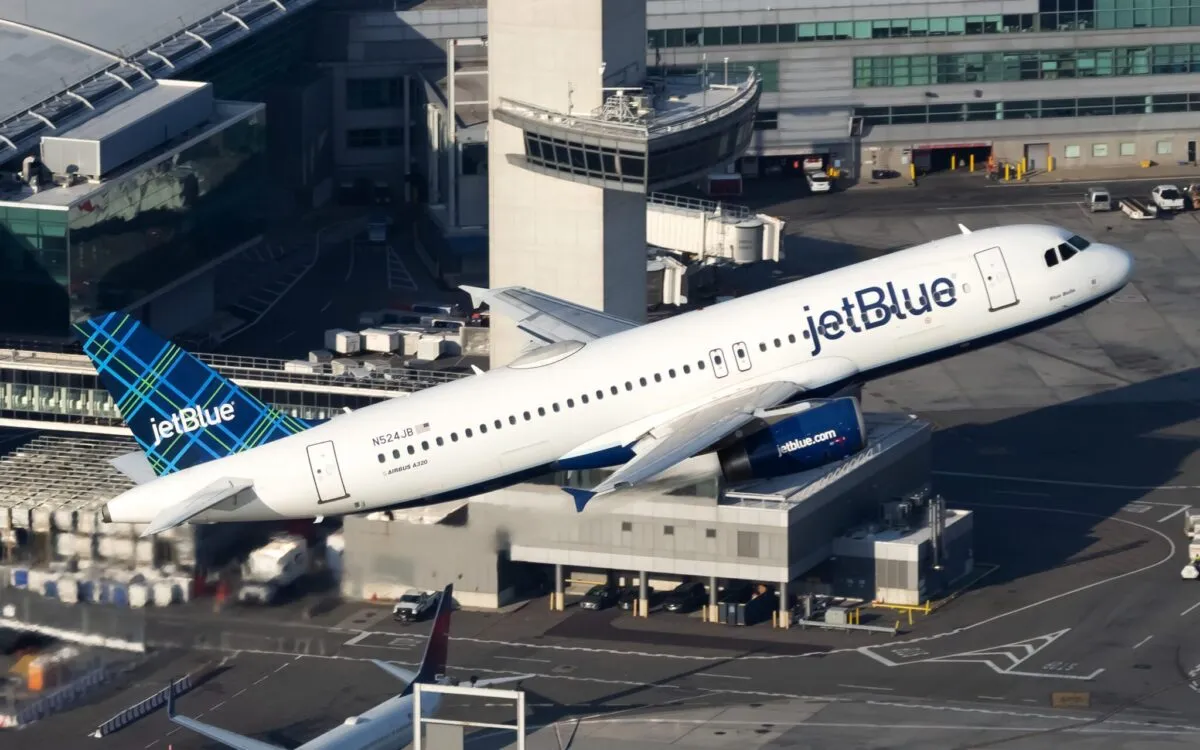
In a high-stakes effort to quell market panic and redefine its long-term financial trajectory, JetBlue Airways has moved to confront its fiscal challenges head-on. Following a week of intense speculation that pushed the carrier toward the brink of investor exodus, the airline issued its third-quarter financial results a day earlier than anticipated, aiming to puncture rumors of an impending Chapter 11 bankruptcy filing.
While the airline’s latest report confirms a wider-than-expected third-quarter loss and a downward revision of its 2026 outlook, the market reacted with surprising optimism. Shares of the New York-based carrier surged more than 10% in after-hours trading, offering a reprieve to investors who had seen the stock plummet by more than 20% in the preceding week.
The Core Financial Reality: Q3 Performance and Strategic Pivots
JetBlue’s latest disclosure paints a complex picture of an airline in transition. The wider loss reported for the third quarter highlights the persistent headwinds facing the domestic aviation sector, including fluctuating fuel costs, labor expenditure, and the lingering operational complexities post-pandemic.
However, the leadership team at JetBlue, led by CEO Joanna Geraghty, is betting heavily on its “JetForward” strategy—a comprehensive restructuring program designed to optimize the carrier’s network, improve operational reliability, and streamline costs. By releasing the earnings data early, the company signaled a desire for transparency, hoping to provide clarity to stakeholders spooked by the persistent bankruptcy rumors that had gained traction across financial forums and analyst notes throughout late October.
Key Financial Highlights:
- Third-Quarter Loss: The airline reported a loss exceeding previous analyst estimates, underscoring the pressure on margins.
- Market Volatility: Shares closed at $2.37 on Monday, a significant drop from recent highs, reflecting the intense bearish sentiment that characterized the week.
- Cost Management: Management emphasized a “meaningful step-down” in non-fuel unit costs starting in the fourth quarter, a critical metric for investors monitoring the airline’s ability to control its internal burn rate.
Chronology of a Crisis: From Speculation to Early Disclosure
The week leading up to the earnings call was one of the most tumultuous in JetBlue’s recent history. The airline’s stock had been in a freefall, fueled by a narrative that the carrier’s liquidity position was reaching a breaking point.
October 21–25: Market analysts began questioning the sustainability of JetBlue’s current cash position. The discourse centered on the airline’s high debt-to-equity ratio and the mounting costs associated with the integration—and subsequent collapse—of its proposed merger with Spirit Airlines.
October 26–27: The chatter intensified on social media and among retail investor communities regarding a potential Chapter 11 filing. While no credible reports suggested a bankruptcy filing was imminent, the sheer volume of speculative trading created a feedback loop that drove the share price down by over 20%.
October 28: Recognizing that the scheduled Tuesday morning earnings call might be too late to stem the bleeding, JetBlue’s leadership made the strategic decision to release its results after the market close on Monday. The move was a clear attempt to provide a factual anchor to the volatile market narrative.
Supporting Data: The Road to 2028
Despite the immediate fiscal pain, JetBlue remains steadfast in its long-term roadmap. The airline reiterated its guidance, projecting $1 in earnings per share (EPS) and positive free cash flow by 2028. This long-term target is the cornerstone of management’s argument that the company’s current struggles are transitory rather than existential.
Analyzing the "JetForward" Strategy
The "JetForward" initiative focuses on three distinct pillars:
- Network Optimization: Cutting unprofitable routes and focusing on high-demand, high-margin leisure and business corridors.
- Product Differentiation: Enhancing the "Mint" premium product, which remains one of JetBlue’s most competitive assets in a crowded domestic market.
- Efficiency Gains: Aggressive cost-cutting measures, particularly in maintenance and administrative overhead, which are expected to materialize in the final quarter of 2024 and throughout 2025.
While the 2026 outlook has been tempered—acknowledging that the recovery will take longer than initially forecasted—the firm stance on 2028 targets suggests that leadership believes the structural changes being implemented will eventually pay dividends.
Official Responses and Strategic Messaging
In the wake of the earnings release, JetBlue’s executive team has been vocal about the necessity of staying the course. The leadership recognizes that the current market environment is unforgiving, especially for carriers that have struggled to find their footing post-Spirit merger termination.
“Together with continued JetForward execution, this reinforces our confidence in achieving sustained operating profitability in 2027 and delivering at least $1 EPS and positive free cash flow by 2028,” the company stated in its investor communication.
For investors, the message is clear: JetBlue is not looking for a shortcut. The airline is attempting to de-risk its balance sheet while simultaneously modernizing its fleet and customer experience. The “meaningful step-down” in unit costs is not just a catchphrase; it is a vital benchmark that analysts will be scrutinizing in the coming quarters. If the airline fails to meet these cost-reduction targets, the credibility of the 2028 guidance will inevitably be called into question.
The Broader Implications: What This Means for the Airline Industry
JetBlue’s current predicament is emblematic of the challenges facing the "mid-tier" of the U.S. aviation market. Large legacy carriers like Delta and United have benefited from high-end demand, while ultra-low-cost carriers are fighting a war of attrition. JetBlue, which sits in a hybrid position, has found itself squeezed.
1. The Cost of Independence
After the failed merger with Spirit, JetBlue is now fully committed to a standalone future. This requires a significant capital investment in brand identity and operational infrastructure. The market’s reaction to the Q3 results suggests that while investors are willing to give the airline a chance, their patience is thin.
2. The Bankruptcy Narrative
The ease with which the "bankruptcy" narrative gained traction highlights the fragility of investor sentiment in the airline sector. For JetBlue, the primary task over the next 12 to 18 months will be to maintain enough liquidity to avoid even the appearance of financial distress, as perception can quickly become reality in the capital markets.
3. The Shift in Market Expectations
The fact that shares rose 10% on news of a wider loss and a cut to the 2026 outlook tells us everything we need to know about current expectations: the market had priced in a catastrophe. By simply confirming that they are still operating and have a clear path to profitability, JetBlue managed to exceed the "basement-level" expectations of the trading community.
Conclusion: A Delicate Balancing Act
JetBlue’s journey toward 2027 profitability will be defined by its ability to execute its restructuring plan with surgical precision. The airline is currently navigating a narrow corridor: it must slash costs without compromising the premium service that attracts its loyal customer base, and it must manage its debt while maintaining the operational capacity to compete.
The surge in after-hours trading provides a much-needed morale boost, but the work is only beginning. For the next several quarters, every metric—from load factors to non-fuel unit costs—will be analyzed with intense scrutiny. If JetBlue can deliver on its promise of a “meaningful step-down” in costs, the company may eventually put the bankruptcy rumors to rest. However, if the current macroeconomic environment continues to suppress demand or drive up costs, the airline will find its margin for error shrinking further.
As it stands, JetBlue has successfully bought itself time. The question remains whether that time will be used to build a robust, profitable airline or if the carrier will find itself forced into further, more painful concessions. For now, the focus shifts to the fourth quarter, where the first real proof of the “JetForward” strategy’s efficacy will be measured. Investors, analysts, and passengers alike will be watching closely to see if JetBlue can finally find the altitude it so desperately seeks.
