

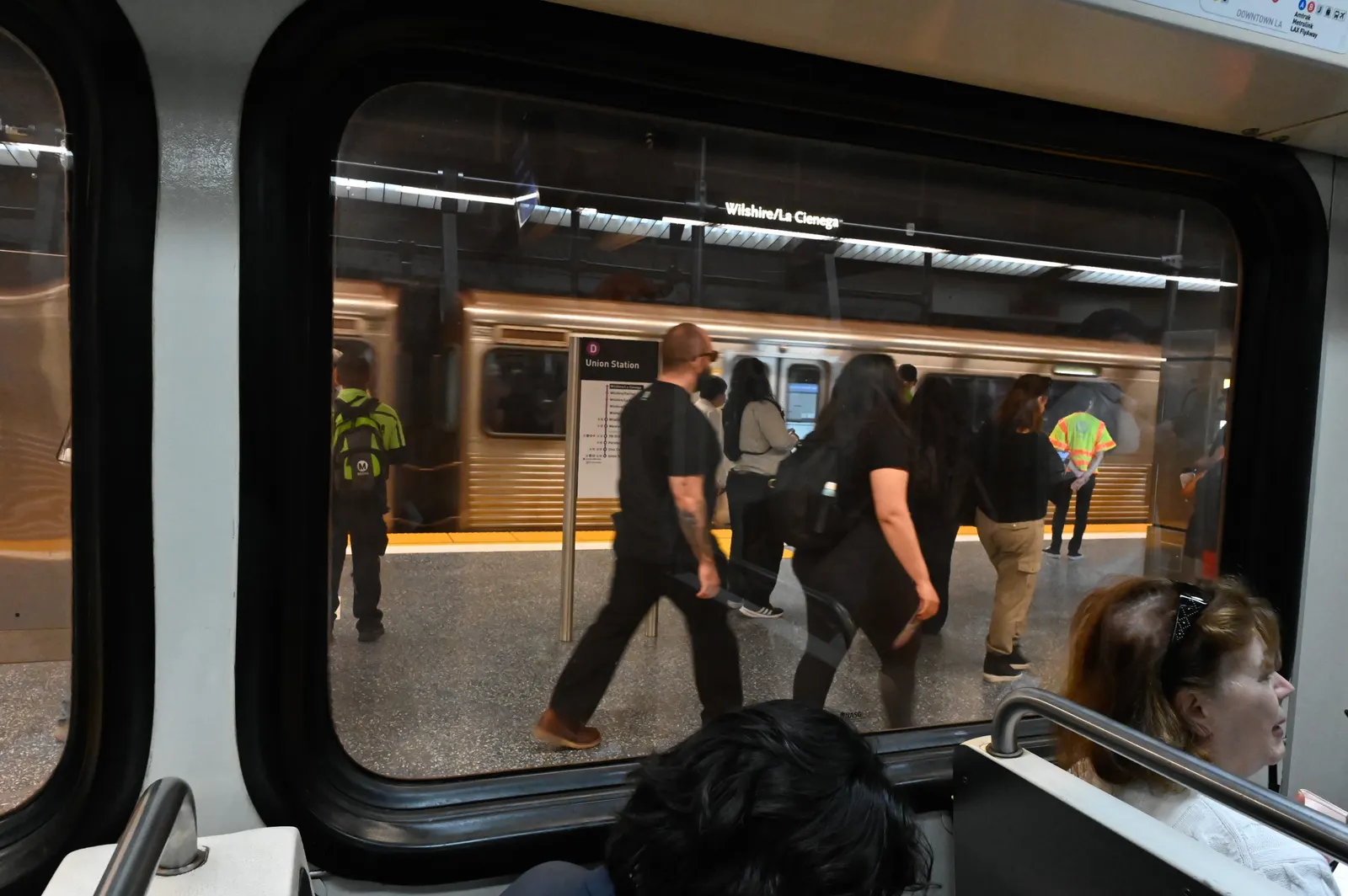
When the final whistle blew on this summer’s FIFA World Cup, the victory wasn’t just for the champions on the field; it was a resounding win for the backbone of American urban infrastructure. As millions of fans descended upon 11 U.S. host cities, the nation’s transit agencies faced a stress test of unprecedented scale. By nearly all metrics, the country’s public transportation networks did not merely survive the surge—they thrived, setting new ridership records and providing a blueprint for the future of urban mobility.
This massive logistical undertaking, fueled by over $100 million in Federal Transit Administration (FTA) grants, has ignited a nationwide conversation about how mega-events can serve as catalysts for long-term, sustainable infrastructure change.
The Logistics of Success: Managing the Influx
The challenge was never just about moving people from Point A to Point B. It was about regional connectivity in cities traditionally defined by car culture. Agencies had to synchronize bus fleets, light rail schedules, and subway extensions to move fans from international airports to hotels, fan zones, and stadiums, all while ensuring that local residents could still commute to work, access healthcare, and manage their daily lives.
“I was very proud of how we saw our transit systems operate across the country in response to the historic level crowds,” says Henrika Buchanan, transit and rail market sector leader for the infrastructure design firm HNTB. Buchanan, who began coordinating with clients three years before the first match, noted that the success lay in a shift toward holistic planning. “These were really regional connectivity events,” she added.
In cities like Atlanta, Los Angeles, and Seattle, the strategy went beyond simply increasing frequency. Agencies deployed “transit ambassadors”—staff trained to guide international visitors through the nuances of local transit apps, payment systems, and route maps. In Kansas City, Missouri, leaders implemented a centralized command center, creating a unified hub where representatives from police, emergency services, and transit authorities could monitor real-time data and make split-second decisions to mitigate bottlenecks.
Chronology of Infrastructure Readiness
The success of the World Cup was the culmination of years of capital improvements. These projects were not conceived in a vacuum; they were part of a long-term vision to modernize aging transit networks.
- 2024–2025: FTA grants are distributed, enabling host cities to prioritize stadium-adjacent infrastructure and security upgrades.
- March 28, 2026: Sound Transit in Seattle marks a major milestone with the opening of the final 7-mile segment of its light rail extension across Lake Washington, drastically reducing cross-city travel times.
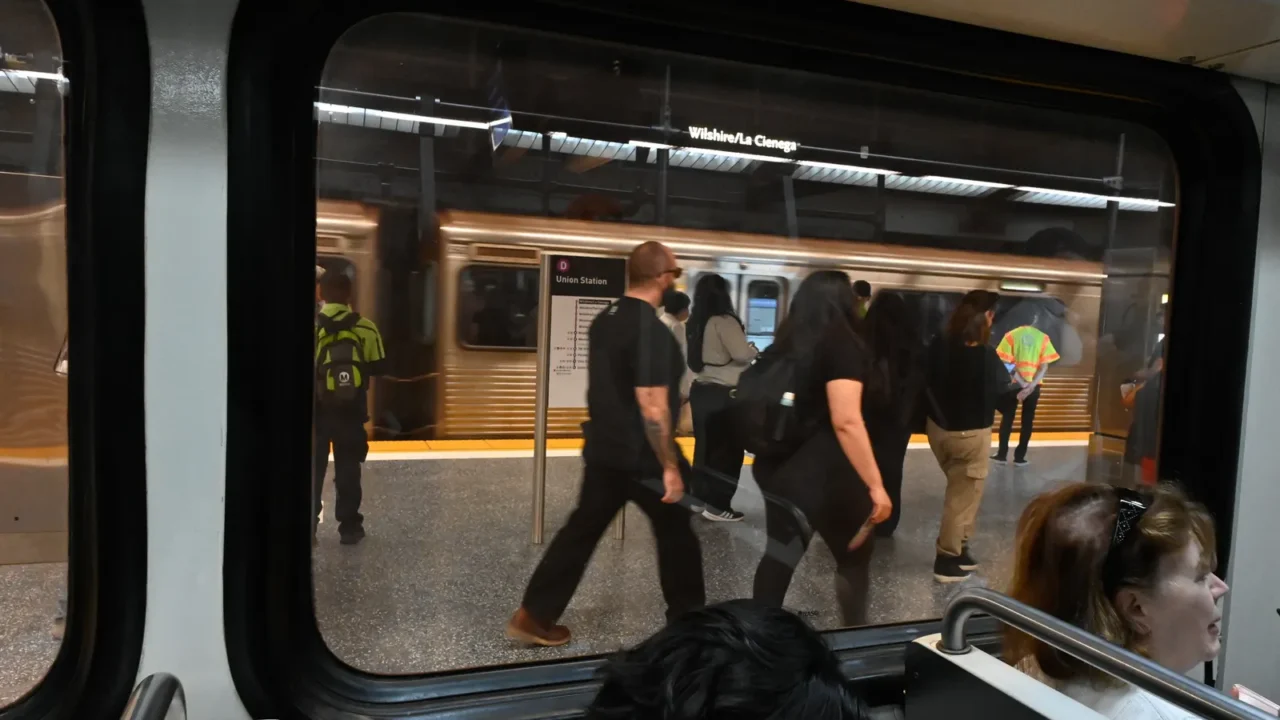
- May 8, 2026: Los Angeles Metro unveils the latest extension of its D Line subway, a critical artery for moving thousands of commuters and event-goers through the city’s densest corridors.
- Summer 2026: The World Cup kicks off. MARTA (Atlanta) deploys a surge-capacity fleet of 30 reserve buses, while SEPTA (Philadelphia) increases throughput on its Broad Street Line to accommodate peak match-day attendance.
- Post-Tournament: Data analysis begins, revealing record-breaking ridership and identifying specific bottlenecks for future remediation.
Supporting Data: By the Numbers
The scale of the transit effort was staggering. Across 11 cities, over 26 distinct public transit agencies had to align their operations. The $100 million FTA investment was primarily funneled into:
- Capacity Expansion: Increasing the frequency of rail headways during peak hours.
- Intermodal Integration: Improving the flow between airports and regional rail hubs.
- Digital Infrastructure: Upgrading real-time tracking systems to prevent overcrowding on platforms.
In Los Angeles, the data collected during the World Cup is already being integrated into the "Twenty-Eight by ’28" initiative—a massive suite of bus, rail, and bike projects. According to LA Metro, approximately 40% of these projects are already completed, providing a foundation that will support the expected 10 to 15 million spectators projected for the 2028 Olympic Games.
Official Responses and Strategic Foresight
The consensus among urban planners is that the World Cup was a trial run for an even more daunting challenge: the 2028 Summer Olympics. Mayor Karen Bass has been vocal about her goal of a “no-car” Olympics, a radical shift for a city that has spent decades building its identity around the freeway.
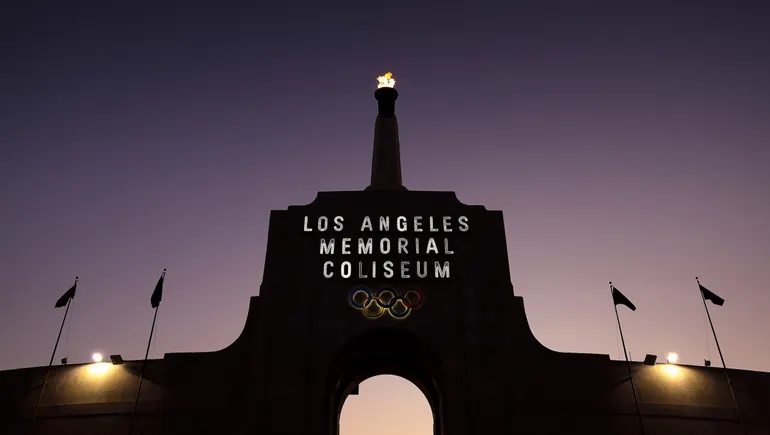
Kaitlin Coari, a senior consultant at Arup who previously worked with the New York-New Jersey World Cup Host Committee, emphasizes that the lessons learned from the World Cup are currently being pressure-tested for 2028. “Major events are a catalyst for creating long-term, sustainable change in cities,” Coari says.
Arup is currently working with the LA28 Host Committee on complex venue access modeling. This involves not only managing the sheer volume of people but also the geographic dispersion of the games. Unlike a single stadium event, the Olympics will scatter venues across Southern California, from the coast to the inland valleys. "You have to have a high level of awareness of the totality," Coari explains. "An issue in one part of the city can ripple across the entire county."
Beyond traffic, the human element remains a primary focus. With summer temperatures in the region consistently climbing 5 to 10 degrees above historical averages, climate resilience has become a top priority. Planners are now incorporating shade management and heat-mitigation infrastructure into the design of transit hubs and pedestrian walkways.
Implications: The Legacy of "Mega-Event" Urbanism
The "no-car" ambition of the 2028 Olympics represents more than a logistical challenge; it is a test of political will and public behavior. By utilizing the momentum generated by the World Cup, officials hope to normalize public transit usage to the point where, for a two-week period, the automobile becomes the secondary choice rather than the primary mode of transit.
However, this transition faces significant hurdles. The Paralympic Games, which follow the Olympics in August 2028, will require an entirely different operational architecture. As Coari points out, "The Paralympics require a different plan, different staffing, and, most importantly, a higher standard of accessibility at every touchpoint—from the airport terminal to the bus boarding ramp."
The ultimate implication of these investments is a potential permanent shift in urban mobility. If these cities can successfully demonstrate that residents can move freely during a massive influx of 5 million visitors, the argument for continued funding for public transit becomes much harder for skeptics to ignore.
"It’s a real opportunity to use the momentum over these next two years to change car-centric behavior," says Coari. As the nation prepares for the 2028 opening ceremonies on July 14, the focus remains on ensuring that these infrastructure projects are not merely "one-offs" for an event, but the skeleton of a more connected, efficient, and equitable city.
The success of the World Cup has proven that American cities are capable of large-scale coordination. Whether this success can be sustained beyond the cheers of the crowd remains the central question for urban planners as they pivot toward the next great test of the American transit system. By prioritizing accessibility, inter-agency communication, and climate-responsive design, U.S. cities are signaling that they are ready to step out of the shadow of the car and into a more fluid, transit-oriented future.
