


The landscape of American transportation is undergoing a seismic shift. For decades, the concept of "air taxis"—electric vertical takeoff and landing (eVTOL) aircraft—has been relegated to the pages of science fiction. However, with recent regulatory breakthroughs and a flurry of successful piloted demonstration flights, the transition from theory to terminal is accelerating. As the Federal Aviation Administration (FAA) begins to codify the infrastructure requirements for a new era of aviation, the industry is moving closer to commercial reality.
Main Facts: The Race to Commercialization
The quest for full FAA certification remains the "North Star" for companies operating in the advanced air mobility (AAM) sector. While manufacturers like Joby Aviation, Archer Aviation, and Beta Technologies have made significant strides in flight testing, the industry is currently in a transitional phase: moving from autonomous and remotely piloted testing to piloted demonstration flights.
A critical milestone was recently achieved as regulators and manufacturers aligned on the technical requirements for vertical flight. This collaboration is not merely about the aircraft themselves; it is about the ecosystem required to sustain them. From battery charging infrastructure to the integration of air traffic management systems, the logistics of urban air mobility (UAM) are being drafted in real-time.
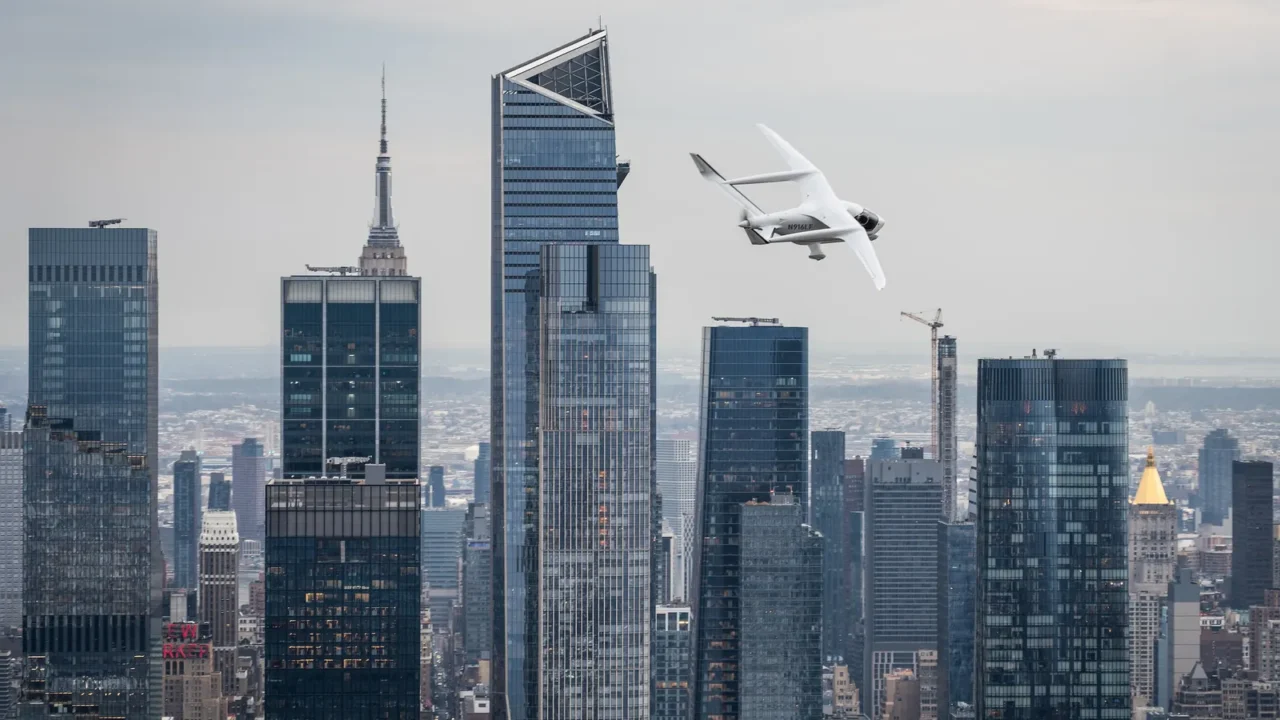
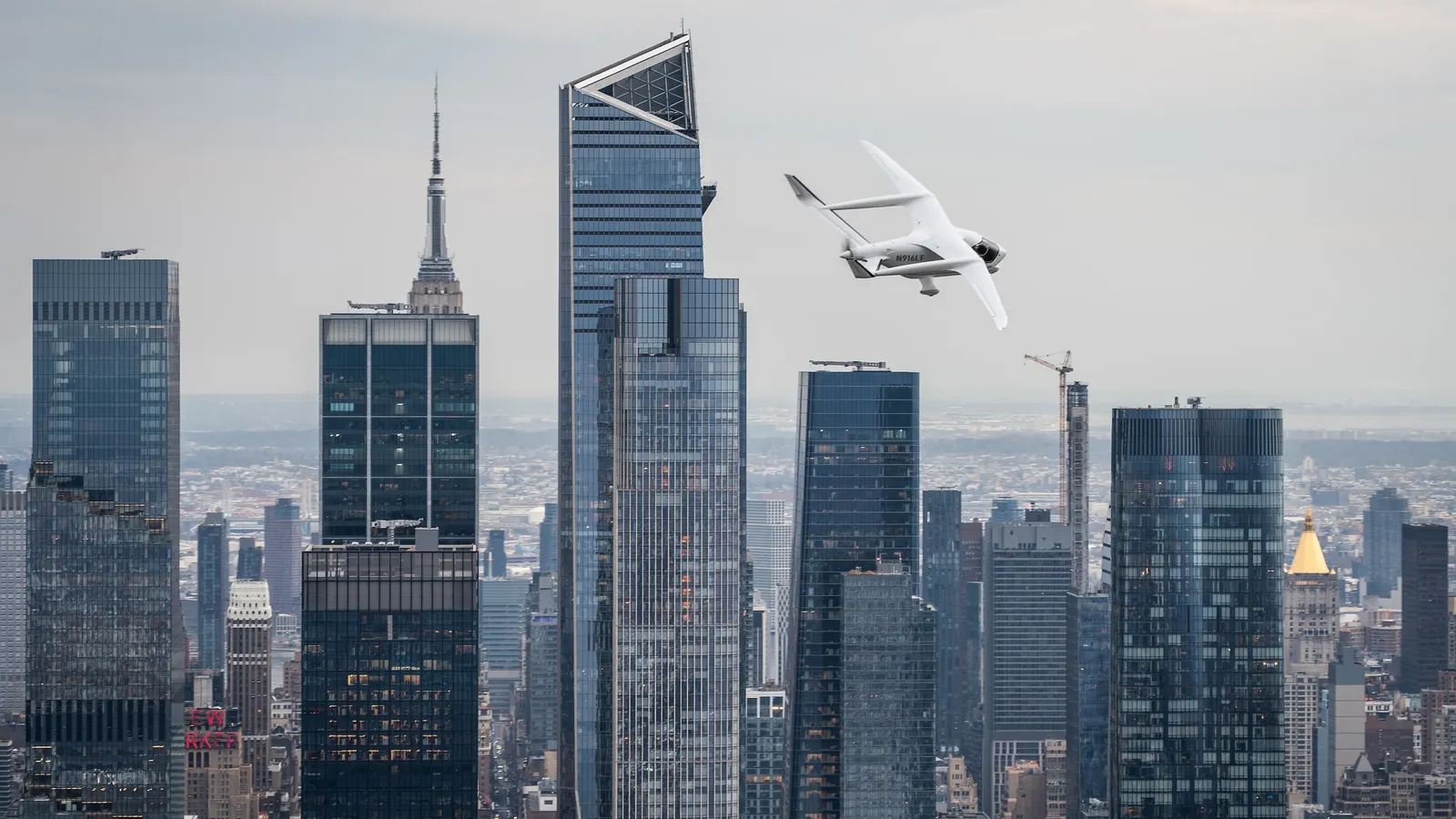
The aircraft at the center of this movement, such as Beta’s A250, represent a leap in engineering. Capable of carrying a pilot, up to five passengers, and 1,200 pounds of cargo, these vehicles are designed to be quieter, cleaner, and more efficient than traditional helicopters. By bridging the gap between ground-based transit and regional air travel, these companies aim to reduce urban congestion and provide high-speed connectivity for underserved communities.
Chronology: A Timeline of Aerial Progress
The roadmap to commercialization has been marked by a series of strategic demonstrations across the United States, proving both the reliability of the technology and the public’s appetite for new modes of transport.
- September 2024: Joby Aviation successfully launched piloted flights in North Texas. This deployment served as a critical stress test for the aircraft’s performance in diverse weather conditions and complex regional airspace.
- October 2024: Archer Aviation completed a series of piloted demonstration flights in the San Francisco Bay Area. These flights were pivotal in demonstrating the aircraft’s ability to navigate high-density metropolitan environments, a prerequisite for future commuter routes.
- November 2024: Joby Aviation expanded its testing footprint to Florida, marking a shift toward testing in different climate zones and humidity levels, which are essential for long-term battery performance and airframe durability.
- Late 2024: Beta Technologies announced the initiation of customer demonstration flights, allowing potential partners to experience the A250 firsthand. This move signals a transition from R&D to market-facing business development.
- Current Status: The FAA is currently soliciting industry feedback on draft design standards for vertical flight facilities (vertiports), marking the transition from aircraft certification to infrastructure regulation.
Supporting Data: The Physics and Economics of eVTOL
The viability of eVTOL aircraft hinges on a delicate balance of payload, range, and operational cost. Unlike traditional aviation, which relies on fossil fuels and high-maintenance combustion engines, eVTOLs utilize distributed electric propulsion.
Beta’s A250, for instance, serves as a benchmark for the industry’s current technical capabilities. With a payload capacity of 1,200 pounds, the aircraft is optimized for "middle-mile" logistics—moving goods from regional distribution centers to urban hubs—or as an air taxi for corporate commuters.
The economic argument for these aircraft is rooted in the "cost-per-seat-mile." By removing the pilot-heavy and fuel-intensive maintenance requirements of traditional helicopters, manufacturers aim to reach a price point comparable to ride-sharing services, albeit at significantly higher speeds. According to industry analysis, the efficiency of electric motors allows for a dramatic reduction in operational costs, provided the charging infrastructure—which the FAA is now defining—is deployed efficiently.
The draft standards released by the FAA underscore the complexity of this infrastructure. The proposed guidelines include:
- Power and Charging Systems: Specifications for high-speed megawatt charging stations required to turn around aircraft in under 20 minutes.
- Touchdown and Liftoff (TLOF) Areas: Precise dimensions for landing zones that accommodate the unique downward thrust profiles of electric rotorcraft.
- Visual Flight Aids: Standardized lighting and signage systems to ensure safety during night operations and in inclement weather.
Official Responses: Navigating the Regulatory Horizon
Government involvement is the final hurdle in the path toward public adoption. Transportation Secretary Sean Duffy has been vocal about the importance of this sector, framing it as a national priority.
"This certification process is another critical step towards enabling the future of flight in America," Duffy stated. His comments reflect a broader administration strategy to position the United States as a global leader in aviation innovation, ensuring that domestic companies remain competitive against international rivals in Europe and Asia.
From the manufacturer’s perspective, the focus is on client integration. Kyle Clark, founder and CEO of Beta, emphasized that the current demonstration phase is about utility. "Potential customers will be able to experience the aircraft and begin planning how it fits into their businesses, from connecting communities to moving people and goods at a lower cost," Clark noted. By inviting potential stakeholders—such as municipal governments, hospital networks, and logistics giants—to see the aircraft in action, Beta is effectively socializing the technology, moving it from a theoretical asset to a functional tool.
The FAA’s approach has been one of "collaborative regulation." By releasing draft standards for public feedback rather than mandating them immediately, the agency is acknowledging that the industry is still evolving. The FAA anticipates that final design standards for vertical flight facilities will be published by the summer of next year, providing a clear regulatory framework for cities looking to build the first generation of permanent vertiports.
Implications: The Transformation of Urban Transit
The implications of this shift are profound, affecting everything from city planning to environmental policy.
1. Urban Planning and Real Estate
The integration of vertiports onto rooftops and existing parking structures will fundamentally change how cities are built. Developers are already considering "air-ready" infrastructure in new construction projects, anticipating a future where a building’s value is determined not just by its proximity to highways or subways, but by its vertical accessibility.
2. Environmental Impact
The transition to electric aviation is a cornerstone of the broader decarbonization of the transport sector. As cities struggle with gridlock and carbon emissions from ground vehicles, the ability to shift commuters and cargo into the air—powered by renewable energy grids—offers a path toward cleaner, more sustainable urban growth.
3. Regional Connectivity
Perhaps the most significant implication is the "democratization of the sky." Traditionally, air travel has been a hub-and-spoke model dominated by major airports. eVTOL technology enables a point-to-point model, potentially turning small regional airports or even vacant land into vital transportation nodes. This could revitalize rural areas and suburbs by significantly reducing the travel time to city centers, effectively expanding the labor market and economic opportunity for remote populations.
4. Safety and Public Trust
Despite the technical progress, public trust remains the ultimate variable. The transition from "piloted demonstration" to "autonomous passenger transport" will take years, if not decades. The FAA’s focus on rigid safety standards—covering everything from emergency power reserves to cybersecurity for flight control systems—is designed to ensure that when the public eventually boards these aircraft, the safety profile meets or exceeds that of commercial airliners.
Conclusion: A New Altitude
The road ahead is not without challenges. Battery density, air traffic control integration, and public noise complaints are issues that will require constant innovation and community engagement. However, the momentum is undeniable. With the FAA’s recent release of infrastructure standards and the successful series of piloted flights by industry leaders, the foundation for a three-dimensional transportation network is being laid.
As we look toward the summer of 2025 and the finalization of these standards, the industry is poised to move out of the laboratory and into the sky. For the average citizen, the dream of "flying over traffic" is no longer a distant fantasy; it is becoming a scheduled reality, one test flight at a time. The future of flight in America is not just coming; it is already beginning to take off.
