





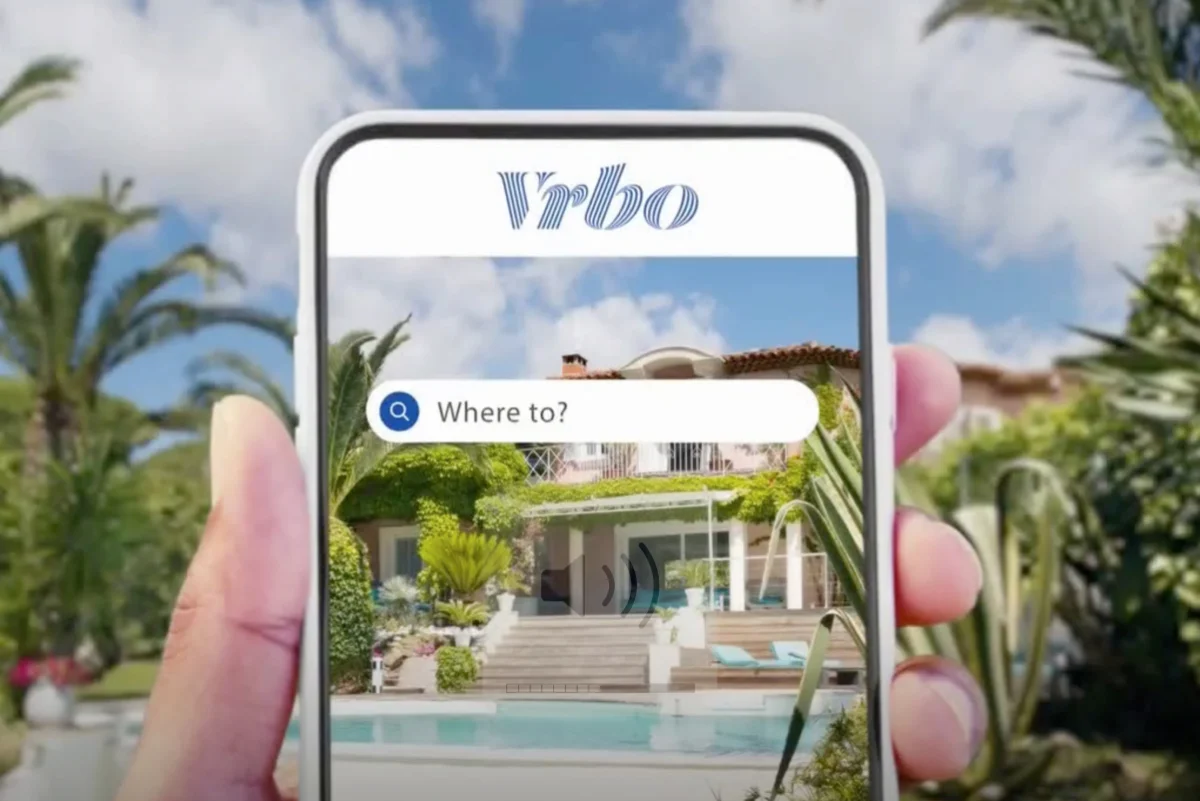
In a significant move to consolidate its competitive standing within the short-term rental sector, Expedia Group-owned Vrbo announced on Wednesday the launch of a "Reserve Now, Pay Later" feature. This strategic pivot, designed to lower the barrier to entry for travelers, marks a direct response to the successful implementation of similar payment flexibility by rival Airbnb. The feature is the centerpiece of a comprehensive autumn product rollout that includes over 30 updates across the broader Expedia Group ecosystem, including Expedia and Hotels.com.
The Mechanics of Flexibility: What Vrbo is Offering
The newly minted "Reserve Now, Pay Later" option allows travelers to secure eligible vacation rentals without an upfront financial commitment at the time of booking. For the average traveler, this eliminates the "sticker shock" that often occurs during the checkout phase of a high-ticket vacation rental, potentially increasing conversion rates for Vrbo’s host partners.
According to Expedia Group, the feature is currently live on the Vrbo desktop website and is slated for integration into the Vrbo mobile application in the coming weeks. Beyond individual bookings, the company is positioning this as a vital tool for group travel. By allowing bookings without immediate payment, the platform aims to help group leaders organize trips more effectively—enabling them to confirm attendee headcount, collect individual contributions, and manage the logistics of a stay without shouldering the full financial burden personally.
Chronology of a Competitive Trend
To understand why Vrbo is moving toward deferred payments, one must look at the recent history of the travel technology sector.
The Airbnb Precedent
The "Reserve Now, Pay Later" movement gained significant institutional momentum when Airbnb introduced the feature for U.S. domestic stays in August 2023. Following a successful pilot phase, the company expanded the capability globally in February 2024.
Airbnb’s model allows guests to book stays with flexible, moderate, or firm cancellation policies without immediate payment, provided the stay occurs within a specific timeframe. Crucially, Airbnb ensures that it collects the full payment from the guest before the expiration of the "free cancellation" window—usually 24 hours prior to check-in. This model has proven highly effective at mitigating the risk of payment defaults while simultaneously providing a friction-free user experience.
Expedia’s Strategic Response
For much of 2024, Expedia Group has been under pressure to modernize its payment infrastructure. While the company has long offered "Pay Later" options for hotels, vacation rentals presented a unique challenge due to the fragmented nature of host payouts and property management system (PMS) integrations. The decision to roll this out as part of a 30-feature autumn release indicates that Expedia is moving away from incremental updates toward a platform-wide "experience upgrade" aimed at matching the seamless interface that users have come to expect from digital-native competitors.
Supporting Data: Why Payments Matter
The travel industry has long known that payment friction is the primary cause of cart abandonment. According to industry analytics, conversion rates for travel bookings drop by as much as 40% when users are forced to pay large sums immediately, particularly for group bookings where the "planner" may be waiting on funds from friends or family.
- Conversion Optimization: Internal studies from major OTAs (Online Travel Agencies) suggest that deferred payment options can increase total booking volume by 15–20% in the leisure travel segment.
- The Group Travel Market: Group travel accounts for nearly 35% of Vrbo’s total booking volume. By streamlining the payment process, Vrbo is specifically targeting the "family vacation" demographic, which is often its strongest market segment.
- Cancellation Risk Mitigation: By linking the deferred payment to the host’s existing cancellation policy, Vrbo ensures that it maintains the same level of financial protection for its hosts that existed under the "Pay Upfront" model.
Official Responses and Corporate Strategy
In official statements, Expedia Group executives framed the rollout as part of a broader commitment to "customer-centric innovation."
"We are constantly evaluating how to reduce the friction in the travel planning process," an Expedia spokesperson noted. "By introducing ‘Reserve Now, Pay Later,’ we are acknowledging the realities of modern travel—where logistics, group coordination, and financial planning are often intertwined. This is about giving our guests the confidence to book the properties they want, when they want them, without the immediate pressure of an upfront transaction."
Industry analysts have responded with cautious optimism. "Vrbo is playing catch-up, but it is a necessary pivot," says Sarah Jenkins, a senior analyst at TravelTech Insights. "The challenge for Vrbo isn’t just the software; it’s ensuring that hosts remain comfortable with a payment cycle that deviates from the traditional instant-payout model. If Expedia can manage the cash flow back-end effectively, this could significantly bolster their market share against Airbnb."
Implications for the Future of Vacation Rentals
The introduction of this feature has several profound implications for the vacation rental ecosystem.
1. The Death of the "Upfront" Standard
For years, the vacation rental industry operated on a model similar to traditional hotel bookings: payment is secured at the time of reservation. The shift toward "Reserve Now, Pay Later" signals that the industry is moving toward a fintech-driven model. Companies are now acting more like banks, assessing risk and managing liquidity to ensure that travelers can book stays while hosts are still guaranteed their payouts.
2. Impact on Hosts and Property Managers
While travelers benefit, hosts must navigate the potential for increased cancellations. If a guest books a property but does not pay until 24 hours before the cancellation window closes, the host faces a "liquidity lag." However, Expedia’s architecture appears designed to mitigate this by managing the collection process centrally. Hosts who partner with Vrbo will likely see higher occupancy rates, though they may have to adjust their cancellation policies to align with the new payment flexibility.
3. The "Platform War" Intensifies
The battle between Vrbo and Airbnb is increasingly being fought on the terrain of "utility." It is no longer just about who has the most listings; it is about who provides the most helpful tools. By integrating this payment feature alongside new group planning tools, Expedia is signaling that it wants to be the primary platform for multi-person, high-value trips.
4. Broader Economic Considerations
In an inflationary environment where consumers are more budget-conscious, deferred payments act as a psychological buffer. By spreading out the financial commitment, platforms like Vrbo and Airbnb are helping to sustain travel demand even when consumers might otherwise hesitate to commit to large, lump-sum expenditures.
Conclusion: A Necessary Evolution
The launch of "Reserve Now, Pay Later" on Vrbo is more than just a software update; it is a defensive and offensive maneuver in an increasingly crowded travel market. By adopting a feature that has already been validated by its largest competitor, Vrbo is acknowledging that the future of travel booking lies in removing financial friction.
As Expedia Group continues to roll out its 30-plus new features throughout the fall, the success of this payment initiative will serve as a bellwether for the company’s broader digital transformation strategy. For the traveler, the result is a more flexible and manageable booking experience. For the industry, it is a reminder that in the modern digital economy, the platform that best manages the complexity of the transaction will inevitably win the loyalty of the user.
Whether this move will be enough to erode Airbnb’s market dominance remains to be seen, but one thing is certain: the era of the mandatory, immediate upfront payment in the vacation rental space is rapidly coming to an end. Travelers now demand the same level of flexibility from their vacation homes that they have long enjoyed in other sectors of the digital economy, and Vrbo is finally answering that call.
