
As the Indian travel landscape undergoes a period of profound recalibration, MakeMyTrip—the nation’s dominant online travel agency (OTA)—is signaling a significant strategic shift. While the company maintains its ironclad grip on the domestic aviation ticketing market, it is increasingly pivoting its capital and focus toward the fragmented yet high-growth segments of hotels, intercity buses, and ride-hailing services.
This move comes at a time when India’s domestic aviation sector, once the undisputed engine of OTA growth, faces cooling demand and soaring fares, prompting the leadership at MakeMyTrip to look toward the broader "travel stack" to sustain its impressive upward trajectory.
The Financial Landscape: A Robust Performance Under Pressure
MakeMyTrip’s fiscal second-quarter results paint a picture of a company successfully navigating a complex macro-environment. The OTA reported gross bookings of $2.7 billion for the September quarter, representing a 21% year-over-year increase on a constant-currency basis. Perhaps more impressively, the company clocked an adjusted operating profit of $46.2 million, underscoring a disciplined approach to operational efficiency even as the topline expands.
However, the composition of these earnings reveals the shift in strategy. Non-air businesses—encompassing hotels, vacation packages, bus bookings, and cab services—now account for 63.2% of the company’s total gross bookings. This is a marked increase from the 61.5% recorded in the same period last year. This migration of revenue away from flight ticketing is not merely a diversification tactic; it is a calculated response to the cooling of the domestic air travel market.
Chronology of the Slowdown: When the Skies Turned Turbulent
To understand the necessity of this shift, one must look at the recent volatility in Indian aviation. For years, the rapid expansion of airport infrastructure and the rise of low-cost carriers (LCCs) created a "gold rush" era for flight aggregators. However, the last two quarters have presented a different narrative.
The Q1 Warning Sign
In the fiscal first quarter, industry analysts noted a plateauing of demand. While the growth remained in positive territory, the momentum that characterized the post-pandemic recovery began to dissipate. MakeMyTrip’s leadership team observed that the hyper-growth phase of post-COVID revenge travel was giving way to a more cautious consumer sentiment, influenced by inflation and a tightening of discretionary spending.
The Q2 Contraction
The September quarter confirmed these fears. Domestic air departures in India saw a contraction of 7%, while international departures from the country dipped by 4%. Compounding this volume slump was a significant spike in airfares, which rose by an estimated 25% to 30%.
In a price-sensitive market like India, the combination of reduced capacity and higher costs creates a natural ceiling on growth. While MakeMyTrip successfully maintained its market leadership, holding a domestic air-ticketing share of over 30%, the company recognized that relying on flight commissions in a shrinking volume environment was a strategy with diminishing returns.
Data Deep-Dive: The Shift Toward Stays and Ground Transport
The internal data provided by MakeMyTrip offers a clear roadmap of where the company believes the future of Indian tourism lies.
The Dominance of Hotels and Packages
Hotels and vacation packages currently represent approximately 40% of the company’s total business. This segment has become the primary beneficiary of the capital and marketing effort diverted from the aviation side. During the September quarter, stand-alone hotel room nights grew by 18.6%. Notably, domestic room nights surged by more than 20%, indicating that Indian travelers, while perhaps flying less frequently, are increasingly willing to spend on high-quality accommodations and bundled holiday experiences.
Ground Transport: The Silent Growth Engine
Beyond hotels, the "other" category—which includes intercity bus ticketing and cab services—has become a cornerstone of the company’s "Super App" strategy. As India’s Tier-2 and Tier-3 cities become more integrated into the digital economy, the demand for reliable, pre-booked intercity bus travel has skyrocketed. By digitizing this previously offline-heavy sector, MakeMyTrip is capturing a demographic that may not yet be part of the frequent flyer economy but is highly active in the domestic travel circuit.
Official Perspectives: The Rationale Behind the Pivot
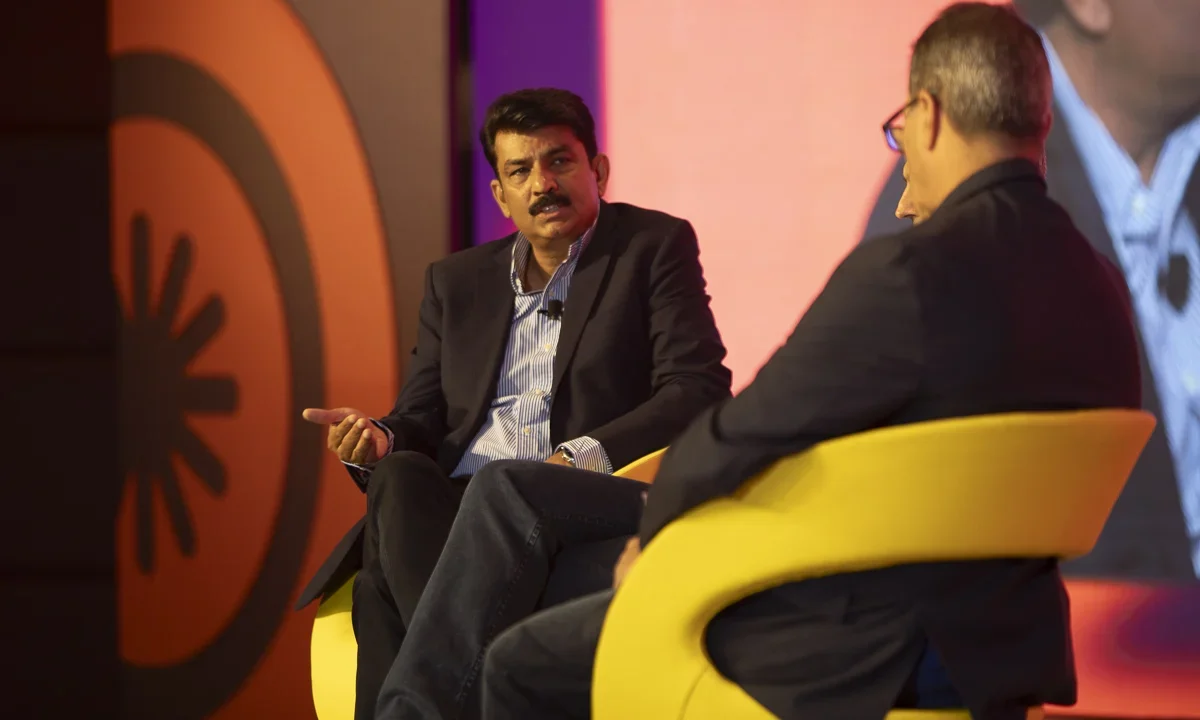
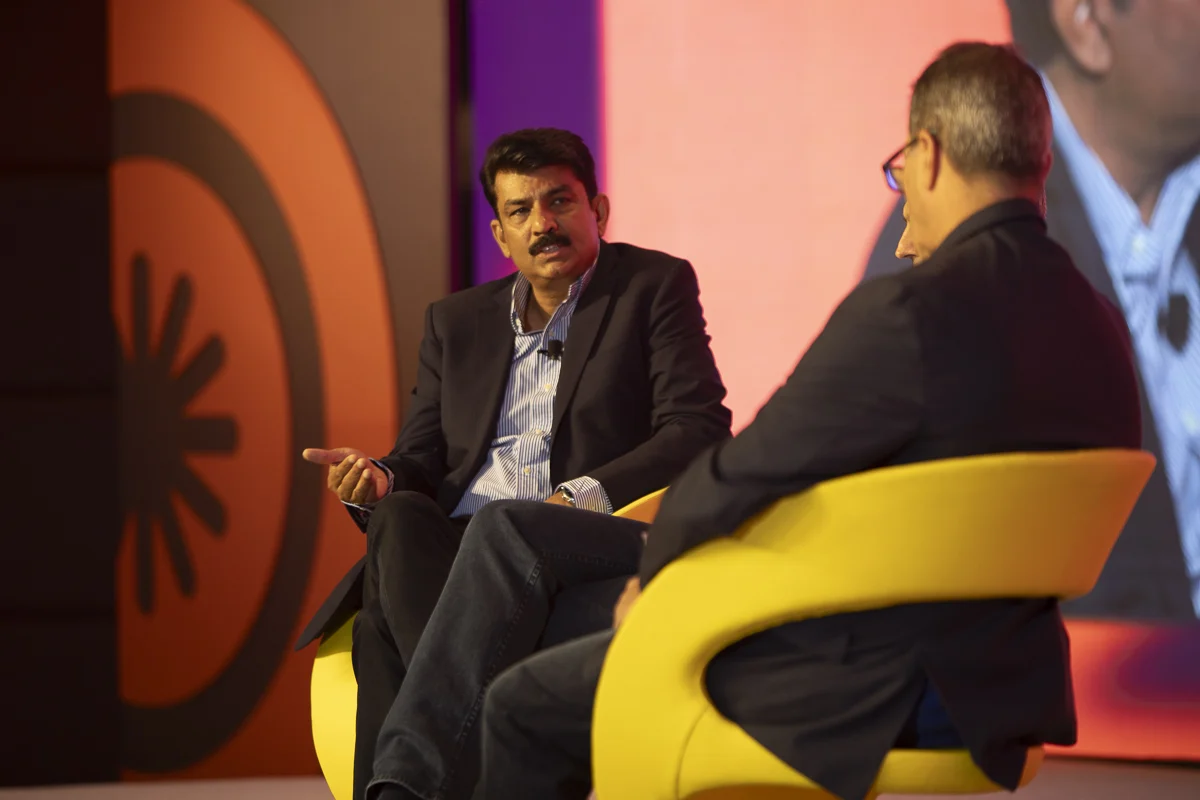
During the earnings call, leadership, including Group CEO Rajesh Magow, emphasized that this shift is not an abandonment of the aviation sector, but rather a maturation of the business model.
"Our focus remains on capturing the entire lifecycle of the traveler," noted a company spokesperson. "While aviation is a high-frequency, low-margin business, the hotel and packages segment allows for deeper customer engagement, higher customer lifetime value (CLV), and greater control over the end-to-end user experience."
The company’s strategy is centered on "cross-selling." By leveraging its massive user base—often acquired through flight bookings—MakeMyTrip is aggressively pushing hotel inventory and auxiliary services. The data suggests this is working; the conversion rates of users who book flights and then proceed to book hotels via the same platform have seen a steady uptick, validating the ecosystem approach.
Implications: What This Means for the Indian Travel Market
The strategic pivot by India’s largest OTA has profound implications for the travel ecosystem at large.
1. Increased Competitive Intensity in Hospitality
As MakeMyTrip doubles down on hotels, the competition in the online hotel booking space—already crowded by players like Booking.com, Agoda, and local rivals like Cleartrip and EaseMyTrip—will likely intensify. This will drive further innovation in inventory management, loyalty programs, and personalized content, ultimately benefiting the consumer through better pricing and more diverse options.
2. A Shift in Marketing Spend
Expect to see a shift in advertising budgets. Previously dominated by flight-centric campaigns, marketing spend will likely transition toward destination-led tourism, premium hotel experiences, and the convenience of bus/cab travel. This benefits the domestic hospitality sector, particularly boutique hotels and resorts that have struggled to gain visibility in the past.
3. The "Super App" Consolidation
The trajectory of MakeMyTrip confirms a global trend: the rise of the travel Super App. By offering a one-stop-shop for flights, hotels, trains, buses, and cabs, the company is attempting to create a "moat" around its users. In a market where loyalty is historically low, the ability to solve every travel-related pain point within a single interface is the most effective retention tool available.
4. Economic Resilience
The decision to diversify is also a hedge against macroeconomic instability. Air travel is highly sensitive to fuel prices, geopolitical tensions, and airline balance sheets. By spreading its risk across the hospitality and ground transportation sectors, MakeMyTrip is positioning itself to remain profitable even if the aviation sector remains in a period of stagnation.
Future Outlook: The Path Ahead
As MakeMyTrip enters the final quarters of the fiscal year, the company faces the challenge of maintaining its dominance in air travel while simultaneously scaling its non-air segments. The "Air-Plus" strategy—using air travel as a customer acquisition tool while focusing on the high-margin hotel and packages business—appears to be the current gold standard for Indian OTAs.
The road ahead is not without obstacles. The Indian travel market remains heavily fragmented, and the logistics of digitizing thousands of independent hotels and bus operators are daunting. However, if the current growth rates in domestic hotel bookings are any indicator, the company’s bet on the non-air segment is paying off.
In conclusion, MakeMyTrip’s latest performance serves as a bellwether for the broader travel industry in India. It signals a move away from the "volume at all costs" mentality of the flight-ticketing era toward a more nuanced, margin-focused, and experiential approach to travel. As the company continues to refine its technology and expand its inventory, it is not just selling tickets; it is increasingly curating the Indian travel experience. For stakeholders, the message is clear: the future of Indian travel lies not just in the skies, but on the ground and in the hotel room.
