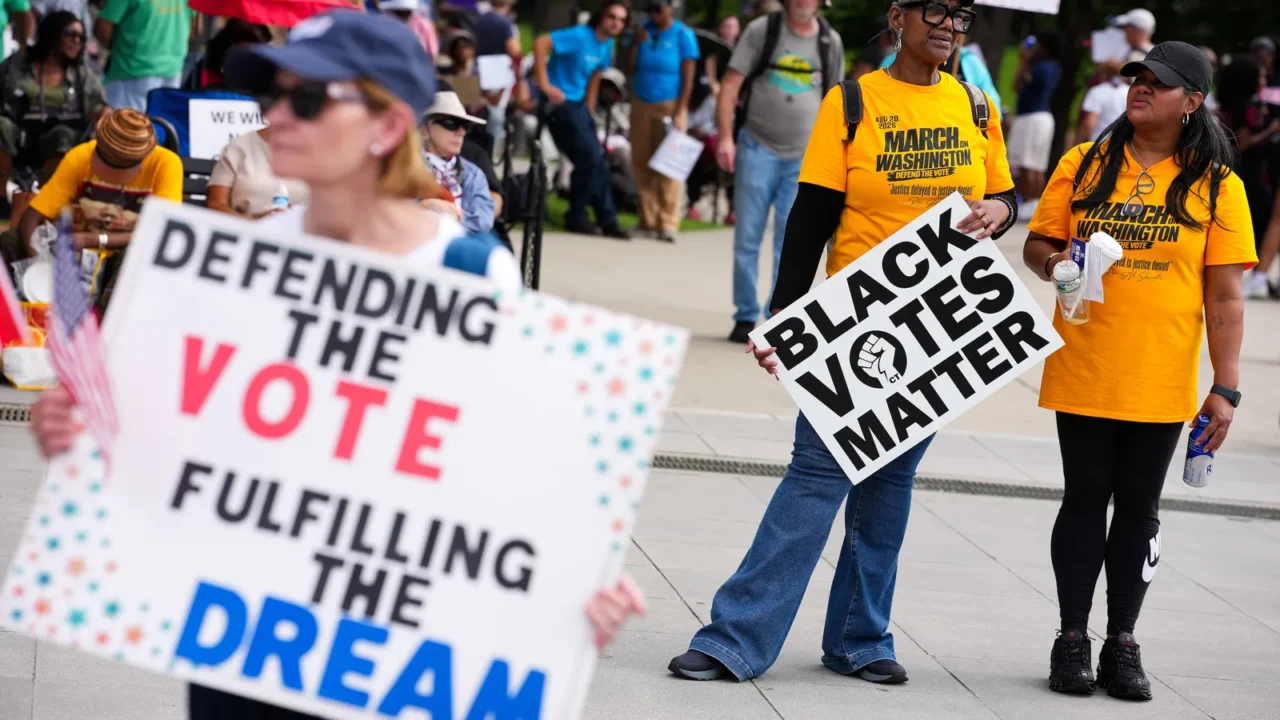





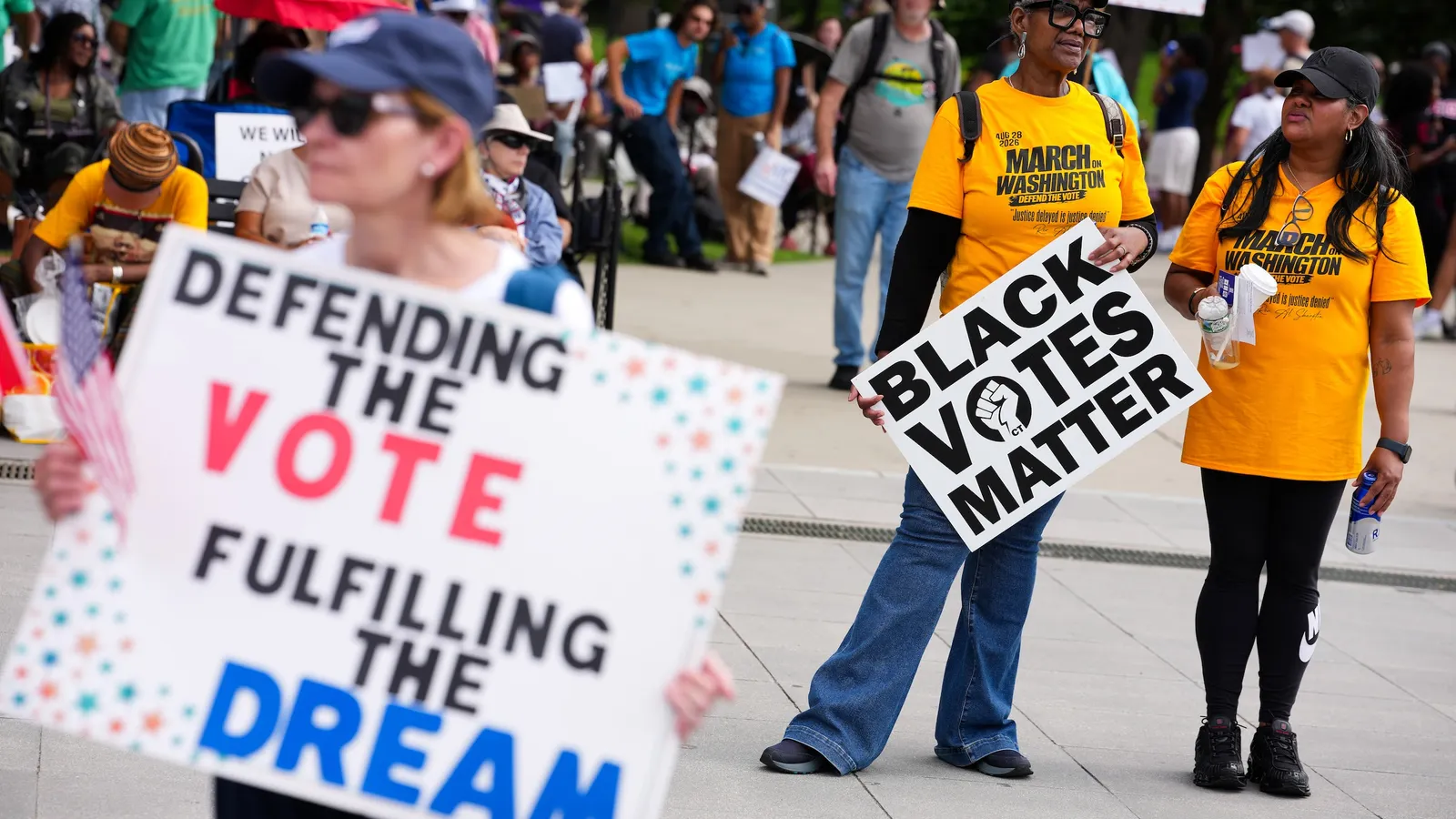
As the nation approaches the 2026 midterm elections, a palpable sense of apprehension has settled over local election offices from coast to coast. In an environment defined by heightened polarization and unprecedented scrutiny of electoral processes, cities and counties are actively preparing for what they describe as potential federal interference. From legal training for poll workers to the establishment of rapid-response hubs, local governments are fortifying their defenses to ensure that the sanctity of the ballot box remains under local control.
The anxiety stems from a complex intersection of administrative directives, court battles, and a fundamental disagreement over the reach of the executive branch in state-run elections. As the U.S. Department of Justice (DOJ) shifts its posture regarding the deployment of federal agents to polling sites, local leaders are scrambling to define the boundaries between federal oversight and voter intimidation.
The Chronology of Escalation: A Timeline of Conflict
The current friction is not a sudden development but the culmination of months of mounting tension between federal authorities and local election administrators.
- Early October 2026: The DOJ initiates inquiries into the eligibility of thousands of voters in California, specifically questioning the validity of approximately 20,000 ballots in Los Angeles County on the grounds of potential non-citizen registration.
- Late October 2026: The DOJ files a formal request for a temporary restraining order to halt ballot processing in several California counties, seeking to assert federal oversight over voter rolls.
- October 28, 2026: U.S. District Judge David Carter delivers a landmark ruling denying the DOJ’s request. In a sharp rebuke, Judge Carter notes that the federal government has never before attempted to force local jurisdictions to abandon constitutional election procedures on the eve of a contest.
- October 29, 2026: The DOJ clarifies its deployment plans for the midterms, announcing that while Immigration and Customs Enforcement (ICE) and FBI agents will not act as poll monitors, agents from the Federal Bureau of Prisons; the Bureau of Alcohol, Tobacco, Firearms and Explosives (ATF); and the Drug Enforcement Administration (DEA) will be present in various capacities.
- Pre-Election Week: Cities across the country, led by organizations like the Public Rights Project, mobilize legal teams to provide "Know Your Rights" training to election staff, preparing them for the potential arrival of federal personnel at polling locations.
The Federal Presence: Defining the Boundaries
The presence of federal law enforcement at polling places has historically been a sensitive subject, governed by a delicate balance of federal authority and state sovereignty. The recent DOJ announcement regarding which agencies will be represented has sparked both confusion and tactical preparation among local officials.
While the exclusion of the FBI and ICE from monitor roles serves as a partial concession, the inclusion of agencies like the ATF and the Bureau of Prisons remains a point of contention. Local election supervisors are now tasked with the difficult job of distinguishing between authorized federal observers—who are permitted to witness the process—and any personnel whose presence might be interpreted as coercive or intimidating to voters.
Jennifer Holmes, director of the Election Protection Hub at the Public Rights Project, describes the situation as a logistical and legal challenge. "We are hearing concerns from all sorts of cities and counties—and that includes blue and red jurisdictions, large and small," Holmes noted. The Hub has been working with over 200 jurisdictions to establish clear protocols for interacting with federal agents, ensuring that poll workers know exactly who is authorized to be in a polling place and what their specific limitations are under state and federal law.
Supporting Data: A Nationwide Mobilization
The scale of the preparation efforts reflects the depth of the concern. Across the U.S., election infrastructure is being bolstered by a coalition of non-profits, legal experts, and city governments.
In Chicago, the city government has launched an intensive initiative to protect the voting process. Mayor Brandon Johnson’s office announced the deployment of "Election Protection Teams," a coalition comprising lawyers, trained observers, and voting rights advocates. These volunteers are tasked with identifying potential disruptions, documenting concerns, and providing a direct line of communication between polling sites and legal authorities.
"We will continue to use every tool available to protect Chicagoans and make sure people can exercise their rights without fear," Mayor Johnson said in a statement. This sentiment is echoed by the Democratic Mayors Association and the U.S. Conference of Mayors. San Diego Mayor Todd Gloria, president of the U.S. Conference of Mayors, emphasized that the integrity of the vote rests on the shoulders of the 650,000 professional and volunteer election workers who represent the backbone of the democratic process.
Judicial Intervention and Constitutional Implications
The legal battle in California serves as a microcosm of the larger national struggle. Judge David Carter’s ruling, while technically limited to the California jurisdiction, has become a rallying cry for proponents of states’ rights.
In his decision, Judge Carter wrote, "Never before in American history has the federal government, on the eve of an election, sought to coerce a state and local government to abandon their own Constitutional elections procedures and bend to the will of the Executive Branch."
Legal analysts suggest that this ruling acts as a significant "shield" for other counties facing similar pressures. Jennifer Holmes notes that the principles articulated by Judge Carter reinforce the fundamental constitutional tenet that states, not the executive branch, are the primary architects of election administration. "If the federal government is allowed to meddle like this, it really just upends our democracy," she warned.
Despite the DOJ’s decision to appeal the ruling, the precedent set in this case provides local jurisdictions with a roadmap for challenging future federal interventions. However, the legal victory is not viewed as a total resolution. As Holmes pointed out, the threat of interference does not evaporate when the polls close on Tuesday. The canvassing and certification periods—times when election results are verified—remain vulnerable points where federal pressure could potentially resurface.
Implications for the Future of American Elections
The implications of this standoff extend far beyond the current midterm cycle. The tension between the federal government and local election offices reflects a broader erosion of trust in institutional norms.
Erosion of Public Confidence
At a time when misinformation can rapidly undermine public faith, the mere perception of federal interference can suppress voter turnout. When voters feel that their local polling site is a venue for federal law enforcement, the "chilling effect" on participation is a significant concern for civil rights groups.
The Role of Local Autonomy
The ongoing conflict underscores a fundamental debate about the future of American federalism. If federal agencies are increasingly empowered to oversee local administrative tasks—such as voter roll maintenance and ballot processing—the traditional structure of decentralized, state-run elections may be permanently altered.
Long-Term Preparedness
The current mobilization is likely to set a precedent for future election cycles. Local governments are realizing that they can no longer rely solely on traditional norms to protect the voting process. The formation of regional protection hubs, the engagement of private legal counsel, and the development of clear inter-agency communication protocols are likely to become permanent features of the election landscape.
Conclusion: Vigilance as the New Standard
As the nation heads to the polls, the focus remains on the resilience of local officials. The message from municipal leaders is clear: the integrity of the election is a local mandate, and they are prepared to defend that authority against any perceived federal overreach.
"Across the country, dedicated local election officials and public servants work tirelessly to uphold the integrity of our elections," Mayor Todd Gloria stated. "At a time when misinformation can undermine public confidence in the process, their work is more important than ever."
While the immediate concern is the behavior of federal agents on Election Day, the long-term work of preserving democracy will continue well after the ballots are counted. By fortifying their legal positions, increasing transparency, and fostering community partnerships, cities and counties are signaling that they intend to maintain the "Constitutional elections procedures" that Judge Carter championed. Whether this will lead to a de-escalation of federal-local tensions remains to be seen, but for now, the priority for election administrators is clear: ensure the vote is counted, ensure it is secure, and ensure that every eligible citizen can cast their ballot without fear.
