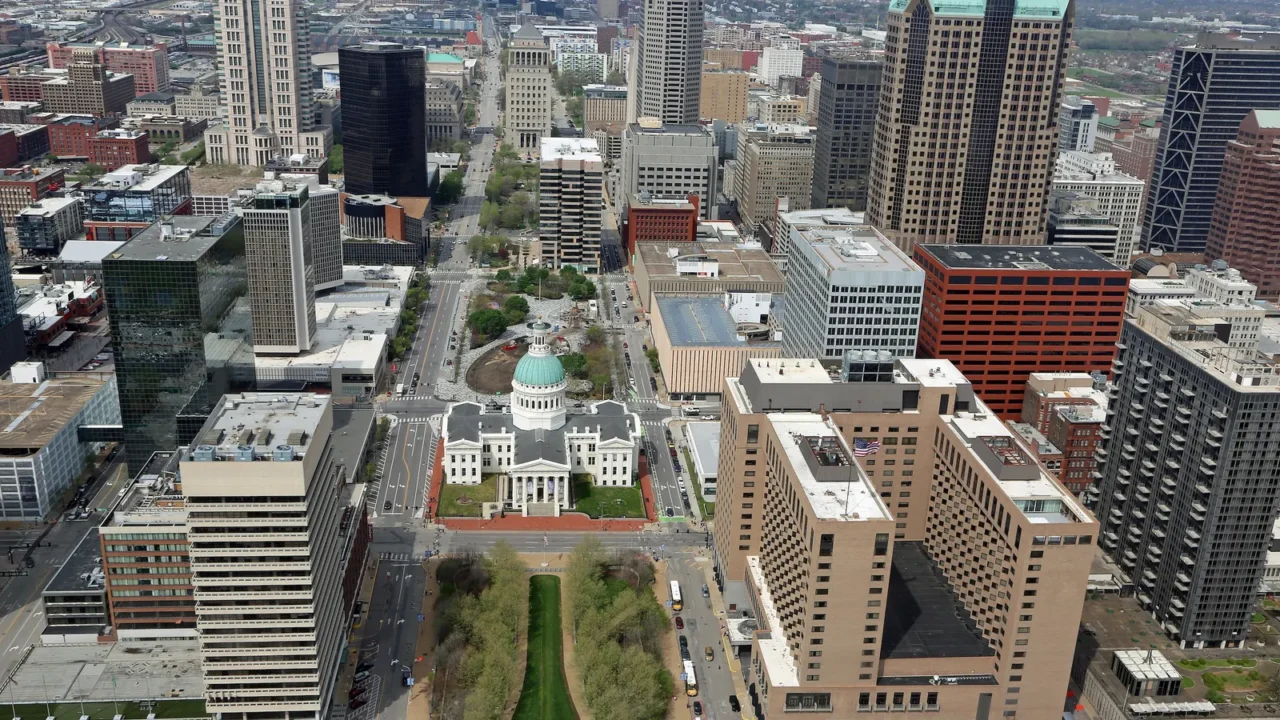

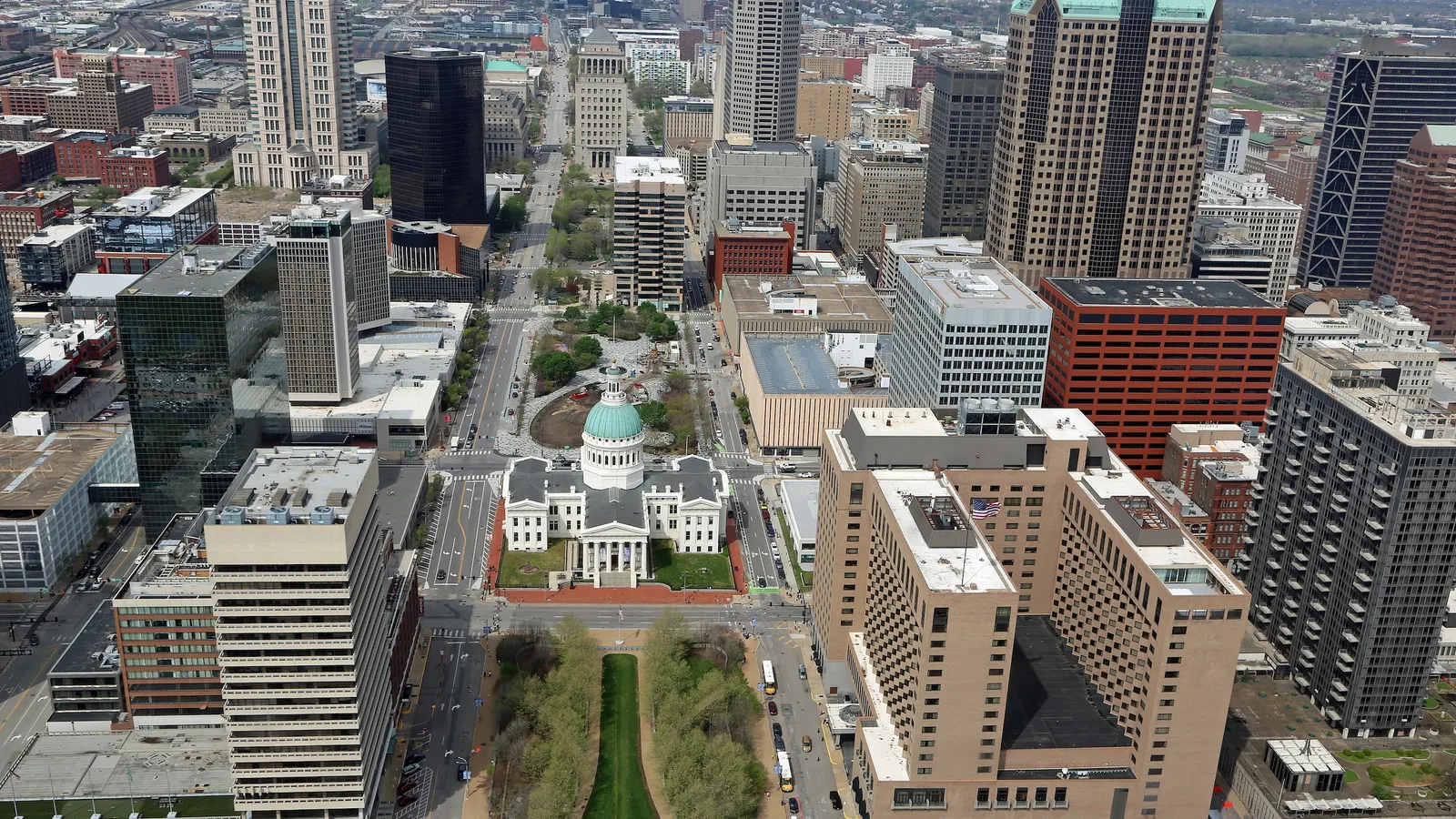
St. Louis is standing at a critical juncture in its urban history. For years, the city—like many of its Midwestern counterparts—has grappled with the hollowed-out remnants of a bygone industrial era, exacerbated by the tectonic shifts of the post-pandemic landscape. High office vacancy rates, population attrition, and the haunting presence of shuttered architectural landmarks have fueled a narrative of decline, with national publications even labeling the city’s urban core a “real estate nightmare.”
Yet, beneath the surface of these headlines, a profound shift is occurring. Mayor Cara Spencer, who made the revitalization of downtown the cornerstone of her administration upon taking office last year, is spearheading an aggressive, multi-pronged strategy to transform the city’s heart. Rather than viewing the current state of the urban core as a terminal decline, city leaders, state officials, and private sector stakeholders are framing St. Louis as a “sleeping giant” poised for an unprecedented era of capital investment.
The State of Play: Defining the Challenge
The structural challenges facing downtown St. Louis are emblematic of the broader "urban doom loop" narrative that has gripped American cities since 2020. The iconic 44-story AT&T Tower and the historic 21-story Railway Exchange—monuments to the city’s former commercial prowess—have sat largely dormant, becoming symbols of economic stagnation. When the Wall Street Journal highlighted the city’s struggles in 2024, it crystallized the urgency for change.
However, local stakeholders argue that the narrative of failure ignores the city’s intrinsic value. Robert O’Loughlin, chairman and CEO of Lodging Hospitality Management, emphasizes that St. Louis possesses a portfolio of assets that many peer cities lack. “We have a world-class zoo, and our Forest Park rivals Central Park,” O’Loughlin notes. “The Gateway Arch draws 1.5 million people per year. We have a lot of concerts and sporting events. I boast that if you take all of those assets, they far exceed Indianapolis and Kansas City combined.”
While cities like Indianapolis have aggressively pursued massive downtown construction pipelines—totaling nearly $9 billion—and Kansas City has poured $3.5 billion into district-specific development, St. Louis has historically been more reactive. That is changing. The city is now leveraging a mix of state legislation, legal windfalls, and high-stakes event planning to close the gap and assert its position as a primary Midwestern economic engine.
A Chronology of Recovery: From Litigation to Legislation
The current momentum in St. Louis did not happen overnight; it is the culmination of years of legal maneuvering and strategic planning.
- 2016: The departure of the St. Louis Rams NFL team for Los Angeles sparks widespread local outrage and leads to a massive breach-of-contract lawsuit against the NFL, the Rams, and their ownership.
- 2021: The lawsuit concludes with a landmark $519 million settlement. The city of St. Louis secures $280 million, setting the stage for a potential infusion of capital into civic infrastructure.
- 2024: The Wall Street Journal publishes its critique of downtown St. Louis, adding pressure on local leaders to formalize a recovery plan.
- Early 2025: The St. Louis Board of Aldermen approves the "Downtown St. Louis Sports and Entertainment Community Improvement District" to prepare the city for the 2028 Olympic soccer matches.
- July 2025: Governor Mike Kehoe signs HB 3231, the Missouri Downtown and Rural Economic Stimulus Act, providing the legislative framework to incentivize residential conversions and commercial innovation zones.
- Present Day: The city begins the rollout of $55 million in Rams settlement funds, bolstered by an equal match from the private sector.
Legislative Catalysts: HB 3231 and Innovation Zones
The passage of HB 3231 represents the most significant legislative intervention in the city’s history regarding urban development. Ron Kitchens, managing partner of the economic development nonprofit Greater St. Louis, describes the next three years as potentially the most transformative period for the city since the 1904 World’s Fair.
The bill is designed to address the "office-to-residential" conversion problem. To qualify for these incentives, buildings must be at least 25 years old, and developers must commit to converting more than 50% of the square footage into residential units. Of particular importance to St. Louis is a provision that authorizes state tax rebates for the redevelopment of buildings exceeding 750,000 square feet—a direct attempt to save landmarks like the AT&T Tower.
Beyond residential conversion, the bill establishes "Innovation Zones." These zones allow cities to retain 50% of all new state sales and income taxes generated within their borders, provided the revenue is earmarked for public safety or infrastructure improvements. Additionally, the creation of the Missouri Angel Investment Tax Credit and the expansion of the Missouri Works program are intended to lure startups and large-scale capital investments into the urban core.
Data-Driven Growth: The Rams Settlement and Beyond
The financial engine driving this transformation relies on a unique synergy between public legal victory and private sector investment. The $55 million allocation from the Rams lawsuit settlement is not merely a government expenditure; it is a matching fund.
"The business community is aligned with us in doing this work," Mayor Spencer noted. "It’s an exciting time when you have the private sector willing to come to the table and match us dollar for dollar." This private-public partnership ensures that roughly $110 million will be deployed immediately into downtown infrastructure and small business incentives.
The goal is to move with surgical speed. Ron Kitchens has set a clear deadline: "I hope to get every dollar out the door prior to the Olympics. The world stage is going to be here. It’s like a dinner party—you need to get your house ready in advance."
Official Perspectives: Aligning Blue Cities with Red States
One of the most notable aspects of this revitalization push is the political cohesion behind it. St. Louis is a traditionally Democratic stronghold within a Republican-led state, yet the economic necessity of a thriving urban core has transcended partisan divides.
Mayor Spencer has been instrumental in bridging this gap, successfully arguing that downtown St. Louis is the economic engine of the entire state. The passage of HB 3231 with a bipartisan 119-24 vote in the House reflects the success of this messaging. Kitchens emphasizes that the business community “worked very diligently with the state legislature on this set of tools that work for everyone,” noting that a coalition of 28 different communities across Missouri was required to get the legislation across the finish line.
Implications: The Path to a Reimagined Downtown
The implications of these initiatives extend far beyond the aesthetic restoration of historic buildings. The goal is to create a "virtuous cycle" of urban life: increased residential occupancy leads to higher foot traffic, which supports small businesses, which in turn necessitates safer and more walkable public spaces.
The "Downtown St. Louis Sports and Entertainment Community Improvement District" is the primary mechanism for this environmental shift. With $4.5 million in annual state funding, the district will focus on lighting, pedestrian safety, and the logistics of hosting major events. By creating a environment where "businesses functioning there can see it’s a safe area to go to," the city aims to dispel the "doom loop" perception and replace it with a reality of daily activity.
As the city prepares for the 2028 Olympics, the urgency is palpable. The success of these projects will likely serve as a blueprint for other "legacy" cities in the Midwest. If St. Louis can successfully leverage state tax credits, legal settlements, and private sector buy-in to rehabilitate millions of square feet of vacant office space, it will effectively prove that the "sleeping giant" is not only awake but actively competing for the future of American urbanism.
Ultimately, the transformation of St. Louis is a test of political willpower and economic pragmatism. By shifting the focus from simply managing decay to actively incentivizing innovation, the city is signaling to the nation that its best days are not confined to the history books, but are currently under construction.
