




In the world of automotive performance, there is an ancient, golden rule: "Fast, cheap, or reliable—pick two." For decades, engine builders and DIY gearheads have operated under the assumption that cutting costs usually comes at the expense of either longevity or raw power. However, the rise of global e-commerce giants like Temu has introduced a new, precarious variable into the equation. Can you buy high-performance engine components for the price of a dinner for two? According to engine expert Eric Weingartner, the answer is a resounding, dangerous "no."
Weingartner, a renowned specialist in cylinder head porting and performance engineering, recently subjected a set of aftermarket Vortec-style cylinder heads purchased from Temu to a rigorous battery of tests. The results were not just underwhelming; they were a masterclass in why "budget" engineering can prove catastrophic for a vehicle’s powertrain.
The Anatomy of a $350 "Bargain"
The set of cylinder heads in question was listed on Temu for a staggering $350—a price point that, when considering international shipping and the sheer weight of cast-iron components, suggests the actual manufacturing cost of the parts is suspiciously low.
"You aren’t just paying for the metal," Weingartner notes in his analysis. "You are paying for the metallurgical consistency, the quality control, and the precision machining that makes a cylinder head actually function as a pump."
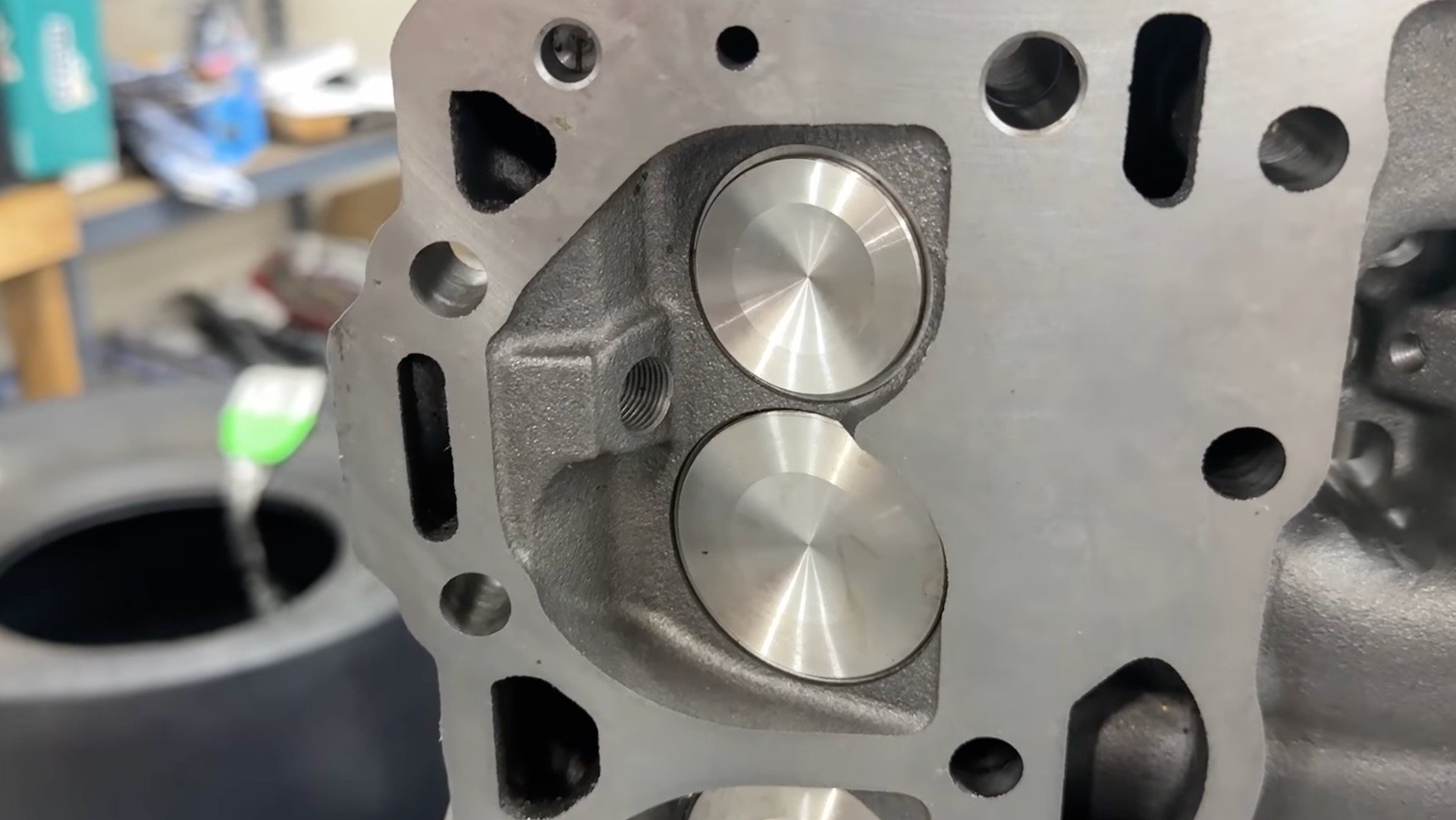
When these heads arrived at Weingartner’s shop, the visual inspection alone provided a red flag. While the intake and exhaust ports appeared to follow the general geometry of a General Motors Vortec head, the internal combustion chambers told a different story. In a genuine Vortec design, the chamber is engineered to promote specific fluid dynamics—a "vortex" of air and fuel that ensures a complete, efficient burn. The Temu units, by contrast, featured a distorted, amateurish chamber shape that resembled a crude heart drawing. This deviation suggests that the manufacturer prioritized ease of casting over fluid dynamics, essentially rendering the "Vortec" branding on the listing a hollow marketing term.
Chronology of a Failed Test
The testing process performed by Weingartner was methodical, mirroring the standards applied to professional racing heads.
- Initial Inspection: Upon unboxing, the physical dimensions of the ports appeared adequate, but the finish was rough, indicating poor casting quality control.
- The Vacuum Test: This is where the cracks began to show—literally and figuratively. While the exhaust side managed to hold a vacuum, the intake side failed significantly. This indicates that the valves were not seating correctly, a fatal flaw that would lead to compression loss and burned valves under load.
- Valve and Seat Analysis: A deeper dive revealed that the intake valves lacked "back cuts," a critical machining process that smooths the transition of air into the cylinder. Furthermore, the valve seats were machined with sharp, aggressive angles that impede airflow rather than encouraging it.
- Flow Bench Benchmarking: The final nail in the coffin came on the flow bench. The heads were tested against factory specifications. The results were so abysmal that Weingartner concluded the heads would likely perform worse than a set of stock, high-mileage factory heads from a junkyard.
Supporting Data: The Science of Airflow
To understand why these heads are problematic, one must understand the purpose of the Vortec design. Introduced by General Motors in the mid-1980s, the Vortec head was a revolution for the small-block V8. By shaping the combustion chamber to create a controlled, high-speed swirl, engineers were able to increase the thermal efficiency of the engine. This allowed for higher compression ratios without the threat of pre-ignition (knock).
The "knockoff" heads fail to replicate this swirl. Without the proper geometry, the fuel-air mixture does not atomize or ignite with the necessary efficiency.
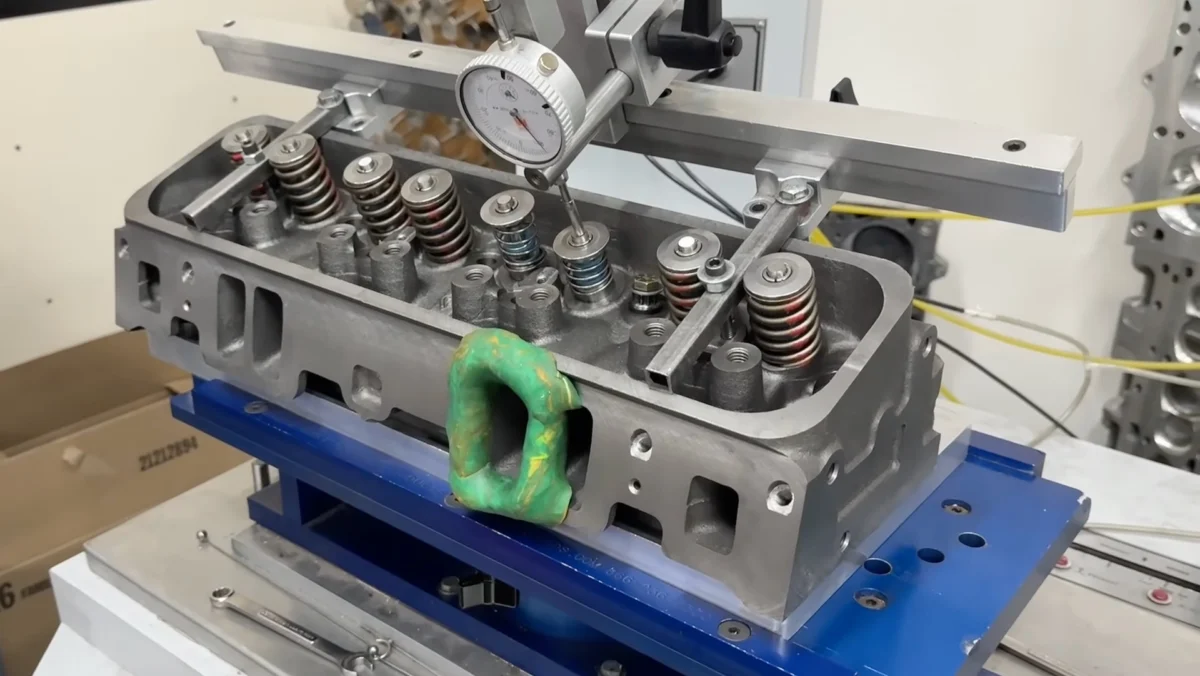
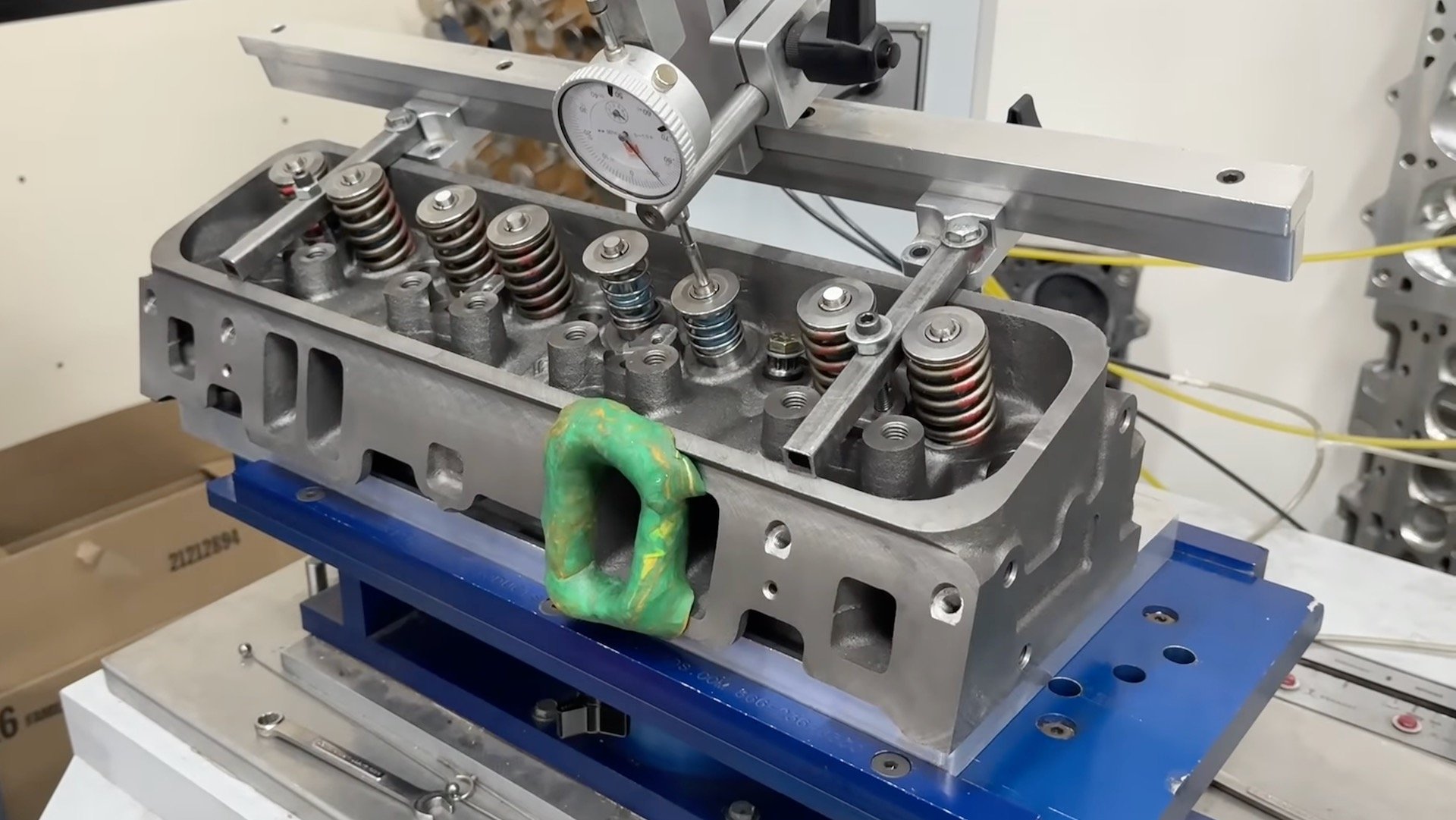
Furthermore, the mechanical constraints identified by Weingartner are significant. The retainer-to-seal clearance was dangerously limited, meaning a user would be unable to run even a moderately aggressive performance camshaft. The valve springs were found to be weak, which in a real-world application would lead to "valve float"—where the valve fails to close before the piston reaches top-dead-center, resulting in a catastrophic collision between the two.
The Broader Implications of Counterfeit Parts
The automotive aftermarket has always dealt with "knockoffs," but the shift from specialty catalog parts to general-purpose retail platforms like Temu has democratized the availability of these inferior components.
The Financial Trap
The immediate draw is the price. For a young enthusiast building their first small-block Chevy, $350 for a set of "assembled" heads looks like a path to cheap horsepower. However, the true cost is realized when the engine is assembled. If a valve spring fails or a valve seat drops into the cylinder, the resulting damage to the pistons, cylinder walls, and connecting rods will cost thousands of dollars—far exceeding the cost of a high-quality, name-brand set of heads.
The Safety and Quality Gap
Industry insiders note that there is a stark difference between "off-brand" and "counterfeit." While these heads aren’t necessarily masquerading as genuine GM parts with forged logos, they are marketed under the "Vortec" umbrella, which misleads consumers into believing they are purchasing a standardized performance product.
When parts are manufactured without oversight, there is no guarantee regarding the integrity of the metal. If a casting is porous or contains impurities, a cylinder head could crack under thermal stress while the vehicle is driving at highway speeds, potentially leading to coolant loss, engine seizure, or fire.
Industry Response and Future Outlook
While General Motors and major aftermarket manufacturers like Edelbrock or AFR haven’t issued formal legal challenges to these specific Temu listings, the industry sentiment is clear: "Buy cheap, pay twice."
Performance shops and professional engine builders have been vocal about the dangers of these components. The consensus is that while the digital marketplace makes it easier than ever to acquire parts, it also requires a higher level of consumer literacy. The responsibility for vetting components has shifted entirely to the end user.
As Weingartner concluded in his video, the existence of these products serves as a grim warning. In an era where everything can be commoditized, the fundamental principles of engineering cannot be "hacked." Physics remains indifferent to a low price tag. Whether it is a spark plug, a cylinder head, or a brake rotor, the lack of quality assurance isn’t just a performance issue—it is a reliability issue that threatens the very life of the vehicle.
Final Verdict
For the hobbyist, the takeaway is simple: if a deal seems too good to be true, it is not just "good value"—it is a liability. The market is currently flooded with automotive components that look the part but fail to perform the function. Until there is greater oversight regarding the quality standards of automotive parts sold on mass-market retail platforms, enthusiasts must rely on the expertise of those like Weingartner to expose the dangerous reality behind the "Made in China" bargain bin.
When you are pushing thousands of controlled explosions per minute through your engine, the cylinder head is not the place to pinch pennies. Invest in quality, rely on reputable manufacturers, and remember that when it comes to your engine, the cheapest part is often the most expensive one you will ever buy.
