



As Hungary heads to the polls on April 12, 2026, the nation finds itself at the epicenter of a high-stakes geopolitical contest. With the country’s energy infrastructure increasingly serving as a proxy battlefield for Chinese, American, and Russian interests, journalists are turning their focus to how these external pressures will reshape Hungary’s climate trajectory and its alignment with European Union mandates.
The Strategic Context: A Nation at the Crossroads
On April 9, 2026—just three days before the parliamentary elections—Clean Energy Wire (CLEW) will host an expert-led webinar for journalists worldwide to dissect the complex energy landscape of Hungary. This session, supported by Journalismfund Europe, arrives at a critical juncture. Hungary is currently navigating a precarious path: balancing its heavy reliance on Russian energy, seeking massive infrastructure investment from China, and facing diplomatic pressure from the United States to align more closely with Western climate and security policies.
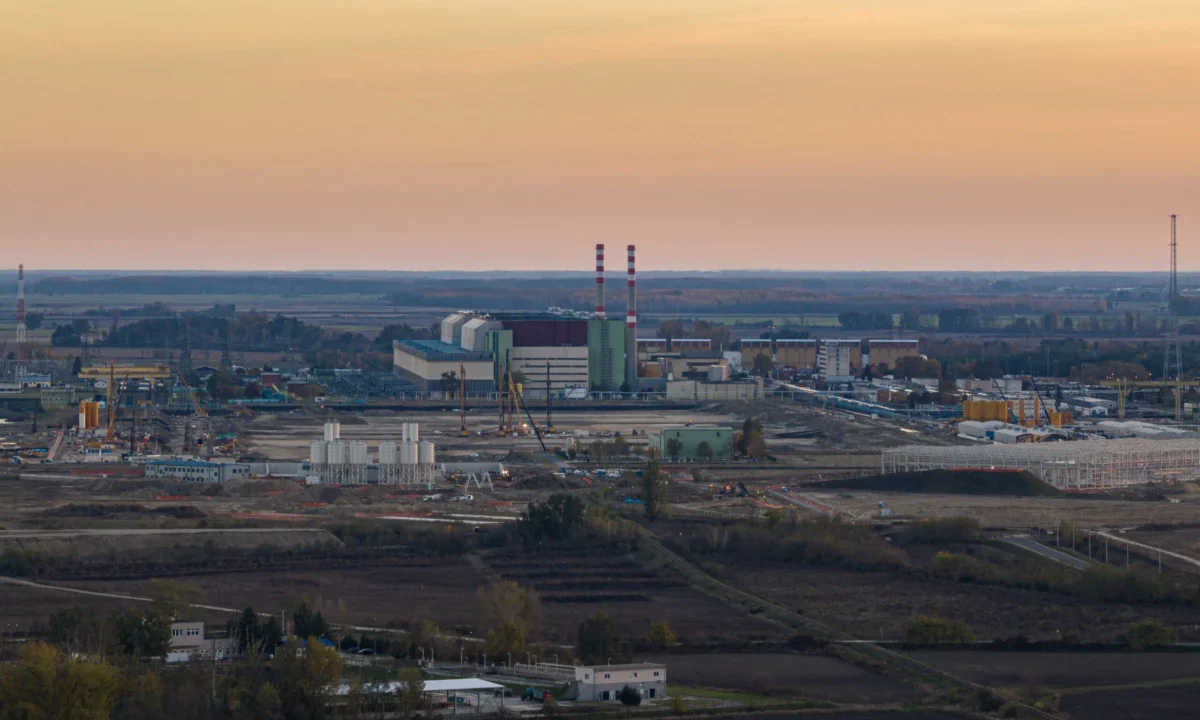
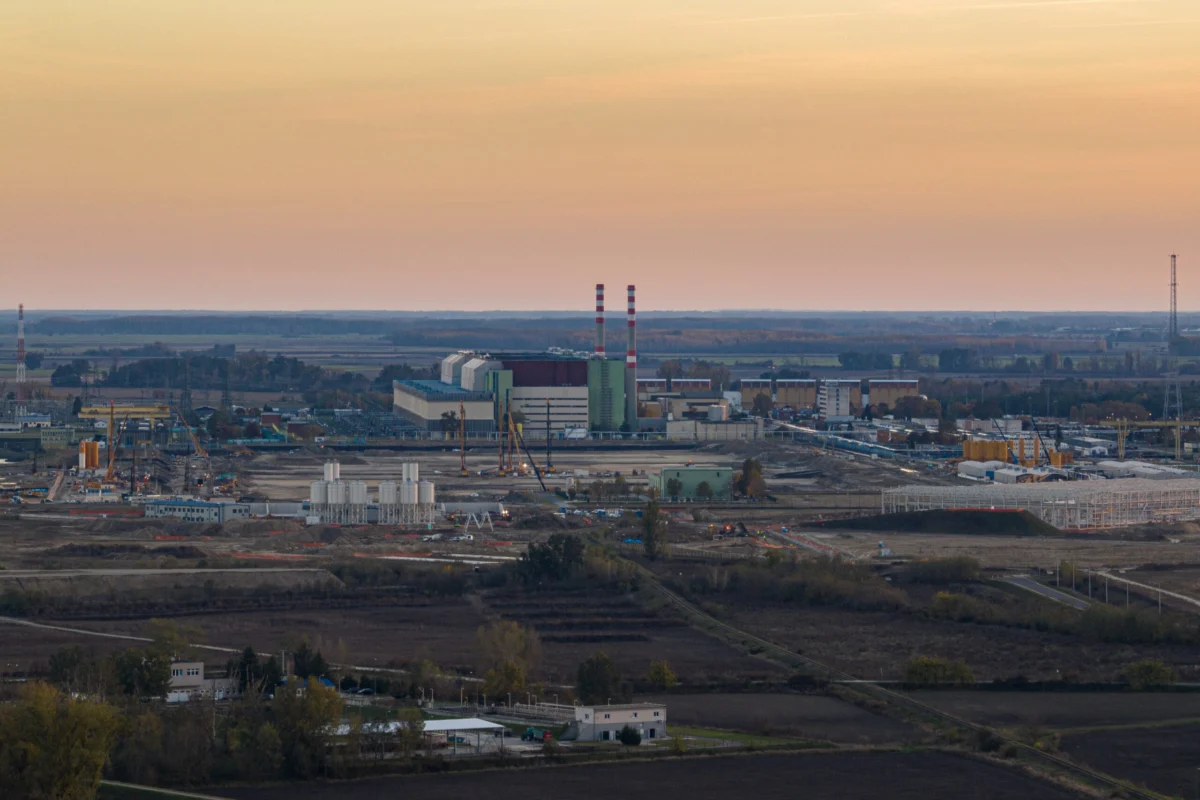
The energy infrastructure in Hungary is no longer just a domestic utility concern; it is a manifestation of the country’s "Eastern Opening" policy, which has often placed Budapest at odds with Brussels. As the EU pushes for a green transition and a reduction in dependency on autocratic regimes, Hungary’s reliance on projects like the Paks II nuclear power plant—built with Russian technology and financing—stands as a stark symbol of the friction between national sovereignty and collective European security.
Chronology: The Evolution of Hungary’s Energy Dependence
To understand the current stakes, one must look at the timeline of Hungary’s energy infrastructure development over the last two decades.
- 2008–2010: Post-financial crisis, Hungary began seeking alternative funding sources, pivoting away from traditional Western financial institutions toward state-led capital from the East.
- 2014: The Hungarian government signed a landmark agreement with Russia’s Rosatom to expand the Paks nuclear power plant. This deal, shrouded in secrecy for years, marked the beginning of a long-term strategic lock-in with Moscow.
- 2018–2021: As China’s Belt and Road Initiative expanded into Central Europe, Hungary became a primary destination for Chinese battery manufacturing and electric vehicle (EV) supply chain investment.
- 2022–2023: The Russian invasion of Ukraine sent shockwaves through European energy markets. While the EU scrambled to decouple from Russian fossil fuels, Hungary negotiated exemptions, citing "national energy security."
- 2024–2025: Increased diplomatic pressure from the United States regarding the potential for "dual-use" technology and the security implications of Chinese infrastructure led to a cooling of diplomatic relations, complicating the investment climate.
- April 9, 2026: Pre-election briefing by CLEW to provide journalists with the necessary analytical framework to cover the fallout of these energy policies.
- April 12, 2026: Parliamentary elections.
Supporting Data: The Infrastructure Battleground
The complexity of Hungary’s energy policy is best illustrated by the sheer scale of the projects currently underway or in the planning stages.
The Nuclear Dilemma (Paks II)
The Paks II project remains the cornerstone of Hungarian energy policy. By replacing aging reactors with new Russian-designed VVER-1200 units, the government claims it is securing low-carbon, baseload energy for the next 60 years. However, critics argue that the project creates an insurmountable technological and financial dependency on Russia. Data from the International Energy Agency (IEA) suggests that while nuclear power provides a stable energy source, the project’s reliance on Russian fuel rods and specialized maintenance creates a vulnerability that the EU is desperate to mitigate.
The Chinese Battery Hub
Hungary has rapidly emerged as a global hub for EV battery production. Chinese giants like CATL have announced multi-billion-euro investments in the country. Proponents argue this is the "green industrial revolution" Hungary needs. Yet, the environmental cost—specifically regarding water consumption and chemical waste—has sparked local protests, while geopolitical analysts warn of the strategic risks of handing over the backbone of the European EV transition to non-EU actors.
The US Factor: Security and Sanctions
The United States has increasingly viewed Hungary’s energy partnerships as a security liability. Washington has expressed concerns that Chinese-built infrastructure could be used for surveillance or that Russian energy contracts could be leveraged for political blackmail. The U.S. has ramped up its diplomatic efforts, offering alternative investments in green energy and renewables, though these have often struggled to compete with the state-backed financing offered by Beijing and Moscow.
Official Perspectives and The Policy Divide
The rhetoric surrounding the upcoming election highlights a fundamental divide in how the nation views its future.
The Government’s Stance:
The incumbent administration consistently frames its energy policy as "pragmatic neutrality." Officials argue that Hungary is simply buying the cheapest, most reliable energy available, regardless of the source. They emphasize that sovereignty means the right to engage with global powers—be they in the East or the West—to ensure the Hungarian public is shielded from energy poverty.
The European Union’s Perspective:
Brussels views Hungary’s policy as a breach of the "Energy Union" philosophy. EU regulators have repeatedly scrutinized the financing of Paks II and the lack of competitive bidding processes for energy contracts. The Commission’s position is clear: dependence on Russia is a strategic threat, and the unchecked influence of Chinese firms in critical infrastructure undermines the bloc’s "de-risking" strategy.
The Opposition and Civil Society:
Opposition parties and environmental NGOs argue that the current path leads to "energy autocracy." They are campaigning on a platform of diversifying energy sources, prioritizing wind and solar power (which have been severely restricted by government regulations), and integrating more deeply with the European power grid to ensure safety and transparency.
Implications: What to Expect Post-April 12
The outcome of the April 12, 2026, election will serve as a bellwether for the future of Central European energy policy.
1. The Geopolitical Re-alignment
If the current government retains its supermajority, we can expect a deepening of the "Eastern Opening." This would likely lead to a further collision course with Brussels, potentially resulting in the withholding of further EU recovery funds tied to the rule of law and energy market transparency.
2. The Green Transition vs. National Security
The election will determine whether Hungary accelerates its transition toward decentralized, renewable energy—a move that would require a massive regulatory overhaul—or continues to favor centralized, state-controlled mega-projects. The latter risks isolating Hungary from the EU’s green industrial policy, potentially leaving the country with "stranded assets" if the European market moves toward stricter environmental and security standards for energy imports.
3. Impact on the Global Media Landscape
For journalists, the post-election landscape will be defined by the "visibility of influence." The question will no longer be if China or Russia are influencing policy, but how that influence is codified in law and infrastructure. The April 9 CLEW webinar provides the essential baseline for this coverage, focusing on:
- Transparency: How to trace the financing of major energy projects.
- Security: Understanding the risks of technological dependency in energy grids.
- Environment: Navigating the trade-off between battery manufacturing and local environmental protection.
Conclusion: A Test for European Democracy
As the world watches the Hungarian parliamentary elections, the focus must remain on the intersection of energy and democracy. The infrastructure being built today in Hungary will define the country’s geopolitical orientation for the next half-century. Whether that infrastructure will serve as a bridge between East and West or as a tool for deepening divisions remains the central question of the 2026 election.
Journalists preparing to cover the events of April 2026 are urged to move beyond the traditional "left vs. right" political narratives. Instead, they must scrutinize the supply chains, the secret loan agreements, and the technical specifications of the power plants and battery factories that are quietly, but fundamentally, changing the map of Europe.
The Clean Energy Wire webinar on April 9 offers more than just data; it provides a roadmap for understanding how one of Europe’s most contentious energy landscapes could dictate the future of the entire continent’s security. In a time of global volatility, the Hungarian election is not just a local event—it is a critical test of whether the European model of energy independence can survive in an era of renewed great-power competition.
