




By Meghna Maharishi
Updated: October 30, 2026
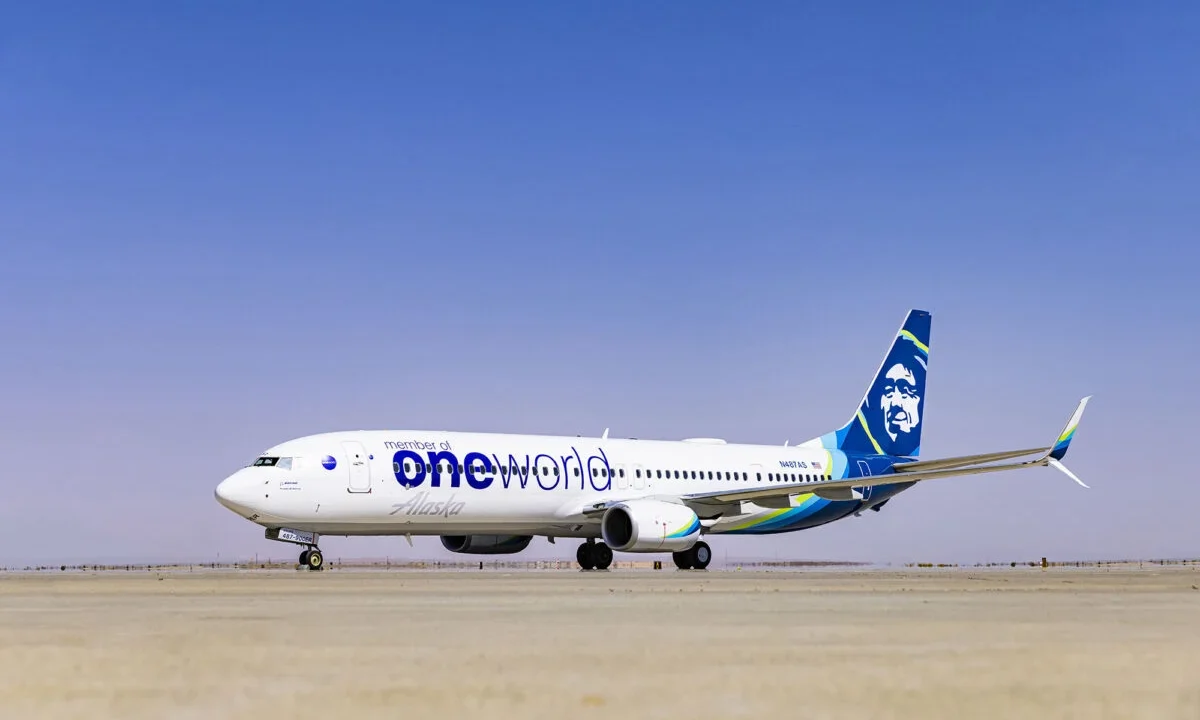
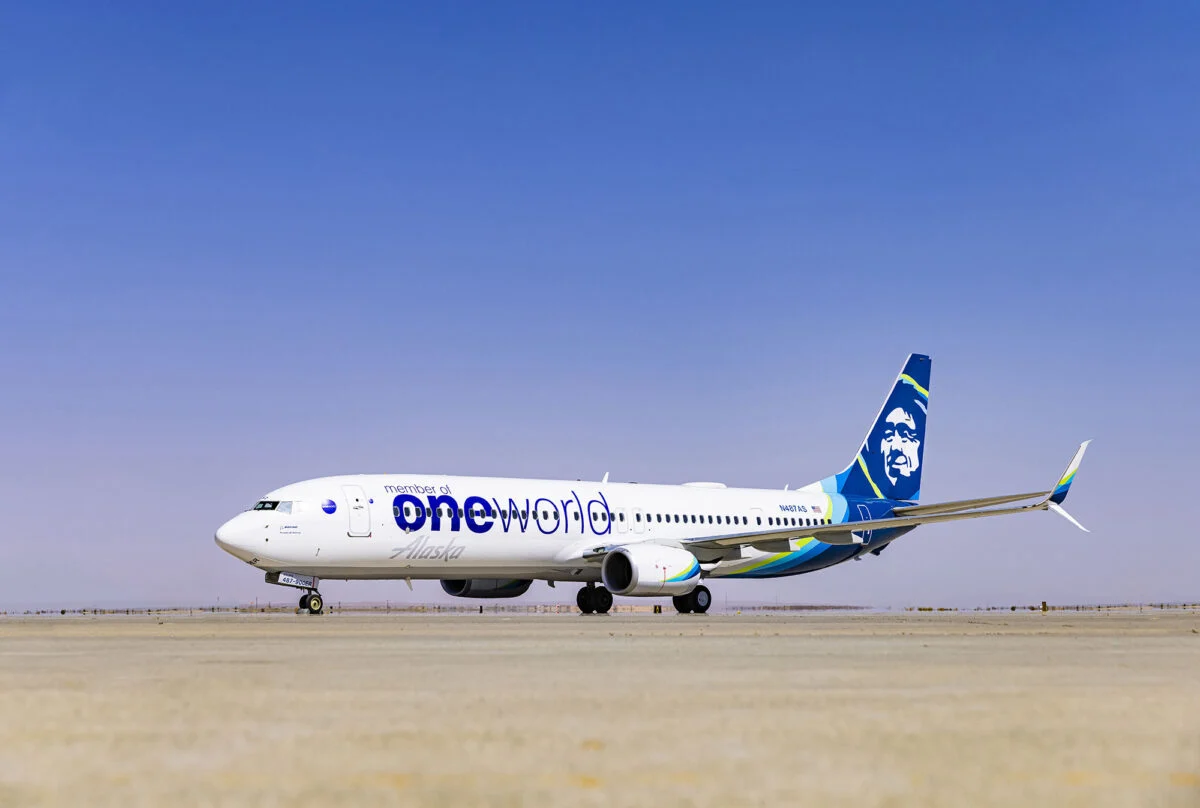
Alaska Airlines, a cornerstone of the U.S. aviation industry and a key member of the oneworld alliance, has announced a strategic reduction in its corporate workforce. The airline is set to lay off 200 employees, a move that comes as the carrier navigates a period of profound financial volatility, underscored by a staggering $416 million loss over the first nine months of 2026.
This decision marks a difficult chapter for the Seattle-based airline, which has long prided itself on operational stability and high customer satisfaction scores. As the aviation sector faces a "perfect storm" of rising fuel expenditures and shifting market dynamics, the airline is forced to tighten its belt to preserve its long-term financial health.
Main Facts: The Scope of the Layoffs
The staff reductions, while significant for those affected, are being implemented with a surgical focus on corporate and administrative functions. According to a spokesperson for Alaska Airlines, the cuts are limited to "back-office" roles.
The geographical impact is concentrated in the airline’s primary operational hubs. Of the 200 total positions being eliminated, 148 are based in Washington state, while 48 are located in Hawaii. The remaining positions are spread across other corporate support functions.
Crucially, the airline has moved to reassure the traveling public and its operational stakeholders that the reductions will not impede the day-to-day safety or efficiency of its flights. Pilots, flight attendants, ramp agents, and aircraft maintenance technicians—the "front-line" personnel—remain unaffected by this round of layoffs. This distinction is vital for a company whose brand identity is heavily tied to operational reliability and the "Alaska spirit."
Chronology: A Year of Fiscal Challenges
The announcement on October 30, 2026, is the culmination of a difficult year for the airline industry, and specifically for Alaska Airlines.
- Q1 2026: Alaska Airlines enters the fiscal year with ambitious growth targets, but rising oil prices begin to pressure margins early in the quarter.
- Q2 2026: Financial reports reveal that the cost of Jet-A fuel has remained stubbornly high. Despite strong passenger demand during the spring break travel season, the cost-to-revenue ratio begins to widen, resulting in a disappointing quarterly profit margin.
- Mid-2026: Industry-wide concerns regarding labor costs, infrastructure investments, and potential economic headwinds lead Alaska’s leadership to initiate a comprehensive review of non-essential corporate spending.
- Q3 2026: By the end of September, the company tallies a cumulative loss of $416 million for the first nine months of the year. This fiscal reality forces management to move from general cost-cutting measures to structural workforce adjustments.
- October 30, 2026: The airline formally announces the 200-person layoff, citing the need to streamline operations and adapt to the current macroeconomic environment.
Supporting Data: The Financial Landscape
To understand why a major carrier like Alaska Airlines would resort to layoffs, one must look at the macro-economic data impacting the aviation sector in 2026.
Fuel Volatility
Fuel typically accounts for approximately 25% to 30% of an airline’s operating expenses. In 2026, global geopolitical tensions have contributed to sustained high prices for refined jet fuel. Unlike airlines with extensive hedging programs, Alaska has found itself increasingly exposed to these spot-market fluctuations, eroding the profitability of its route network.
The $416 Million Deficit
The $416 million loss over nine months is a sobering figure. Analysts point to a combination of factors:
- Inflationary Pressure: Beyond fuel, the cost of goods and services required to maintain corporate headquarters and administrative technology has risen significantly.
- Competitive Capacity: The airline has faced increased competition on its West Coast routes, forcing it to keep fares competitive even as internal costs rose.
- Capital Expenditures: Continued investment in fleet modernization and digital customer experience tools has placed a strain on cash reserves that were already stretched thin by the broader market environment.
Official Responses and Internal Communications
In statements released following the announcement, Alaska Airlines leadership emphasized that the decision was not made lightly. The company’s internal memo, which served as the basis for the public announcement, highlighted the necessity of the move for the company’s survival.

"As we navigate a challenging operating environment," the spokesperson stated, "we must take steps to ensure that our business is structured for long-term sustainability." The leadership underscored that the priority remains the safety of their passengers and the stability of their operational network.
The airline has stated it will provide comprehensive severance packages and outplacement support to the affected employees. This is a standard procedure for major carriers, aimed at mitigating the impact on the departing workforce and maintaining the company’s reputation as an employer of choice.
Implications for the Future of Alaska Airlines
The decision to cut 200 corporate jobs serves as a bellwether for the wider industry. As the aviation sector enters the final quarter of 2026, several key implications emerge:
1. The "Leaner" Corporate Model
For years, airlines ballooned their administrative departments to manage complex regulatory requirements, digital transformations, and the post-pandemic hiring surge. This layoff suggests a shift toward a leaner corporate structure. By consolidating administrative roles, Alaska is likely aiming to increase agility and reduce overhead.
2. Operational Resilience
Because the airline has explicitly excluded front-line staff from these cuts, it is signaling to the market that it expects travel demand to remain robust. By keeping pilots and flight attendants in place, the company is avoiding the "staffing crises" that plagued many carriers in the early 2020s. They are prioritizing the customer-facing experience while sacrificing the "back office."
3. Investor Sentiment
Wall Street will be watching the next earnings report closely. If the layoffs successfully reduce the "burn rate" and improve the operating margin, the company’s stock may stabilize. However, if the $416 million loss continues to grow, shareholders may demand more aggressive cost-saving measures, potentially including route reductions or fleet consolidation.
4. Labor Relations
The impact on company morale cannot be ignored. Even for those not affected, the announcement of layoffs creates an atmosphere of uncertainty. Management will face the challenge of maintaining employee engagement and trust as they move into the busy holiday travel season—a period where airline performance is under maximum scrutiny.
Conclusion
The 200 job cuts at Alaska Airlines are a reflection of the harsh realities currently facing the U.S. aviation industry. While the financial loss of $416 million is a significant hurdle, the airline is attempting to position itself for a turnaround by focusing its resources on the operational core—the flights and the people who staff them.
As the airline enters the next phase of its fiscal recovery, stakeholders will be looking for signs of a return to profitability. Whether these administrative cuts are enough to stem the tide remains to be seen, but they represent a definitive commitment by Alaska Airlines to weather the current storm by prioritizing operational continuity over administrative breadth.
For the passengers of Alaska Airlines, the message remains clear: the planes will keep flying, the service is expected to remain consistent, and the airline is betting that these structural adjustments will preserve its place as a reliable, competitive force in the sky for years to come.
