



General Motors (GM) has officially signaled a transformative shift in its automotive strategy, announcing an ambitious roadmap to democratize advanced autonomous highway-driving technology. Moving beyond the exclusive domain of luxury flagships like the Cadillac Escalade IQ, the automaker intends to integrate its next-generation autonomous capabilities into its highest-volume vehicle lineups, including full-size SUVs and light-duty trucks. This pivot represents a cornerstone of GM’s long-term vision to redefine personal mobility through a centralized, AI-driven software architecture.
Main Facts: The Path to 2028
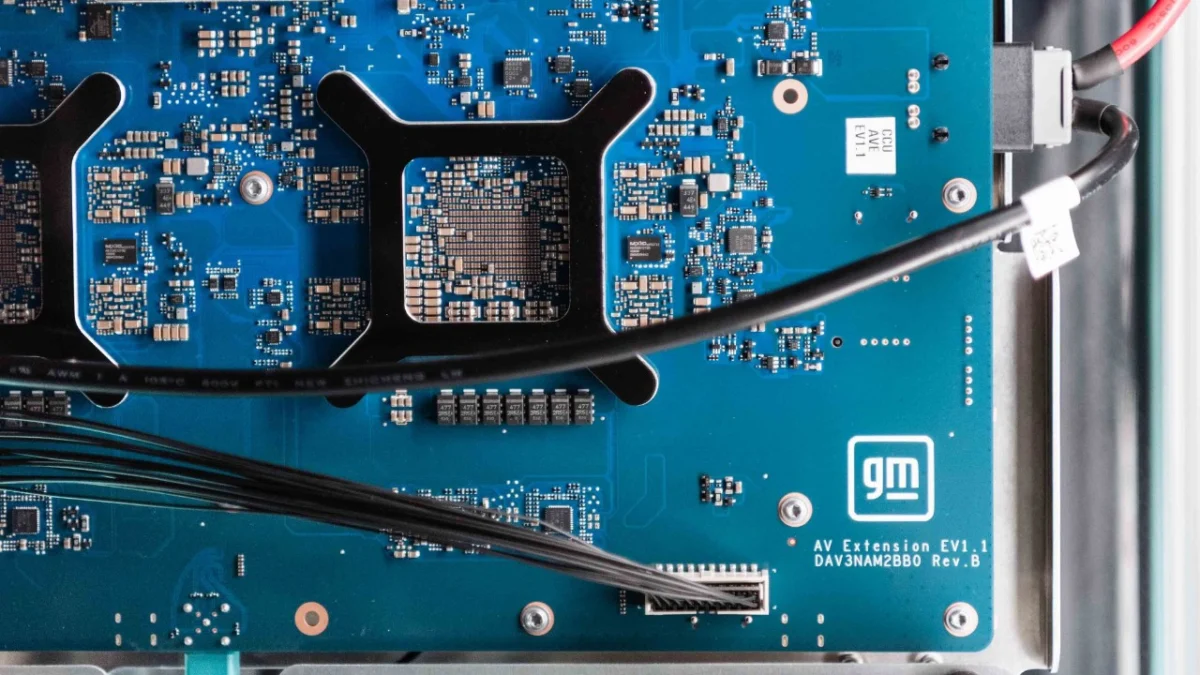
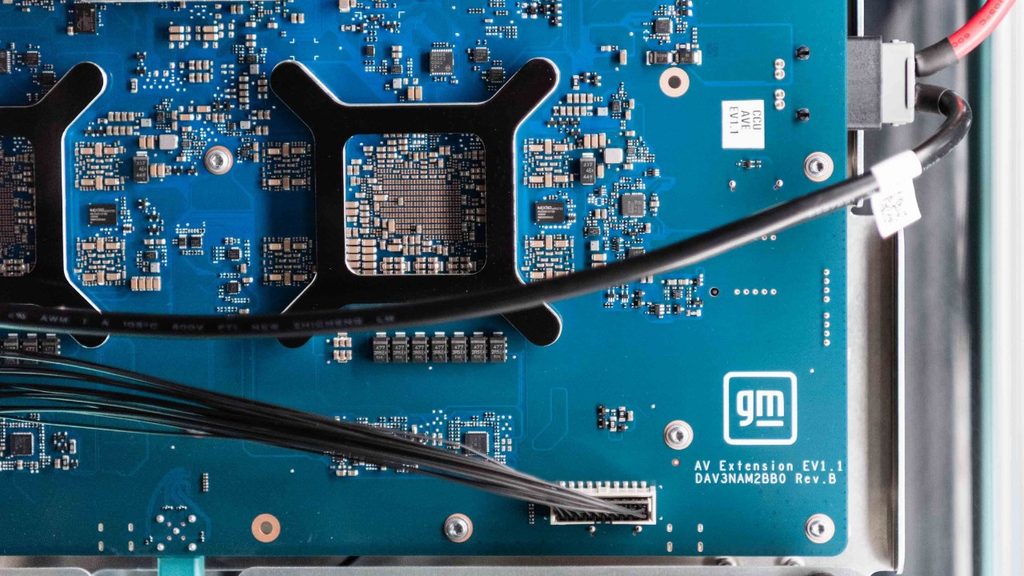
The centerpiece of GM’s announcement is the deployment of a highly sophisticated, centralized computing architecture slated for a 2028 debut. This new technological backbone is designed to be a "single computing core" that manages essential vehicle functions, including autonomy, active safety, chassis control, and propulsion systems.
By consolidating these disparate systems into one unified processor, GM aims to achieve a processing capability roughly 40 times greater than that of its current vehicle architectures. This massive increase in computational power is the key to unlocking true personal autonomy. Unlike current systems, which often operate in silos, this unified core will allow for real-time integration of sensor data and vehicle performance metrics, creating a safer, more responsive autonomous driving experience.
The scope of this rollout is perhaps the most significant aspect of the announcement. By targeting high-volume segments—specifically the massive market for full-size SUVs and light-duty pickups—GM is positioning itself to lead the mass-market adoption of autonomous features. This is a deliberate departure from the industry-wide trend of restricting advanced AI features to low-volume, high-priced luxury electric vehicles (EVs).
A Chronology of Innovation: From Super Cruise to 2028
To understand the weight of the 2028 target, one must look at the evolution of GM’s driver-assistance systems. The company’s journey toward full autonomy has been incremental, built upon a foundation of data-driven confidence.
The Foundation (2017–2023)
The inception of Super Cruise in 2017 marked the beginning of GM’s "hands-free" era. Initially limited to select highway networks, the system utilized high-definition LiDAR maps and advanced GPS to maintain lane positioning and speed. Over the following years, GM steadily expanded the network of compatible roads, building a massive repository of real-world driving data.
The Scaling Phase (2024–2026)
During this period, GM focused on hardware standardization and the integration of Super Cruise across a broader range of models, including the Chevrolet Bolt, Silverado, and various GMC platforms. By 2026, the company had successfully normalized the hands-free experience for hundreds of thousands of drivers, moving from a "novelty feature" to a standard expectation for premium trims.
The Architecture Overhaul (2027–2028)
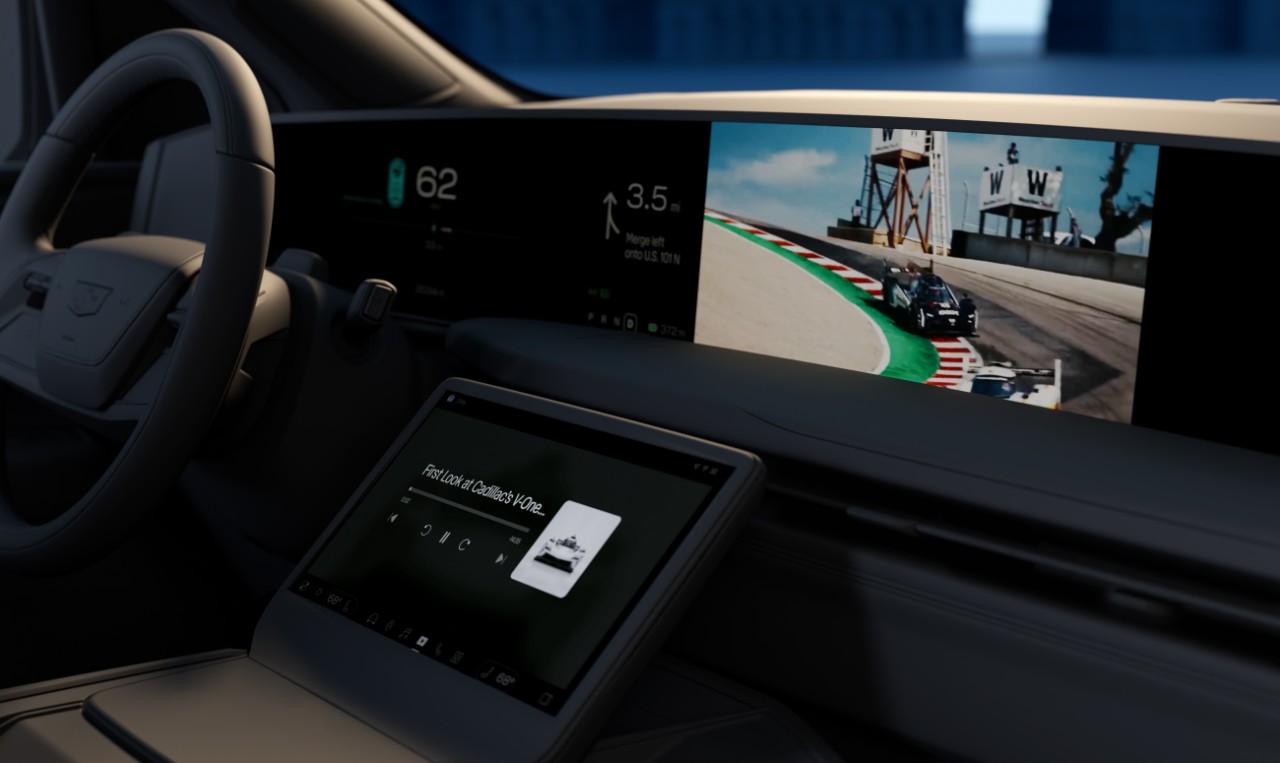
The current phase involves the transition from distributed electronic control units (ECUs) to a centralized compute architecture. The next 18 months are expected to be focused on rigorous validation of this unified core, ensuring that the software can manage the complex interplay between safety-critical systems and autonomous decision-making in real-time.
Supporting Data: The Power of Scale and Simulation
GM’s confidence in its 2028 timeline is underpinned by two massive data streams: real-world customer usage and synthetic virtual simulation.
The "Hands-Free" Data Pool
The company reports that its Super Cruise system has now logged over 1.2 billion hands-free miles. These miles are not merely data points; they represent a diverse array of driving conditions, weather patterns, and traffic scenarios encountered by nearly 750,000 active vehicles. This real-world fleet serves as a rolling laboratory, providing engineers with the edge-case scenarios necessary to refine autonomous algorithms.
Virtual Miles: The AI Multiplier
Perhaps more impressive than the real-world mileage is GM’s reliance on simulation. Through its internal AI and machine-learning infrastructure, the company now generates more than 3 billion virtual miles of simulation every single day. This synthetic environment allows GM to "stress test" its autonomous systems against millions of potential accident scenarios, equipment failures, and chaotic traffic patterns—all without putting a single human driver at risk. By iterating on these billions of daily virtual miles, GM is accelerating its software development cycle at a rate impossible through physical testing alone.
Official Perspectives and Technical Implications
In official statements, GM representatives have emphasized that this new architecture is not merely an "add-on" feature, but a total reimagining of the vehicle’s nervous system.
Over-the-Air (OTA) Agility
A critical component of this announcement is the confirmation that the new platform will support robust, secure over-the-air (OTA) updates across both gasoline-powered and electric vehicles. This capability is vital for longevity. In the past, hardware limitations often rendered vehicles "obsolete" as software demands grew. With this new architecture, GM can push validated performance improvements, safety patches, and autonomous logic updates directly to the customer’s driveway. This eliminates the need for physical hardware redesigns or dealership visits, significantly reducing the "depreciation curve" of vehicle technology.
The Hardware-Software Symbiosis
By housing autonomy, chassis, and propulsion within a single computing core, GM is addressing one of the greatest challenges in the automotive industry: latency. In current systems, different modules must communicate across complex wiring harnesses, introducing micro-delays in decision-making. A centralized core eliminates this latency, allowing the vehicle to react to road hazards with the split-second precision required for high-speed autonomous highway travel.
Implications for the Future of Mobility
The implications of GM’s roadmap are far-reaching, affecting everything from manufacturing costs to consumer behavior and the broader insurance market.
Competitive Pressure and Industry Standardization
By bringing autonomous technology to mass-market pickups and SUVs, GM is throwing down a gauntlet to competitors like Ford, Stellantis, and Tesla. The ability to deploy high-end software across a massive fleet allows for the "democratization of safety." If a mass-market pickup can offer the same level of hands-free, autonomous safety as a $150,000 luxury EV, it shifts the competitive landscape. Consumers will likely prioritize software and safety features over traditional metrics like horsepower or towing capacity.
Economic Impact on Vehicle Ownership
The move toward an OTA-updateable, software-defined vehicle may change the economics of car ownership. As vehicles become "platforms" that improve over time, the resale value of these cars may stabilize. Furthermore, by standardizing the computing architecture across both internal combustion engines (ICE) and EVs, GM is streamlining its manufacturing processes, potentially reducing the cost of implementing these technologies across the board.
The Safety Mandate
Perhaps the most significant implication is the potential reduction in traffic accidents. Human error remains the leading cause of highway fatalities. By scaling autonomous systems that are constantly learning from 3 billion virtual miles a day, GM is aiming to create a baseline of safety that exceeds the capabilities of the average human driver. The centralization of safety and chassis systems ensures that, in the event of an emergency, the vehicle can execute evasive maneuvers with a level of coordination that traditional, fragmented systems cannot achieve.
Conclusion
General Motors’ announcement is more than just a timeline for a new product; it is a declaration of intent. By 2028, the company aims to move beyond the experimental phase of autonomous driving and into a period of industrial-scale implementation. Through the combination of a 40x increase in computing power, a massive real-world data foundation, and the ability to update vehicles wirelessly, GM is attempting to solve the "software puzzle" that has plagued legacy automakers for the last decade.
As the industry pivots toward an era where the value of a vehicle is determined by its code as much as its steel, GM’s strategy of unifying its architecture across its highest-volume lineups appears to be a calculated, high-stakes bet on the future of transportation. Whether this technology will live up to the promise of full personal autonomy remains to be seen, but the infrastructure to support that transition is clearly being laid, one virtual mile at a time.
