


In the unpredictable theater of international politics and public relations, few moments demonstrate the power of agile marketing quite like the events that unfolded this week between Washington, D.C., and Oslo. Following a heated remark by President Donald Trump regarding Norway’s global standing—a comment spurred by the Nobel Committee’s decision to withhold a Peace Prize—the Nordic nation has executed a masterclass in brand resilience. By leaning into the absurdity of the criticism rather than retreating, Visit Norway has transformed a diplomatic slur into a viral digital phenomenon, driving unprecedented traffic to its travel portals.
The Chronology: A Weekend of Rhetoric and Response
The friction began on Sunday at a campaign rally in Michigan. Addressing a crowd of supporters, President Trump expressed his frustration over the Norwegian Nobel Committee’s consistent exclusion of his name from the prestigious Peace Prize shortlist. In a departure from typical diplomatic decorum, the President launched a scathing critique of the Scandinavian nation, branding it a "shit house country" and emphatically stating, "Frankly, Norway sucks."
The comment, while brief, reverberated across social media and international news wires within minutes. For a country consistently ranked among the world’s most prosperous, stable, and happiest, the juxtaposition of the President’s rhetoric against reality was jarring.
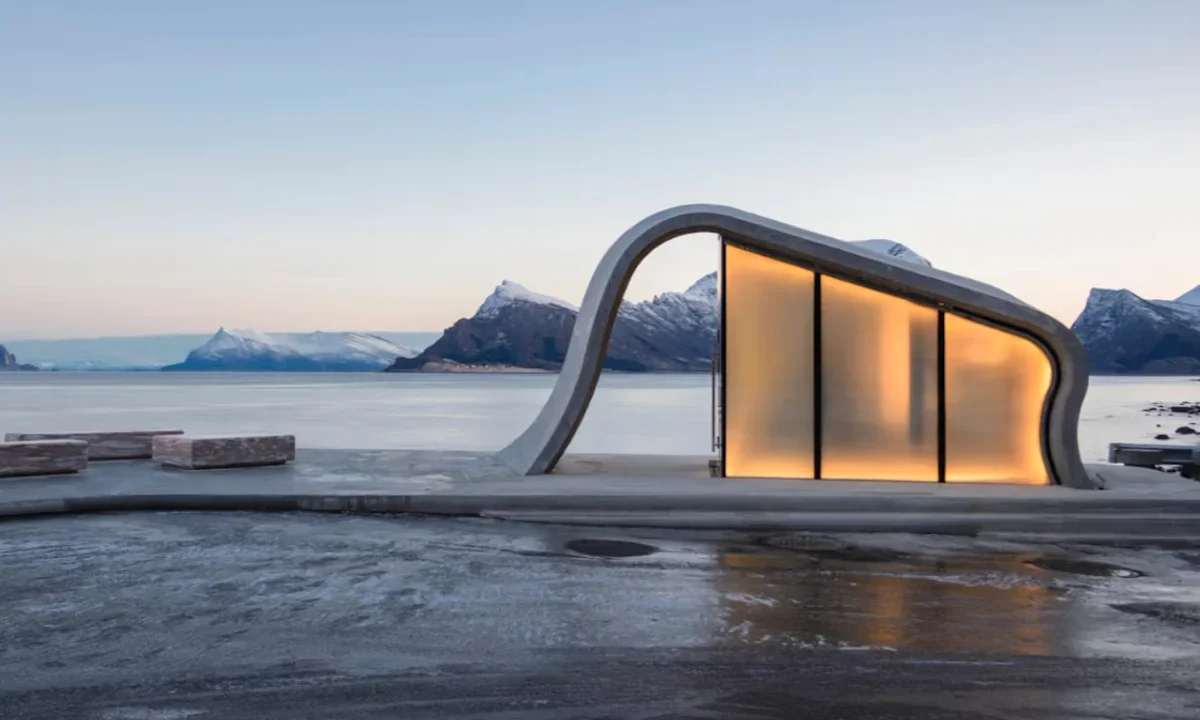
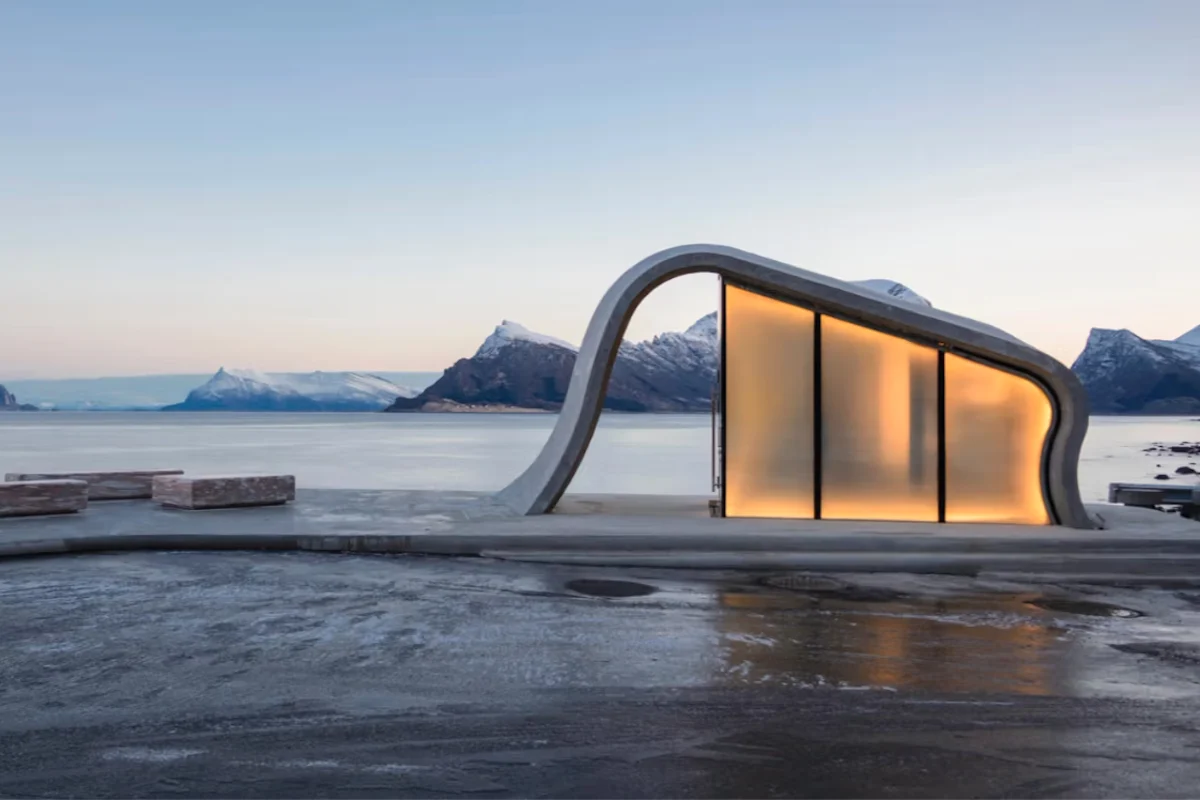
By Monday night, the marketing team at Visit Norway—the country’s official destination marketing organization—had formulated a response. Rather than drafting a stiff letter of protest or seeking a formal diplomatic retraction, they chose the path of digital irony. The team identified an existing, somewhat niche landing page on their website that showcased the nation’s architectural marvels: its public restrooms. Located along Norway’s famed scenic routes, these facilities are renowned for their avant-garde design and breathtaking views.
The team updated the page’s copy, adding a sly nod to the President’s own campaign slogans. The new header read: "We make restrooms great again!" The update was subtle, irreverent, and perfectly timed.
Supporting Data: The Viral Surge
The impact of this pivot was immediate and quantifiable. Within 24 hours of the update, social media users began sharing screenshots of the website, turning the page into a symbol of Nordic wit. By Friday, the metrics were nothing short of staggering.
According to internal data provided by the tourism board, the page documenting Norway’s scenic toilets experienced a traffic spike 540 times higher than the previous week’s baseline. What was once a static resource for road-trippers became a globally trending destination for internet users.
This surge in "accidental" tourism marketing underscores a shift in how modern nations manage their soft power. By reclaiming the narrative, Norway successfully pivoted the conversation from "Are we a ‘shit house’?" to "Look at our incredible, award-winning infrastructure." The data shows that the majority of this traffic originated from the United States, suggesting that the very demographic targeted by the President’s rhetoric was the one most intrigued by Norway’s cheeky rebuttal.
The Architectural Context: More Than Just Facilities
To understand why this specific marketing pivot resonated, one must look at the actual content of the page. Norway’s "Scenic Routes" project is a long-standing initiative that integrates world-class architecture into the raw, rugged landscape of the Norwegian wilderness.
The restrooms mentioned in the campaign are not merely functional boxes; they are high-design structures crafted by firms like Reiulf Ramstad Arkitekter and Jensen & Skodvin. These structures—often featuring floor-to-ceiling glass, polished concrete, and minimalist aesthetics—offer panoramic views of fjords, glaciers, and mountain passes.
Visit Norway’s response essentially highlighted the irony that the country’s "toilets" are of higher quality and architectural significance than most standard civic infrastructure elsewhere. By inviting the world to witness these facilities, they turned a derogatory phrase into a showcase of national pride and design excellence.
Official Responses and Diplomatic Silence
In the wake of the President’s comments, the Norwegian government has maintained a stance of measured, cool-headed professionalism. The Ministry of Foreign Affairs in Oslo has declined to engage in a tit-for-tat exchange of insults.
"We believe that our track record as a nation—in terms of quality of life, environmental stewardship, and international diplomacy—speaks for itself," said a spokesperson for the Norwegian government. "We focus on welcoming all visitors who wish to experience the beauty of our landscapes."
Behind the scenes, however, the strategy of "weaponized irony" employed by Visit Norway appears to have the tacit approval of those who believe that silence in the face of such rhetoric can be misconstrued. By choosing humor over outrage, Norway has maintained the moral high ground while simultaneously achieving a level of brand exposure that a multi-million dollar advertising budget could rarely secure.
Implications for Tourism and Public Diplomacy
The success of the "Make Restrooms Great Again" campaign serves as a case study for destination marketing organizations (DMOs) worldwide. It highlights three critical shifts in the current landscape of international image-building:
1. The Death of the "Polite" Response
In an era of 24-hour news cycles and algorithm-driven social media, traditional, sanitized press releases are increasingly invisible. Norway’s ability to inject cultural humor into a crisis has proven more effective than a traditional rebuttal. It humanized the brand, making the country appear relatable and confident.
2. The Power of "Accidental" Virality
DMOs often spend months planning campaigns. Norway’s success was entirely reactive, proving that brands that can move at the speed of culture are the ones that capture the zeitgeist. By leveraging a viral insult, they turned a potential PR nightmare into a showcase of their existing assets.
3. Resilience Against Political Volatility
As geopolitical tensions rise, countries are increasingly vulnerable to the whims of foreign leaders. Norway’s strategy suggests a blueprint for resilience: when attacked, don’t change your identity to suit the critic—instead, lean into your strengths with confidence and wit.
Looking Forward: Sustaining the Momentum
The challenge for Visit Norway now lies in converting these millions of "curiosity clicks" into tangible tourism bookings. The irony, of course, is that while millions clicked to see the restrooms, they were simultaneously presented with high-quality photography of Norway’s fjords, the Northern Lights, and its thriving urban centers.
"What can we say, we do have some of the world’s most beautiful and spectacular toilets," a spokesperson for Visit Norway remarked, adding that the country hopes that those who came for the humor stay for the travel experience.
As the news cycle moves forward and the President’s comments fade into the background, the "Scenic Routes" campaign will likely be remembered as one of the most clever instances of nation-branding in the 21st century. It serves as a reminder that in the face of aggression, wit remains one of the most effective forms of defense. Norway has not only defended its reputation but has also managed to make the world stop, look, and—in more ways than one—take note of the spectacular scenery that defines the Nordic spirit.
Whether the President will eventually acknowledge the success of this counter-marketing remains to be seen. However, for the people of Norway, the message is clear: they are confident in their own house, regardless of what the rest of the world—or its most vocal leaders—might say.
