





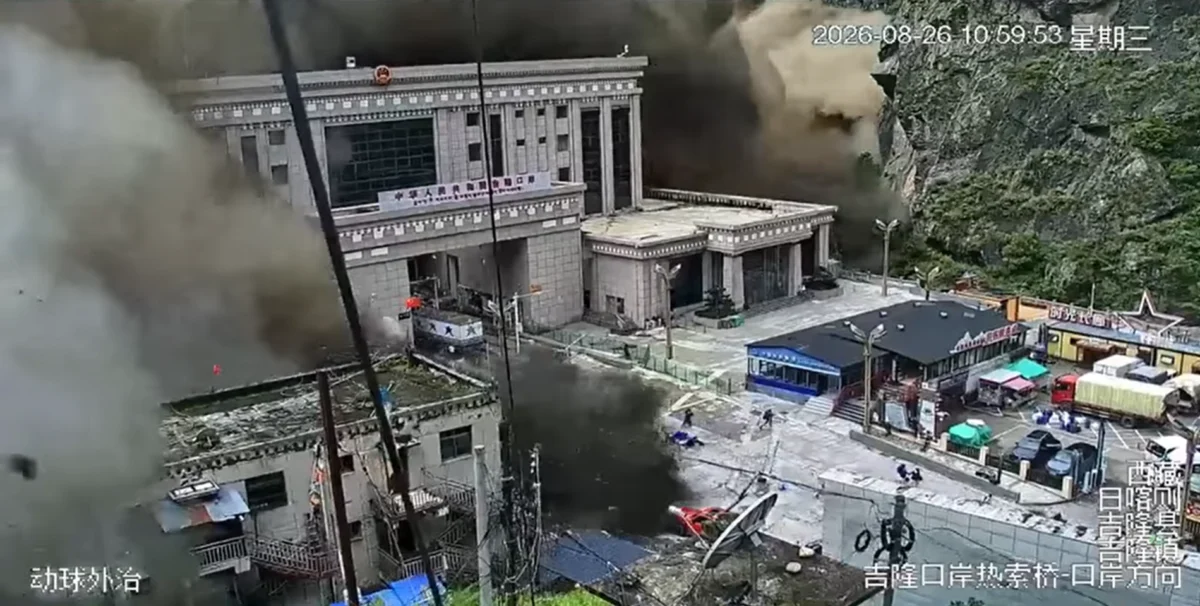
The Himalayan nation of Nepal is currently grappling with the aftermath of one of the most devastating natural disasters in its recent history. A catastrophic series of flash floods, triggered by a massive glacier collapse and subsequent landslides near the Chinese border, has claimed the lives of over 1,000 people, with thousands more still listed as missing. As the nation struggles to recover, international bodies—led by the United Nations—have issued urgent warnings regarding the disproportionate impact of this disaster on women, girls, and children, who now face a harrowing fight for survival in the shadow of destroyed infrastructure and stagnant recovery efforts.
Main Facts: A Nation Under Siege
The disaster, which began on August 26, 2026, has fundamentally altered the landscape of several key districts, most notably Rasuwa, Nuwakot, and Dhading. The initial trigger—a glacial collapse—sent a deluge of water, mud, and boulders careening through river corridors, erasing entire settlements in its path.
The scope of the destruction is vast. Beyond the tragic loss of human life, the infrastructure of the region has been decimated. Roads that serve as the only lifelines for mountain communities have been severed, bridges have been swept away, and critical water systems have been rendered unusable. Perhaps most alarmingly, health facilities, which are essential for treating the injured and managing the burgeoning public health crisis, have been destroyed or rendered inaccessible by landslides, leaving thousands without medical care.
Chronology of the Disaster
The timeline of the crisis highlights the sudden and violent nature of the event, followed by a grueling, ongoing struggle for rescue and relief.
- August 26, 2026: A glacial collapse near the Nepal-China border initiates a massive landslide, triggering flash floods that surge through mountain settlements along riverbanks.
- Late August – Early September 2026: Immediate search-and-rescue operations are launched, but are severely hampered by persistent monsoon rains, which destabilize mountain slopes and trigger secondary landslides.
- Early September 2026: The UN OCHA, UNICEF, and UN Women begin reporting the full extent of the humanitarian crisis. The official death toll surpasses 1,000, and the number of missing individuals reaches over 4,200.
- Mid-September 2026: International aid agencies issue a consolidated appeal for funding, highlighting the specific needs of women and children, as the window for effective early recovery begins to narrow.
Supporting Data: The Magnitude of Human Suffering
The numbers underlying this crisis reveal a depth of suffering that extends far beyond the immediate casualty count. According to the latest estimates provided by the United Nations:
- Casualties: More than 1,000 confirmed deaths, with 4,247 individuals still unaccounted for.
- Vulnerable Populations: UN Women estimates that 43,000 women and girls require immediate, life-saving humanitarian intervention.
- Affected Communities: In the districts of Rasuwa and Nuwakot alone, nearly 160,000 women and girls are reported to be directly or indirectly impacted.
- Child Welfare: UNICEF has reported that at least 17,000 children are in need of urgent humanitarian assistance, prompting a dedicated appeal for $17.2 million to facilitate emergency response and early recovery.
These figures illustrate a crisis where the pre-existing fragility of mountain infrastructure has collided with an extreme weather event, creating a humanitarian bottleneck that continues to isolate the most vulnerable.
The Gendered Impact: A Crisis Within a Crisis
A primary focus of the UN’s recent reporting is the "hidden" burden placed on women and girls. Christine Arab, Regional Director for Asia and the Pacific at UN Women, has highlighted that the floods have not only destroyed physical structures but have systematically dismantled the safety nets that protect women.
The Breakdown of Daily Survival
In rural Nepal, the domestic labor of water collection and household maintenance falls primarily to women. With water systems destroyed and roads blocked, the physical burden of survival has increased exponentially. Women are now forced to travel further across dangerous, unstable terrain to secure clean water, exposing them to injury and exhaustion.
Protection Risks and Gender-Based Violence
The displacement of thousands of families into makeshift camps and overcrowded temporary shelters has introduced new, severe threats. The absence of private, gender-segregated sanitation facilities and adequate lighting has created a vacuum of safety. Humanitarian experts warn that this lack of privacy and security significantly elevates the risks of gender-based violence, sexual exploitation, and human trafficking. In regions where male migration for work is common, women-headed households—now left without their primary support structures—face an intensified risk of systemic abandonment and poverty.
Official Responses and Humanitarian Challenges
The international community has mobilized, but the response remains "severely constrained." The World Health Organization (WHO) has joined the chorus of concern, warning that the post-flood environment is a breeding ground for "secondary health emergencies."
The Public Health Warning
Stagnant floodwater, coupled with the breakdown of sanitation systems, has created a high-risk environment for the spread of waterborne diseases. The WHO has explicitly cited the risk of outbreaks including dengue fever and scrub typhus. The overcrowding in temporary shelters, where thousands have been displaced, further compounds these risks.
Operational Obstacles
Humanitarian officials describe a "logistical nightmare." The combination of active monsoon weather, which triggers new, unpredictable landslides, and the total destruction of mountain roads means that aid is frequently unable to reach the most remote, high-altitude villages. Supplies are being dropped by air where possible, but the ability to provide long-term care, vaccinations, and shelter in these regions remains compromised.
Implications: Climate Change and the Himalayan Reality
The tragedy in Nepal is not an isolated incident; it is a manifestation of a systemic global crisis. Nepal, a country that contributes a negligible amount to global carbon emissions, finds itself on the front lines of climate-induced disaster.
The Glacial Threat
Last year, UN Secretary-General António Guterres visited the region to sound the alarm on the rapid melting of Himalayan glaciers. Scientists report that the region has lost nearly one-third of its glacial ice in the last three decades. The 2026 flood serves as a grim realization of these warnings. Glacial retreat creates "glacial lakes," which are held back by unstable dams of ice and rock. When these natural dams fail—due to temperature increases or seismic activity—the resulting "Glacial Lake Outburst Flood" (GLOF) releases a wall of water that is far more destructive than typical rainfall-induced flooding.
The Need for Structural Resilience
The implications for the future are clear: Nepal requires a fundamental shift in its development and disaster-risk reduction strategies. Moving forward, the focus must move beyond immediate relief toward building "climate-resilient" infrastructure. This includes:
- Early Warning Systems: Enhancing the monitoring of glacial lakes to provide earlier evacuation warnings to downstream communities.
- Infrastructure Hardening: Designing roads and bridges that can withstand the high-velocity debris flows associated with mountain flooding.
- Social Safety Nets: Integrating gender-sensitive planning into disaster preparedness to ensure that women and children have protected access to resources during the first 72 hours of a disaster.
As the search-and-rescue mission continues, the international community’s focus must remain fixed on the long-term recovery of these communities. The tragedy in Nepal is a stark reminder that the impacts of climate change are not a future threat—they are a current, violent, and unequal reality that demands an urgent, well-funded, and coordinated global response. Without such intervention, the cycle of destruction will continue to threaten the lives and livelihoods of those who have the least power to protect themselves from a changing planet.
